




Victorian Style Planter
These robust and decorative pieces, known collectively as a victorian style planter, bring period botanical display indoors and out with enduring architectural presence.
Victorian Style Planter
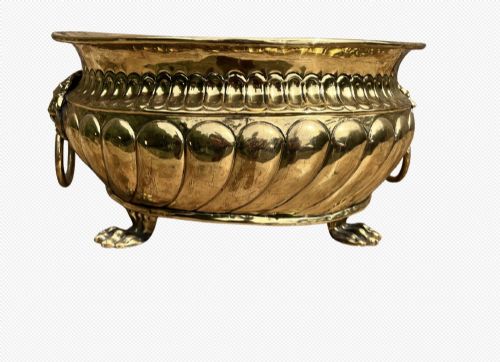
A victorian style planter encompasses a diverse group of objects designed for displaying plants, ranging from heavy garden urns and plant stands to elaborate indoor jardinieres and occasional tables. These pieces span the nineteenth century into the twentieth, drawing on Victorian, Edwardian, and continental design influences.
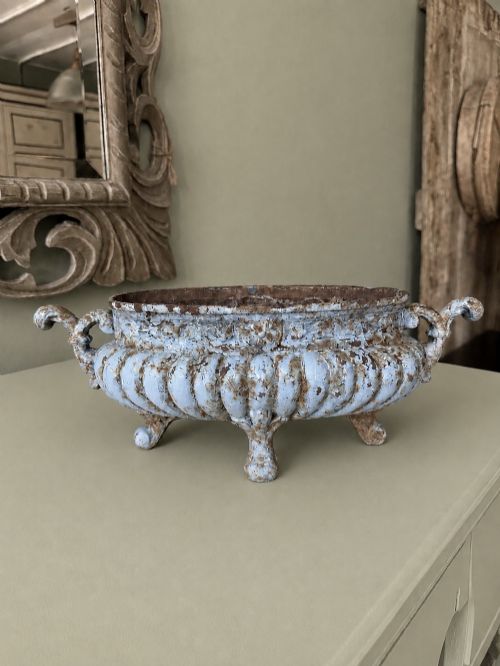
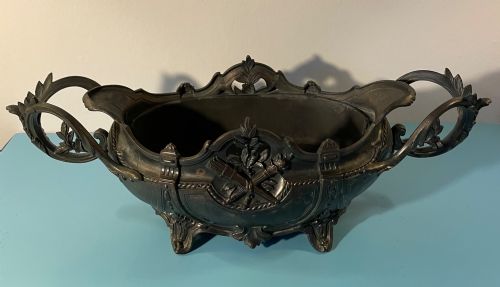
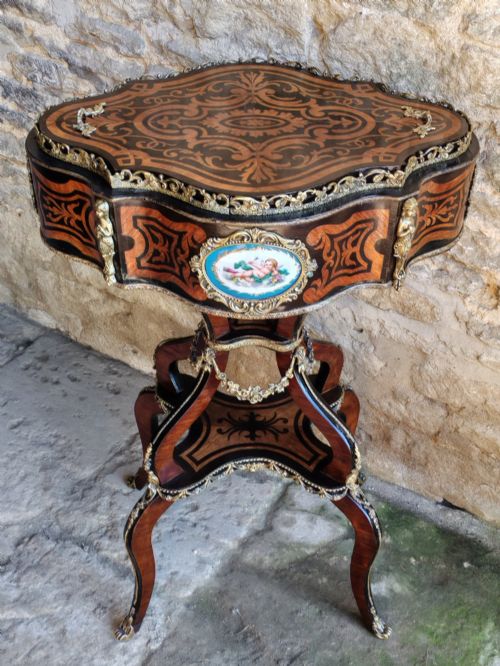
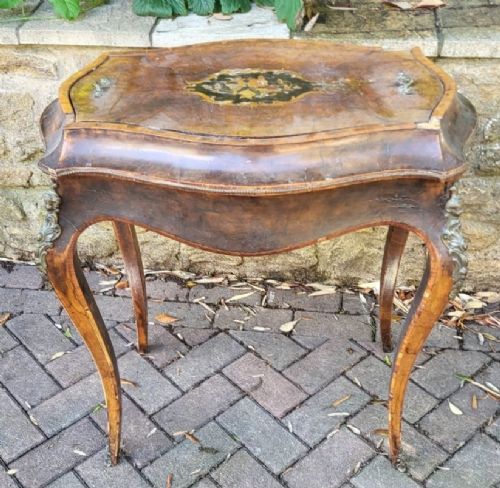
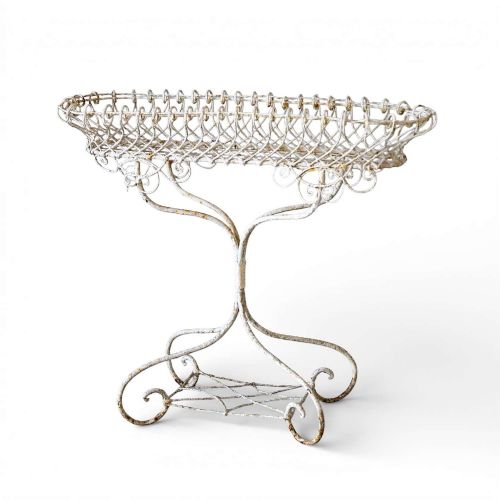
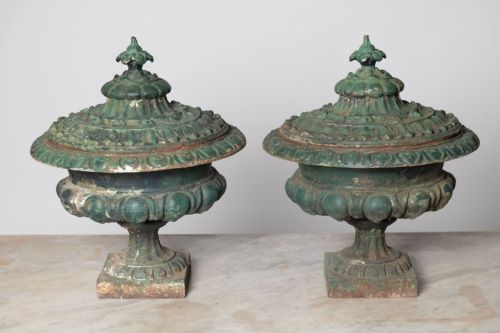
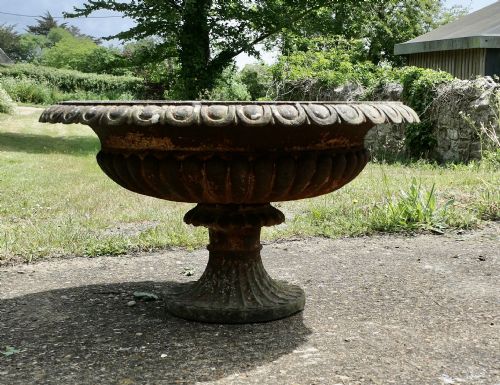
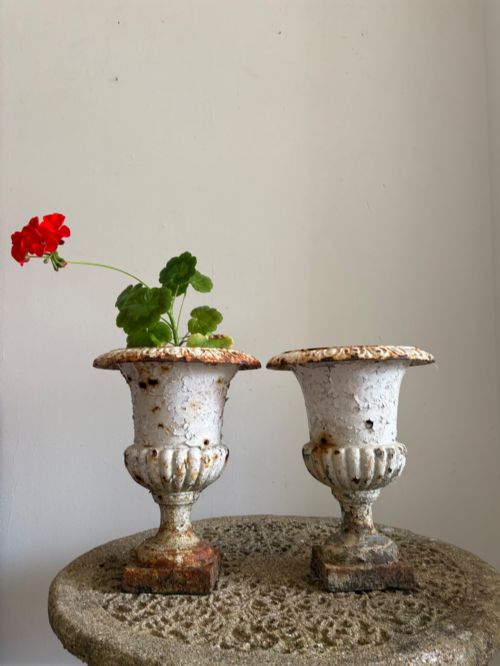
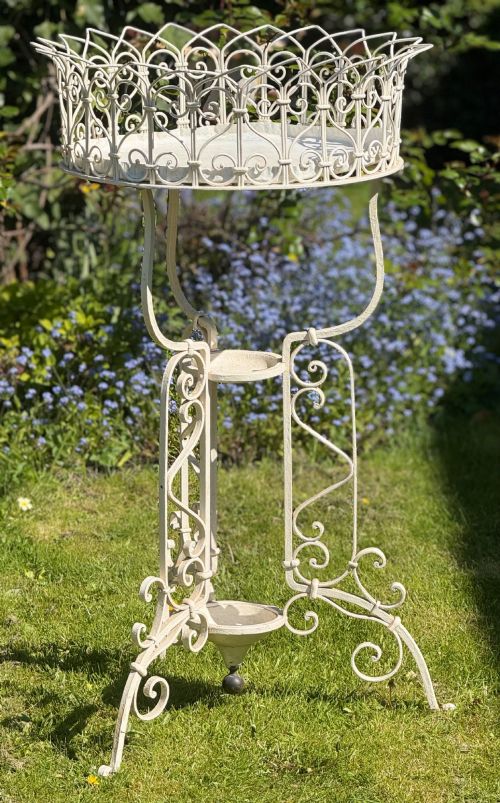
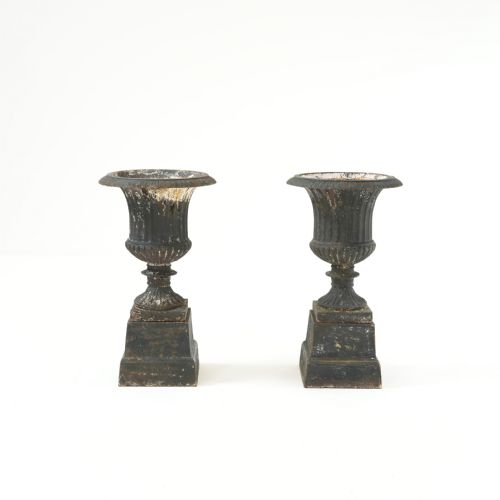
Indoor examples often take the form of timber tables with metal liners, inlaid burr walnut or kingwood cases, and porcelain or ormolu mounts. Garden variants lean towards durable metals like cast iron and wrought iron, frequently shaped as campana urns on plinths or scrollwork plant stands.
Buyers seeking this phrase encounter both utilitarian conservatory wirework and high-status reception room pieces, reflecting the era's obsession with indoor flora. French and English aesthetics dominate the selection, bringing classical revival motifs into domestic spaces.
What varies in quality
The sophistication of the ornamentation dictates the standing of a piece, separating standard utilitarian vessels from highly finished salon furniture. Hand-painted porcelain plaques, precise marquetry inlay, and finely chased gilt bronze mounts elevate the work.
Material substance and casting crispness distinguish better examples from simpler production items. Heavy, well-proportioned iron castings retain sharp acanthus leaf and classical detailing, while lesser work appears soft and blunt.
Materials range from painted wrought iron and brass wirework to glazed porcelain ceramics and gilt ormolu mounts.
The Victorian Style Planter Glossary
- Jardiniere
- An ornamental pot or stand for holding flowers or plants. This term often applies to both indoor ceramic vessels and fitted timber tables.
- Campana urn
- A bell-shaped garden vessel derived from classical antiquity. These pieces sit on pedestals or plinths and appear frequently in cast iron.
- Kingwood
- A dense, richly figured timber with dark violet-brown streaks. Cabinetmakers utilised this wood for high-status French and Victorian decorative furniture.
- Ormolu
- Gilt bronze ornamentation applied to furniture and decorative objects. The technique involves coating metal with a gold amalgam.
- Marquetry
- Decorative veneer work arranged in pictorial or geometric patterns. Craftsmen inlaid contrasting woods into surfaces like walnut and satinwood.
Victorian Style Planter: Frequently Asked Questions
How were indoor planters used?
Indoor plant containers held potted ferns and flowering plants to bring nature into Victorian reception rooms. Liners protected delicate timber furniture from water damage.
Some designs doubled as occasional tables or wine coolers, serving multiple functions during formal entertaining.
Where were cast iron urns placed?
Cast iron urns stood in gardens, on terraces, or along conservatory walkways. Their weight provided stability against wind and weather.
They often sat upon matching plinths to elevate classical foliage displays along garden paths.
What woods appear on jardiniere tables?
Cabinetmakers utilised exotic and domestic hardwoods including walnut, satinwood, and kingwood. Burr veneers provided striking natural grain patterns.
Inlay and marquetry frequently decorated the outer surfaces of these salon pieces.
How do I distinguish French and English pieces?
French examples often incorporate gilt metal mounts, porcelain plaques, and ebonised finishes influenced by Rococo Revival and Napoleon III styles. English pieces tend to feature robust cast iron work or understated walnut cabinetry.
Both traditions drew heavily on classical motifs like acanthus leaves and urn shapes.