
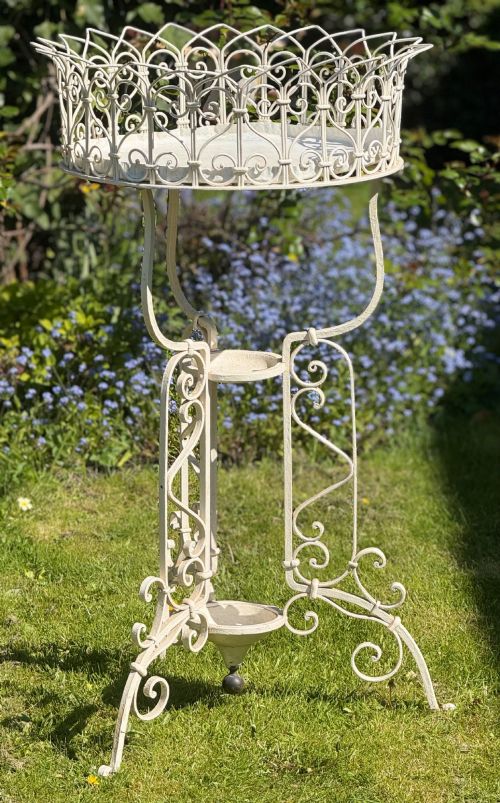


White Iron Jardiniere
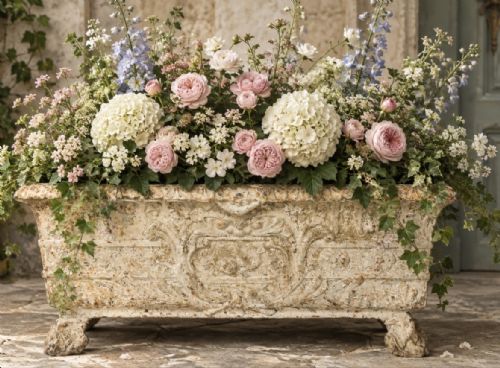
These white iron jardiniere pieces bring architectural form and planted greenery together on a terrace or conservatory.
White Iron Jardiniere
A white iron jardiniere takes the form of heavy metal planters, plant stands, and wirework jardinieres designed for gardens and conservatories. These items appear across the nineteenth century, Edwardian, and Georgian periods in various structural formats.
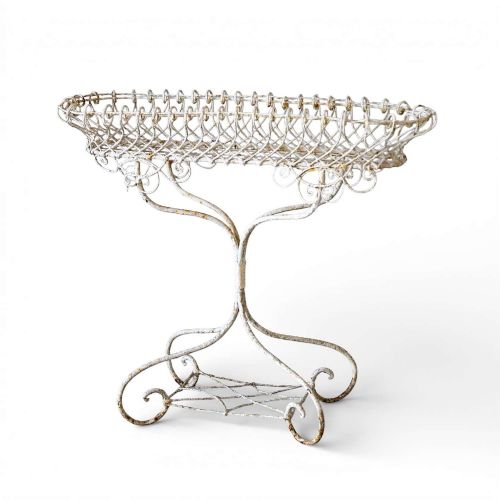
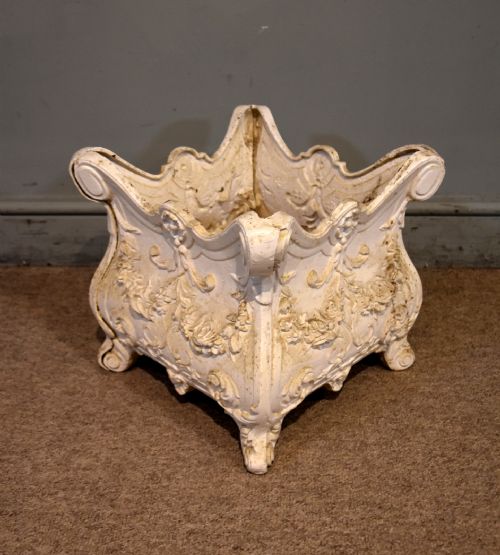
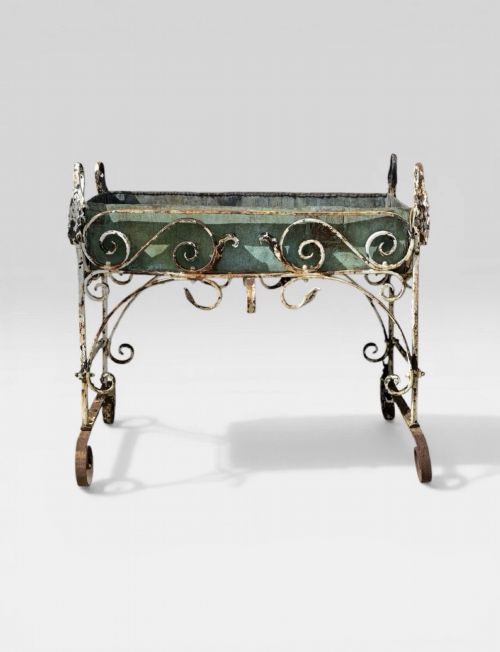
The pieces listed here include French country styles, Victorian wirework, and substantial cast iron urns or plant stands. Most examples present a weathered painted surface that shows age rather than a uniform factory finish.
Buyers encounter everything from single decorative patio urns to tiered plant stands and lattice basket top designs. Such items serve to elevate potted plants while introducing distinct period character to outdoor or indoor spaces.
Materials and construction
Makers utilised cast iron, wrought iron, sheet metal, and wirework to build these jardinieres and plant stands. Cast iron elements allowed for heavy moulding, whilst wirework and wrought iron provided intricate scrollwork and lattice baskets.
Surface treatment relied on heavy paint layers applied over metal, which created the characteristic white finish seen across the nineteenth-century and Edwardian examples. Over decades, this paint weathered through exposure to garden environments.
Some wirework stands were twisted into intricate lattice baskets by Victorian gardeners who clearly had too much wire and far too much time.
Assessing the pieces
Quality rests in the crispness of the casting work on iron pieces and the delicacy of the hand-formed scrollwork on wirework stands. Substantiated structural integrity across tiers and lattice baskets distinguishes finer examples.
The character of the weathered paint surface influences desirability, as genuine age creates a softer texture than modern repainting. Heavier, more complex forms such as tiered stands or coalbrookdale castings command particular attention for their ambition.
Coalbrookdale
The White Iron Jardiniere Glossary
- Jardiniere
- A large ornamental pot or stand for holding plants or flowers. These vessels often sit on terraces or inside Victorian conservatories.
- Wirework
- Metal construction formed from bent and woven wire into lattice and scroll patterns. This technique defined lightweight yet sturdy plant stands.
- Wrought iron
- Iron beaten into shape by hand rather than poured into a mould. It provides strong structural frames and decorative scrollwork.
- Cast iron
- Iron poured molten into a mould to create solid planters and urns. This method produced heavy, highly detailed garden ornaments.
- Plant stand
- Elevated furniture designed to hold potted plants off the ground. Tiered versions allowed multiple pots to be displayed vertically.
White Iron Jardiniere: Frequently Asked Questions
What is a white iron jardiniere used for?
These pieces function as plant stands and garden planters designed to hold potted flora. They elevate greenery to create focal points in gardens and conservatories.
Historically, they allowed gardeners to arrange plants vertically or display specimen pots on terraces and patios.
How do I care for weathered paint on iron?
Weathered paint requires gentle cleaning with mild soap and water to preserve the original surface texture. Avoid harsh scrubbing that removes the historic layers of white paint.
Keep the metal dry during winter months or sheltered from extreme damp to prevent active rust from forming beneath the paint.
How do I tell cast iron from wirework?
Cast iron pieces are heavy, rigid, and formed in moulds with solid decorative walls or thick urn bodies. They often feature distinct foundry details.
Wirework consists of slender metal rods bent and woven into open lattices and scroll patterns, creating a lighter, more transparent structure.
Are these pieces suitable for outdoor use?
Most of these jardinieres and plant stands were built for garden or conservatory use from durable metals. They handle outdoor placement well provided they receive basic maintenance.
Severe winter weather can affect painted surfaces, so many owners move lighter wirework pieces indoors during the coldest months.