







Iron Planter on Stand
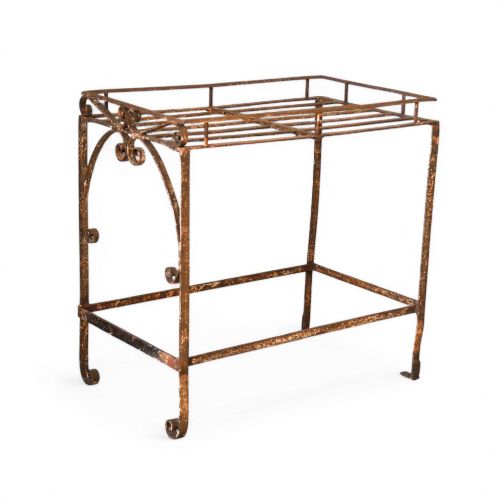
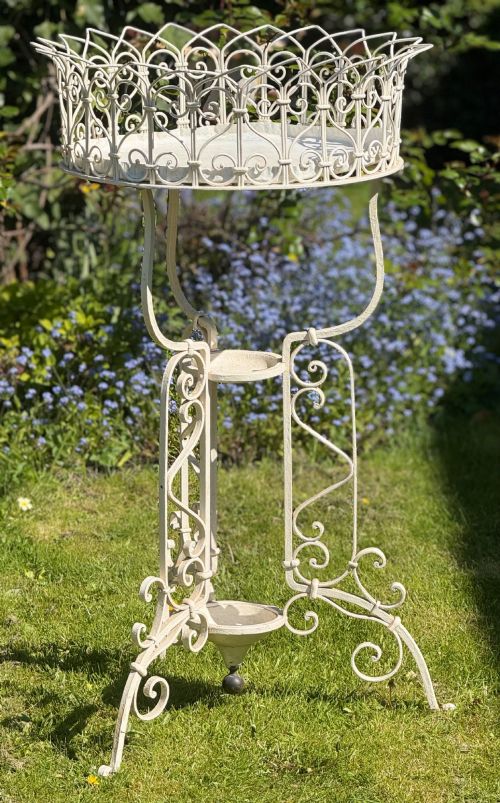
An iron planter on stand brings architectural presence to a garden or conservatory through robust metalwork and elevated display.
Iron Planter on Stand
When searching for an iron planter on stand, buyers encounter pieces designed to elevate vegetation for better display and drainage in gardens, patios, and conservatories. These objects combine a receptive vessel, such as an urn, bowl, or basket, with a dedicated base or pedestal.
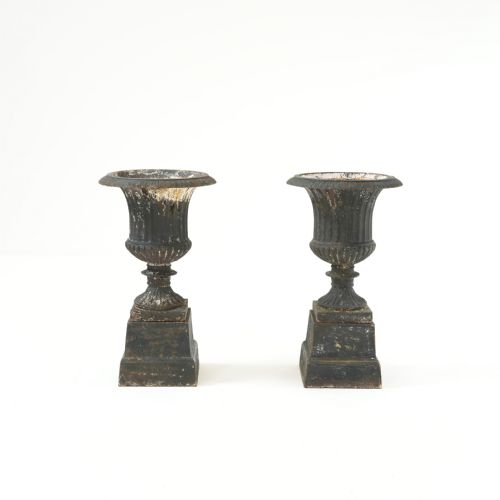
The selections on this page span the nineteenth century, including Victorian, Edwardian, and Georgian examples, alongside arts and crafts and neoclassical designs. Forms range from tiered plant stands and column planters to campana urns and wirework jardinieres.
Most pieces meet the eye as sturdy floor-standing items constructed from cast iron or wrought iron, often paired with copper, zinc, or terracotta elements. Estate-made items and works by notable foundries like Coalbrookdale appear among the varied formats.
Materials and construction techniques
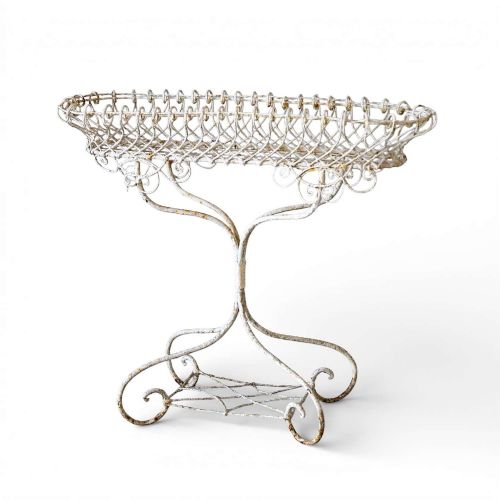
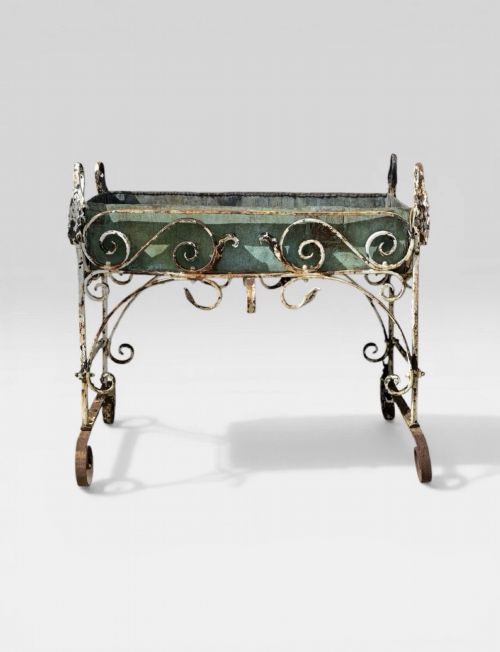
Makers utilised casting and forging to shape the heavy metals, employing cast iron for sculptural urns and pedestals while relying on wrought iron for scrollwork, lattice baskets, and rigid frames. Copper and zinc frequently form the insert bowls or primary vessels, secured within iron stands.
Wirework constructions involve intricate bending and joining of wire to create lightweight yet robust tiered stands and jardiniere baskets suited for conservatory use. Surface treatments such as paint and natural verdigris finishes protect the metals while recording age.
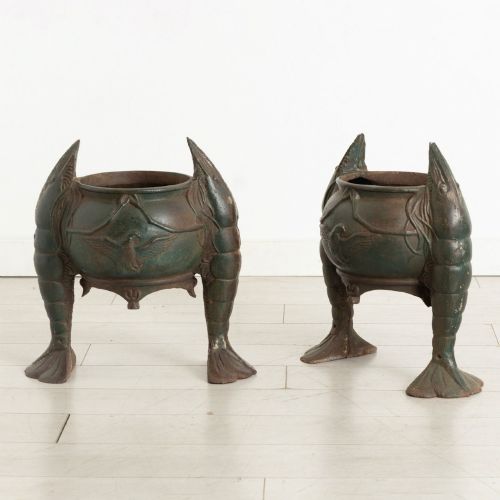
Several Victorian pieces take whimsical forms, including planters shaped as marine shrimp and unusual architectural andirons.
Factors that define quality
Quality rests upon the crispness of the cast ornamentation, such as acanthus leaves or classical details, and the skill demonstrated in hand-forged wrought iron scrollwork. Heavier, more substantial castings and robust structural framing indicate superior craftsmanship.
The integrity of the combination between vessel and stand dictates value, particularly where mixed materials like copper bowls and wrought iron frames meet harmoniously. Original surfaces, retained paint, and authentic weathering outrank stripped or overly restored examples.
Coalbrookdale
The Iron Planter on Stand Glossary
- Campana urn
- A bell-shaped garden vessel with a flared rim, often mounted on a pedestal base. These classical forms frequently feature acanthus leaf decoration.
- Jardiniere
- An ornamental pot or stand designed to hold plants or flowers, typically displayed on the floor rather than a table.
- Wirework
- A technique using bent and interwoven metal wire to form lightweight stands, baskets, and plant holders popular in the Victorian and Edwardian eras.
- Wrought iron
- Iron that has been heated and hammered into shape by hand, resulting in fibrous structures ideal for scrolls and structural stands.
- Verdigris
- A green patina formed naturally on copper, brass, or bronze surfaces through atmospheric weathering over long periods.
Iron Planter on Stand: Frequently Asked Questions
How do I care for an antique iron planter?
Keep the metal clean and dry when used indoors, and apply appropriate protective waxes if keeping them in sheltered outdoor spaces.
Avoid harsh chemical cleaners that strip historical patina or original painted surfaces.
Can these planters be used outdoors?
Many cast and wrought iron pieces were built specifically for nineteenth-century gardens and withstand outdoor conditions well.
Protect more delicate wirework or mixed copper vessels from harsh winter frosts to prevent structural damage.
How do I identify a Victorian iron stand?
Victorian pieces often display classical revival motifs like neoclassical acanthus leaves, heavy cast iron construction, or intricate wirework.
Look for construction methods typical of the period, such as hand-forged joints and period fastening techniques.