






Painted Metal Garden Planter
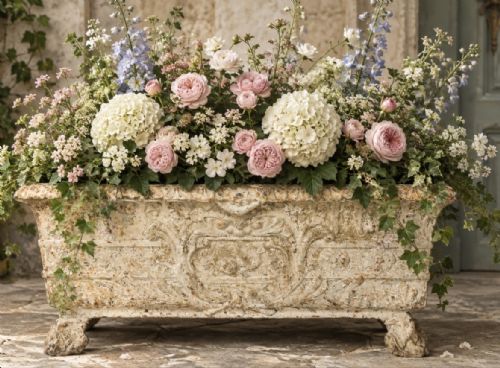
A painted metal garden planter brings architectural structure to borders and terraces, offering robust vessels for seasonal planting.
Painted Metal Garden Planter
A painted metal garden planter provides a durable and decorative home for flowers and foliage, originating in periods from the Georgian era through to the early twentieth century. When searching for a painted metal garden planter, buyers encounter heavy cast iron campagna urns, wrought iron stands with scrollwork, and wirework tiered structures.
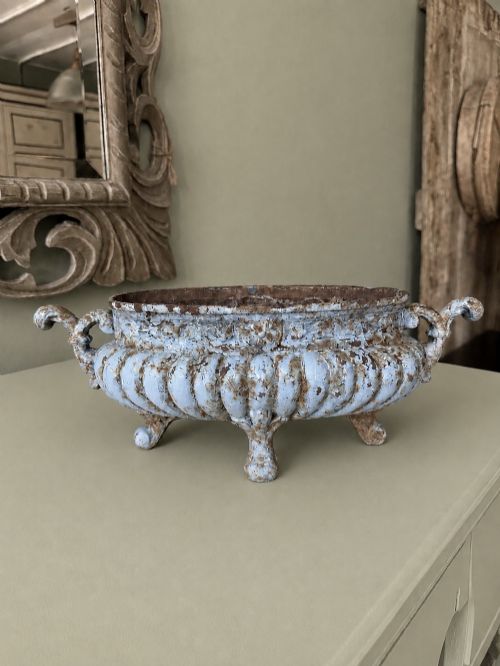
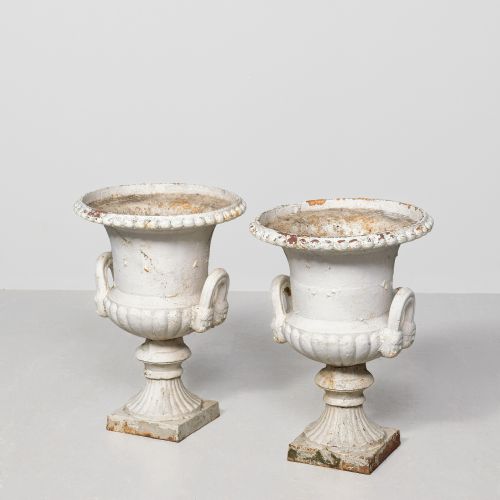
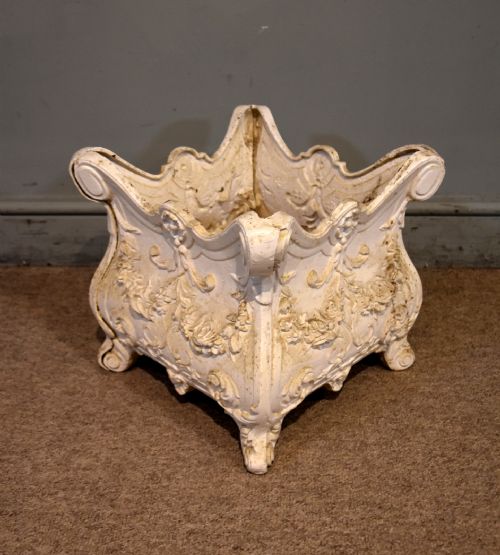
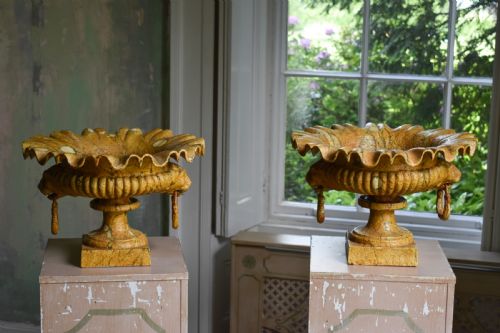
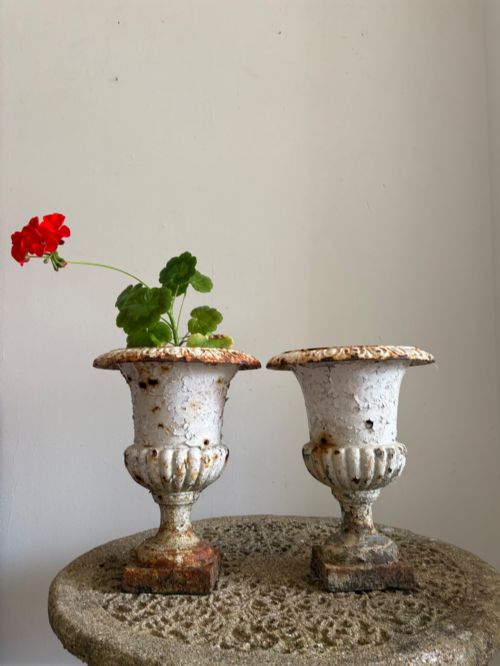
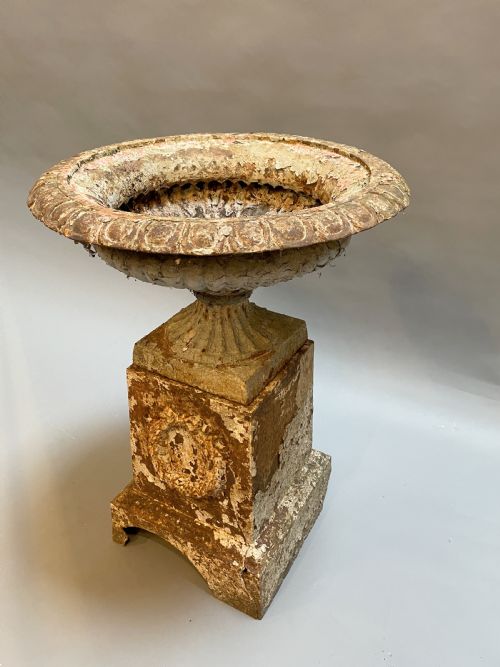
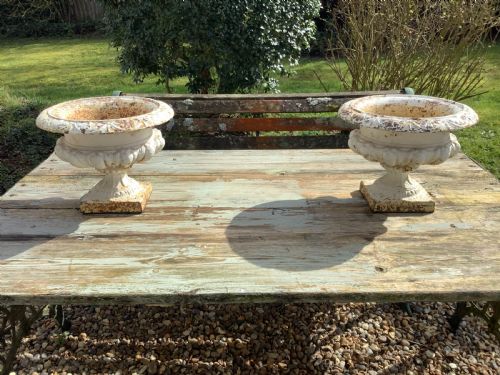
The most common examples on this page are nineteenth century cast iron urns and jardinieres, often finished with original distressed paint or subsequent coatings. These pieces range from compact table urns to large monumental vessels mounted on plinths.
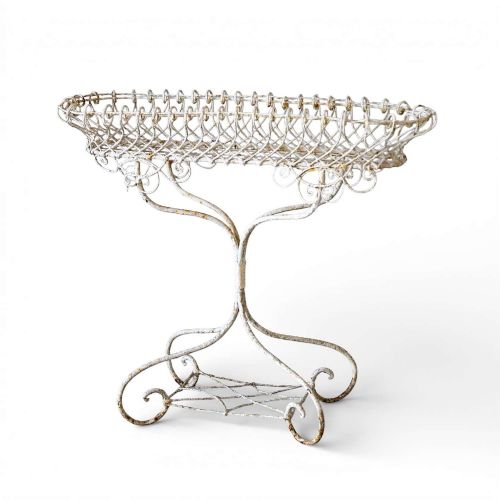
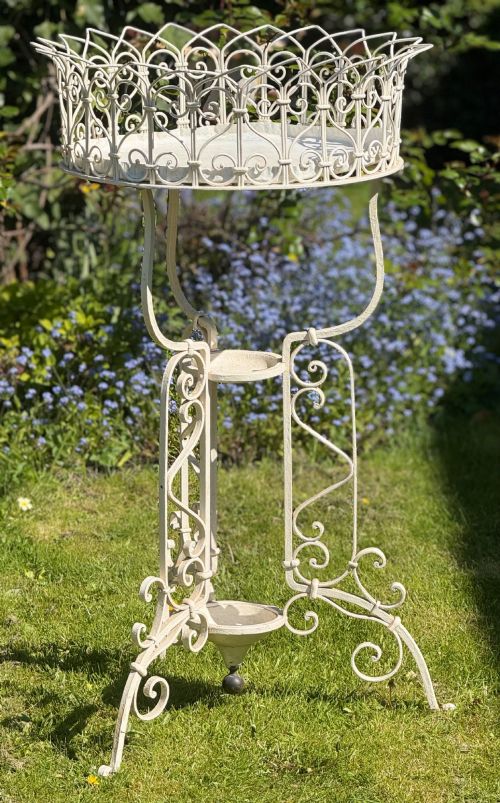
Beyond traditional urns, the selection includes wirework plant stands and occasional utilitarian tin items such as antique hip baths repurposed for the garden. French and English regional styles dominate, encompassing neoclassical motifs and rustic country house aesthetics.
Methods and materials of construction
Makers utilised heavy cast iron poured into moulds to create robust urns featuring classical acanthus leaves, fluting, and figural details. Wrought iron and sheet iron were hand-forged or beaten into strapwork and lattice baskets, offering lighter openwork alternatives to solid castings.
Wirework planters were constructed by skilled artisans bending and twisting wire into tiered frameworks and woven baskets designed to support potted plants. Protective and decorative paint finishes were then applied over the metal surfaces to guard against weathering.
Materials across the listings include cast iron, wrought iron, wirework, sheet iron, and tin, spanning the Georgian, Victorian, and early twentieth century periods.
Distinguishing quality in metal planters
Quality rests in the crispness of the casting detail, where sharply defined acanthus leaves and classical motifs indicate superior foundry work. The thickness and weight of the metal also distinguish finer architectural urns from lighter decorative pieces.
Proportion and design complexity elevate certain examples, such as those featuring unusual strapwork, integrated stands, or balanced pairs. The integrity of the original construction and the character of weathered paint surfaces further separate standard items from exceptional survivals.
Coalbrookdale
The Painted Metal Garden Planter Glossary
- Campagna urn
- A bell-shaped garden vessel with a flared rim, popular in neoclassical designs and frequently cast in iron.
- Jardiniere
- An ornamental pot or stand designed specifically for holding flowering plants or ferns.
- Strapwork
- Flat bands of metal arranged in geometric or interlaced patterns, common in wrought iron construction.
- Wirework
- Garden furniture and planters made from interwoven or bent wire, creating light and airy structures.
- Plinth
- A heavy base or pedestal upon which a garden urn is elevated.
Painted Metal Garden Planter: Frequently Asked Questions
How do I care for a painted metal planter?
Keep the metal clean and dry during winter months where possible, and touch up exposed areas with appropriate paint to prevent corrosion.
Ensure adequate drainage inside the vessel to stop standing water from damaging the interior walls over time.
Are these planters frost proof?
Cast iron and wrought iron are generally robust against cold weather, but trapped wet soil expanding inside a vessel during a freeze can cause cracking.
It is advisable to raise planters slightly off the ground on feet and line them or empty them during severe winter weather.
How do I distinguish wirework from cast iron?
Wirework is constructed from bent and woven wire rods, resulting in a lightweight, open framework designed for tiered displays.
Cast iron is poured into moulds to create heavy, solid walls and sculptural details like classical urns and figures.
Can I leave original paint outdoors?
Original distressed paint carries historical charm but will continue to weather when exposed to permanent moisture and damp soil.
Many owners choose to protect surviving historic finishes by placing inner plastic pots inside the vessels to avoid direct contact with wet earth.