
Victorian Sterling Cutlery
These Victorian sterling cutlery pieces bring nineteenth-century silverwork to the dining table, offering robust construction and traditional patterns for daily use or display.
Victorian Sterling Cutlery
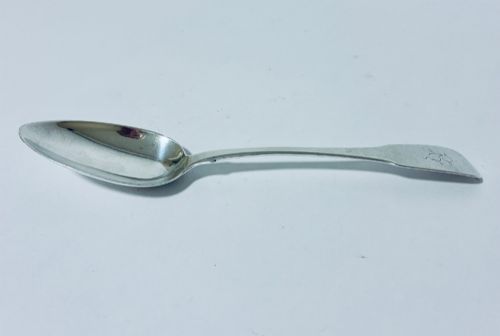
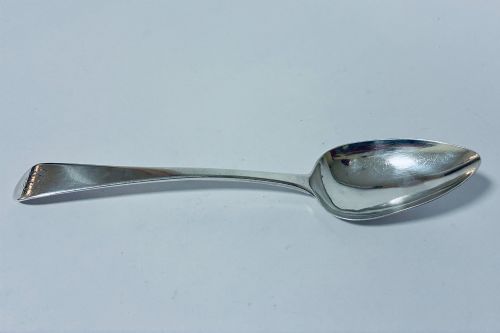
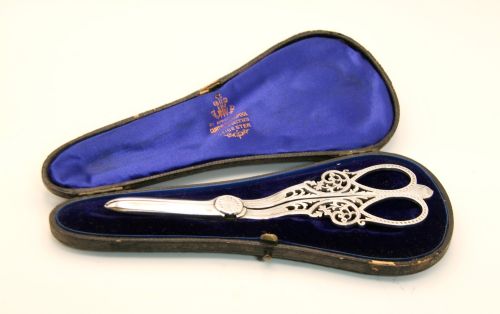
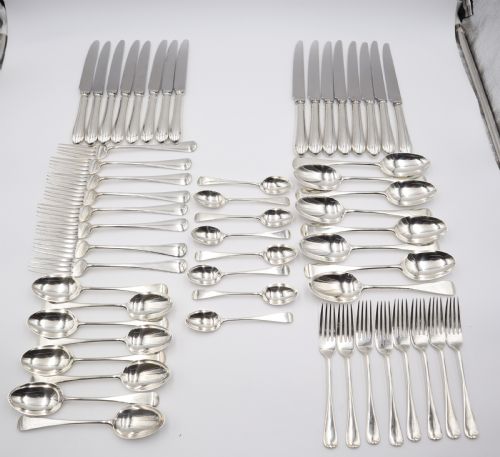
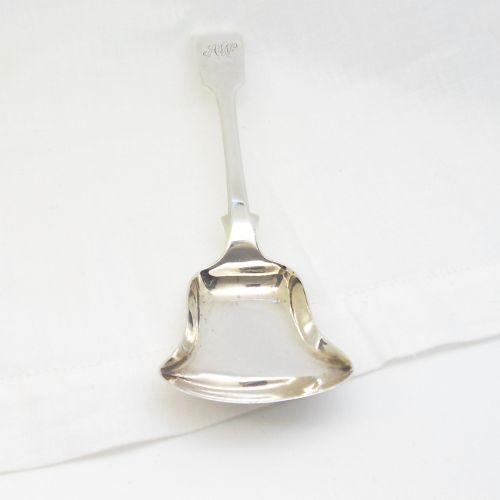
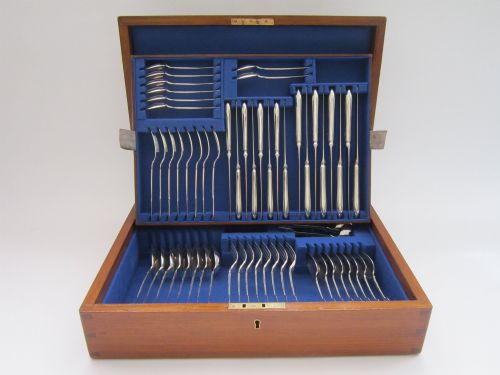
Victorian sterling cutlery spans a wide range of dining implements, from complete canteens down to individual fish servers, berry spoons, and fruit knives. Buyers seeking victorian sterling cutlery will regularly encounter complete canteens in traditional Fiddle or Kings patterns alongside specialised serving pieces like marrow scoops and grape shears.
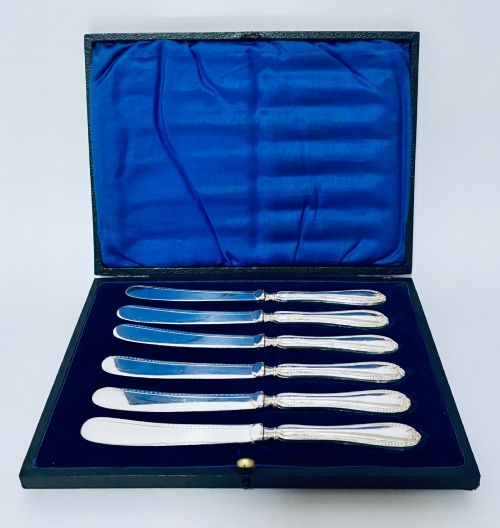
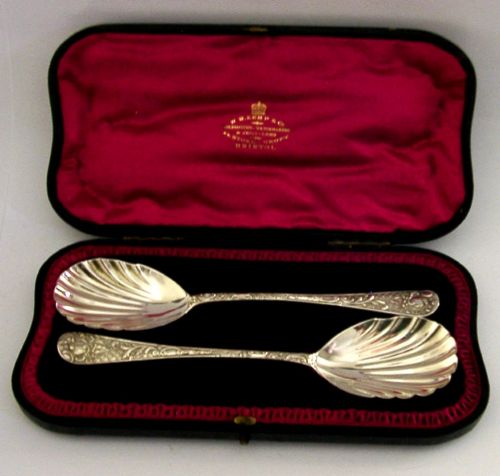
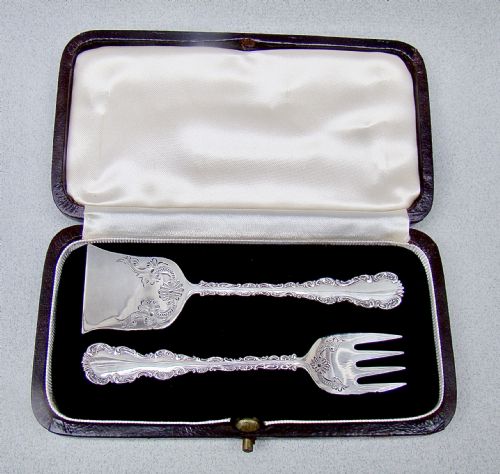
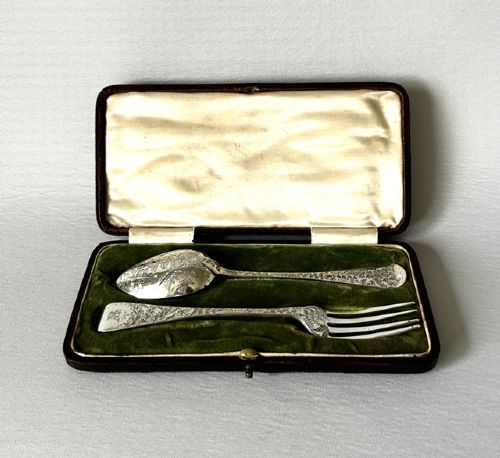
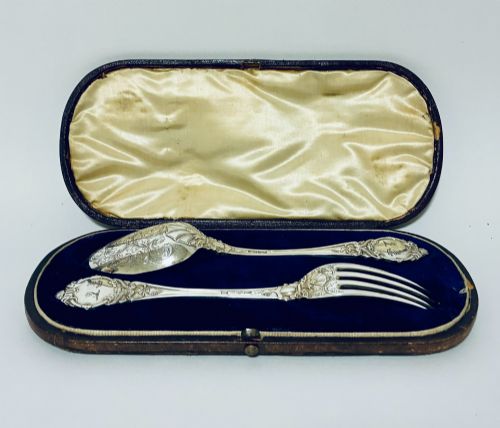
The assortment on offer extends to smaller boxed sets intended for christenings, afternoon tea, or butter service, often lined with velvet or satin within fitted leatherette cases. Individual items such as soup ladles, sugar shovels, and caddy spoons demonstrate the immense variety of silver dining tools produced during the period.
Many examples date from the mid to late nineteenth century, reflecting the industrial capacity and stylistic shifts of the era, from early Victorian restraint through to late Victorian naturalism. Whether sourced as a full set for twelve or a single pair of sardine servers, these pieces carry hallmarks that trace their origins to major English assay offices.
Materials and construction methods
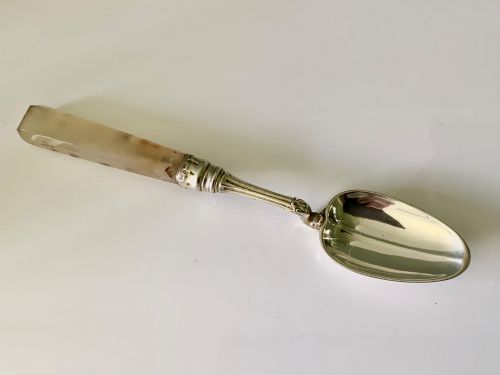
The primary material across these pieces is sterling silver, shaped either by hammering and hand-raising or through nineteenth-century drop-press and casting methods. Handles frequently incorporate organic elements such as mother-of-pearl, stag antler, agate, and specialised steel for functional blades.
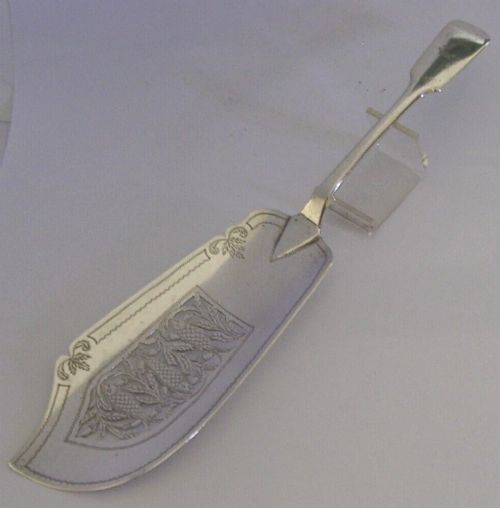
Decorative techniques recorded in the inventory include intricate hand engraving, parcel-gilding, and cast handle elements shaped into floral, scroll, or naturalistic motifs. Fitted storage cases utilise wood frameworks covered in leatherette and lined with silk, velvet, or satin fabrics to protect the metal surfaces.
Listings feature sterling silver, mother-of-pearl, stag antler, and silk-lined cases originating from Victorian and Georgian periods.
Distinguishing quality in silver flatware
Quality in victorian sterling cutlery rests largely on the gauge of the silver and the crispness of the original die-stamping or hand-chasing. Thicker gauge metal resists bending during use, whilst well-preserved hallmarks and sharp pattern relief indicate a piece that has retained its integrity over generations.
The standard of secondary materials matters equally, seen in the polish and matching of mother-of-pearl handle scales or the structural soundness of antler hafts. Canteens and sets that retain their original fitted velvet or silk-lined cases command greater interest due to the preservation of the complete ensemble.
Henry Wilkinson·John Walton·George Unite·Christopher Dresser
The Victorian Sterling Cutlery Glossary
- Hallmark
- Official stamps struck into precious metals indicating the maker, assay office, standard of purity, and date of manufacture. These marks provide the definitive history of each piece.
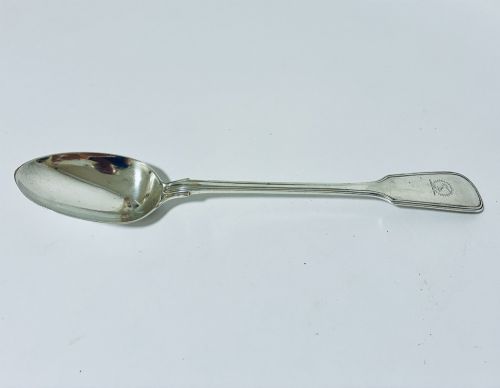
- Fiddle Pattern
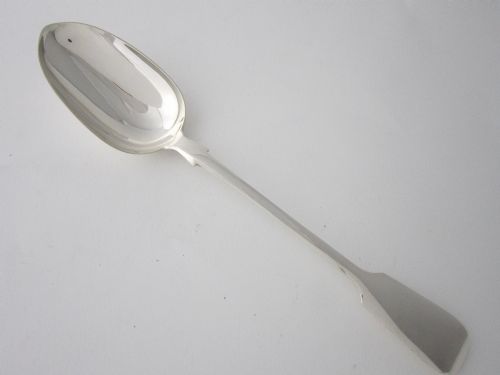
- A traditional nineteenth-century flatware silhouette featuring a shoulder swell on the stem resembling a fiddle. It remains one of the most frequently encountered designs in domestic silver.
- Marrow Scoop
- A double-ended silver utensil designed originally for extracting marrow from bones. The narrow bowls reflect the specific dining habits of Georgian and Victorian households.
- Berry Spoon
- A serving spoon, often dating from the Georgian period and re-engraved or adapted in Victorian times, decorated with raised fruit and leaf chasing. The bowls display elaborate embossed fruit motifs.
- Cutlery Rest
- A small horizontal support placed on the table to keep carving knives and forks from touching the tablecloth between courses. They appear in diverse styles from plain bars to Gothic designs.
Victorian Sterling Cutlery: Frequently Asked Questions
How do I clean antique silver?
Clean silver gently using a specialist micro-abrasive silver polish applied with a soft cloth, rinsing thoroughly in warm water afterwards. Avoid harsh chemical dips that strip away the dark oxidation highlighting engraved details.
Store pieces in dry, tarnish-resistant flannel rolls or original fitted cases lined with velvet or silk. Regular, careful use prevents heavy tarnish build-up by keeping the metal polished through handling.
Can I use these for daily dining?
Sterling silver cutlery is durable enough for regular dining use provided it is washed by hand rather than placed in a mechanical dishwasher. Hand washing protects organic handle materials like mother-of-pearl and stag antler from splitting under high heat.
Acids from certain foods can pit silver surfaces if left unwashed, so rinse items promptly after meals. Using antique pieces daily connects the user directly to the material culture of the nineteenth century.
What is a silver canteen?
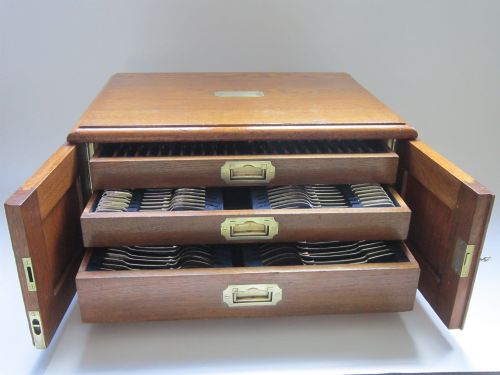
A canteen is a fitted box, chest, or cabinet designed to hold a complete set of matching cutlery and flatware. These containers organise spoons, forks, and knives securely within tiered trays lined with velvet or satin.
Complete canteens were standard household investments for Victorian families hosting large dinners. Finding a canteen with its full complement of pieces intact is a significant advantage for collectors.
How are Victorian date letters read?
Assay office marks and alphabetical date letters stamped into the silver identify the exact year of manufacture. Each assay office, such as Sheffield, Birmingham, or Newcastle, used its own distinct cycle of letter punches.
Matching the specific letter font and shield shape against published assay tables reveals the year the piece was tested and marked. This system allows historians to date items down to a single year.