


Victorian Staffordshire Dog
These Victorian Staffordshire dogs are the quintessential mantelpiece ornaments that bring instant British character and charm to any room.

What they are
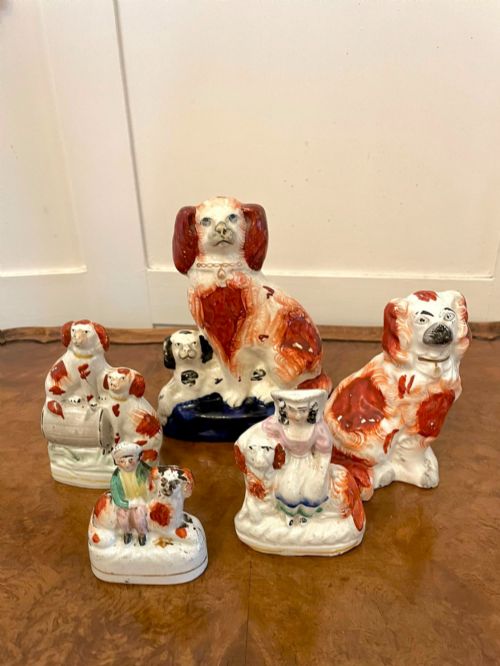
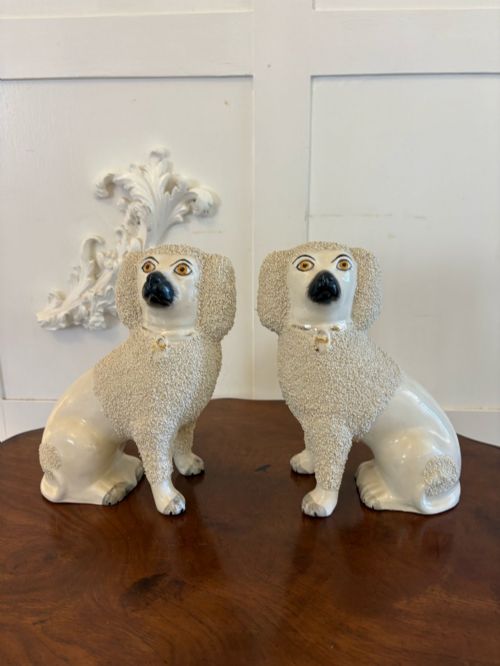
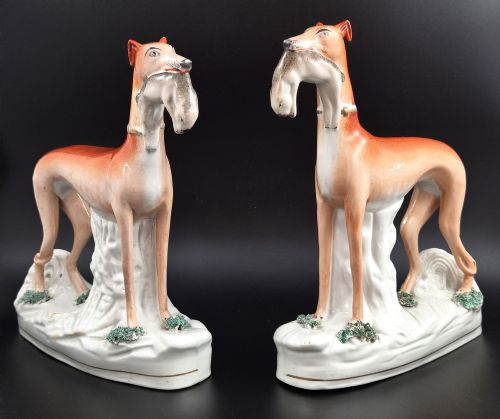
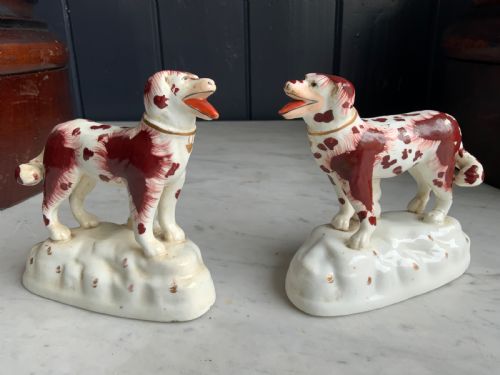
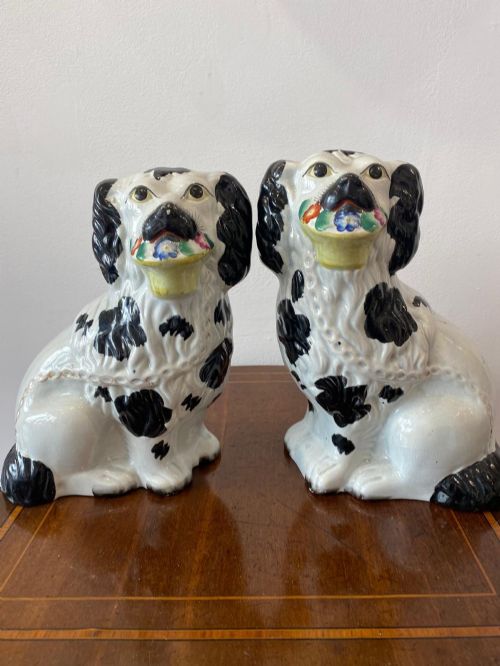
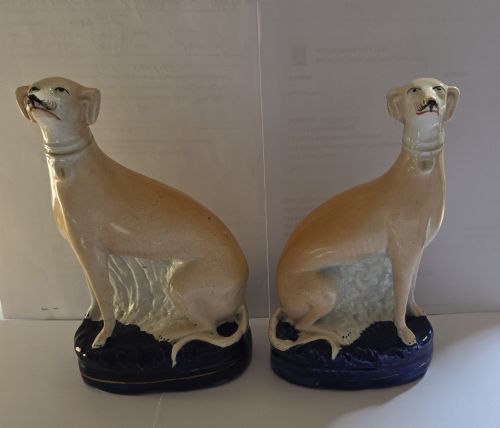
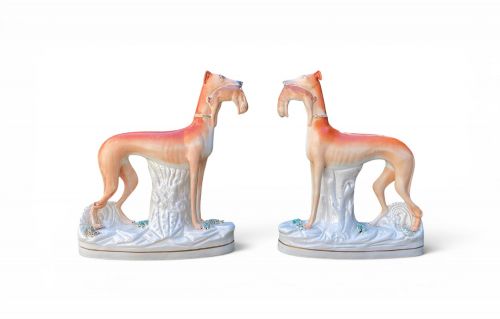
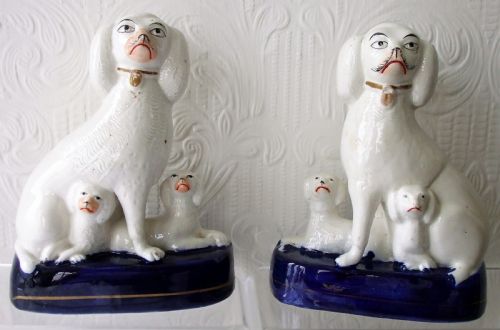
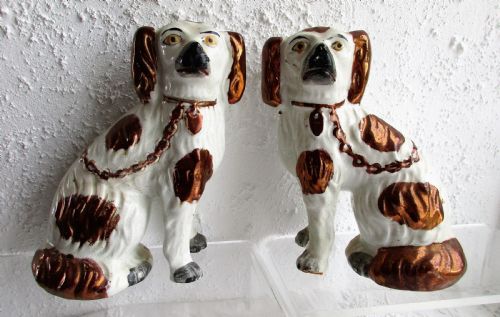
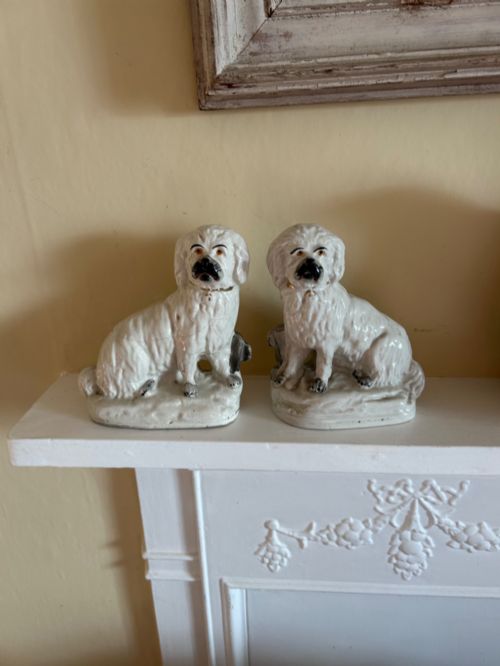
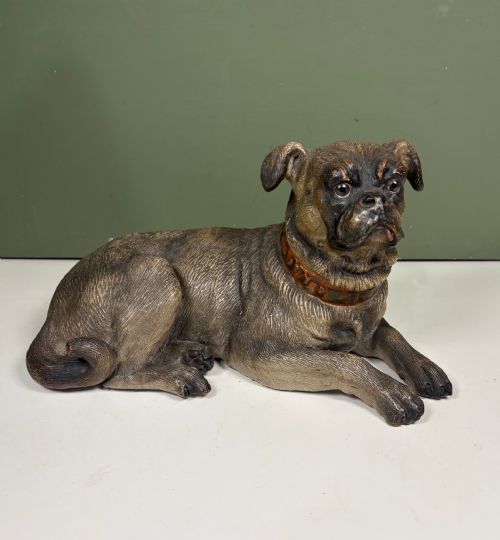
When you search for Victorian Staffordshire dog, you are looking at ceramic figures that once sat proudly upon nineteenth-century fireplace hearths. These decorative objects primarily take the form of spaniels, poodles, dalmatians, and greyhounds, modelled either as single figures or symmetrical pairs.
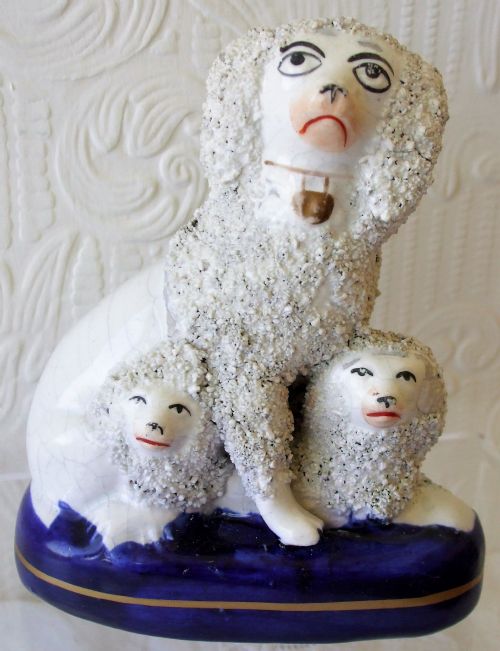
The pieces appearing on this page span the nineteenth century, including specific items from around eighteen sixty and earlier ceramic examples. You will find standard mantel figures alongside more unusual variations such as quill holders, poodles with pups, and dog jugs.
Most examples originate from the Staffordshire potteries and reflect the Victorian domestic interior taste for animal figures. They range from miniature hounds to large comforter spaniels designed to sit on either side of a fireplace.
How they were made
Potters shaped these figures using earthenware, stoneware, and bisque porcelain materials. Many pieces received a smooth glaze or lead glaze finish to seal the clay body.
Retail Price Guide 2026
Typical UK retail prices for victorian staffordshire dog, calculated from the Sellingantiques database of over a million retail prices indexed since 2003. This retail price guide relies exclusively on Sellingantiques data; no external sources or auction records are used, so the figures do not describe the wider market.
This site's listings show nineteenth-century ceramic figures rendered in earthenware, stoneware, and bisque porcelain with enamel and gilt finishes.
What varies in quality
Overall size and completeness also dictate distinction, with large pairs or unusual forms like greyhounds and quill holders commanding greater presence. The crispness of the glaze and the preservation of the enamel and gilt embellishments determine the visual impact of each figure.
The Victorian Staffordshire Dog Glossary
- Earthenware
- A porous pottery body fired at lower temperatures, commonly used for nineteenth-century Staffordshire figures. It requires a glaze to become impermeable to liquids.
- Bisque Porcelain
- Unglazed ceramic material fired to a matte, porous finish. It offers a smooth, white surface texture seen on specific poodle figurines.
- Lead Glaze
- A glossy coating containing lead oxide applied to pottery before a final kiln firing. This finish creates a shiny protective layer over the earthenware body.
- Quill Holder
- A functional desk accessory featuring a modelled dog with an integrated receptacle for writing feathers. These pieces combine utility with decorative figural sculpture.
Frequently Asked Questions
What are Victorian Staffordshire dogs?
They are ceramic animal figures, most commonly spaniels and poodles, produced in the nineteenth century for domestic display.
Potters made them in pairs to sit symmetrically on mantelpieces across British homes.
Why were they called Wally dogs?
Wally dogs is a traditional Scottish term for the ceramic spaniels that sat on mantelpieces. The name comes from 'wally', an old word for porcelain or earthenware.
People placed them on fireplaces to signal whether the man of the house was at home.
How do I display them at home?
The traditional method is placing a matching pair on either side of a fireplace mantelpiece. They also suit bookshelves, sideboards, and occasional tables where their colourful enamel details stand out.
Keep them away from direct heat sources and edge locations to protect the ceramic glaze.
How do I tell different dog breeds apart?
Spaniels typically feature floppy ears, patch markings, and a seated posture with a chain and locket painted on the chest. Poodles often display textured fur effects like confetti clay or gravelware.
Greyhounds appear in slender, standing or seated forms, while dalmatians show distinct spots across white ceramic bodies.