

Victorian Sporting Painting
A victorian sporting painting captures the vigour of the nineteenth-century field, bringing the heritage of hounds, horses and game directly into your home.
Victorian Sporting Painting
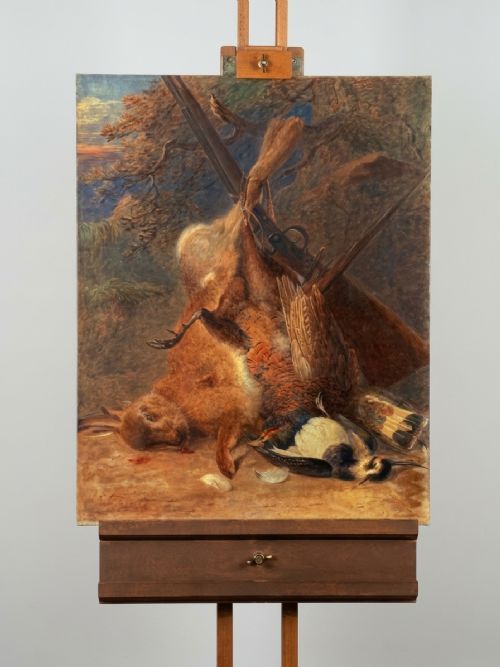
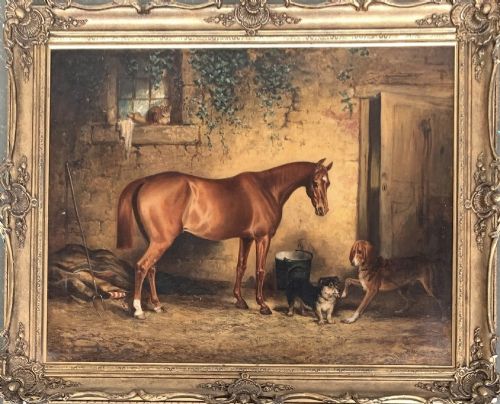
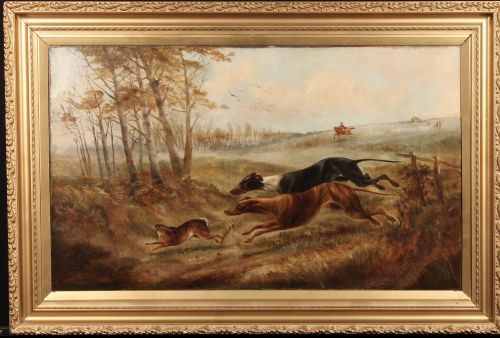
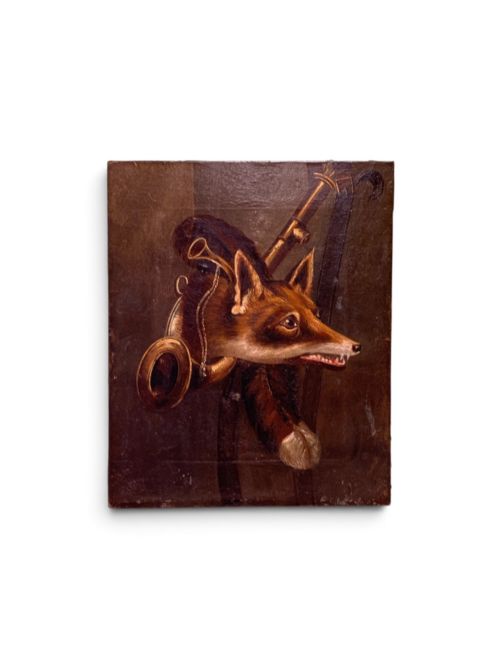
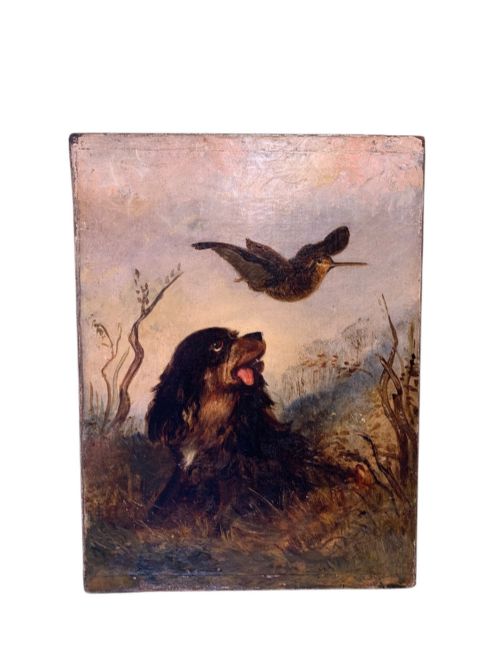
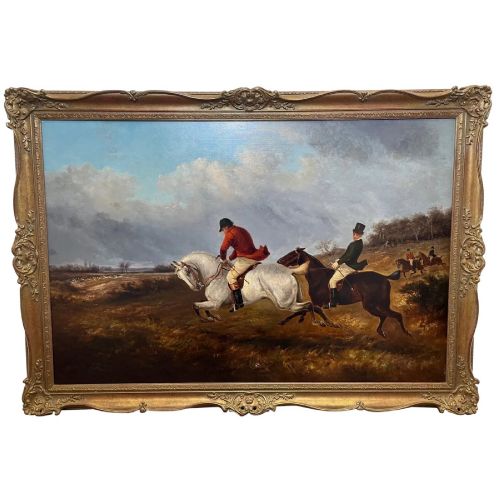
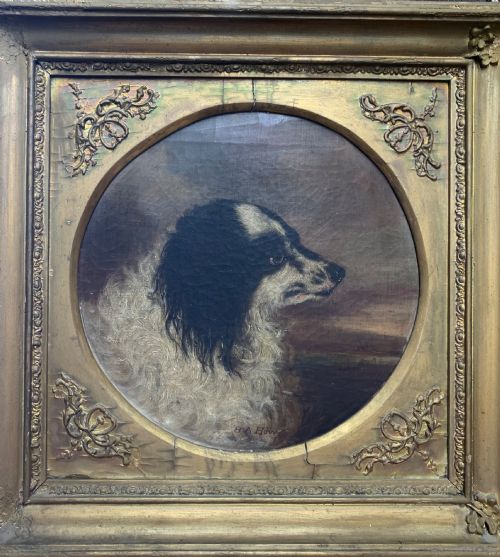
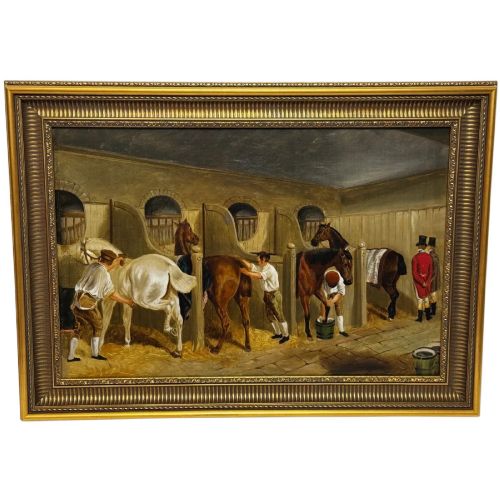
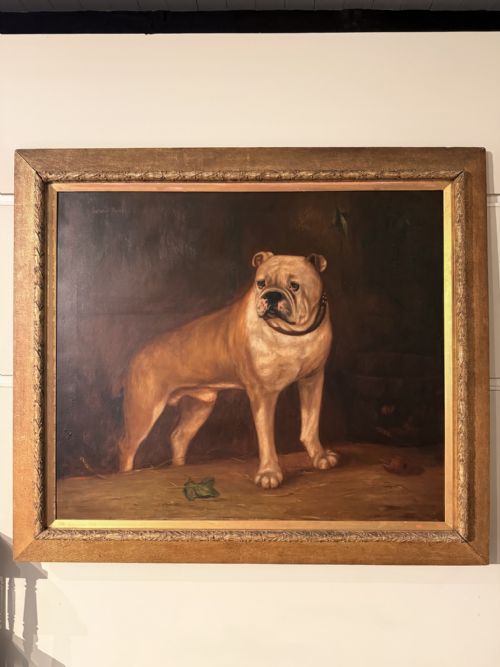
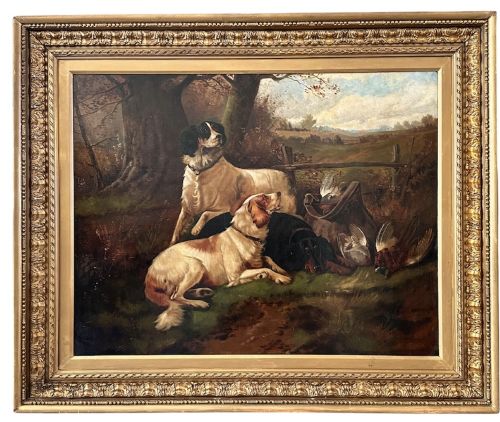
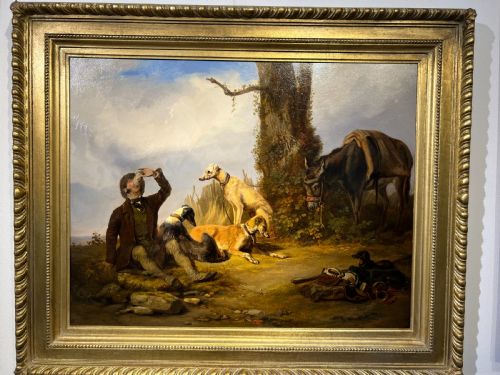
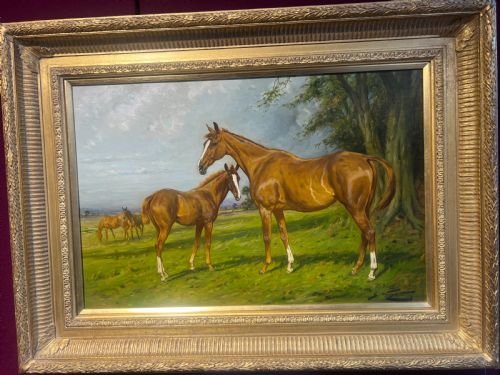
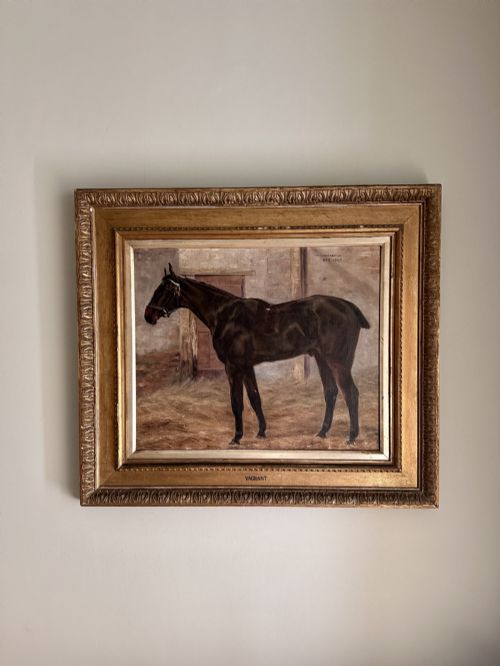
A victorian sporting painting portrays the pursuits of the countryside, focusing predominantly on horses, gun dogs, hunting scenes and game. The pieces on this page span the nineteenth century, encompassing rural folk traditions as well as formal equine and canine portraits.
Buyers encounter oil paintings on canvas and wood panels, alongside occasional watercolours and painted prints. These works reflect an era deeply invested in country sports, agricultural pride and the companionship of animals.
Subjects range from individual racehorses and prized hounds to expansive fox hunting scenes and quiet still lifes of game. Each piece documents a specific facet of nineteenth-century rural life and leisure.
Assessing quality and execution
Quality in a victorian sporting painting rests upon the artist ability to render animal anatomy with conviction and psychological depth. Superior works capture the precise conformation of a hunter or the alert posture of a pointer rather than relying on generic animal forms.
The treatment of the surrounding landscape and light distinguishes accomplished hands from standard studio production. Finer canvases display sophisticated brushwork in the rendering of weather, stable interiors and the textures of hair and foliage.
Even racing pigeons make an appearance alongside thoroughbreds and terriers in the nineteenth-century sporting record.
Henry Barraud·George Armfield·Sir Edwin Henry Landseer·John Ferneley Senior·John Frederick Herring Senior·Basil Nightingale·William Barraud
The Victorian Sporting Painting Glossary
- Canvas
- A heavy woven fabric stretched across a wooden frame to serve as a primary support for oil paintings. It provides a flexible yet durable surface that accommodates varied brushwork.
- Giltwood
- Wood carved and coated with a thin layer of gold leaf or metallic gilt paint. This material is standard for period frames designed to complement nineteenth-century fine art.
- Equine portrait
- A specialised painting dedicated to the likeness of a specific horse, often a famous racehorse or hunter. These works frequently record the name of the animal and its notable achievements.
- Hare coursing
- A traditional countryside pursuit involving hounds chasing hares by sight, frequently recorded by period artists. Paintings depicting this activity highlight the speed and agility of the dogs.
- Bodycolour
- An opaque watercolour medium, sometimes called gouache, used to create solid areas of colour and sharp detail. It appears in works requiring botanical or anatomical precision.
Victorian Sporting Painting: Frequently Asked Questions
What subjects appear most often?
The subjects focus heavily on horses, gun dogs, hunting packs and game such as hares and foxes. Artists recorded these animals either in structured portraits or amid expansive rural landscapes.
Such imagery reflects the central role that field sports and prize livestock held in nineteenth-century society. Commissioned works often celebrated specific race winners or favoured family pets.
How do I identify the period?
Period identification relies on stylistic cues, framing methods and canvas stamps from nineteenth-century art suppliers. Clothing styles and architectural details in the background landscapes also offer chronological markers.
Many works bear signatures, dates or inscriptions on the reverse identifying the sitter, horse or artist. Examining the stretcher frames and canvas types helps confirm nineteenth-century manufacture.
Where were these paintings displayed?
Original owners typically hung these works in the reception rooms, libraries or hallways of country estates and town residences. They served as declarations of sporting prowess, land ownership and agricultural interests.
Today, these pieces transition easily into domestic interiors, bringing traditional character to studies, living rooms and hallways. Their rich tones complement both period properties and contemporary spaces.
Are frames original to the pieces?
Frames vary, with some retaining their original nineteenth-century giltwood settings while others have been reframed later. Original frames often display shrinkage cracks, minor losses to the gesso and traditional corner construction.
Evaluating the frame involves looking at the rebate and backing boards for signs of age that match the canvas. A period-appropriate gilt frame enhances the visual weight and historical integrity of the painting.