


Victorian Silver Walking Stick
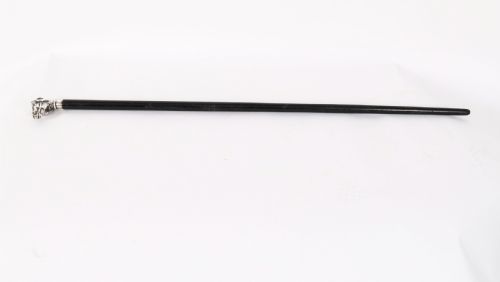
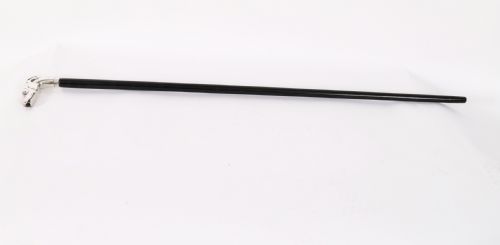
A victorian silver walking stick balances utility and status, combining ornate metal handles with shafts of wood or cane.
Victorian Silver Walking Stick
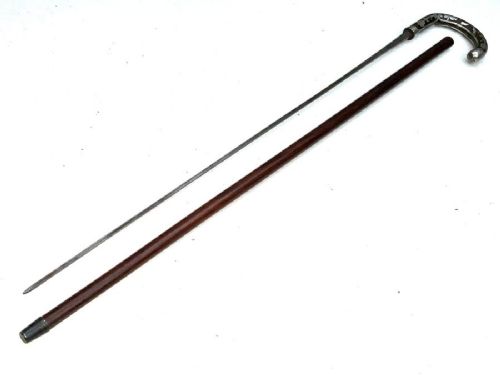
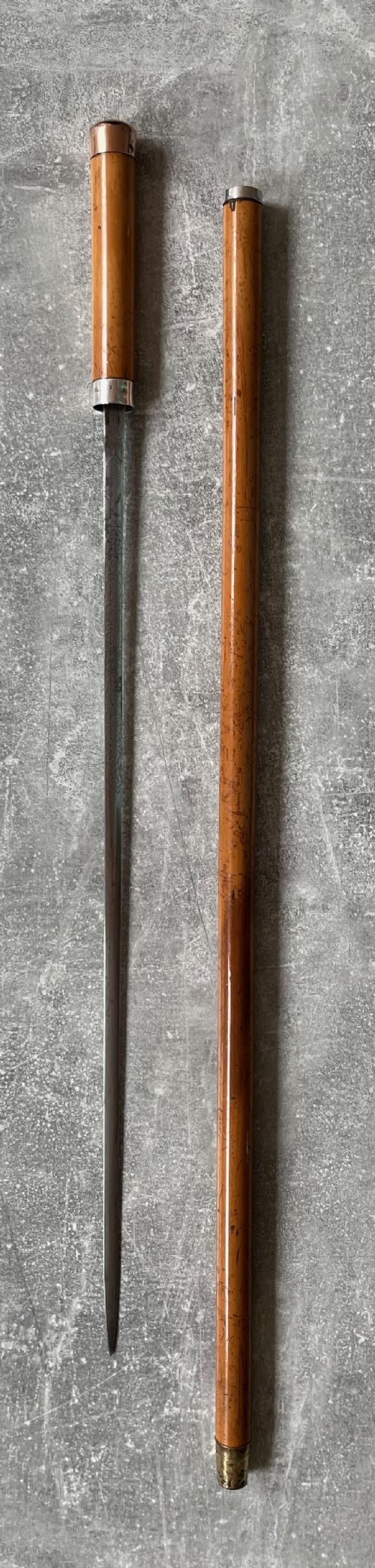
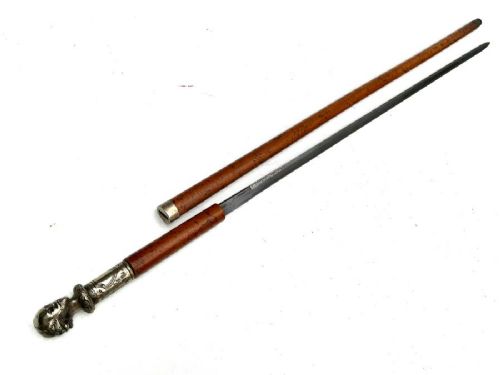
A victorian silver walking stick encompasses standard gentleman's walking canes, umbrella stands, and specialised gadget sticks housing concealed blades, watch faces, snuff boxes, or corkscrews. The phrase also includes continental and regional pieces from Chinese Export to Imperial Russian workshops.
Most examples found on this page date from the nineteenth century through the Edwardian period, often featuring shaped metal handles paired with organic shafts.
Makers and retailers range from renowned firms like Brigg and Wang Hing to military officers and colonial travellers.
Materials and Construction
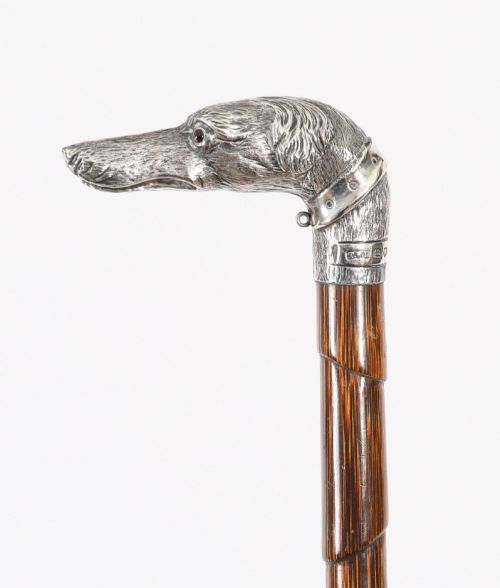
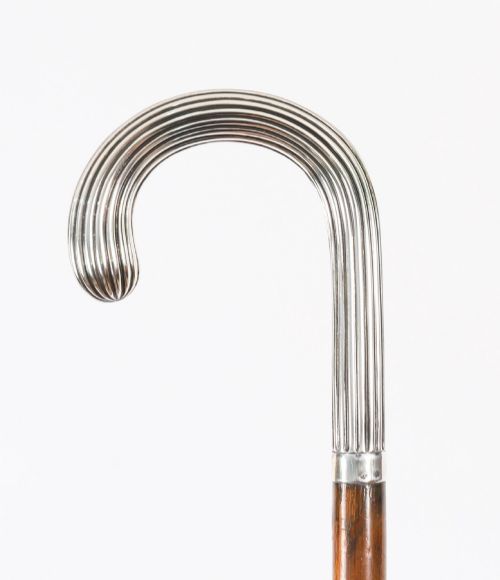
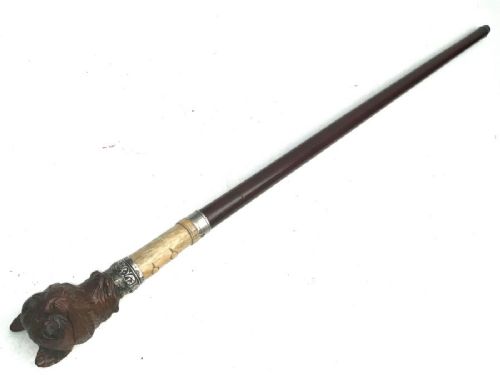
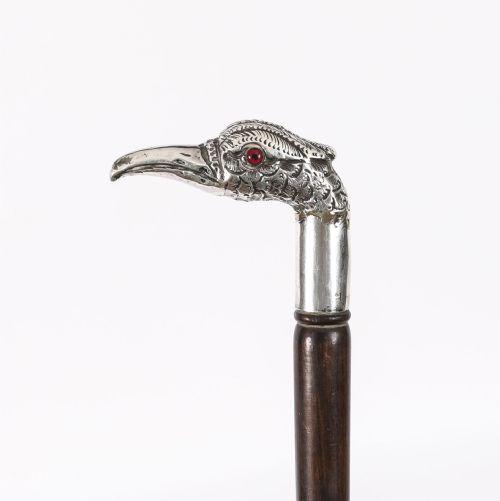
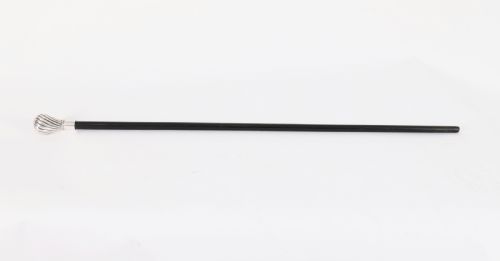
Handles are shaped from solid silver, silver plate, or metal alloy, frequently cast and chased to form animal heads, floral motifs, or novelty shapes.
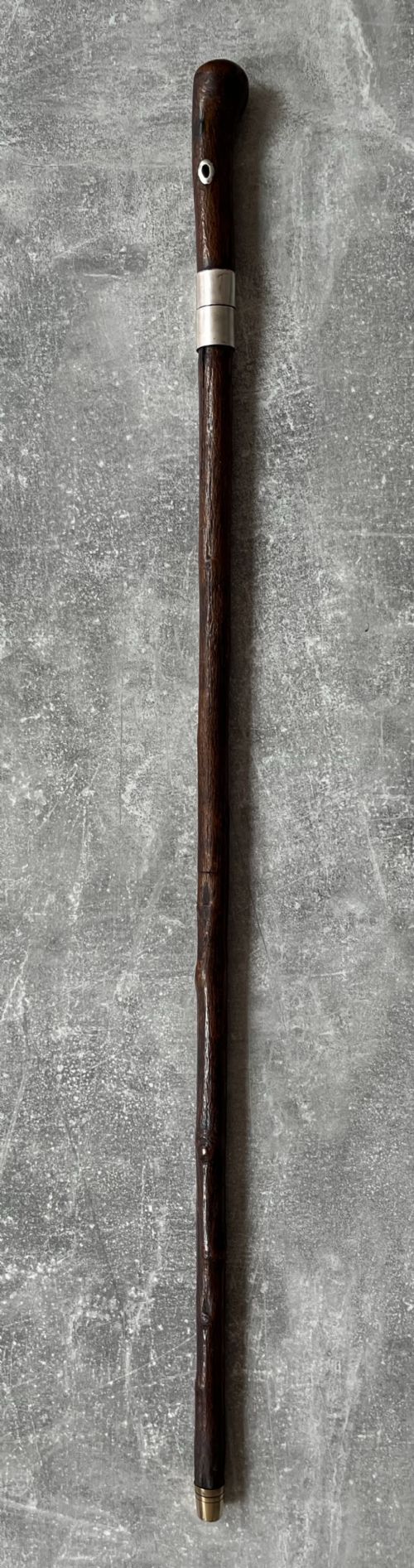
Shafts rely on dense natural materials including malacca cane, ebonised wood, hazel, bamboo, snakewood, and palm wood, sometimes reinforced with brass collars or horn tips.
Bladed variants incorporate steel blades from makers such as Wilkinson or Toledo, fitted securely into the wooden shafts.
Listings feature 19th-century and Edwardian pieces combining silver with malacca, ebonised wood, horn, and steel.
Quality and Craftsmanship
Superior examples display crisp, deep chasing on the silver handle and a secure, flush fit between the metal mount and the wooden shaft.
The choice and preparation of the shaft material dictate overall balance and durability, with select malacca and exotic hardwoods marking the upper tier of production.
Concealed mechanisms in sword sticks and gadget canes operate with precision, maintaining structural integrity while housing functional compartments or blades.
Brigg·Wang Hing & Company·Henry Borlase Stevens·Wilkinson
The Victorian Silver Walking Stick Glossary
- Knop
- A rounded handle or pommel mounted at the top of a stick. It provides a comfortable grip for the hand.
- Malacca cane
- A mottled brown rattan stem harvested in Southeast Asia. It is valued for its strength and resilience as a walking stick shaft.
- Hallmark
- An official stamp applied to precious metals indicating purity, maker, and assay office. English pieces often bear date letters for specific Victorian years.
- Sword stick
- A walking cane fitted with a concealed internal blade. It locks securely into the wooden scabbard shaft until released.
- Chasing
- A metalsmithing technique where metal is hammered from the front to sink the surface and create raised decorative patterns.
Victorian Silver Walking Stick: Frequently Asked Questions
How do I identify a Victorian piece?
Identification relies on a combination of assay hallmarks, material choices, and stylistic cues. English silver mounts frequently display monarch stamps and specific year date letters.
Common Victorian materials paired with these silver handles include ebonised wood, malacca cane, and horn.
Were these sticks used as weapons?
Many sticks house high-quality steel blades intended for personal defence during the nineteenth century. Military officers, gentlemen, and travellers frequently carried these dual-purpose items.
The steel blades often bear the marks of respected cutlers like Wilkinson.
What woods were used for shafts?
Shafts were fashioned from a variety of strong timbers and natural canes suited to daily walking. Malacca, hazel, bamboo, snakewood, and ebonised wood appear frequently.
Each wood offers specific weight and flexibility characteristics, complemented by metal collars and horn tips.