


Victorian Silver Serving Spoons
Victorian silver serving spoons combine nineteenth-century weight and domestic utility, offering buyers substantial table flatware shaped for formal dining and festive presentation.
Victorian Silver Serving Spoons
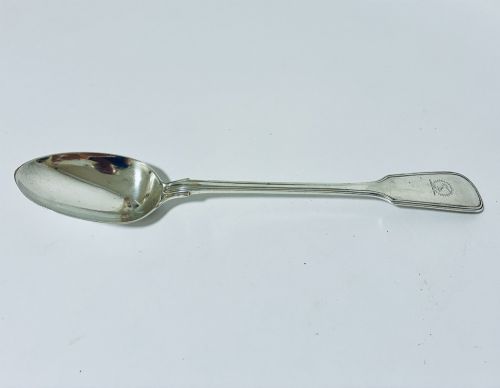
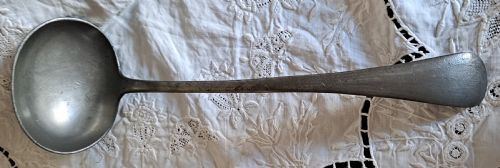
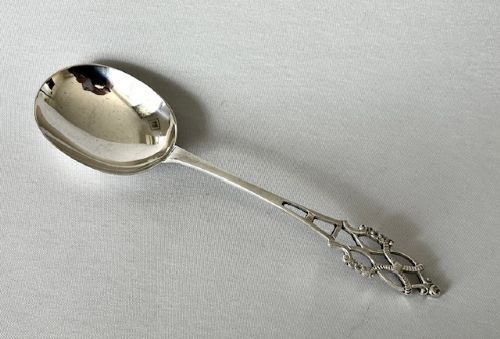
Victorian silver serving spoons encompass large flatware items produced during the nineteenth century for table service, including basting spoons, berry spoons, gravy spoons, and specific fruit or preserve sets.
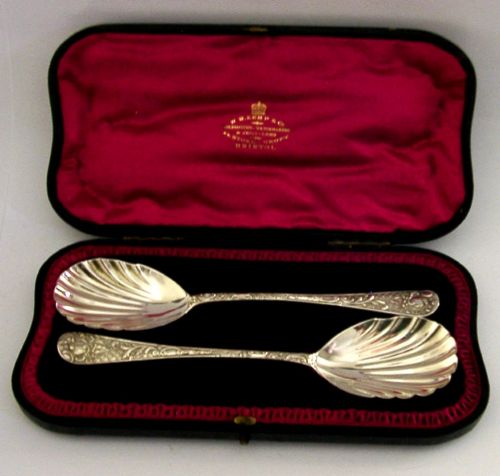
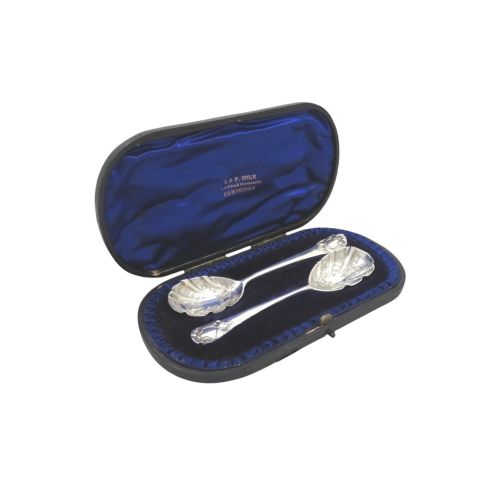
Buyers browsing this selection frequently encounter cased pairs and individual utensils bearing heavy sterling silver construction, distinct patterns like Fiddle or Queen's, and occasional silver plate finishes.
These items originate primarily from British workshops and makers of the Victorian period, reflecting the formal dining customs and extensive household silver canteens of the era.
How they were made
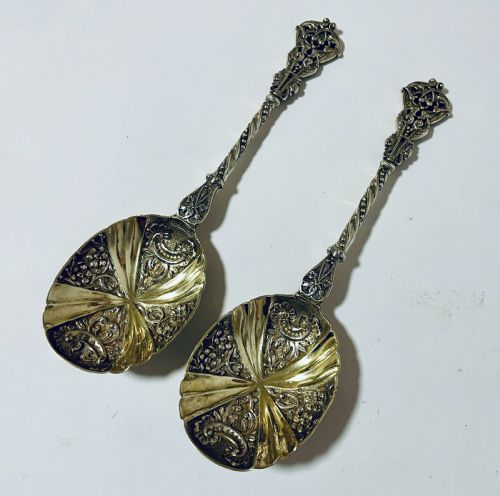
Silversmiths utilised solid sterling silver and silver plate, frequently applying silver-gilt finishes to bowl interiors or entire surfaces to create contrasting decorative effects.
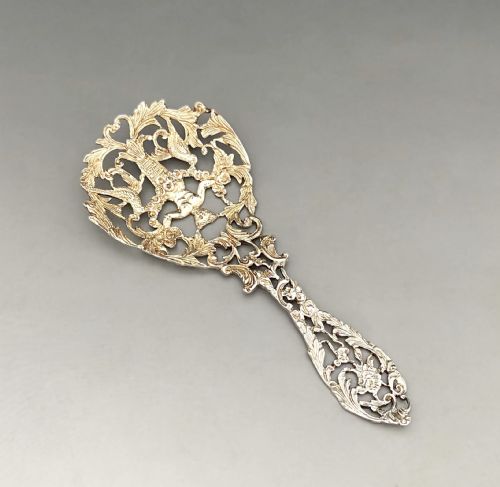
Manufacturing techniques combined traditional casting and hammering with detailed hand-engraving, piercing, and specialised handle attachment methods such as naturalistic leaf and floral designs.
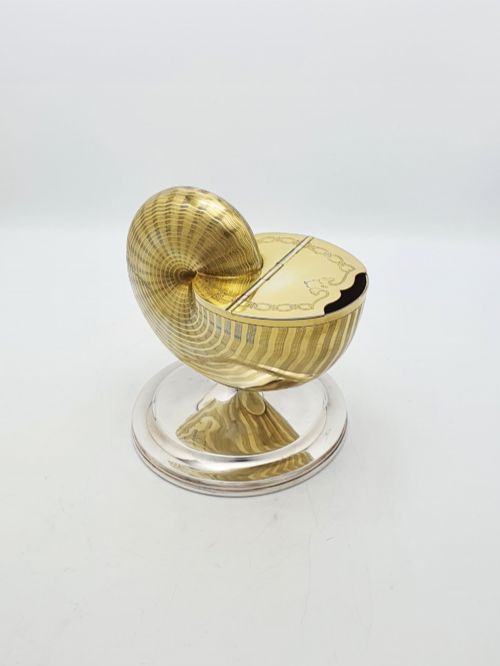
Marine buoy spoon warmers ensure nineteenth-century butter boats stay delightfully fluid.
What varies in quality
The density of the metal and the overall weight of the piece determine its tactile substance, separating heavy table utensils from lighter domestic variants.
Execution of decorative detail dictates the refinement of the object, distinguishing crisply cast and deeply engraved ornamentation from simpler, machine-finished patterns.
John Yates·William Comyns·Mary Chawner·Sebastian Crespell·Hukin & Heath·Walter & John Barnard
The Victorian Silver Serving Spoons Glossary
- Sterling silver
- An alloy containing 92.5 percent pure silver and 7.5 percent other metals, primarily copper, ensuring durability for functional tableware.
- Berry spoon
- A large serving spoon featuring fruit and foliage motifs chased or engraved into the bowl, typically produced during the Victorian era for dessert service.
- Fiddle pattern
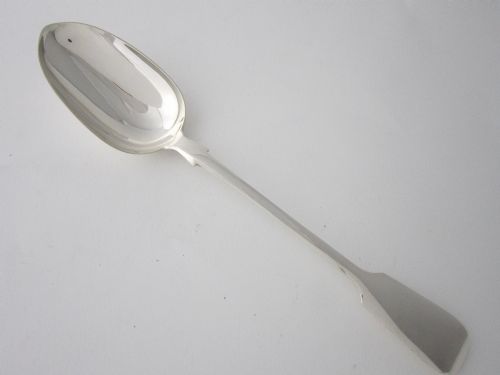
- A flatware handle shape characterised by a narrow stem widening toward a squared, shoulders-and-crest terminal resembling a stringed instrument.
- Silver-gilt
- A layer of gold applied to the surface of a silver object through chemical or electrolytic processes, providing a rich, golden interior to spoon bowls.
- Basting spoon
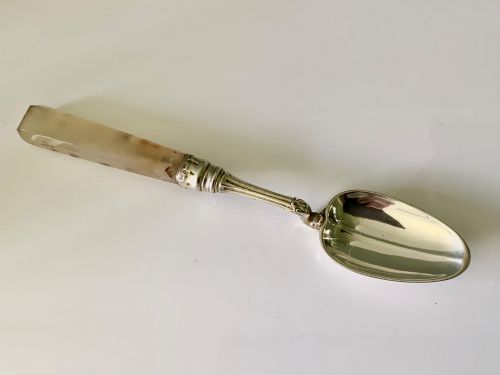
- An elongated nineteenth-century utensil originally designed for moistening roasting meats with pan juices, later adapted for general table service.
Victorian Silver Serving Spoons: Frequently Asked Questions
How do I clean antique silver spoons?
Wash silver utensils gently in warm water using mild soap, avoiding harsh abrasive cloths that damage historic surfaces.
Dry thoroughly with a soft lint-free cloth to maintain the natural lustre of nineteenth-century metal.
Are these spoons suitable for daily use?
Solid sterling silver serving spoons possess robust construction that accommodates occasional modern dining use.
Cased sets and fragile silver-gilt or engraved pieces are often preserved primarily for display or special occasions.
What is the difference between a basting spoon and a serving spoon?
Basting spoons feature longer shafts designed for kitchen or roasting tasks, whereas serving spoons concentrate on table presentation.
Victorian makers frequently repurposed these larger flatware forms interchangeably within formal dining canteens.
How can I identify a Victorian silver spoon?
Examine the piece for British hallmarks indicating the assay office, standard mark, and date letter corresponding to the nineteenth century.
Stylistic cues such as heavy cast floral motifs and fiddle handles further confirm the period of manufacture.