


Victorian Silver Plated Jug
A victorian silver plated jug brings table service from the nineteenth century into modern rooms through bright metal and glass.
Victorian Silver Plated Jug
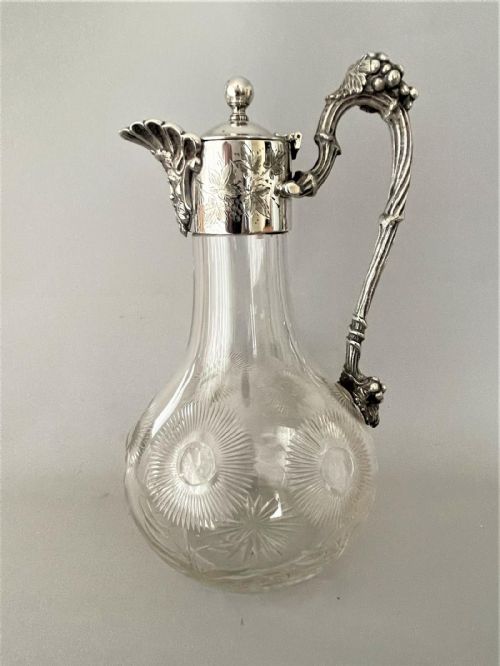
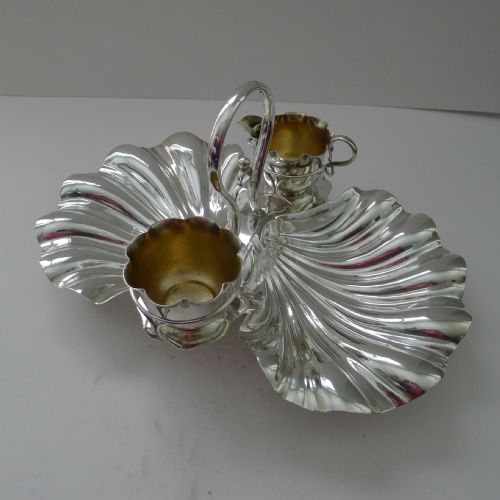
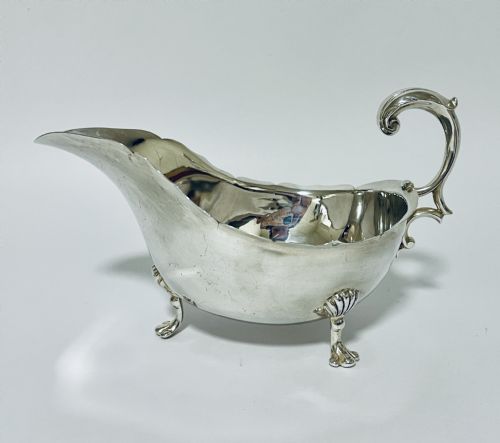
A victorian silver plated jug encompasses formal dining vessels designed for serving wine, water, and cream during the nineteenth and early twentieth centuries. These pieces appear primarily as claret jugs, water ewers, and lemonade pitchers that combine metal mounts with glass bodies.
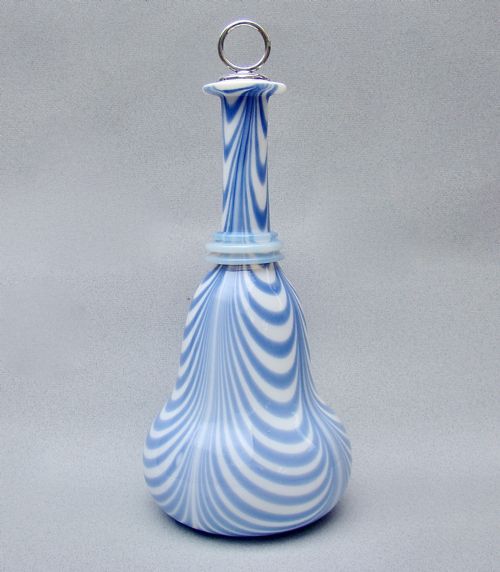
The selections span the Victorian, Edwardian, and late nineteenth-century periods, showcasing forms from classical revival ewers to geometric vessels. Most examples marry silver plate with heavy cut crystal, etched glass, or coloured glass bodies.
Makers utilised electroplating techniques alongside traditional Old Sheffield plating methods to coat base metals such as nickel silver. Surviving pieces frequently display handles fashioned as stylised fauna, mythical beasts, or organic plant stems.
How They Were Made
Silversmiths constructed mounts using electroplated nickel silver or old Sheffield plate, applying thin layers of silver over base metal foundations. Glass bodies arrived via cutting, blowing, or moulding processes, incorporating deep flutes, star-cut bases, and etched floral motifs.
Handles and hinged lids underwent casting and chasing, yielding detailed animal finials, grapevines, and scrolling foliage. Artisans secured these metal mounts directly to the glass necks using cork stoppers, collars, and threaded collars.
Object forms range from traditional claret jugs and wine ewers to tea and coffee sets, lemonade pitchers, and spirit kettles.
What Varies in Quality
Design attribution to known workshops, retailers, or specific designers like Dr Christopher Dresser elevates certain examples above standard production pieces. The crispness of chased details on the mounts, such as cast animal handles or deep grape clusters, distinguishes finer work from simpler utilitarian vessels.
The weight and clarity of the glass body, alongside the depth of hand-cut facets or etching, dictates the overall calibre of the item. Retaining original mercury gilding inside the mouth or maintaining a thick, unbroken silver plate across the high-relief mounts indicates superior preservation.
Daniel Arter·Walker and Hall·Padley Parkin and Staniforth·Henry Bourne·Mappin and Webb·Elkington and Co·Hukin and Heath·John Northwood·Martin Hall and Co·William Hutton and Co·Benetfink and Co
The Victorian Silver Plated Jug Glossary
- Electroplated Nickel Silver
- A base alloy of copper, nickel, and zinc coated with a layer of pure silver via an electrical current. This technique became widespread after the mid nineteenth century for tableware.
- Old Sheffield Plate
- A composite material made by fusing a thin sheet of silver to a thicker copper ingot before rolling them into sheets. This earlier method preceded modern electroplating.
- Claret Jug
- A specialised pouring vessel designed specifically for serving red wine at the dining table. These typically feature glass bodies fitted with hinged silver-plated lids and spouts.
- Ewer
- A large, ornate jug with a wide spout and looped handle, historically used for water or wine service. Victorian examples often adopt neoclassical or revivalist silhouettes.
- Ice Tube
- A central metal cylinder descending from the lid into the jug's interior to chill beverages without diluting them. These cylinders are frequently removable for easy cleaning.
Victorian Silver Plated Jug: Frequently Asked Questions
What were claret jugs used for?
These vessels served red wine from larger decanters or casks directly at the dining table during formal meals.
The hinged lid kept the wine covered between pours while allowing the host to dispense the liquid smoothly through the cast spout.
How do I clean a silver plated jug?
Wash the piece gently in warm water using a mild, non-abrasive detergent and a soft sponge.
Avoid submerging glass-and-metal vessels for extended periods to protect the internal mounting cement and prevent tarnishing the silver plate.
Are these jugs safe for daily use?
Most antique serving vessels remain fully functional for holding water, lemonade, or wine during modern gatherings.
Careful handling ensures the historic silver plate and cut glass bodies stay protected from knocks and harsh chemicals.
How can I tell the period of a jug?
Stylistic clues such as Aesthetic Movement geometry, heavy Victorian rococo revival chasing, or cleaner Edwardian lines point to distinct eras of manufacture.
Maker marks stamped onto the metal mounts help link individual pieces to specific decades of production.