



Victorian Silver Plated Bowl
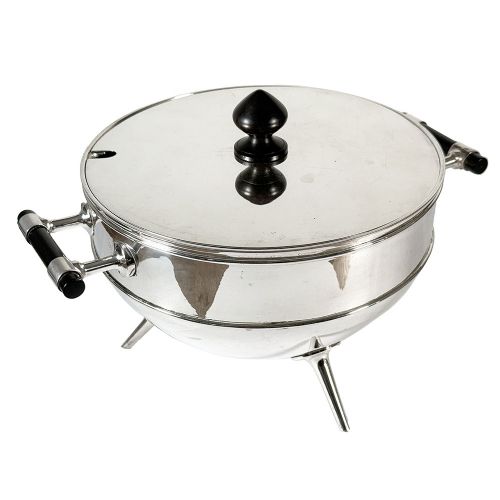
A victorian silver plated bowl brings domestic elegance to the table, combining durable metalwork with coloured glass or ceramic liners for display and serving.
Victorian Silver Plated Bowl
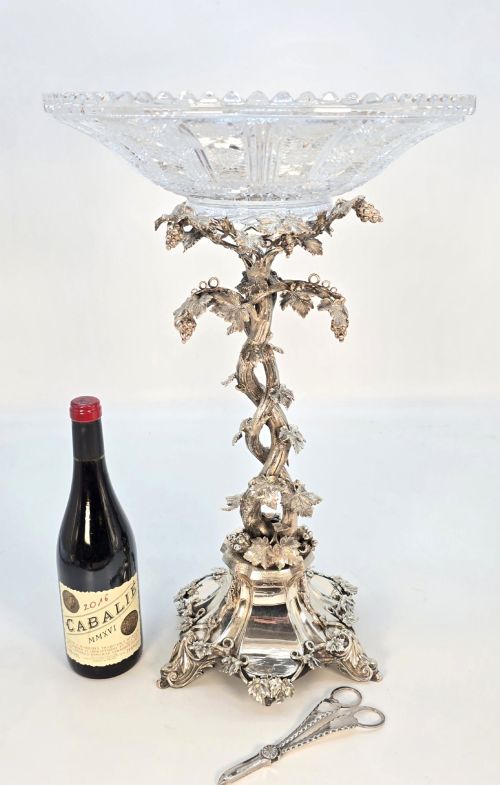
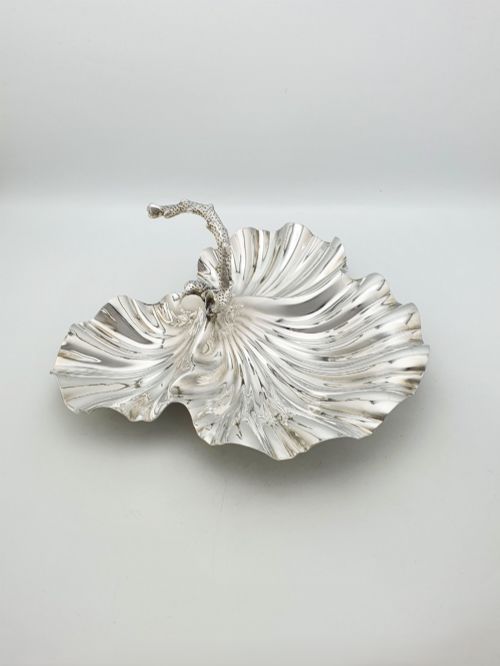
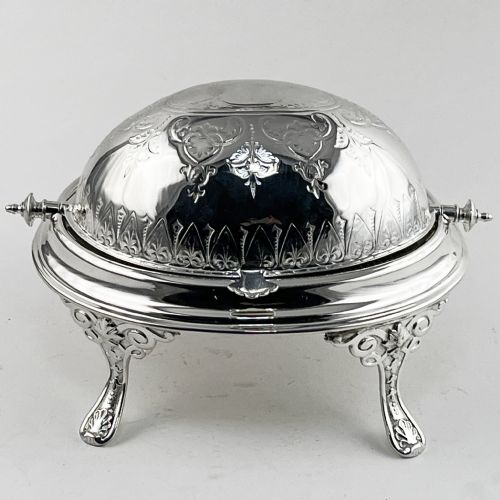
A victorian silver plated bowl encompasses a wide array of serveware, fruit baskets, centrepieces, and preserve dishes designed for dining tables and sideboards. These items emerged primarily during the nineteenth century, spanning periods from the 1850s through to Edwardian interpretations around 1905.
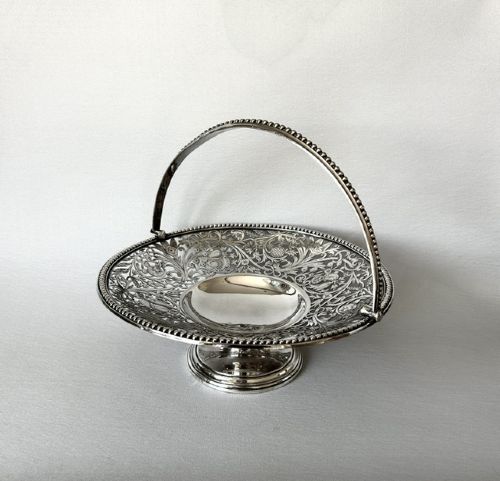
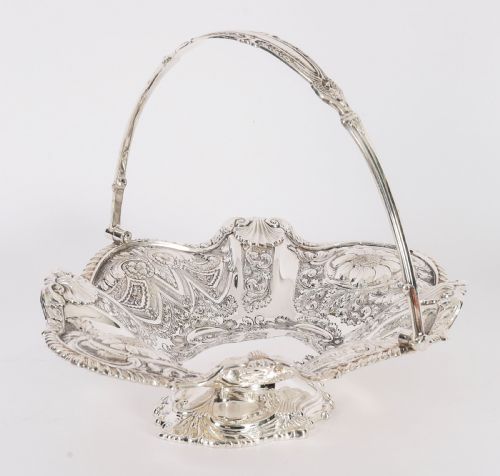
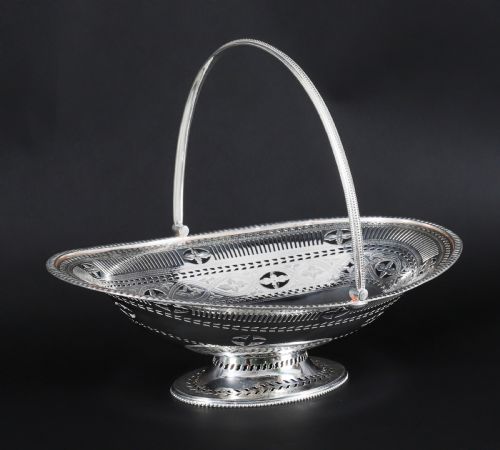
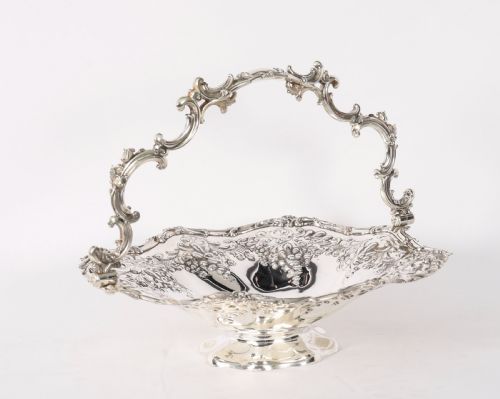
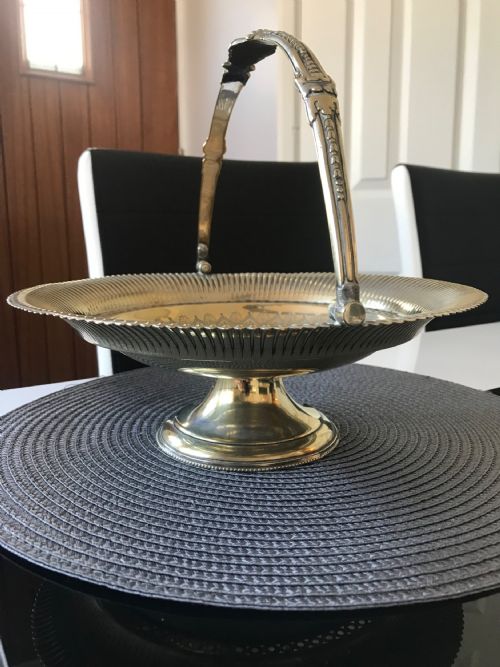
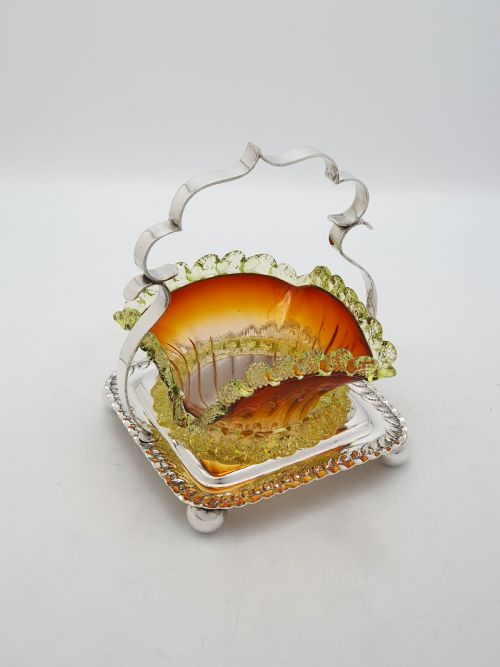
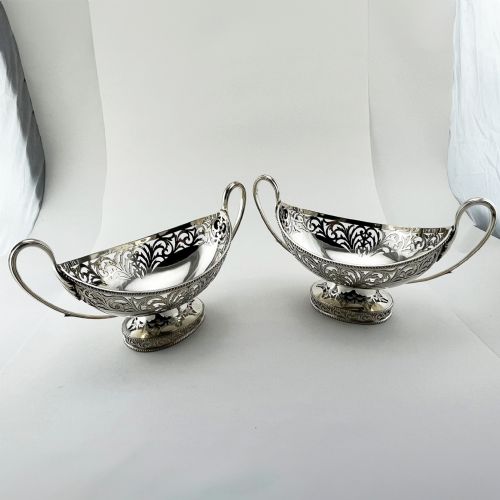
The most common forms met on this page include pierced fruit baskets with swing handles, large punch bowls, and table centrepieces that incorporate glass inserts. Buyers frequently encounter combination pieces featuring cut glass, cranberry glass, or green vaseline glass housed within silver plated metal frames.
Makers and workshops across Britain and continental Europe produced these vessels in styles ranging from Neoclassical and Rococo Revival to Aesthetic Movement and Art Nouveau. Functional serving dishes and salad bowls paired with carved oak or majolica further expand the domestic repertoire found in these listings.
Materials and Technique
The underlying metal of these pieces is typically electroplated nickel silver or copper, utilising an electrolytic process developed in the nineteenth century to deposit a thin layer of silver onto a base metal. This technique allowed manufacturers to create elaborate forms like cast handles and pierced galleries more economically than solid silver.
Glass components, including cranberry, ruby, and cut glass liners, were mouth-blown or moulded separately before being fitted into the metal frameworks. Natural elements such as carved oak mounts, ebonised wood, and majolica ceramics were integrated alongside bronze and silver plate to provide textural contrast.
Some Victorian salad bowls come equipped with carved oak rims so deep they look ready to weather a North Sea gale.
Craftsmanship and Weight
Quality in these items is determined by the crispness of the chasing and engraving on the metal surface, alongside the weight and gauge of the base metal utilised. Pieces featuring deeply pierced scrollwork, cast figural handles, and hand-etched glass liners demonstrate superior manufacturing effort compared to lighter, stamped alternatives.
The integrity of the silver plating itself and the preservation of any coloured glass inserts heavily influence the standard of surviving examples. Thicker plating resists wear through decades of polishing, while undamaged glass liners with original matched spoons or servers complete a higher tier of domestic metalwork.
George W. Scott & Sons Ltd·Christopher Dresser·Hukin & Heath·Walker & Hall·Thomas Bradbury·Roberts and Belk·Daniel and Arter·W M F
The Victorian Silver Plated Bowl Glossary
- Electroplated Nickel Silver
- A base metal alloy of copper, nickel, and zinc coated with a thin layer of pure silver through electrolysis. This method became the dominant technique for producing affordable domestic tableware in the nineteenth century.
- Cranberry Glass
- A translucent pinkish-red glass created by adding gold chloride to the molten batch. It is frequently seen in Victorian preserve bowls and sugar dishes paired with silver plate.
- Centrepiece
- A large decorative vessel placed in the middle of a dining table for display or service. Examples often incorporate tall glass épergnes or multi-tiered baskets.
- Pierced work
- A decorative technique where sections of the metal wall are cut out to form openwork patterns. This method lightened the appearance of large fruit baskets and sweetmeat dishes.
- Vaseline Glass
- A yellowish-green glass containing uranium dioxide that glows under ultraviolet light. It appears in late nineteenth-century decorative bowls and Art Nouveau mounts.
Victorian Silver Plated Bowl: Frequently Asked Questions
What were silver plated bowls used for?
These vessels served various functions at the dining table, ranging from holding fresh fruit and sweetmeats to serving punch, salads, and condiments. Households utilised specialised liners in cranberry or cut glass to contain liquids and preserves without damaging the metal.
Larger versions acted as centrepieces or monteiths to anchor the table setting during formal meals. Smaller dishes accommodated butter, sugar, and bonbons during afternoon tea.
How do I clean a silver plated bowl?
Maintenance requires gentle washing with warm soapy water and a soft cloth to remove everyday dust and oils. Proprietary silver polishes should be used sparingly to avoid wearing through the thin plated surface over time.
Glass liners are best removed and washed separately in warm water. Abrasive scourers and harsh chemical dips must be avoided to protect both the metal plate and any applied engraving.
How can I tell the period of a bowl?
Dating relies on identifying the stylistic markers, such as heavy Victorian neoclassical swags versus flowing Art Nouveau whiplash lines from around 1900. Maker marks stamped on the base provide direct reference points to specific manufacturing firms and operational years.
Materials also offer clues, as specific combinations like vaseline glass with organic metal mounts point towards the turn of the twentieth century. Construction techniques, such as early electroplating marks, help narrow down the decade of production.
Can I use these bowls for daily dining?
Modern use is entirely practical for serving dry foods, fresh fruit, or holding decorative items on sideboards. Care must be taken with acidic foods like fruit juices or salad dressings if they come into direct contact with older plated surfaces.
Hand washing is essential for both the metal bowls and their glass liners to preserve the antique finish. Dishwashers will permanently ruin the silver plate and any delicate glass or wooden components.