

Victorian Silver Plate Tableware
Victorian silver plate tableware brings together elaborate dining accessories and practical serving pieces that defined nineteenth century dining rooms.
Victorian Silver Plate Tableware
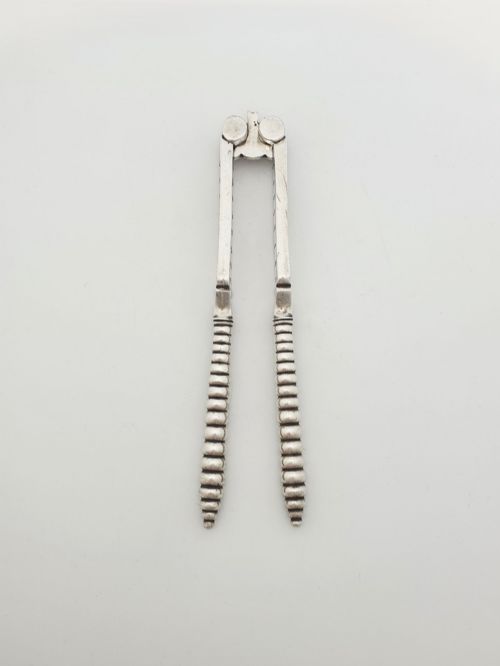
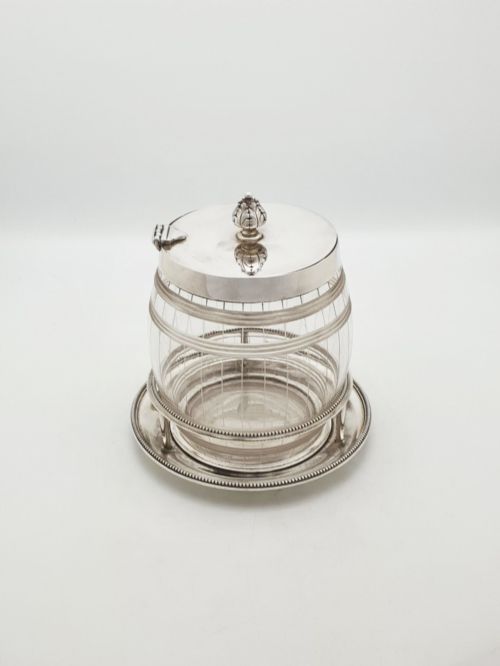
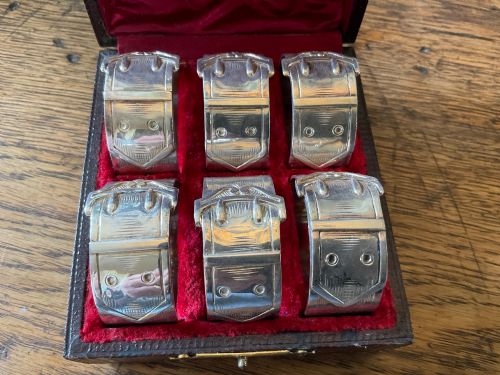
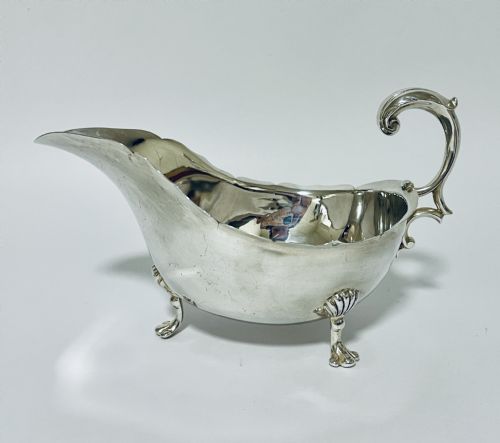
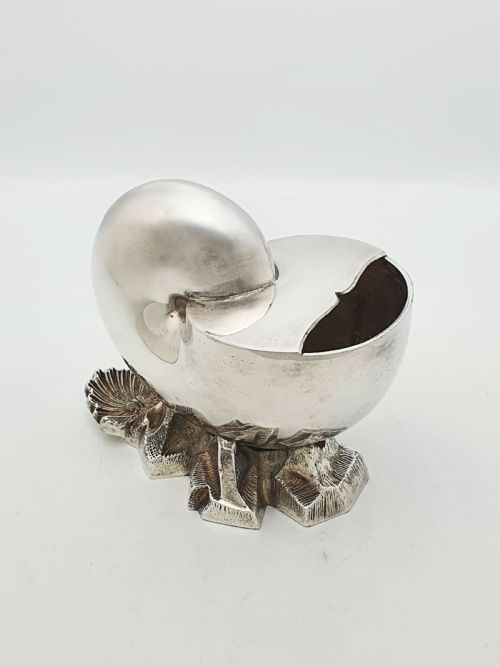
Victorian silver plate tableware encompasses a diverse range of dining accessories designed for formal meals, from toast racks and biscuit barrels to cruet sets and spoon warmers. Buyers searching this phrase encounter practical vessels alongside novelty items such as lobster crackers, bull head knife rests, and nautilus shell spoon warmers.
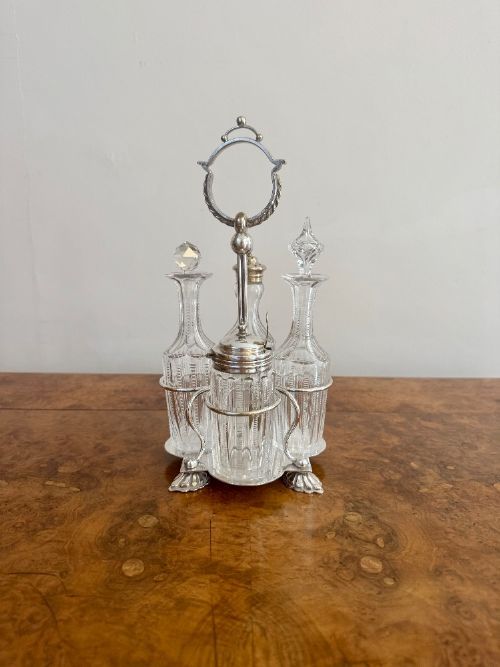
The objects span periods from early Victorian through to Edwardian times, with specific groupings dating from the 1860s to the turn of the twentieth century. Biscuit barrels and cruet sets emerge as the most frequent domestic forms on this page, often incorporating glass liners or stands.
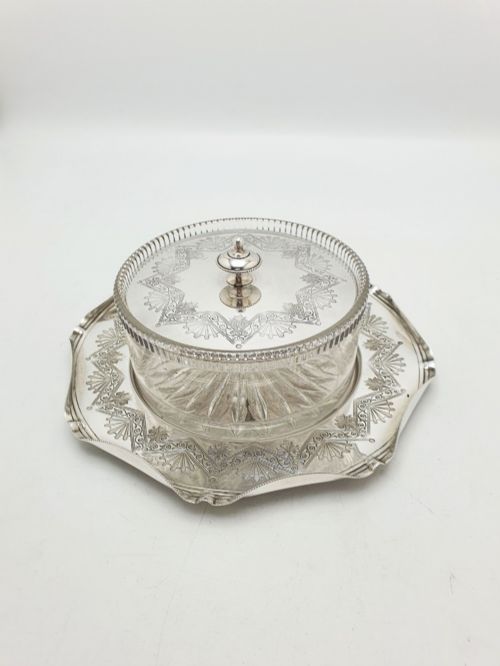
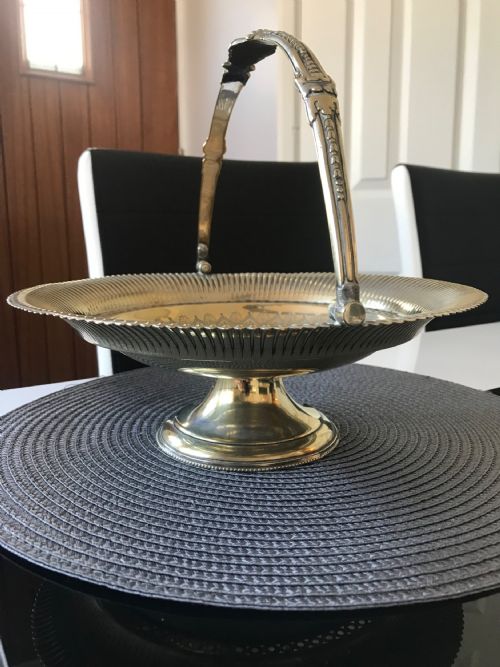
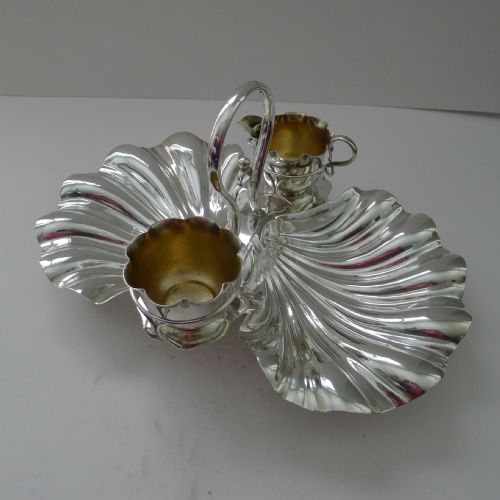
Makers utilised both standard silver plating techniques and electroplated nickel silver to produce domestic wares that emulated solid silver centrepieces. Regional English workshops and major manufacturers supplied households with specialised serving sets for butter, fruit, and strawberries.
Materials and construction
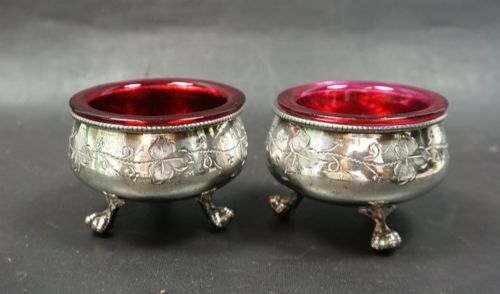
The primary material foundation relies upon electroplated nickel silver and standard silver plate applied over base metal foundations. Manufacturers combined these plated surfaces with contrasting elements such as cut glass, cranberry glass, ceramic majolica, and jasperware.
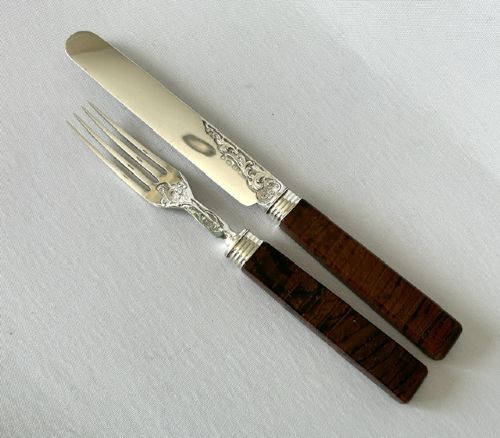
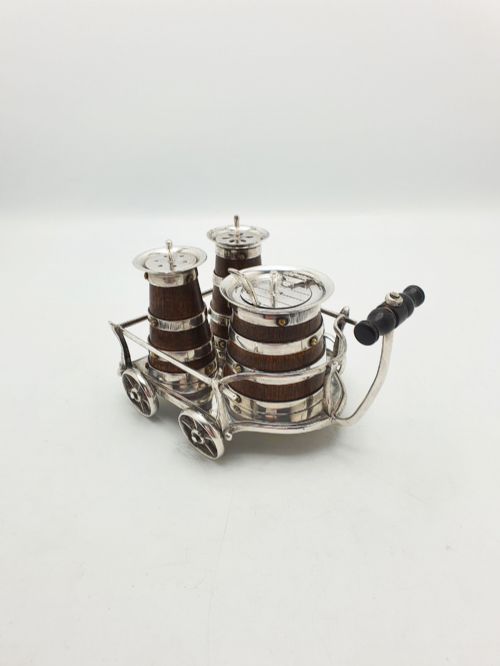
Organic materials frequently accompanied the metalwork, including oak barrels, walnut stands, and agate handles on knives and forks. Pierced wirework, engraved crests, and moulded figural components demonstrate the advanced smithing methods of nineteenth century workshops.
Victorian dining culture produced delightfully eccentric pieces, including crusty lobster crackers and cheerful bull head knife rests that still bring a smile today.
Distinctions in execution
Quality separates standard utilitarian serving vessels from elaborate novelty items that required specialised casting and figural modelling. The precision of the silver plating over the underlying metal determines the durability and visual preservation of the piece over time.
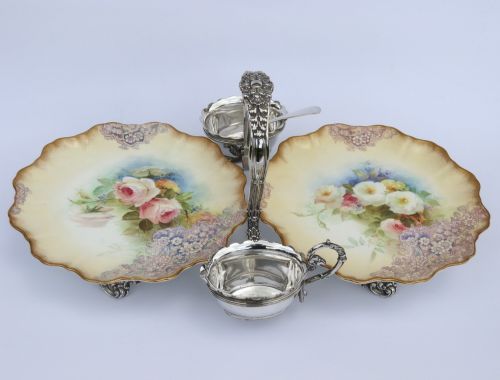
Integration of secondary materials like hand-painted Doulton Burslem plates or intact cranberry glass liners elevates the distinction of a service set. Maker attribution to established firms like Elkington or Mappin and Webb introduces a standard of design complexity and structural solidity.
Elkington·Mappin and Webb·Daniel Arter·Walker and Hall
The Victorian Silver Plate Tableware Glossary
- Electroplated nickel silver
- A base metal alloy of copper, nickel, and zinc coated with a layer of silver through an electrolytic process. This technique became widespread during the nineteenth century for producing durable tableware.
- Cruet set
- A matched collection of bottles, jars, or castors designed to hold condiments such as oil, vinegar, salt, and mustard. These sets often sat within silver plated stands featuring carrying handles.
- Spoon warmer
- A specialised Victorian vessel designed to hold hot water for warming silver spoons before serving soup or dessert. They frequently took whimsical forms such as nautilus shells or figural animals.
- Biscuit barrel
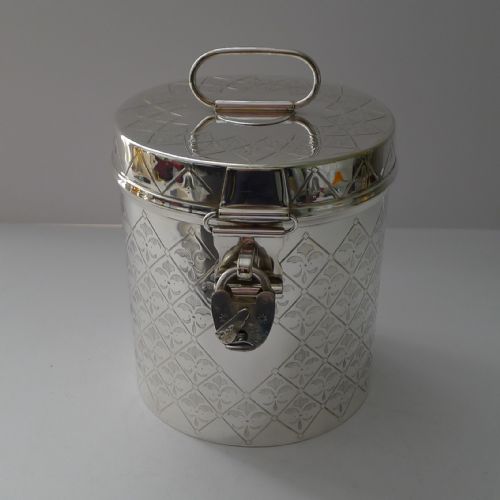
- A covered container used for storing dry biscuits or crackers in the dining room or drawing room. They commonly featured ceramic, glass, or wooden bodies mounted in decorative silver plated frames.
- Toast rack
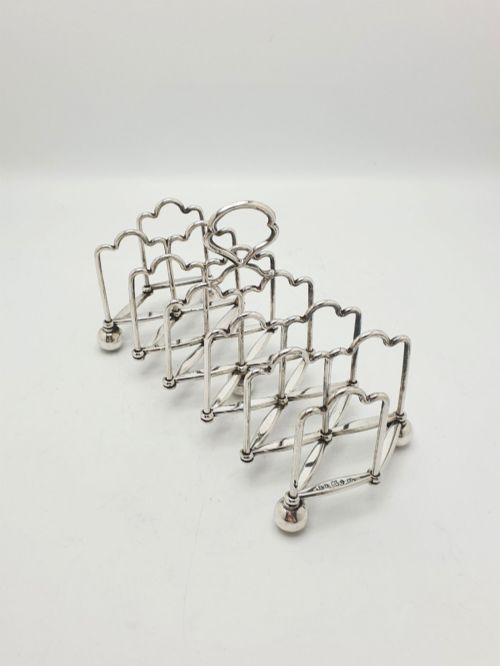
- A small tabletop framework featuring metal divisions designed to hold slices of toast upright. These pieces often incorporated arched wirework and a central lifting loop.
Victorian Silver Plate Tableware: Frequently Asked Questions
What is a silver plated biscuit barrel used for?
These covered containers stored dry biscuits for afternoon tea or after dinner service in Victorian households. The design kept baked goods fresh while presenting an ornamental object on the sideboard.
Many examples include fitted ceramic or glass liners inside silver plated stands with hinged lids.
How do you clean antique silver plate tableware?
Cleaning requires mild soap, warm water, and a soft cloth to preserve the thin layer of electroplated silver over the base metal. Abrasive polishes should be avoided because they wear away the plating over time.
Special care must be taken around glass liners, wooden barrels, and ceramic bodies to prevent moisture damage.
What are spoon warmers and why were they used?
Spoon warmers held hot water to warm table spoons before guests served themselves from cold dishes or ice cream bowls. This prevented cold metal spoons from chilling rich foods or desserts.
Victorian dining etiquette dictated specific accessories for every stage of a formal meal, making these vessels both functional and decorative.
How can you tell an Edwardian piece from a Victorian one?
Edwardian tableware generally dates from 1901 onwards and often reflects lighter neoclassical revival designs compared to heavier Victorian styles. Makers continued using silver plate over nickel silver, but aesthetic preferences shifted towards simpler, brighter domestic forms.
Hallmarks, registration numbers, and stylistic cues help separate late nineteenth century production from early twentieth century manufacturing.