




Antique Silver Gravy Vessel
An antique silver gravy vessel brings polished form and period weight to the dining table, offering both sauce boats and warmers for collectors.
Antique Silver Gravy Vessel
When you search for an antique silver gravy vessel, you are looking at utilitarian table items designed to keep sauces warm or serve them directly at the table. These pieces span several centuries of dining tradition, originating from periods such as the eighteenth and nineteenth centuries.
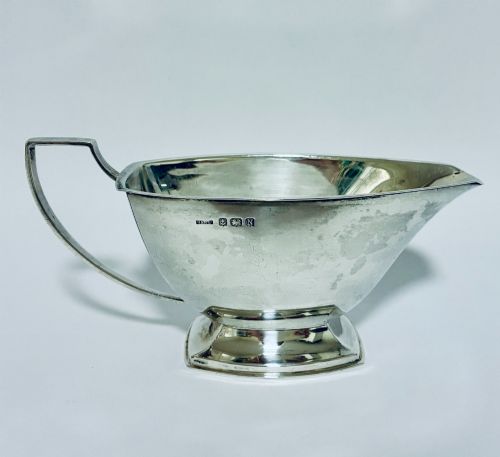
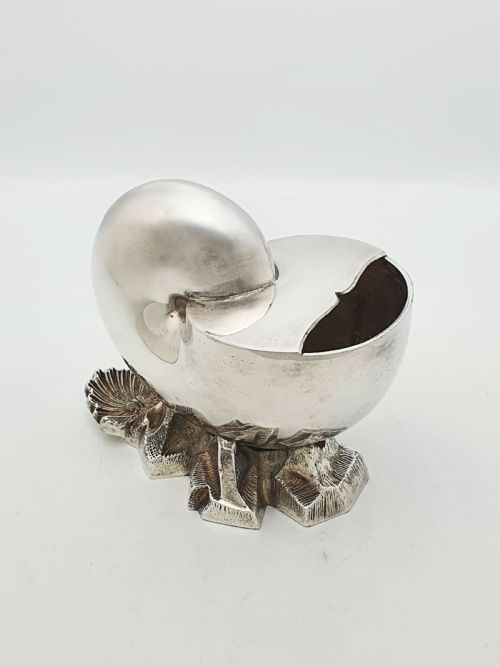
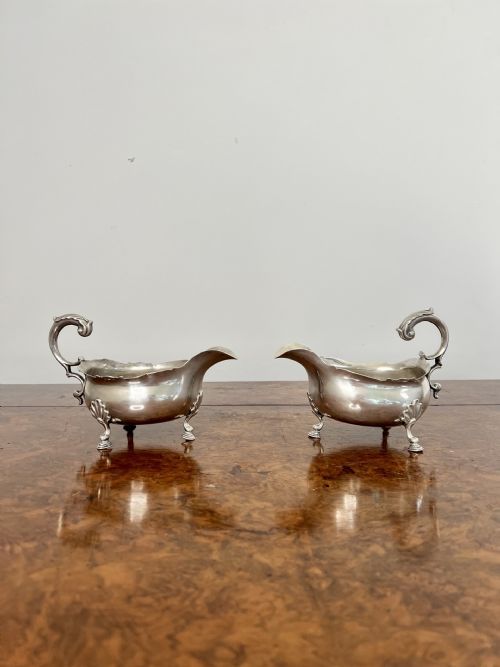
The versions you are most likely to meet on this page include sauce boats, spoon warmers, and argyll gravy warmers. Forms range from plain urn-shaped bodies and nautilus shells to shoe-shaped novelties and eighteenth century George III designs.
Stylistic influences vary widely across the selection, encompassing Georgian revival, Victorian naturalism, and Art Deco. Each object type serves a specific function in formal dining, whether it is holding gravy or keeping spoons heated.
Materials and construction methods
Makers utilised a variety of metals and alloys, most notably sterling silver, silver plate, and Old Sheffield plate. Some vessels integrate wooden, ebony, or cane elements into handles to insulate against heat.
Techniques range from traditional sterling silver smithing to silver plating and Old Sheffield plating methods. Novelty items such as the nautilus shell spoon warmers demonstrate specialised shaping and decorative embossing.
Object forms include conventional sauce boats alongside novelty spoon warmers shaped like shells and shoes.
Distinctions in quality and execution
The standard of an antique silver gravy vessel depends upon the crispness of its embossing and the structural integrity of its body. Pieces exhibiting finely detailed crests and substantial metal gauges distinguish themselves from simpler or more worn examples.
The integration of secondary materials such as wooden handles or internal warming compartments also influences the execution. Greater care in manufacturing translates to smoother mechanical functions in warmer mechanisms and cleaner plating preservation.
Padley Parkin And Staniforth
The Antique Silver Gravy Vessel Glossary
- Argyle
- A vessel designed to keep gravy warm at the table, typically featuring a double skin or a central compartment for hot water.
- Old Sheffield Plate
- A composite material made by fusing a thin sheet of silver to a thicker copper base, common in eighteenth century manufacture.
- Sauce Boat
- An open container with a lip and handle used for serving gravies and sauces.
- Spoon Warmer
- A Victorian novelty table vessel shaped like a shell, shoe, or urn, filled with hot water to warm spoons before serving.
- Sterling Silver
- A silver alloy containing substantial pure silver content, historically marked for standard fineness.
Antique Silver Gravy Vessel: Frequently Asked Questions
What is an argyll used for?
An argyll is a specialised gravy warmer designed to maintain the temperature of meat juices or sauces throughout a meal. It uses a compartment for hot water to prevent the animal fats from solidifying.
These pieces were essential additions to formal dining tables during the Georgian and Victorian periods, ensuring rich sauces remained fluid during long courses.
How do I identify a spoon warmer?
Spoon warmers are hollow vessels, often shaped like nautilus shells, ammonites, urns, or shoes, with a small opening at the top. They were filled with hot water so diners could warm their silver spoons.
Most examples found today date from the Victorian era when specialised dining accessories became popular novelties on the table.
What is the difference between sterling and plate?
Sterling silver consists of solid silver alloy throughout the entire object, marked to indicate its high silver content. Silver plate and Old Sheffield plate apply a layer of silver over a base metal such as copper.
Plated items offered a more accessible way to own substantial dining vessels without the high cost of solid silver.
How do I care for silver plate?
Silver plate requires gentle cleaning with specialised silver polish and soft cloths to avoid wearing through the thin silver layer to the base metal. Regular dusting and careful handling keep the surface bright.
Store these vessels in dry environments away from direct sulfur sources to minimise tarnishing over time.