
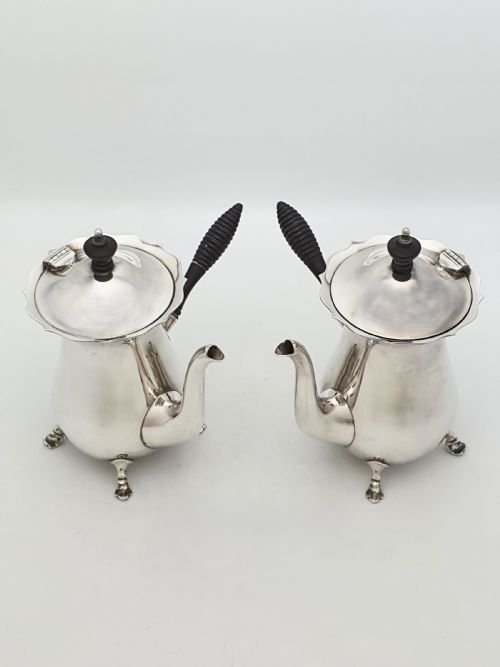


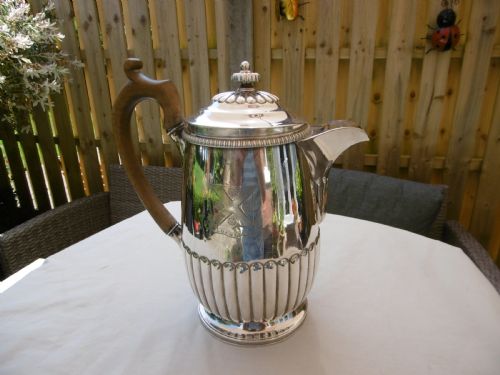
Antique Silver Plate Pot
An antique silver plate pot brings nineteenth-century dining elegance into a modern room through durable metal and fine glass combinations.
Antique Silver Plate Pot
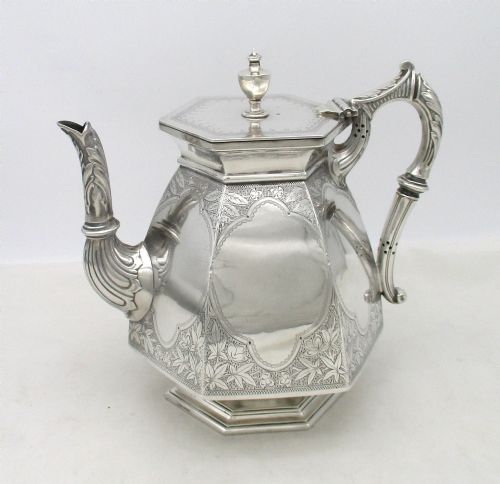
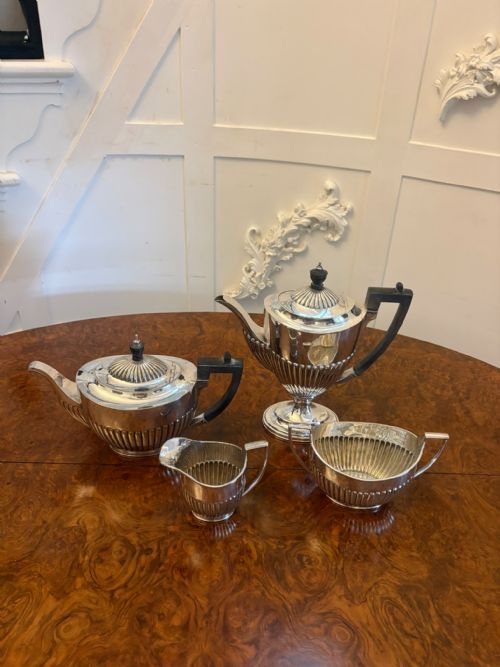
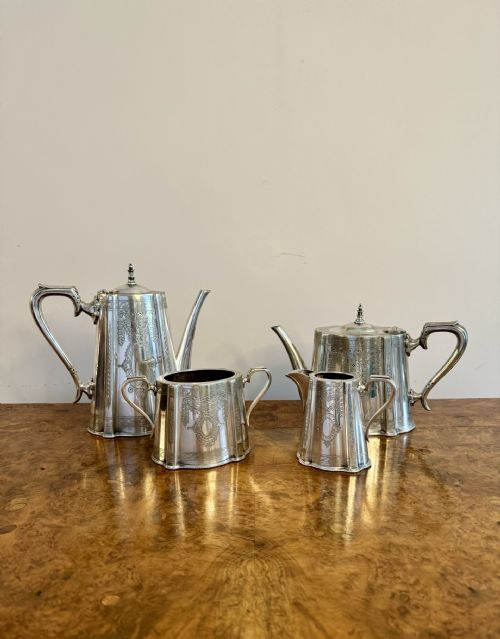
When searching for an antique silver plate pot, buyers encounter diverse forms ranging from tall coffee jugs and tea services to specialised mustard and cayenne pepper vessels. The selection frequently includes Victorian and Edwardian examples featuring fitted glass liners or ceramic bodies combined with metal mounts.
Vessels span the eighteenth century through the 1920s, with Old Sheffield plate coffee pots representing the earlier manufacturing traditions alongside later electroplated nickel silver items. Many surviving pieces served dining functions on large tables, including gravy warmers, biscuit barrels, and condiment cruet sets.
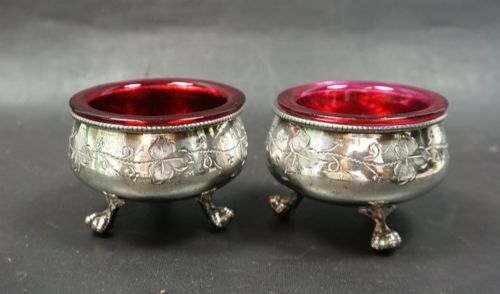
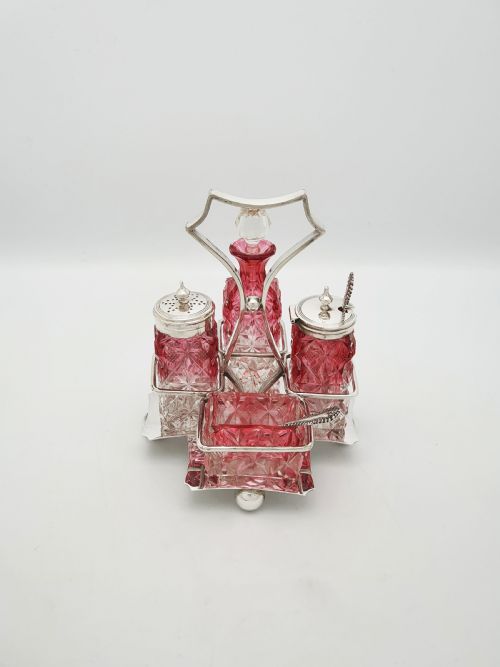
The assortment on this page reflects domestic habits of the Georgian, Victorian, and Edwardian eras, where metalwork paired with cranberry glass or cut glass for visual contrast. Functional items such as café au lait pots and preserve jars demonstrate how households prepared and served food and beverages.
Materials and construction methods
Early pieces utilise Old Sheffield plate, a technique fusing a thin layer of silver onto a copper base before shaping and soldering the components together. Later items rely on electroplated nickel silver, applying an electrical current to deposit a silver coating over a base metal alloy.
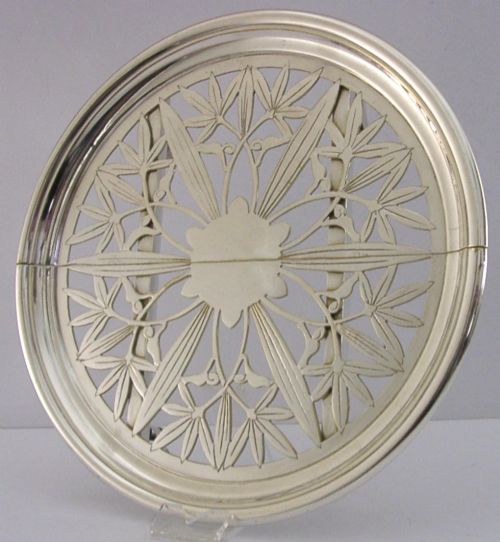
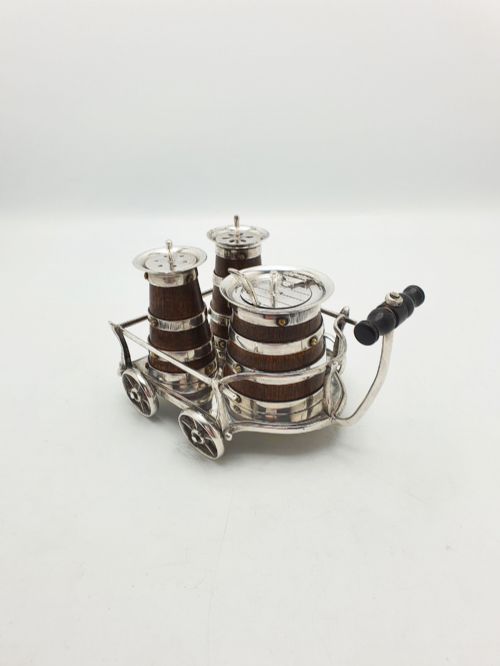
Makers integrated secondary materials including clear or flashed cranberry glass, ceramic bodies, and carved oak or walnut wood elements to create contrast and texture. Decorative techniques involved repoussé floral work, pierced galleries, and engraved crests applied by hand to the metal surfaces.
Listings feature items from the eighteenth century through the Edwardian period, combining silver plate with cut glass, cranberry glass, and ceramic bodies.
Distinctions in manufacture and design
The standard of design depends upon the depth of the metalwork, the weight of the base alloy, and the crispness of chased or engraved detailing. Heavier gauge metal resists bending and maintains structural integrity across spouts, handles, and hinges.
Superior vessels feature fully integrated components, such as perfectly fitted glass liners and makers' marks indicating prominent workshops, whereas simpler utilitarian versions display standard commercial production methods.
Walker and Hall·Padley Parkin and Staniforth·Matthew Boulton·John Hoyland·Mappin Brothers·J H Potter·Elkington and Co·J B Chatterley and Sons Ltd·Philip Ashberry and Sons
The Antique Silver Plate Pot Glossary
- Old Sheffield Plate
- A composite material made by fusing a sheet of silver to a copper ingot prior to rolling and forming. This early method often reveals thin lines of copper along exposed edges and seams.
- Electroplated Nickel Silver
- A base metal alloy of copper, nickel, and zinc coated with a layer of pure silver via electrolysis. This technique replaced older fusion methods during the nineteenth century.
- Argyle
- A specialised vessel designed to keep gravy or sauces warm at the table through the use of an internal heating cylinder or water compartment. These items often feature shaped spouts and fitted lids.
- Cranberry Glass
- A rich red glass produced by adding gold chloride to the molten batch during manufacturing. It appears frequently in nineteenth-century cruet sets and preserve bowls.
- Cruet Set
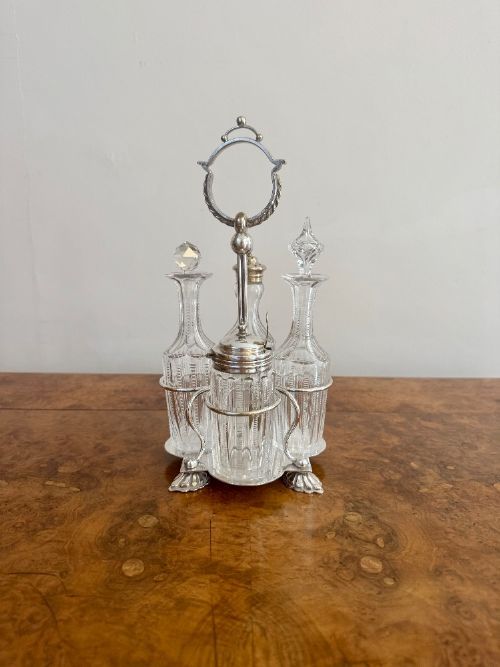
- A matched collection of glass bottles or pots mounted in a silver-plated stand for holding condiments such as oil, vinegar, salt, and pepper at the dining table.
Antique Silver Plate Pot: Frequently Asked Questions
How do I clean silver plate?
Maintenance requires gentle washing in warm soapy water using a soft cloth, avoiding abrasive compounds that wear down the thin silver layer.
Tarnishing is best managed with a dedicated silver cloth applied lightly along the raised portions of engraved or repoussé decoration.
What is Old Sheffield plate?
Old Sheffield plate is an early manufacturing method where a layer of silver is mechanically fused to a copper core before shaping.
Items made this way frequently show subtle traces of copper along rims or wear points where the silver has thinned over generations of use.
How were these pots used?
These vessels served functional roles in nineteenth-century dining rooms, holding coffee, tea, hot water, gravy, or dry condiments like mustard and pepper.
Many were designed to sit directly on the dining table or sideboard as part of larger matching service sets.
Are glass liners original?
Many cruet sets, biscuit barrels, and preserve pots retain their blown or moulded glass liners, which often feature cut patterns or cranberry colouration.
Matching liners show correct proportions and fit snugly within the pierced or solid silver-plated wirework mounts.