


Victorian Silver Plate Serveware
Victorian silver plate serveware brings the refined dining rituals of the nineteenth century straight to the modern table.
Victorian Silver Plate Serveware
When you search for victorian silver plate serveware, you encounter specialised dining pieces designed for the elaborate multi-course meals of the nineteenth and early twentieth centuries. These functional items range from toast racks and butter dishes with glass liners to revolving breakfast dishes and spoon warmers.
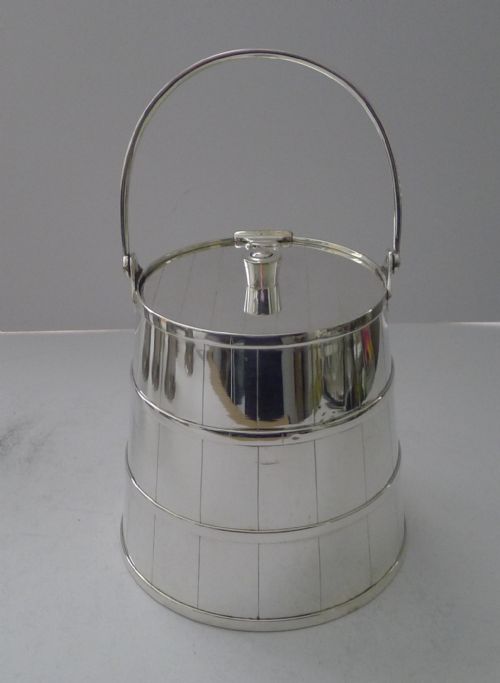
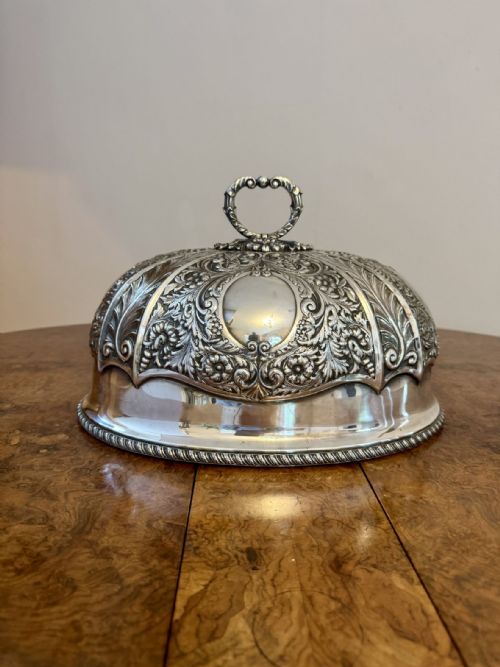
The selections span the Victorian, Edwardian, and late nineteenth-century periods, showing the evolution of dining habits. You will frequently meet biscuit barrels, meat covers, gravy warmers, and dedicated dessert sets created to elevate formal domestic hospitality.
Materials and construction
Makers utilised base metals such as nickel silver, often designated as EPNS, which provided a sturdy and uniform foundation for electroplating. This chemical deposition of a thin silver layer over white metal allowed workshops to produce elaborate tableware at a scale previously impossible.
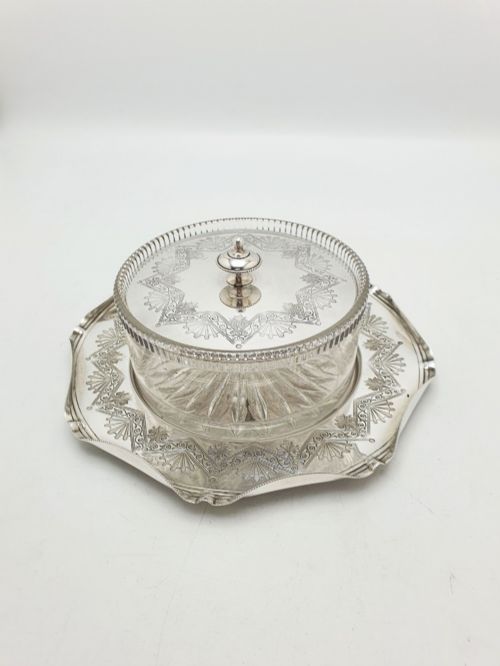
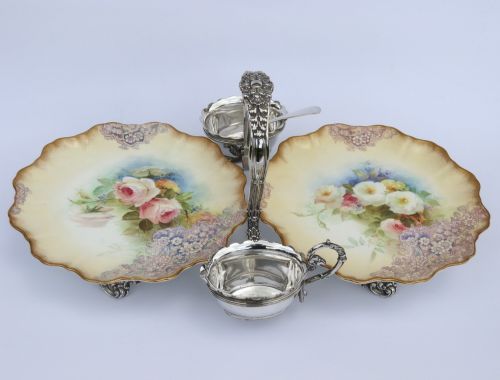
Many serveware pieces incorporate secondary materials like cut glass liners for butter dishes, polished oak for salad bowls, and gilt metal highlights. Artisans combined these elements with hand-painted ceramic plates and cast metal mounts to create durable yet decorative table accessories.
Victorian Silver Plate Serveware Retail Price Guide 2026
Typical asking prices for victorian silver plate serveware among the pieces listed under this phrase on Sellingantiques today, from the lower quarter to the upper quarter. They describe what is for sale here now, not the wider market.
Victorian diners required dedicated silver scoops just to serve Stilton cheese.
Judging quality in silver plate
Quality rests upon the thickness of the original silver deposition and the retention of that plating across high-friction areas. Pieces that retain their crisp cast ornamentation and smooth mechanical actions, such as revolving breakfast covers or folding biscuit boxes, demonstrate superior original manufacture.
The inclusion of original fitted elements, such as matched cut glass liners, dedicated servers, or hand-painted ceramic components, elevates a piece significantly. Furthermore, firm attribution to notable workshops adds historical weight to the physical substance of the metal.
Walker and Hall·Mappin and Webb·Padley Parkin and Staniforth·Elkington·Roberts and Belk
The Victorian Silver Plate Serveware Glossary
- EPNS
- Electroplated nickel silver, a base metal alloy coated with a layer of silver through an electrical process. This material became the standard for durable nineteenth-century tableware.
- Spoon warmer
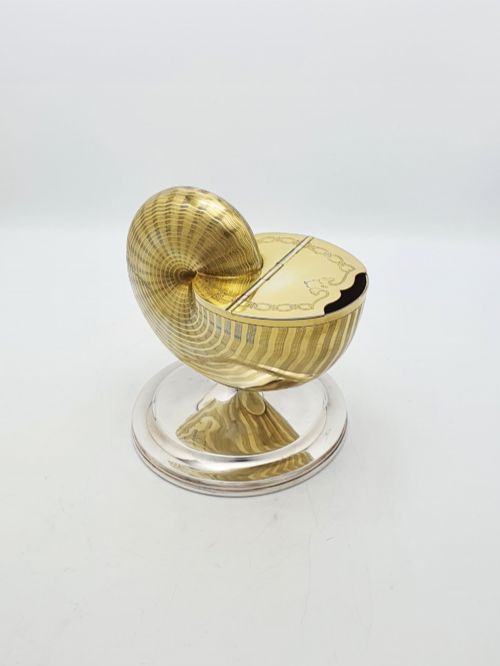
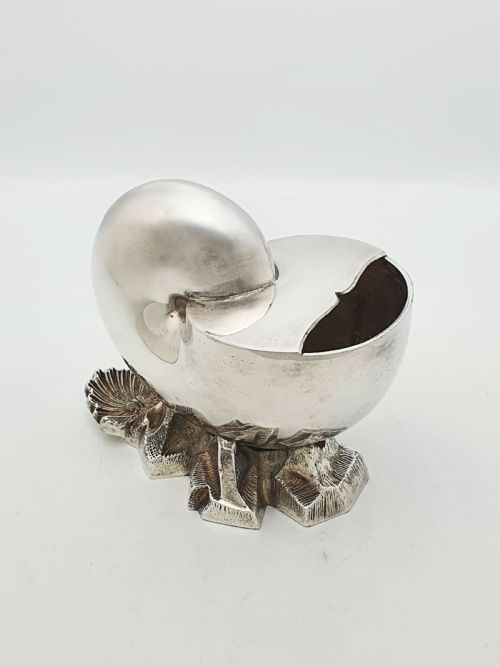
- A vessel designed to hold hot water, keeping silver spoons warm for serving melted butter or rich gravies. These often took whimsical forms such as nautilus shells.
- Revolving breakfast dish
- A covered serving container featuring a roll-top or rotating lid that conceals hot dishes while seated at the table. They typically rest upon four styled legs with a water pan beneath.
- Toast rack
- A metal frame with vertical dividers intended to keep slices of toast crisp by preventing condensation between them. Victorian examples range from simple wirework to elaborate trefoil designs.
- Entree dish
- A shallow, covered vessel used for serving individual courses during formal dinners. They frequently occur as matched pairs with removable handles for versatile serving.
Victorian Silver Plate Serveware: Frequently Asked Questions
What is electroplated nickel silver?
Electroplated nickel silver is a strong alloy of copper, nickel, and zinc coated with a thin layer of pure silver using electricity. This technique democratised fine dining by offering the appearance of solid silver at a lower cost.
The method replaced older Sheffield plate, where a silver sheet was fused to a copper ingot. It allowed manufacturers to produce complex decorative serveware that resisted tarnishing better than base metals alone.
How were spoon warmers used?
Spoon warmers were filled with hot water from the kettle before being placed on the dining table. Guests or servants would rest serving spoons inside to warm them before dishing out clotted cream, gravy, or melted butter.
This prevented the cold metal spoons from cooling down rich foods as they were served. They were an essential part of the Victorian dining room ritual.
What is a revolving breakfast dish?
A revolving breakfast dish is a lidded container designed to keep hot breakfast items warm on a sideboard. The curved metal lid rolls backward on a pivot, allowing diners to help themselves easily.
They often include a hot water compartment underneath and sometimes feature interior drainer trays. These pieces represent some of the most mechanically inventive serveware of the period.