

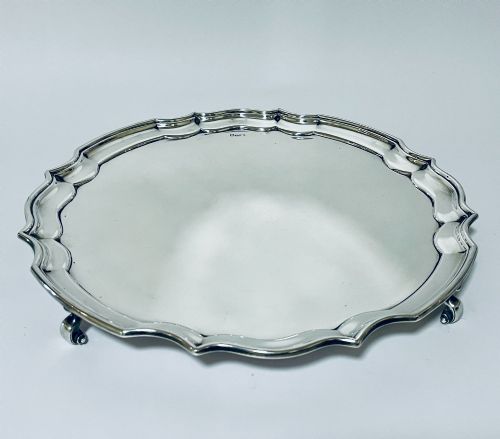
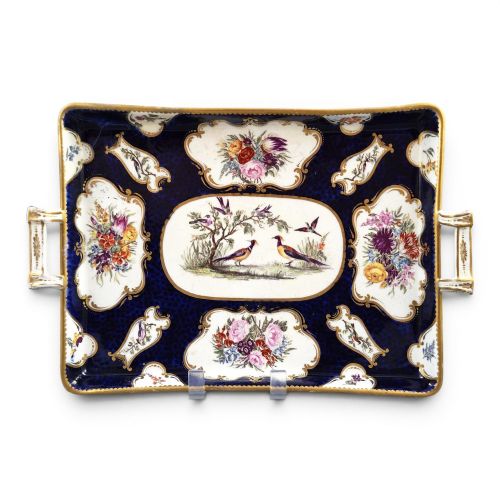
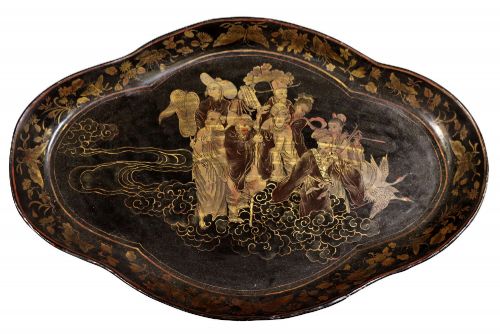
Victorian Serving Platter
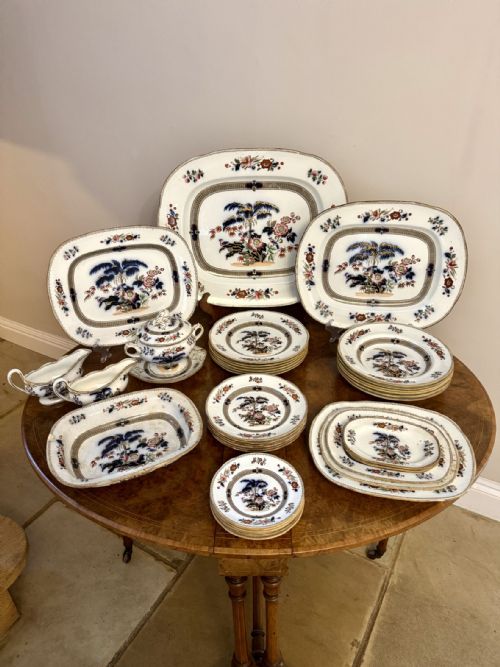
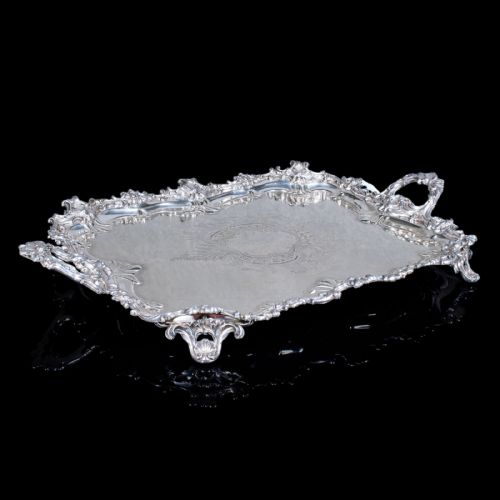
A victorian serving platter brings heavy nineteenth-century presence to the table, fashioned from earthenware, silver plate, or carved teak to carry meat, tea, or game.
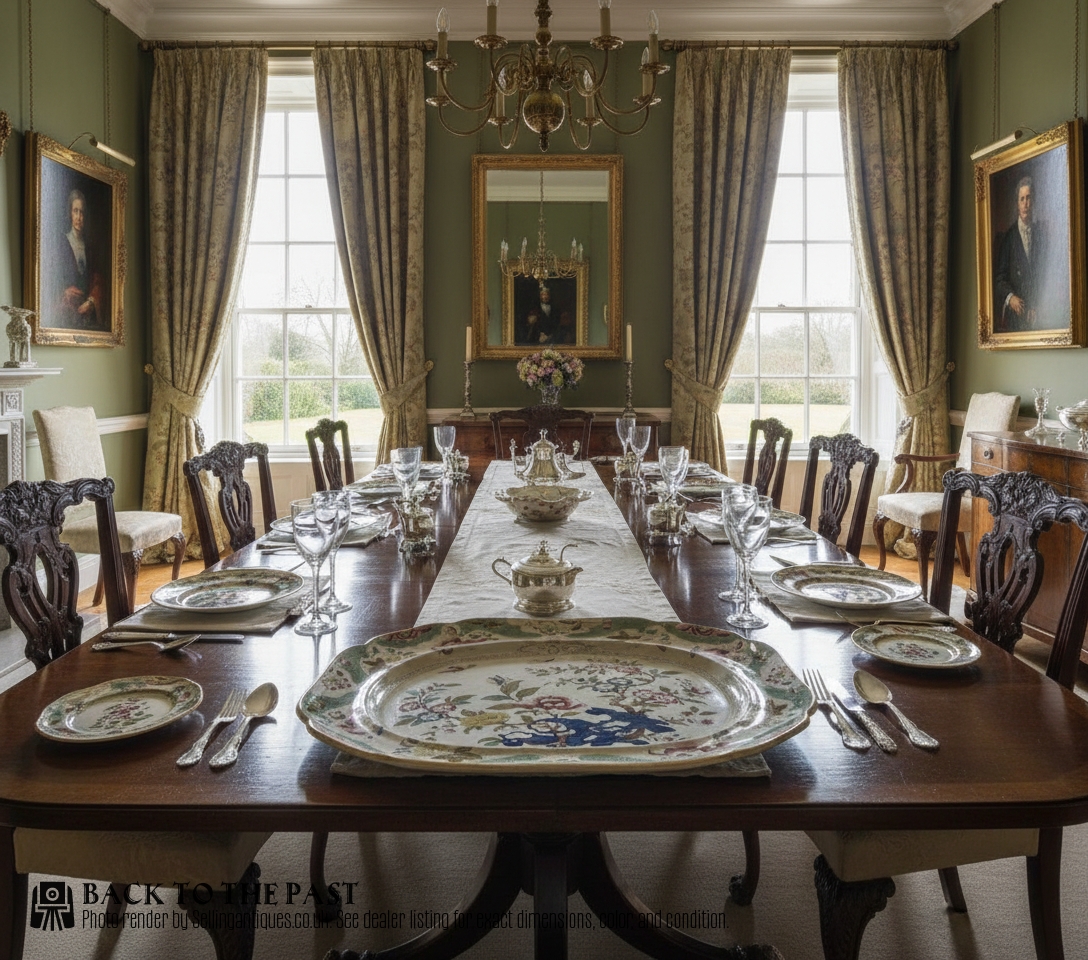
Victorian Serving Platter
A victorian serving platter encompasses large ceramic meat plates, heavy metal trays, and papier-mâché or wooden serveware originating across the nineteenth century.
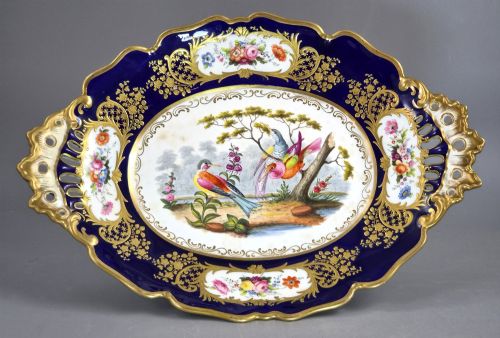
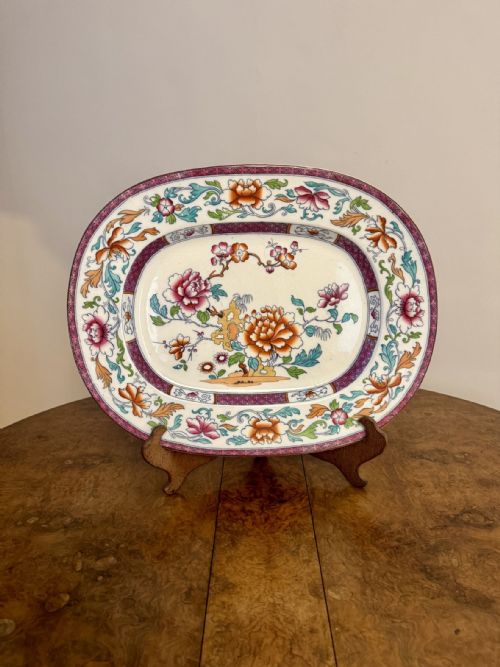
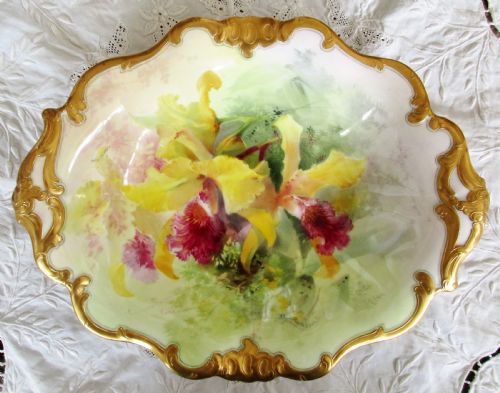
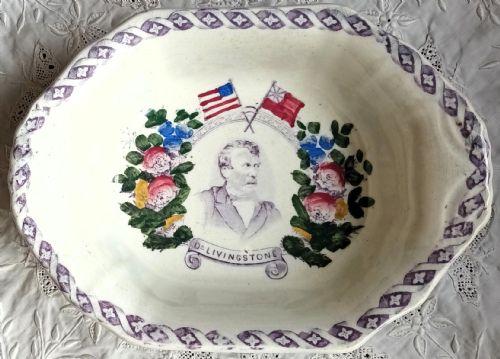
The ceramic versions frequently display blue and white transfer printing, floral transfer patterns, or hand-painted botanical studies.
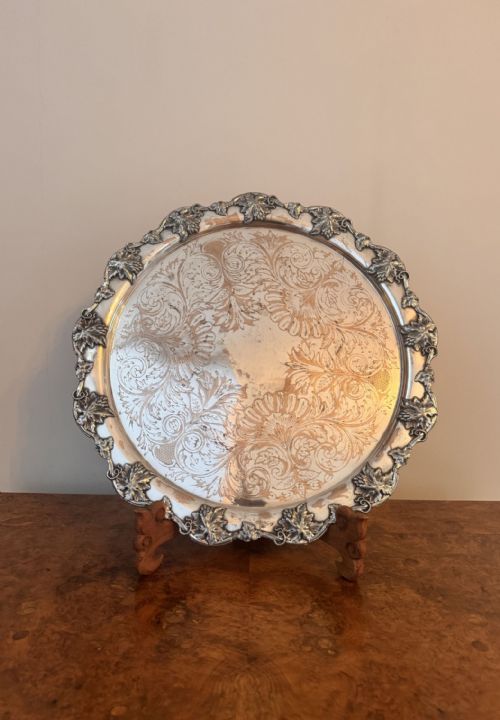
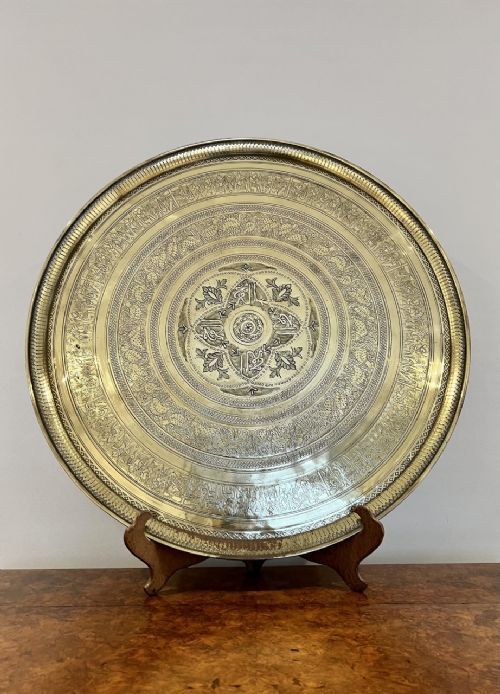
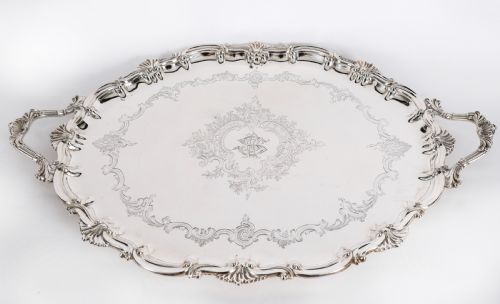
Metal examples span silver plate, copper, and mixed metals, often bearing chased engraving or handles for functional service.
Judging the work
Quality rests on the crispness of transfer printing, the depth of hand-engraving on metal surfaces, and the integrity of the underlying body.
Maker attribution and registered design marks elevate certain ceramics and silver-plated trays above unmarked utility wares.
Listings feature items spanning the 19th century, incorporating earthenware, silver plate, ceramic, lacquer, and brass.
William Hutton & Sons·Coalport·Thomas Bradbury & Sons·Royal Doulton·Copeland & Garrett·Minton·Carlton Ware·John Harrison·Walker & Hall·H. Meeson
The Victorian Serving Platter Glossary
- Transfer print
- A decorative technique where an engraved copper plate transfers a design onto paper and then onto ceramic biscuit before glazing. This method allowed consistent, intricate patterns across large dinner services.
- Silver plate
- A layer of silver fused or electroplated to a base metal like copper or nickel brass. It provided the visual weight of solid silver at a lower cost for domestic dining.
- Papier-mâché
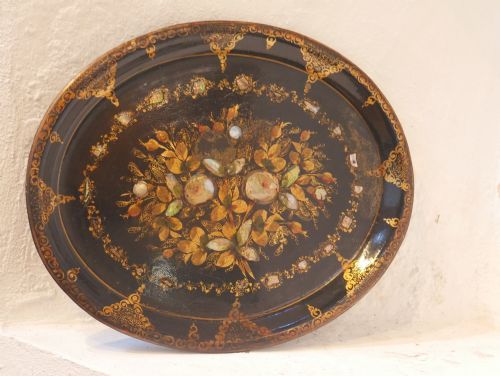
- A composite material made of paper pulp or sheets mixed with glue and resin, pressed in moulds and baked. It formed sturdy, highly polishable trays often finished with lacquer and gold leaf.
- Salver
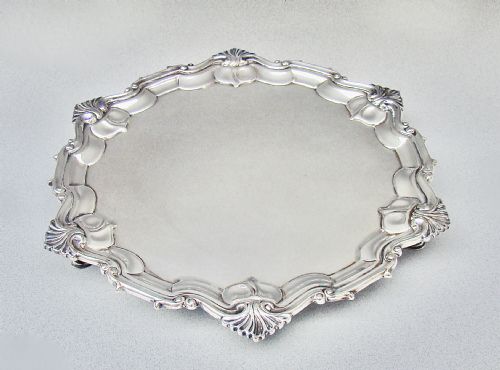
- A flat metal tray or dish used for serving glasses or presenting items. These typically stand on small feet and bear engraved crests or floral motifs.
Victorian Serving Platter: Frequently Asked Questions
What were victorian serving platters used for?
These vessels served large joints of meat, poultry, game, or afternoon tea in nineteenth-century dining rooms. They carried food from the kitchen to the table or organised tea service accessories.
Larger metal platters and deep ceramic dishes managed heavy roasts, while lighter trays held cups, teapots, and presentation items.
How do I care for a silver plated tray?
Silver plated items require gentle cleaning with non-abrasive cloths and dedicated silver care products to preserve the thin metal coating. Avoid harsh scrubbing that wears down the plating over time.
Store these pieces in dry environments away from direct sulfur sources to minimise tarnishing.
Are ceramic meat platters dishwasher safe?
Historic ceramic platters possess fragile glazes, nineteenth-century earthenware bodies, and sometimes hand-painted enamel or gold leaf details that modern dishwashers destroy. Hand washing in lukewarm water with mild soap protects the glaze and prevents crazing.
Sudden thermal shocks from hot water cycles can also crack old ceramic fabric.
How can I distinguish papier-mâché from wood?
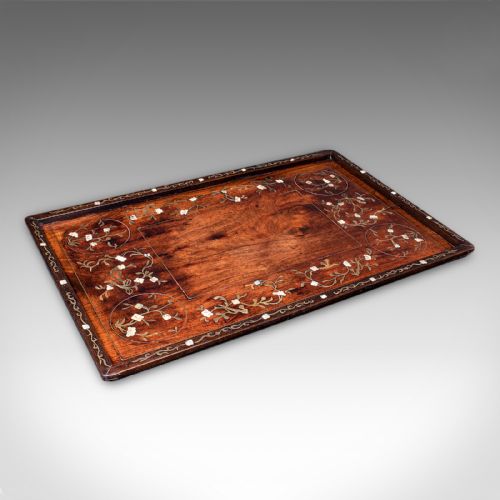
Papier-mâché feels surprisingly light yet rigid, with a dense, smooth surface that takes high-gloss lacquer and gold leaf effectively. Wooden trays, such as Anglo-Indian teak or inlaid mahogany, display visible grain structures and carved dimensionality.
Weight and close visual inspection of edges reveal whether the core material is compressed paper pulp or timber.