


Antique Floral Serving Tray
An antique floral serving tray brings hand-painted botanicals and period craftsmanship directly to the table or display cabinet.
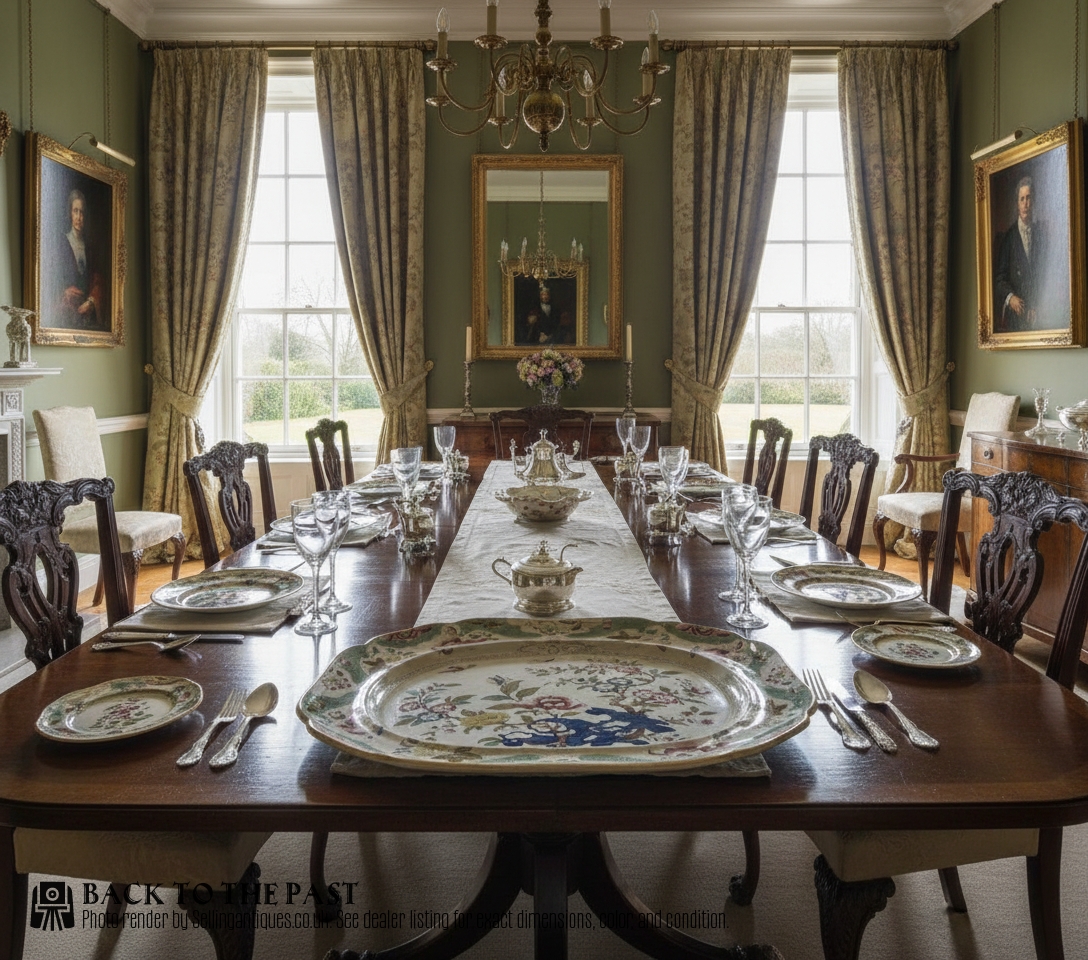
Antique Floral Serving Tray
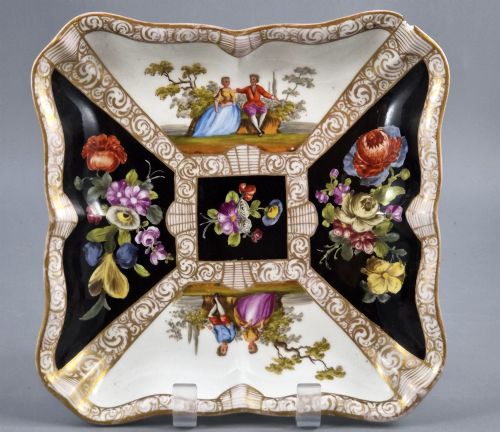
When searching for an antique floral serving tray, buyers encounter a diverse selection spanning the Georgian, Regency, Victorian, and Edwardian eras. These pieces function as both practical serving vessels and decorative centerpieces, taking the form of platters, dishes, and handled trays.
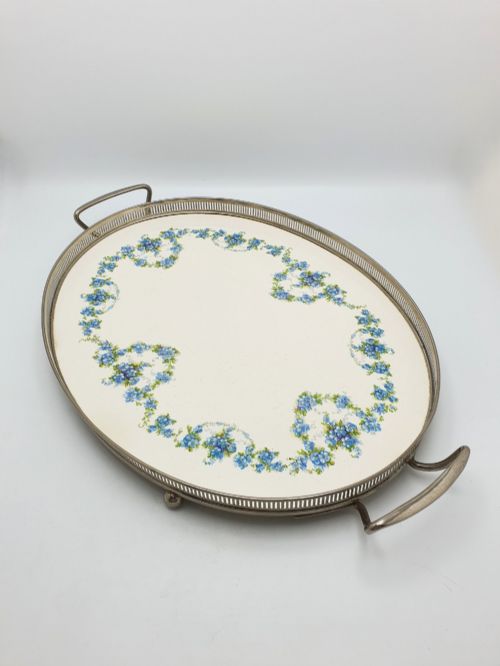
The materials utilised range from papier-mâché and wood inlaid with satinwood or mahogany to various ceramics such as porcelain, earthenware, and bone china. Metalwork examples also appear in silver plate, Sheffield plate, and toleware, broadening the scope of what a collector might discover.
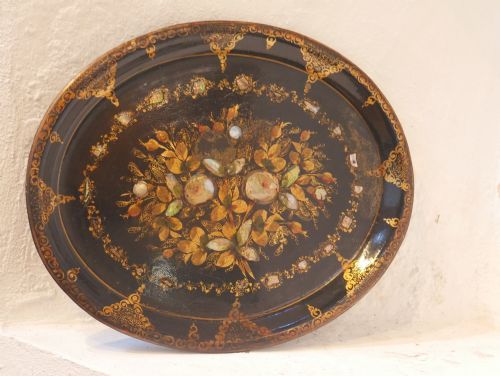
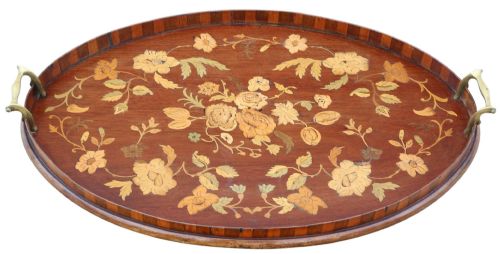
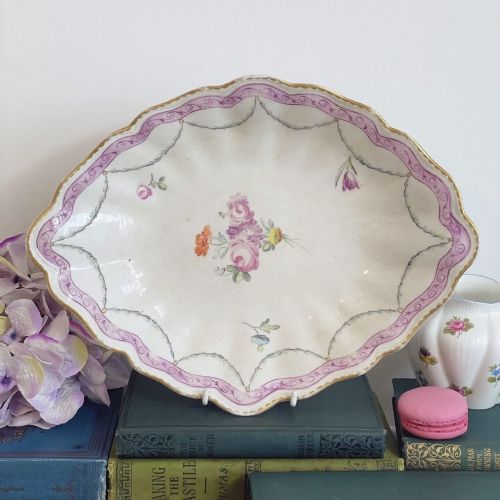
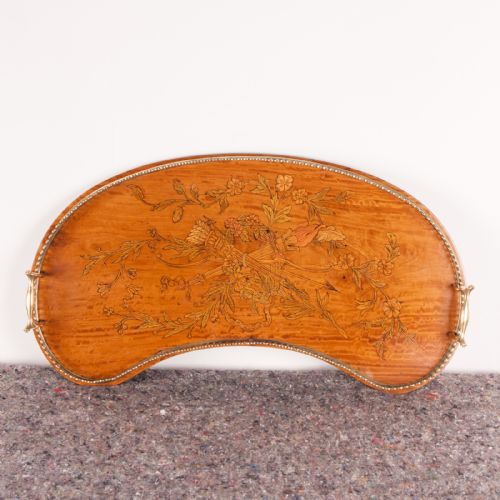
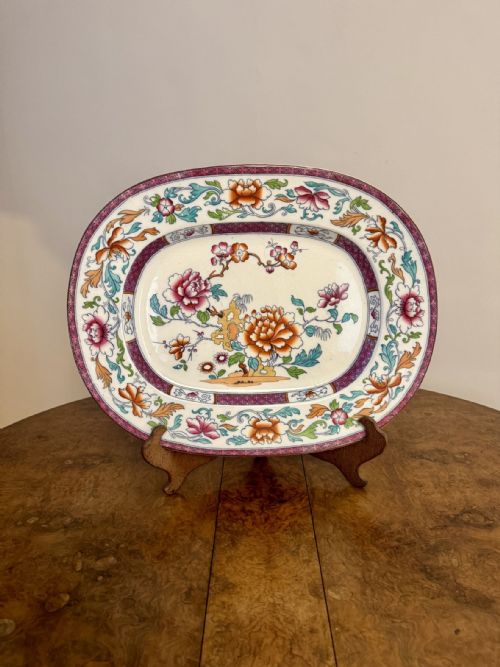
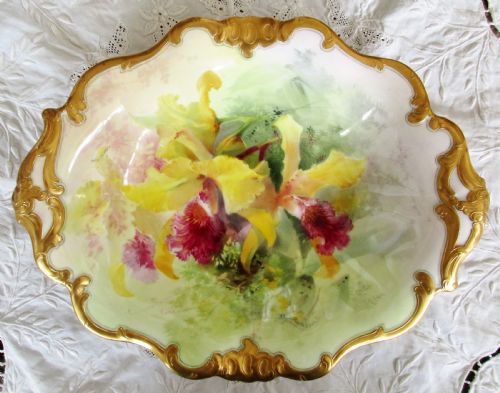
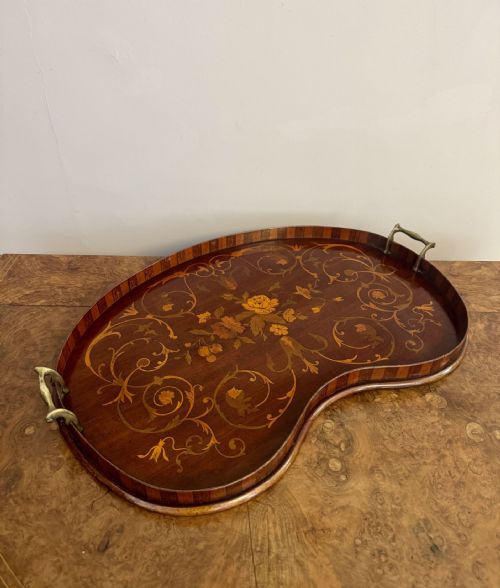
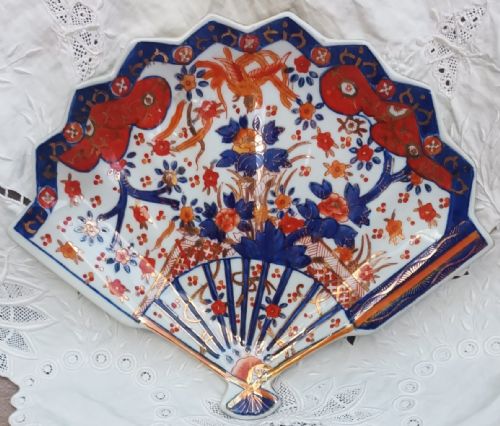
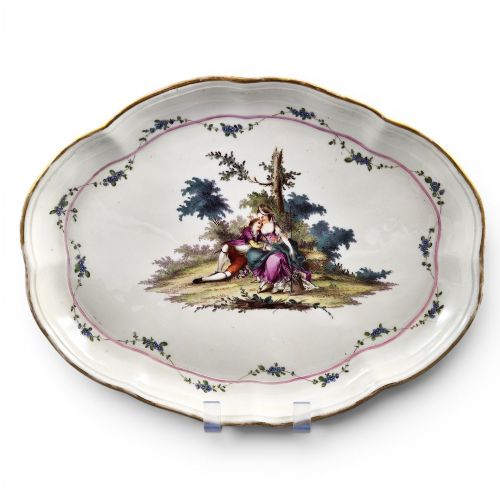
Papier-mâché trays often display rich ebonised finishes, Chinoiserie motifs, or mother-of-pearl inlay, while wooden versions showcase intricate marquetry. Ceramic and porcelain variants rely on hand-painted polychrome florals, transfer-printed blue and white patterns, and gilded highlights.
Materials and methods of construction
Papier-mâché trays were built from layers of paper pulp mixed with glue and resin, pressed in iron moulds, then stove-dried and finished with multiple coats of lacquer before receiving hand-painted floral ornamentation.
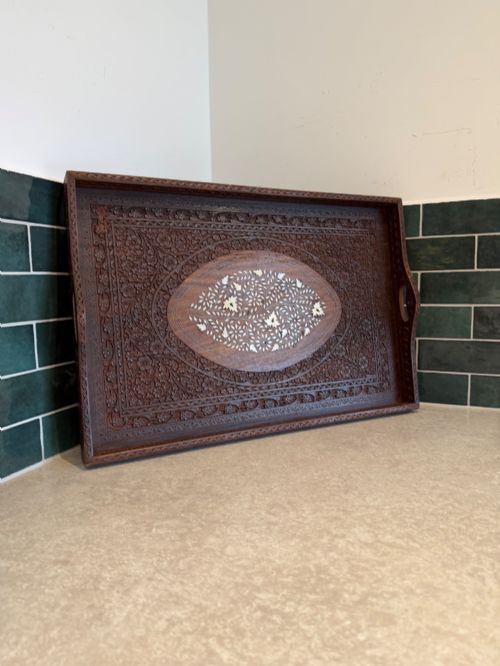
Wooden trays relied on fine cabinet-making techniques, utilising mahogany, satinwood, and walnut bases embellished with delicate marquetry and contrasting wood inlays.
Ceramic and porcelain items were thrown or moulded, then hand-painted with ceramic colours or decorated with transfer printing before undergoing high-temperature kiln firing.
Several trays double as rotating lazy-susans, proving that nineteenth-century dining tables also suffered from pass-the-salt disputes.
Assessing quality and execution
The distinction between standard examples and the finest pieces lies in the precision of the hand-painting and the complexity of the materials. Finely executed brushwork showing botanical detail elevates a ceramic dish or papier-mâché tray above mass-produced transfer prints.
In wooden and papier-mâché trays, the crispness of the marquetry inlay, the retention of the original lacquer surface, and the structural integrity of the base material determine the desirability of the piece.
Makers' marks and attribution to recognised potteries or workshops, such as Minton, Spode, or Derby, contribute significantly to the standing of ceramic serving pieces.
Derby·Meissen·Royal Doulton·Minton·Carlton Ware·Walker and Hall·Spode·KPM
The Antique Floral Serving Tray Glossary
- Papier-mâché
- A composite material made from paper pulp or sheets of paper mixed with glue, rolled and pressed into rigid forms.
- Toleware
- Painted or enamelled sheet metalware, frequently decorated with floral motifs during the eighteenth and nineteenth centuries.
- Marquetry
- Decorative wood-working technique where thin veneers of various timbers are arranged to form pictorial designs on a base surface.
- Transfer printing
- A method of applying pre-printed designs from an engraved copper plate onto ceramic surfaces using tissue paper.
- Silver plate
- A base metal object coated with a thin layer of silver through electroplating or older plating methods like Sheffield plating.
Antique Floral Serving Tray: Frequently Asked Questions
How were antique serving trays used?
These trays served primarily for carrying tea sets, drinks, and food items in domestic interiors, or functioned as decorative display platters on sideboards and tables.
Over time, many transitioned into purely decorative objects, mounted on stands or displayed upright in cabinets to showcase their painted floral motifs.
What materials are most common?
Papier-mâché, porcelain, earthenware, and various woods like mahogany and satinwood appear frequently across the available selections.
Metal variants in silver plate and painted toleware also represent a significant portion of nineteenth-century production.
How do I care for papier-mâché trays?
Papier-mâché requires gentle handling and should be kept away from direct moisture, extreme heat, and harsh cleaning chemicals.
Dusting with a dry, soft cloth preserves the original lacquer and delicate painted floral decoration without harming the surface.
Can I use these trays for serving food?
While ceramic platters and solid metal trays remain functional for serving food, delicate papier-mâché and antique lacquered items are best reserved for display.
Using older ceramic plates for dining requires checking the glaze stability and avoiding abrasive modern dishwashers.