





Victorian Seascape Wall Art
Victorian seascape wall art captures maritime life and coastal vistas through period oil paintings and watercolours.
Victorian Seascape Wall Art
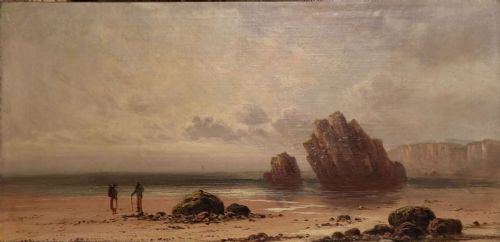
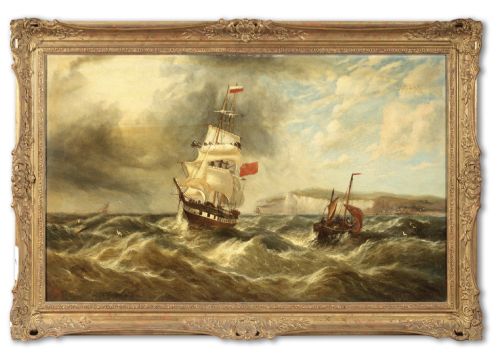
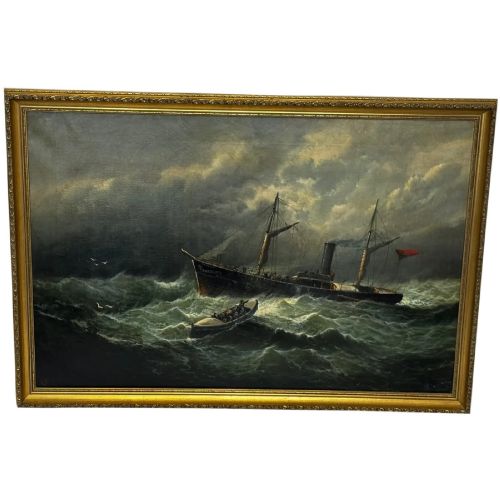
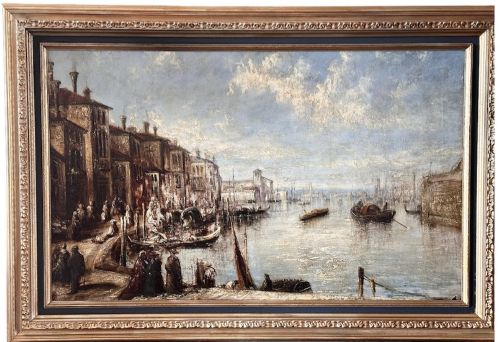
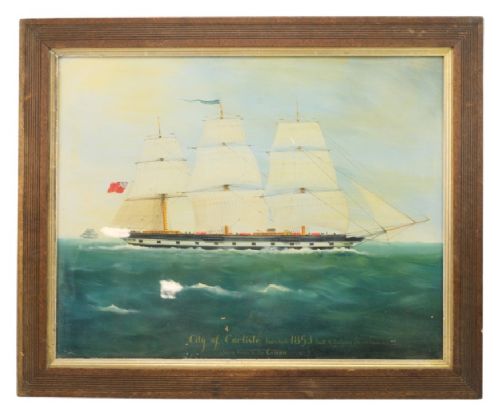
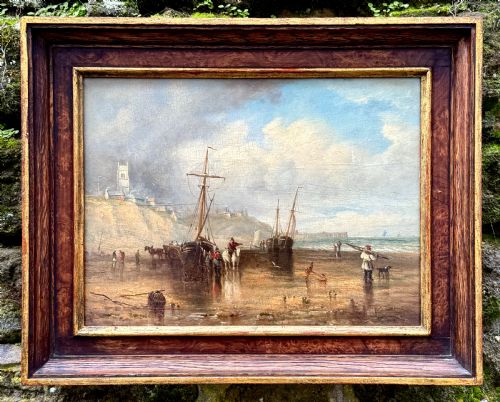
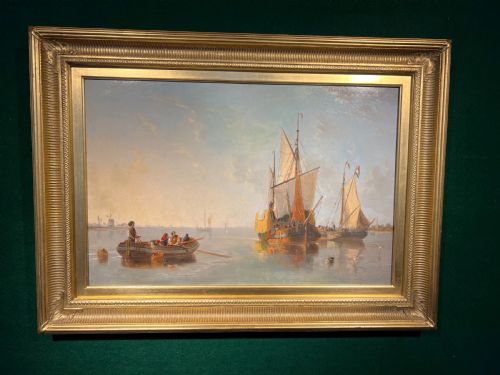
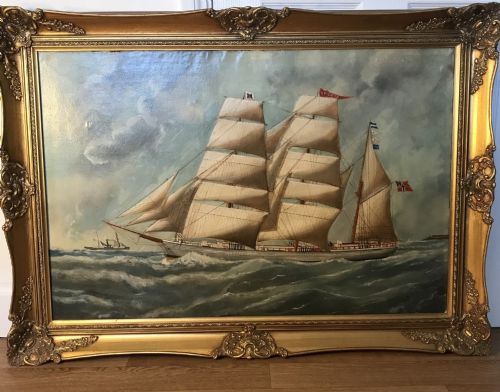
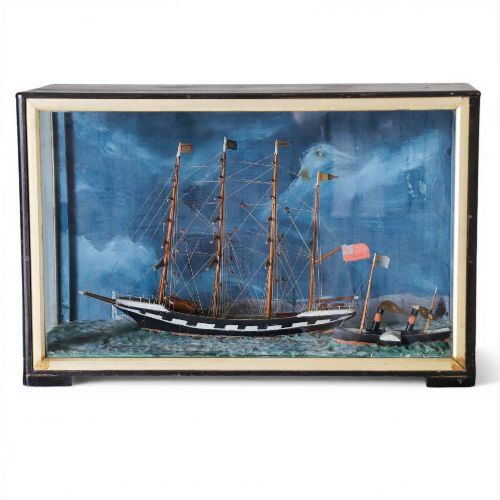
When searching for victorian seascape wall art, buyers encounter original works depicting coastal scenes, rough seas, and harbour views from the nineteenth century. These pieces record maritime history through depictions of British merchant ships, fishing boats, and dramatic coastal topography.
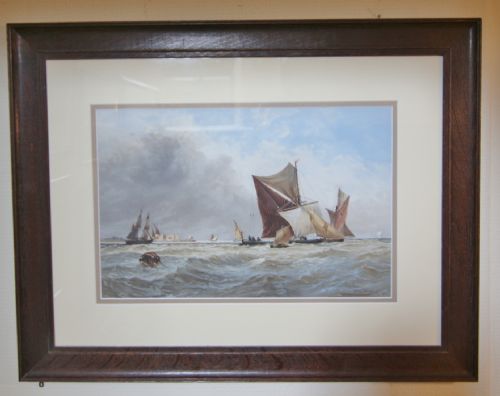
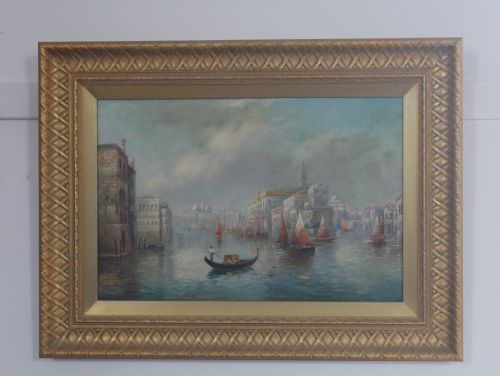
The selection on this page relies heavily on traditional oil paintings on canvas and delicate watercolours on paper. Subjects range from busy English harbours like St Ives and Portsmouth to quiet beach scenes and international coastal waters.
Many works bear the signatures of recognised nineteenth-century marine artists, while others originate from regional British schools. Buyers find both intimate watercolours intended for domestic interiors and large-scale canvases designed for prominent display.
How they were made
Makers utilised oil on canvas and watercolour on paper as primary mediums, often housed within period gilt wood frames. Canvas supports receive multiple layers of oil paint to build texture in rough waves and cloud formations.
Watercolour paintings employ fluid washes on paper to capture atmospheric coastal light and marine weather conditions. Giltwood and wood frames complete the construction, preserving the fragile paper and canvas works from environmental damage.
Several artists clearly spent hours watching tiny sailing ships battle rough waves just to paint them.
What varies in quality
Quality separates through the artist's command of maritime perspective and atmospheric lighting. Superior works capture the precise rigging of sailing vessels and the natural movement of water during storms.
Condition of the canvas, paper, and original frame influences the overall standing of each piece. Surviving signatures and documented artist attributions elevate the historical weight of individual marine paintings.
James Orrock·William Banks Fortescue·Francis Moltino·Bernard Benedict Hemy·Thomas Creswick·TB Hardy·John Wilson Carmichael·William Henry Williamson·George Stanfield Walters·Abraham Hulk I·John Moxon·William Frederick Settle·Charles William Wyllie·Charles William Adderton·Daniel Sherrin·Thomas Bush Hardy
The Victorian Seascape Wall Art Glossary
- Oil on Canvas
- A painting medium where pigments are suspended in drying oils and applied to a woven fabric stretched across a wooden frame. This technique allows for rich texture and deep colour saturation in marine scenes.
- Watercolour
- A painting method where water-soluble pigments are applied to paper to create translucent washes of colour. It is frequently utilised for delicate coastal sketches and detailed harbour views.
- Gilt Wood
- Wood carved and coated with a thin layer of gold leaf or metallic gilt paint. Period frames utilise this material to enhance the visual depth of Victorian paintings.
- Maritime Art
- Artistic works that depict or draw inspiration from the sea, ships, and coastal environments. This overarching category includes both naval battles and quiet fishing village scenes.
- Sea Stack
- A geological landform consisting of a steep and often vertical column or columns of rock in the sea. Artists frequently include these formations to add dramatic scale to coastal views.
Victorian Seascape Wall Art: Frequently Asked Questions
What subjects appear in these works?
Paintings show sailing ships, fishing boats, coastal cliffs, and busy harbour scenes from the nineteenth century.
Artists recorded specific British locations alongside imagined or foreign maritime settings.
How do oils and watercolours differ?
Oil paintings utilise heavy pigments on canvas to build rich textures for stormy seas and dramatic clouds.
Watercolours apply transparent washes to paper for lighter atmospheric effects and detailed harbour studies.
How should these pieces be displayed?
Works require placement away from direct sunlight to protect fragile watercolours and oil pigments from fading.
Original gilt wood frames provide structural support and historical context for the wall art.
How are periods identified?
Dates rely on artist life spans, style markers, and period framing techniques recorded in the evidence.
Signatures and contemporary documentation help place works within the nineteenth-century Victorian era.