


Victorian Framed Canvas Painting
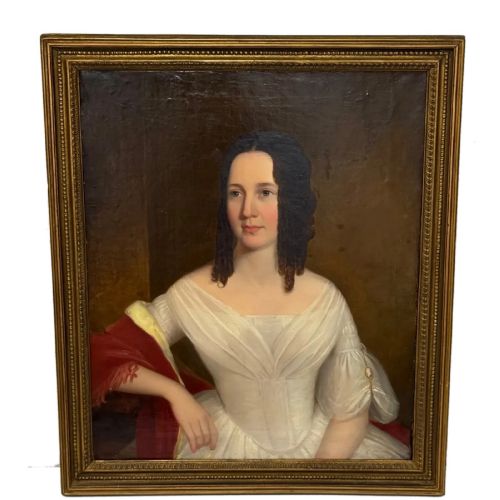
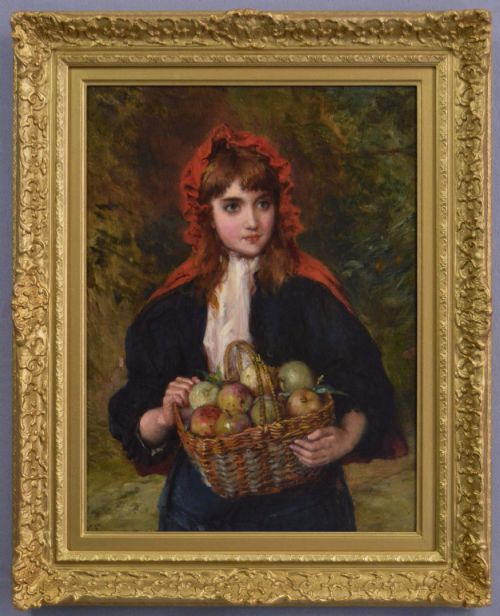
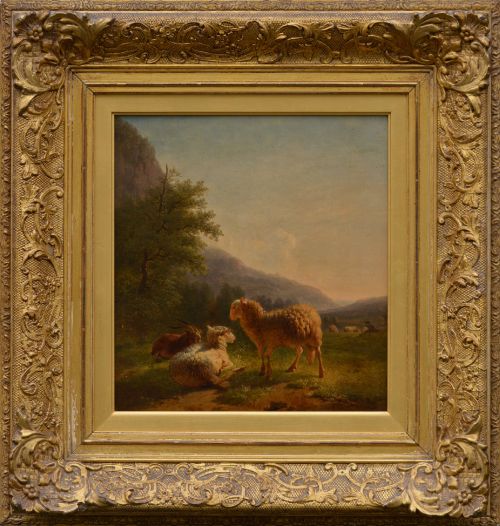
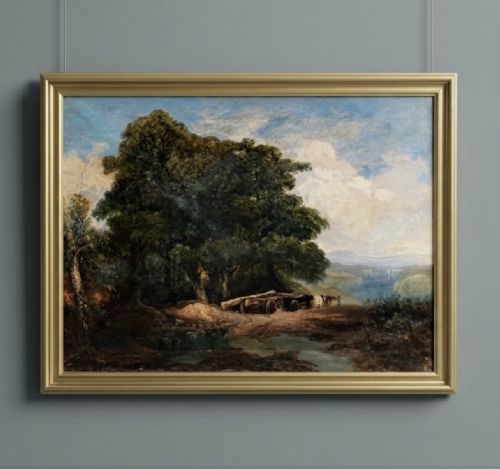
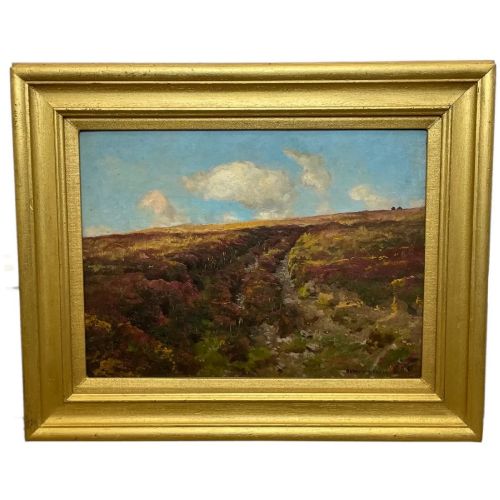
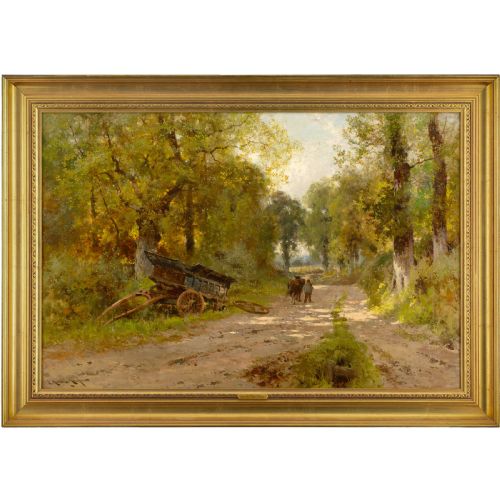
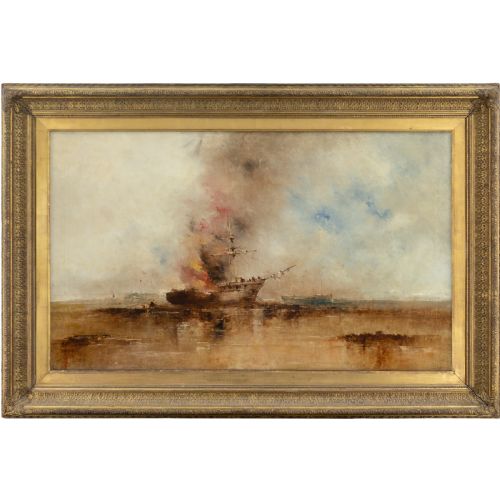
A victorian framed canvas painting brings nineteenth-century portraiture, maritime scenes, and pastoral landscapes into contemporary rooms through oil on canvas housed in period surrounds.
Victorian Framed Canvas Painting
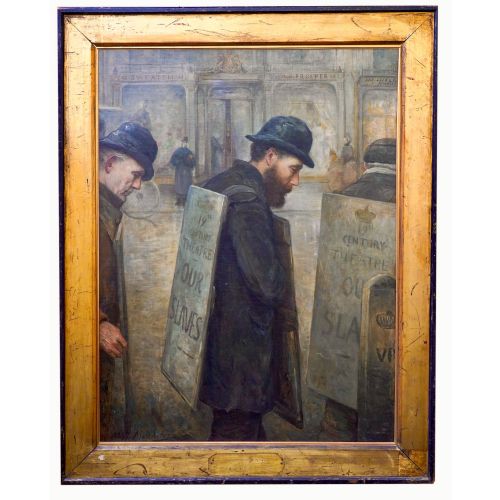
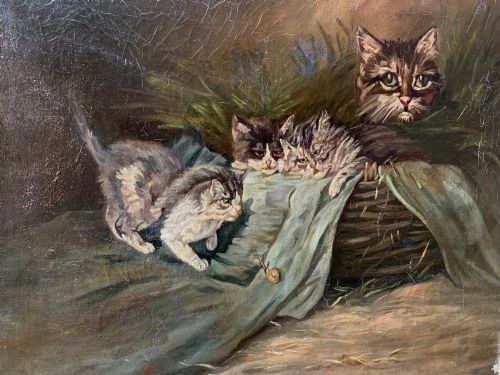
A victorian framed canvas painting comprises original nineteenth-century oil works executed on woven fabric supports and enclosed in protective surrounds. The subjects span British and continental landscapes, domestic genre scenes, and formal portraiture.
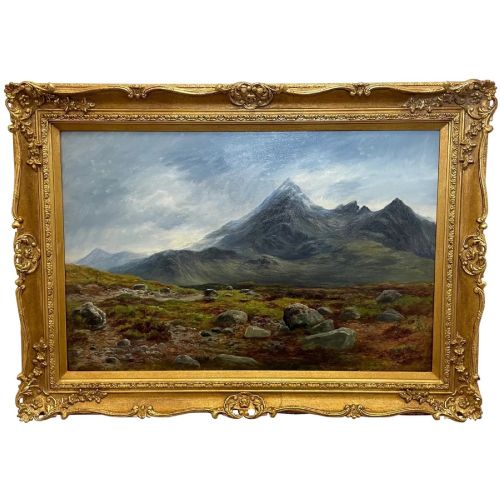
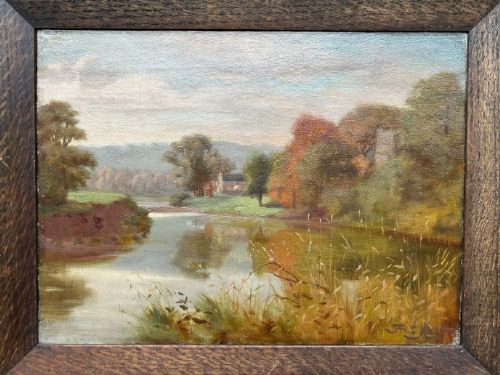
Most examples originate from the period between 1850 and 1900, reflecting academic realism and regional school traditions. Landscapes feature Scottish mountains and rural woodlands, while portraits record gentlemen, ladies, and animals.
The associated surrounds form an integral part of the piece, combining carved wood and moulded ornament. These frames often carry original gilding or surface treatments applied during the Victorian era.
Materials and Construction
The primary structural components consist of woven canvas stretched over wooden stretcher frames, receiving layers of oil paint applied with brushes. Selected pieces utilise canvas laid onto board for additional rigidity.
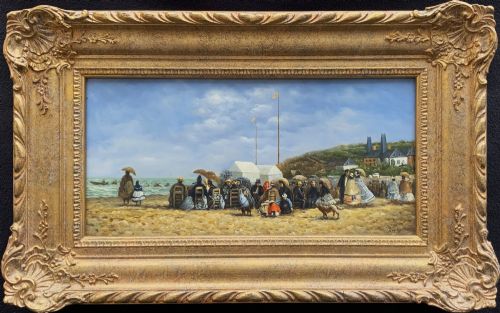
Surrounds are constructed from timber mouldings enriched with gesso, a plaster-like mixture shaped to form decorative reliefs. These wooden frames are finished with gold leaf or metallic paint applications.
Listings feature nineteenth-century oil on canvas works housed in wood and gesso frames.
Elements of Quality
The execution of the painted surface dictates visual success, seen in the handling of light, anatomical precision, and compositional balance. Works by established academic painters demonstrate superior brushwork compared to unsigned provincial school pieces.
The relationship between the canvas and its surround affects overall integrity, as period-matching frames contribute historical coherence. Intricately moulded gesso work preserved in original condition holds greater visual weight than later replacement surrounds.
William Oliver·Eugène Verboeckhoven·Richard Sebastian Bond·William Beattie-Brown·Felix Stone Moscheles·Valentine T Garland·John Maler Collier·Frederick Marriott·Arthur Wardle·John Horace Hooper·William McAlpine·Sir Joshua Reynolds·Alfred Fontville de Breanski Jr·Stephen Samuel Lewin·John Rose Miles·Vittorio Reggianini·Thomas W Lascelles·Mark William Langlois·David Bates·Samuel De Wilde·Thomas Smythe·Albert Clark·Alfred Lyndon Grace·W.R. Waters
The Victorian Framed Canvas Painting Glossary
- Canvas
- A heavy woven fabric stretched across a wooden frame to serve as a foundation for oil paint.
- Gesso
- A plaster mixture applied to wooden frames and moulded into decorative reliefs before gilding.
- Giltwood
- Timber treated with gold leaf or gold-coloured metallic finish to create a lustrous surface.
- Genre painting
- Artwork depicting scenes from everyday life, such as domestic interiors or rural activities.
- Academic
- Art produced under the influence of European academies, following established standards of composition and finish.
Victorian Framed Canvas Painting: Frequently Asked Questions
How do I clean a Victorian oil painting?
Dust accumulation can be managed gently with a soft, dry brush, avoiding moisture or household cleaning solutions. Professional conservators should handle deeper cleaning to protect the pigment layers.
Surface varnishes applied during the nineteenth century yellow over time and require specialist removal. Attempting DIY restoration risks damaging the original oil paint beneath.
Are these paintings always signed by the artist?
Many works bear the artist's signature or monogram, usually located near the lower corners of the canvas. Others remain unattributed, assigned instead to specific regional schools based on stylistic evidence.
Unsigned paintings still reflect the technical standards and subject matter of their period. Attribution is often determined through comparative study of brushwork and framing materials.
How should I hang a framed canvas painting?
Weight distribution requires sturdy wall fixings suited to the combined heft of timber stretchers, canvas, and heavy gesso frames. Professional picture hooks or brackets screwed into wall studs provide secure support.
Direct sunlight and fluctuating humidity near radiators cause canvas to warp and paint layers to crack. Selecting an interior wall with stable temperature conditions preserves the longevity of the artwork.