
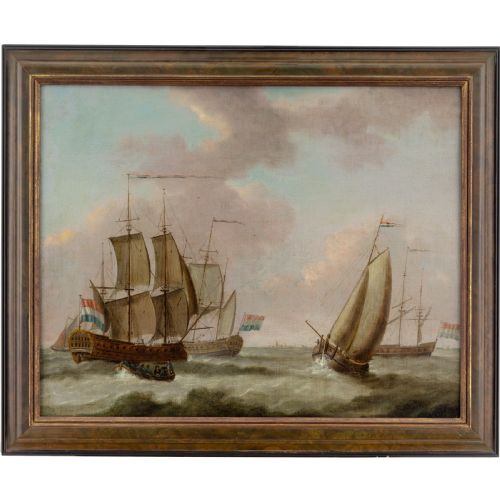
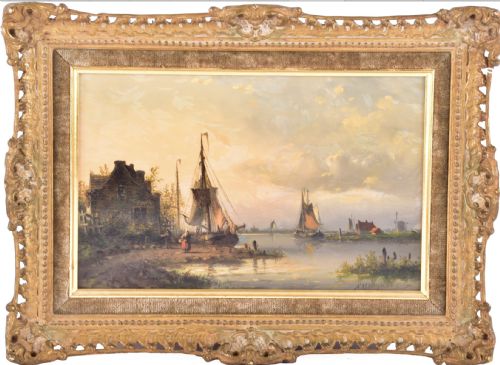
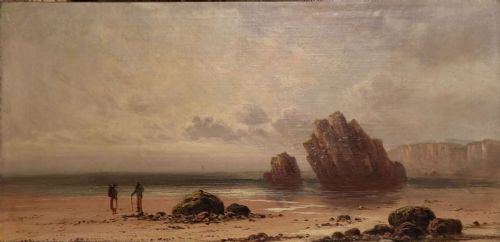

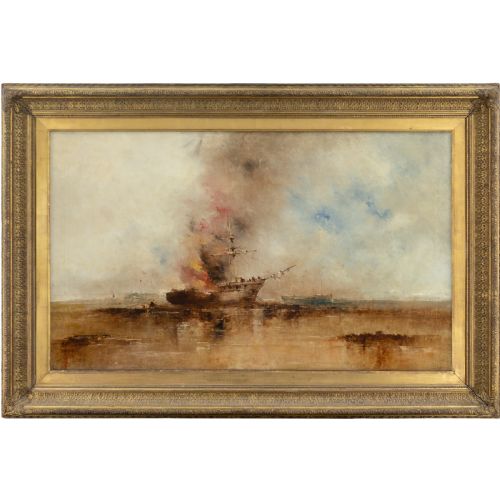


Brown Marine Oil Painting
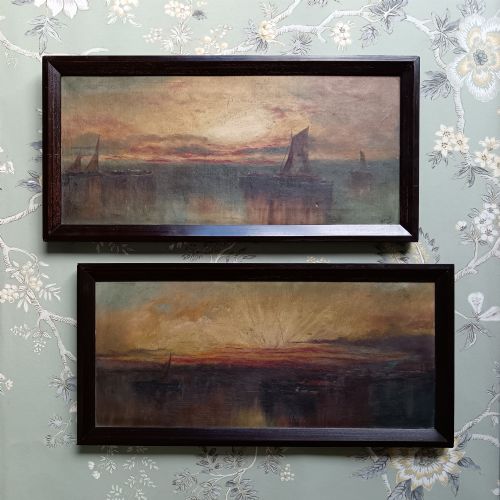
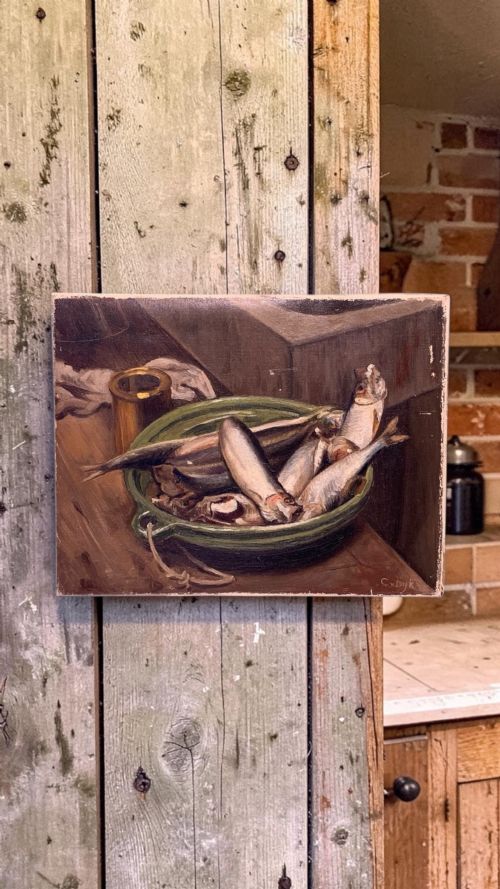
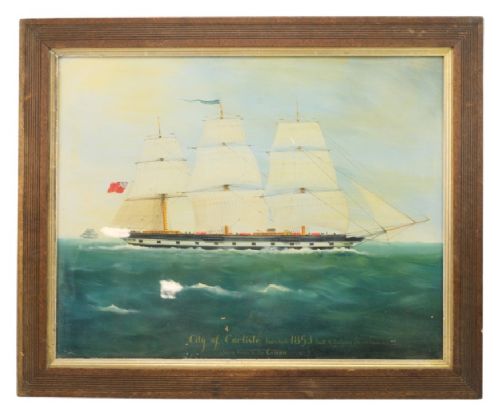
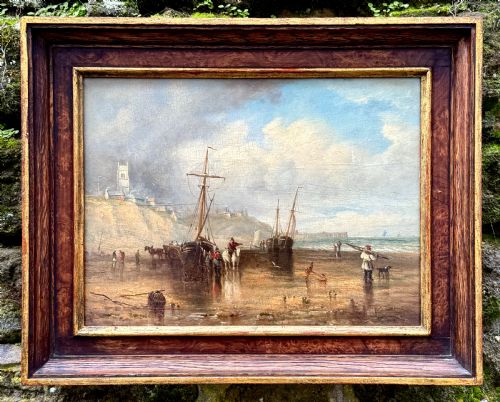
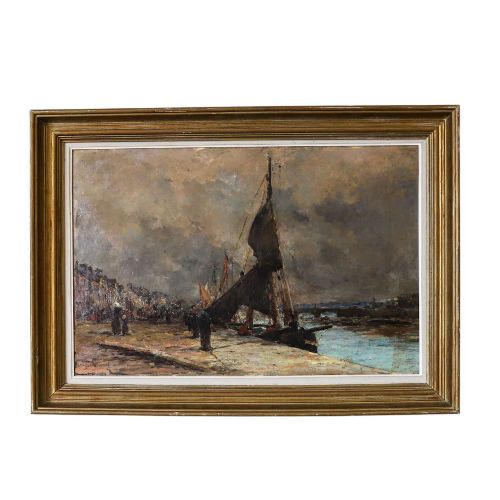
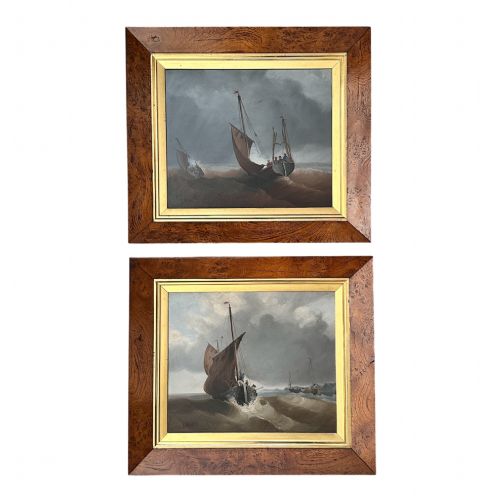
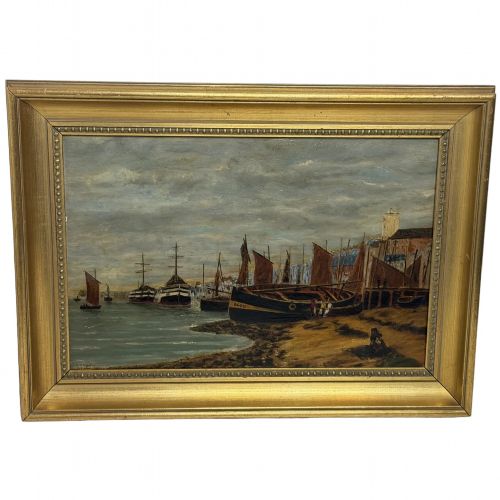
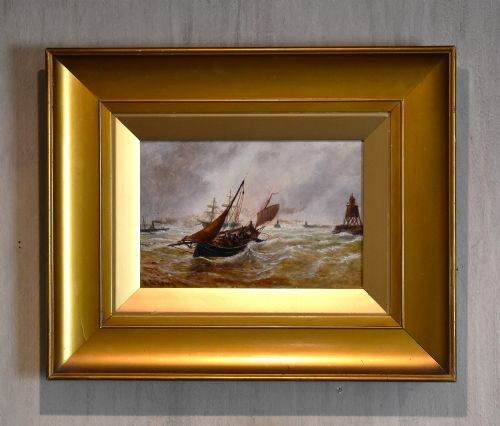
When you search for a brown marine oil painting, you are looking at coastal scenes, ships, and harbours captured in oil on canvas or board.
Brown Marine Oil Painting
A brown marine oil painting brings historical maritime subjects into domestic spaces, recording ships, coastal views, and harbours. The selections available here span from the 18th century through the Victorian era and into the mid-20th century, covering periods such as 1900, 1910, 1920, 1930, 1950, 1870, and 1890.
The visual focus centres on water, vessels, and shorelines, often categorised under British Impressionism, Victorian Maritime, Post-Impressionism, and 19th Century Realism. Common formats include oil paintings, wall art, and fine art pieces depicting scenes ranging from naval engagements to quiet estuaries.
Most examples originate from British and European hands, capturing local harbours like North Shields and the River Tyne, alongside international shipping lanes and coastal waters. Buyers encounter works rendered on canvas, wood panels, and board, frequently set within period gilt frames.
How they were made
Makers applied oil paint to stretched canvas, wood panels, or rigid board, utilising the rich opacity of the medium to build depth in stormy skies and rolling waves. Gilt frames frequently enclose these works, providing a decorative boundary that complements the dark tonal palette.
Artists handled oil pigment with brushes and sometimes palette knives to build texture, capturing the weight of sailing ships, steamships, and heavy coastal waters. The physical support - whether woven canvas or solid wood - dictated the longevity and surface character of each painting.
Listings span the 18th, 19th, and mid-20th centuries, featuring oil paint applied to canvas, wood, and board.
What varies in quality
The standard of a marine oil painting rests upon the artist's command of maritime architecture, rigging accuracy, and the natural movement of water and light. Works by documented painters such as Gustave de Bréanski, John Moore of Ipswich, or Bernard Benedict Hemy demonstrate a sharper articulation of vessel structures and atmospheric conditions.
Compositional balance and the preservation of the original paint surface differentiate standard decorative works from fine art pieces. Surviving canvases retaining their original gilt frames and clear signatures command greater interest among collectors.
Kenneth Cozens·William McAlpine·B. Nash·F. Corpuz·Thomas Creswick·John Moore of Ipswich·Bernard Benedict Hemy·Gustave De Bréanski·Edward Henry Eugene Fletcher·T.S. Wallis·George Henry Knight·John Callow·Sam Bough·Owen Bowen·Paul Jean Clays·J Wilson·William Greaves·Ludwig Hermann
The Brown Marine Oil Painting Glossary
- Oil on Canvas
- A traditional painting medium where oil paint is applied to a woven fabric support stretched over a wooden frame. This combination allows for rich colour blending and textured brushwork.
- Gilt Frame
- A wooden picture surround covered with a thin layer of gold leaf or metallic gilt paint. These frames often accompany 19th-century and Victorian paintings.
- Board
- A rigid flat panel used as a painting support instead of fabric canvas. Artists frequently utilised wood or composition board for smaller plein air studies.
- Estuary
- The tidal mouth of a large river where the tide meets the stream. These locations provided marine artists with subjects combining shipping traffic and coastal geography.
- Maritime Art
- Depictions of the sea, ships, and coastal life. This category encompasses naval battles, commercial shipping, and quiet beach scenes.
Brown Marine Oil Painting: Frequently Asked Questions
What subjects appear in these paintings?
These works depict coastal scenes, shipping vessels, harbours, and naval engagements. Common motifs include fishing boats, steamships, estuaries, and stormy seas.
Artists recorded specific locations such as North Shields, Scarborough, and the River Tyne, as well as broader maritime views.
How do I identify the age of a painting?
Dating relies on stylistic evidence, artist signatures, and the physical materials of the canvas and frame. Victorian and 19th-century works often feature specific rigging types and clothing styles on coastal figures.
Examine the back of the canvas or board for period inscriptions, maker stamps, or exhibition labels that help narrow the date.
Are these paintings supplied with frames?
Many listings include period gilt frames that complement the aesthetic of 19th-century and Victorian art. These frames are part of the historical presentation of the piece.
Check individual item details to confirm whether a specific artwork retains its original frame.
What is the difference between canvas and board supports?
Canvas provides a flexible woven surface stretched over a wooden frame, allowing for larger compositions and visible texture. Board is a rigid, flat panel that was often used for smaller, portable sketches.
Both supports were widely used across the 19th and mid-20th centuries by marine painters.