

Victorian Screen
A victorian screen serves to block the fierce heat of a hearth or divide a large chamber.
Victorian Screen
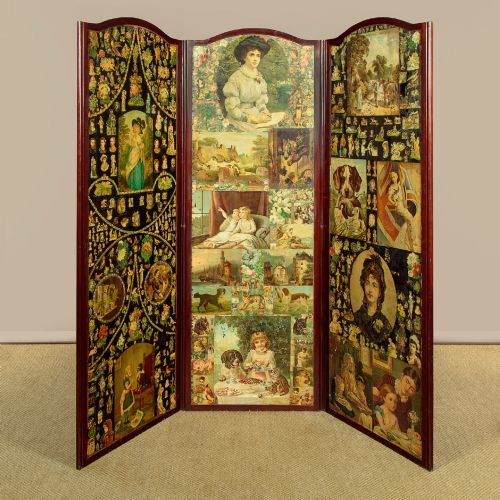
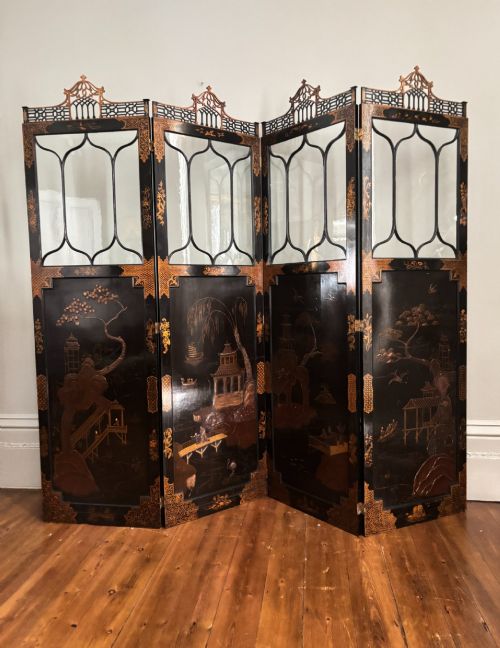
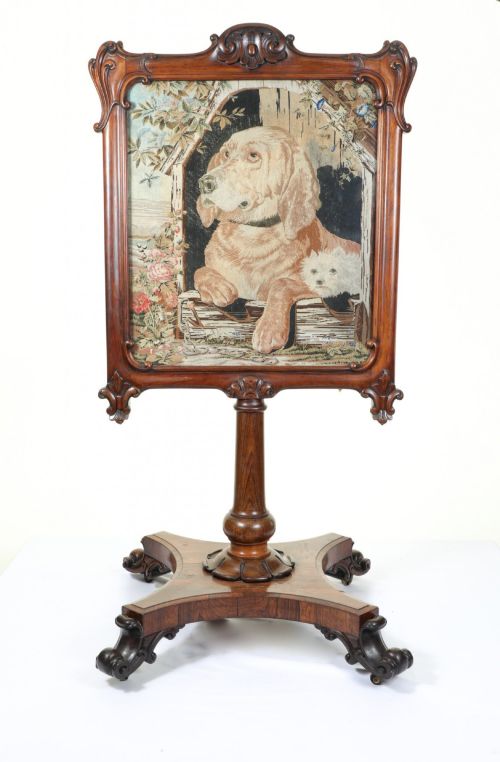
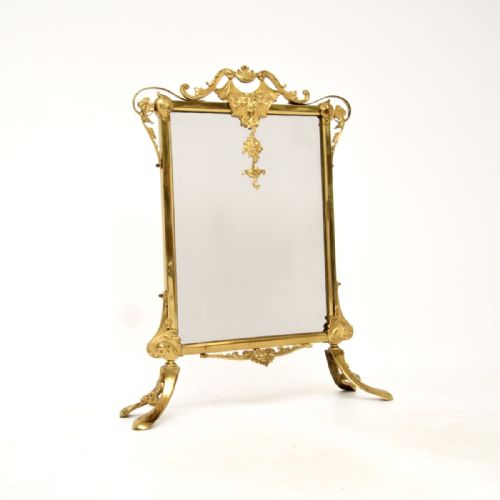
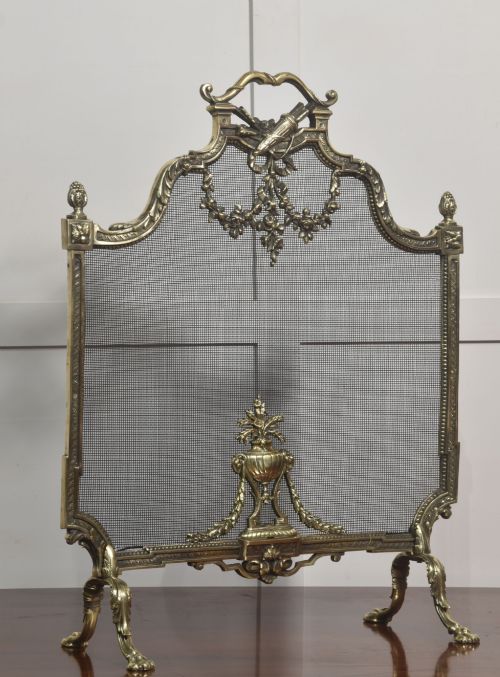
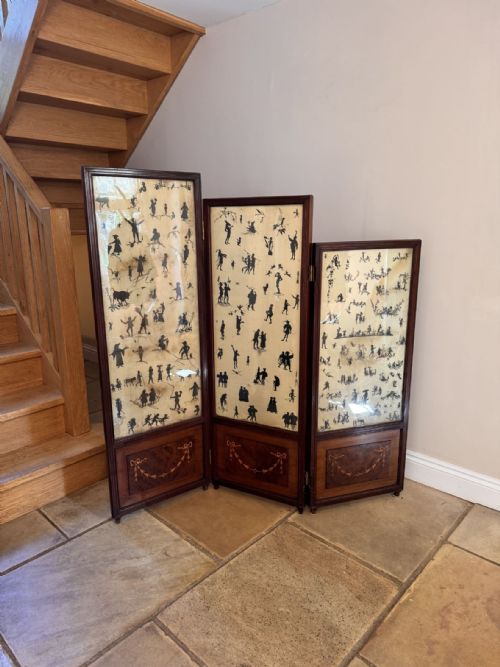
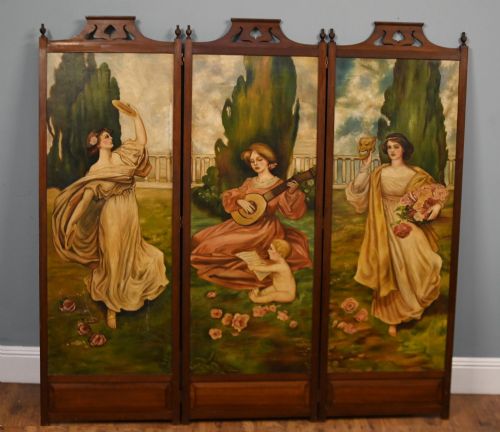
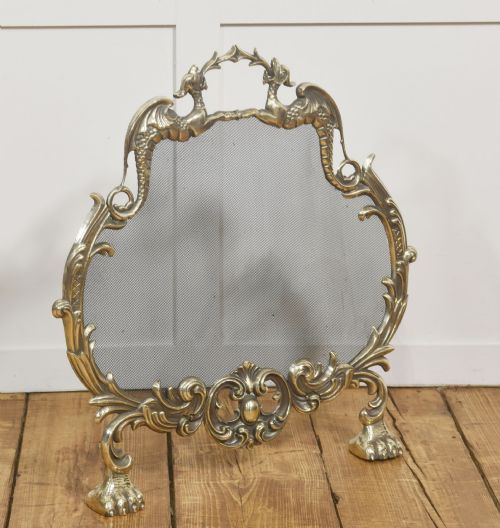
When you search for a victorian screen, you encounter objects designed primarily for the fireside or for partitioning a room. The selections on this page range from modest single-panel brass fire guards to multi-fold room dividers and tall pole screens with adjustable panels.
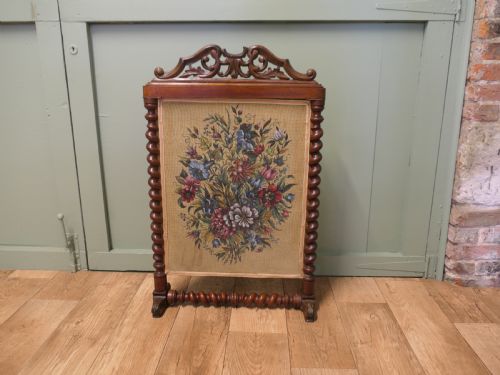
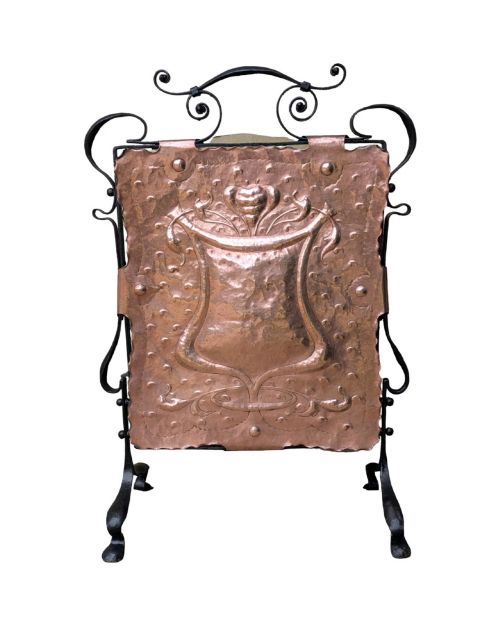
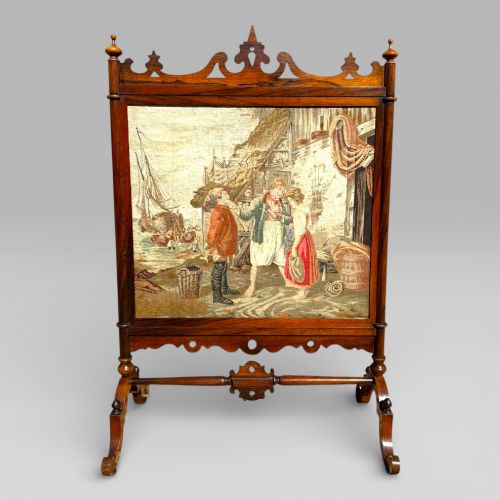
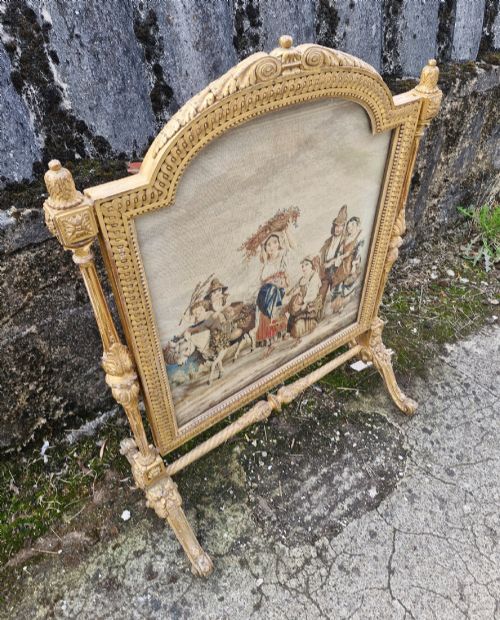
The materials span solid timbers such as mahogany, rosewood, and walnut, alongside metals like brass, copper, and iron. Many pieces incorporate decorative textile panels, needlework, tapestry, or painted canvas to soften the appearance of the interior.
Makers of the period utilised various revival styles, including Rococo, Louis XVI, and Gothic, as well as the linear aesthetic of the Arts and Crafts movement. Folding fan screens and nursery guards represent the practical domestic requirements of nineteenth-century households.
Materials and construction
Makers constructed frames from dense hardwoods like rosewood and mahogany, or cast and worked metals such as brass, iron, and copper. Wooden frames often feature intricate inlay, carving, or gilt finishes, while metal iterations rely on pierced work, wire mesh, and hinged joints.
Infill panels typically consist of hand-stitched needlework, wool tapestry, Berlin work, or painted canvas held securely within the primary framework. Folding panels utilise sturdy fabric or metal hinges to allow smooth articulation across multiple folds.
Victorian Screen Retail Price Guide 2026
Typical asking prices for victorian screen among the pieces listed under this phrase on Sellingantiques today, from the lower quarter to the upper quarter. They describe what is for sale here now, not the wider market.
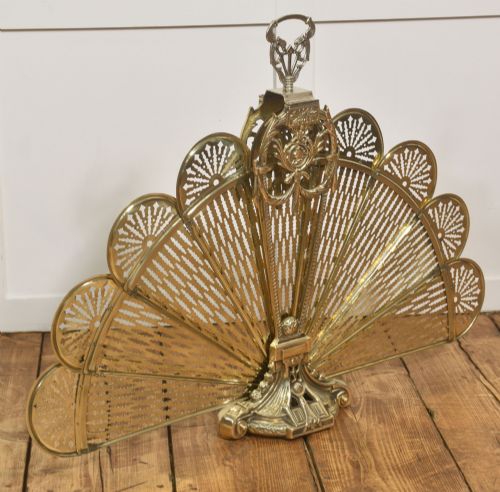
Several brass peacock screens transform the hearth into an opulent metallic bird display when the fire goes out.
Distinctions in craftsmanship
Quality reveals itself in the weight of the metalwork, the tightness of the joinery, and the fineness of the needlework or painted detail. Superior examples display crisp casting on brass frames and robust, stable hinges that support multi-fold panels without sagging.
Simpler iron wire guards and basic wooden frames contrast with elaborately carved rosewood poles, bevelled glass inserts, and hand-embroidered armorial panels. The refinement of the decorative carving and the integrity of the original textiles determine the standing of the piece.
The Victorian Screen Glossary
- Pole screen
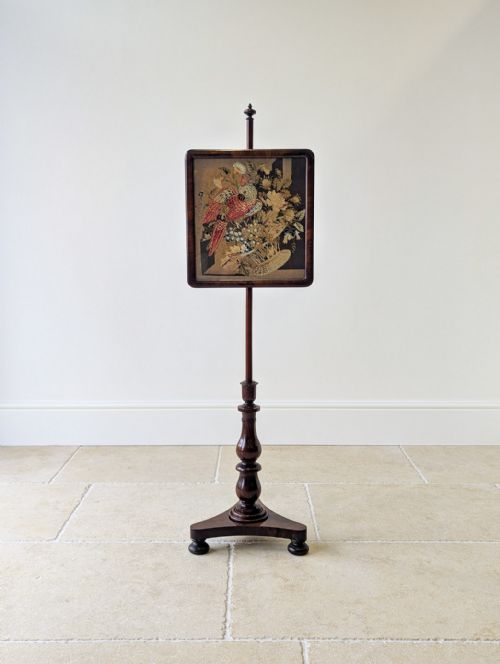
- A fireside screen featuring a vertical wooden pole with an adjustable panel that slides up and down to deflect heat from the face.
- Nursery screen
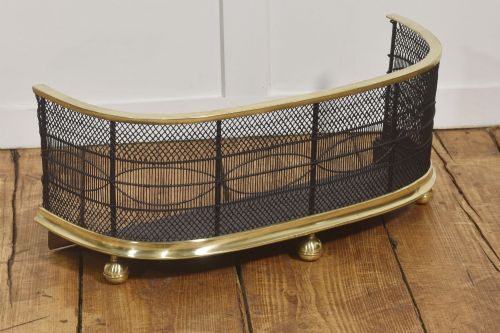
- A low folding or mesh guard originally intended to keep children safely away from open flames in the parlour.
- Berlin work
- A style of point counterpoint embroidery popular during the nineteenth century, often worked in wool on canvas.
- Peacock fan
- A folding metal fire screen whose articulated blades spread outward to resemble the tail feathers of a peacock.
- Cheval screen
- A framed panel supported by two vertical pillars and feet, allowing the central screen to tilt on a horizontal axis.
Victorian Screen: Frequently Asked Questions
What is a pole screen?
A pole screen is a tall, slender stand holding an adjustable panel that nineteenth-century occupants raised or lowered to shield their faces from hearth flames.
These pieces usually stood near the fireplace and functioned as both practical heat reflectors and displays for fine needlework.
How were fire screens used?
Fire screens were positioned in front of domestic hearths during warmer months when fires were unlit, or placed strategically to block radiant heat when fires burned brightly.
Multi-panel versions also served to divide large rooms into intimate zones or to conceal open doorways from draughts.
What materials are common?
Frames are predominantly constructed from brass, cast iron, copper, rosewood, mahogany, or walnut.
Infill materials include wire mesh, hand-stitched needlework, painted canvas, stained glass, and silk panels.
How do I identify a nursery screen?
Nursery screens generally feature sturdy wire mesh or low multi-fold frames designed to enclose the hearth area securely.
Their construction prioritises stability and protection rather than delicate decorative needlework.