




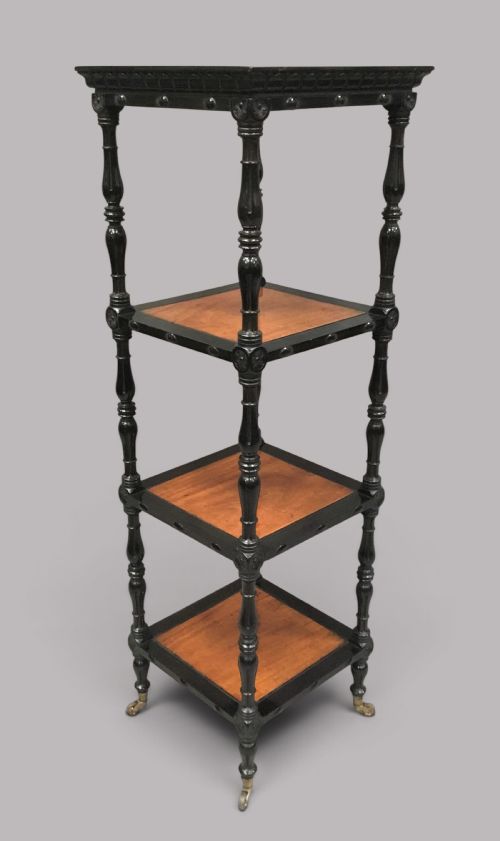


Victorian Satinwood Bookcase
A victorian satinwood bookcase brings bright, figured timber and refined glazing into a room, offering both display and storage for a serious collection.
Victorian Satinwood Bookcase
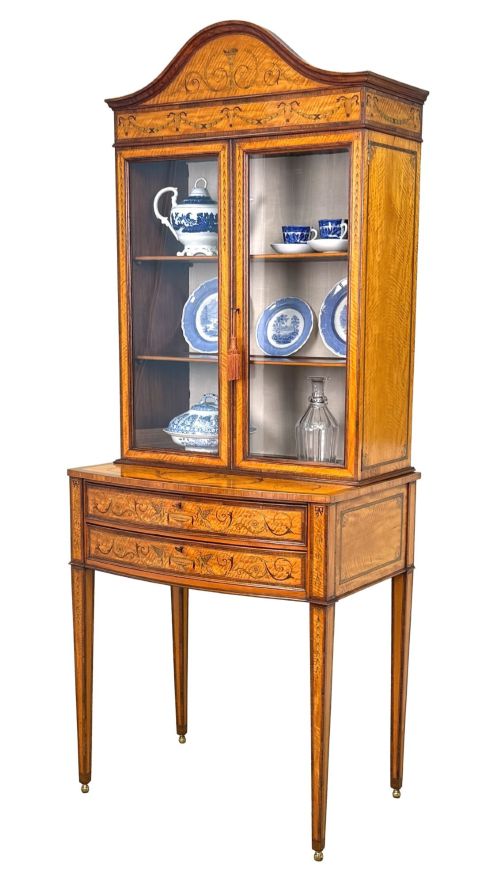
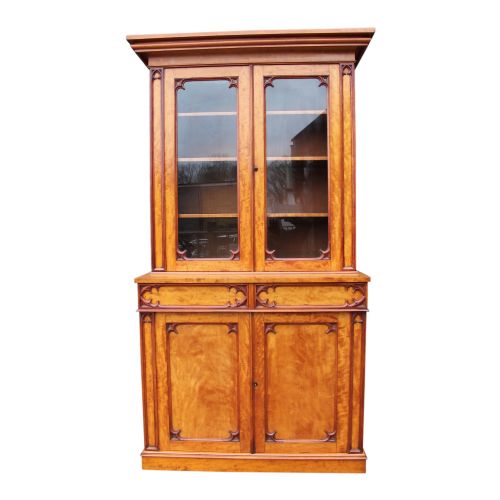
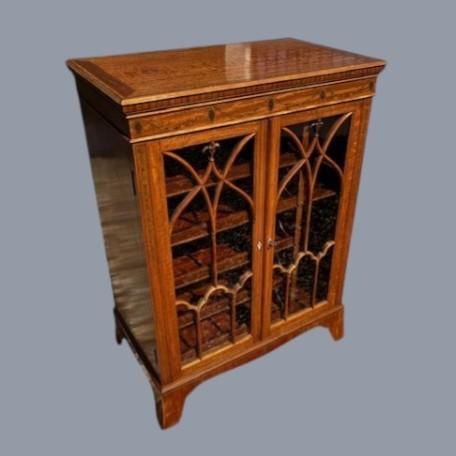
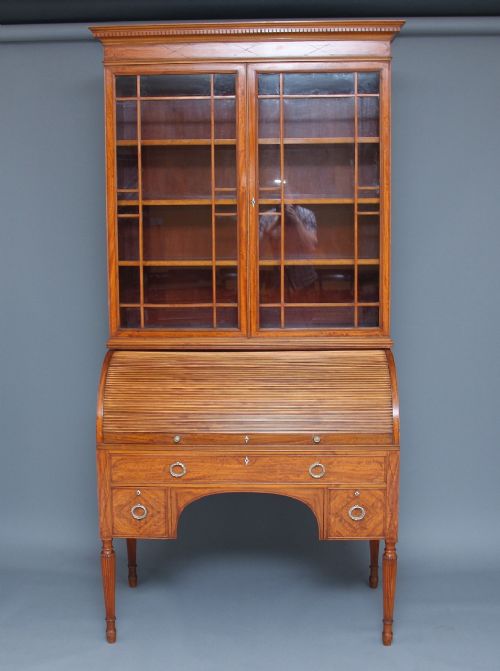
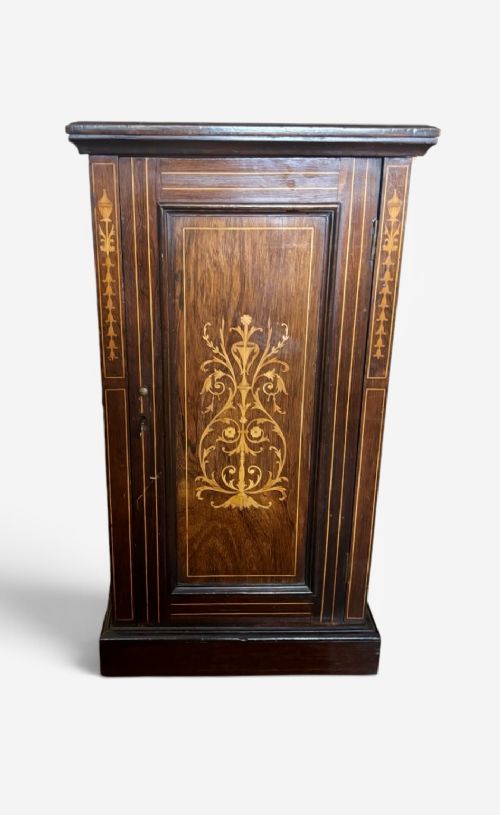
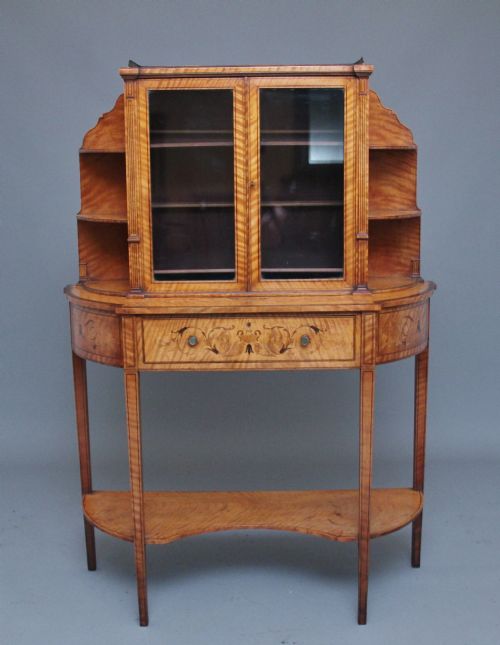
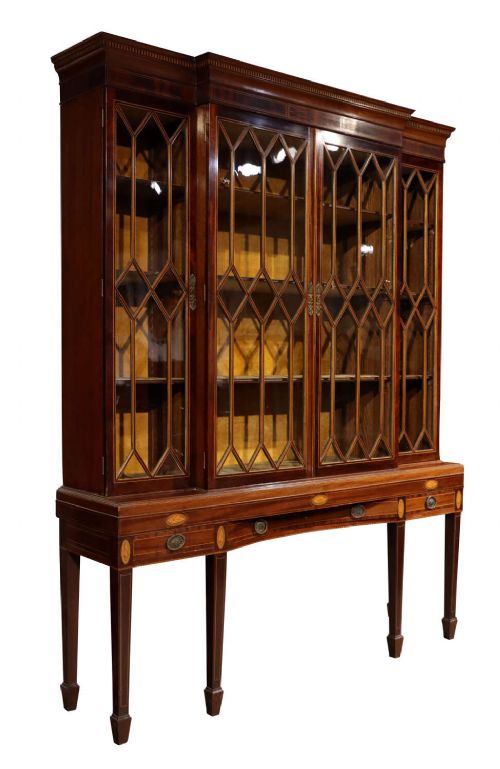
When you search for a victorian satinwood bookcase, you encounter pieces spanning the nineteenth century, including late Victorian and Edwardian iterations alongside revivalist interpretations. The forms range from grand breakfront glazed bookcases and cylinder desks to smaller open shelves, pier cabinets, and revolving book tables. Many examples incorporate intricate marquetry, pairing the pale, lustrous yellow timber with darker woods like mahogany, rosewood, or ebony.
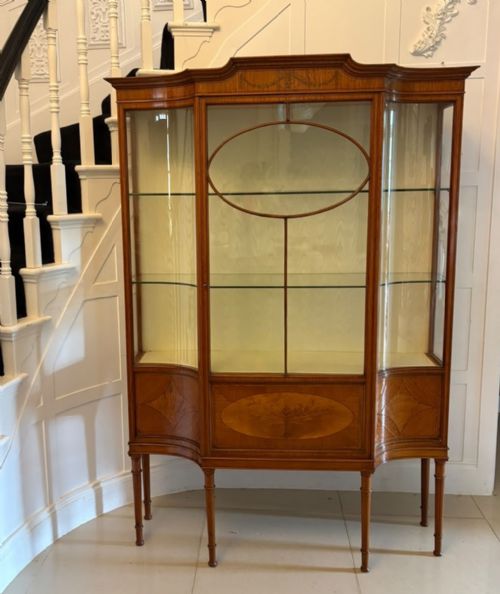
Makers of the period applied these timbers to both freestanding display cabinets and bureau bookcases, drawing heavily on Sheraton Revival and Aesthetic Movement design vocabularies. You will find items featuring glass doors, brass hardware, and occasionally mirror backs or porcelain panels, reflecting the varied domestic requirements of late nineteenth-century interiors. These pieces served as both practical libraries and formal display furniture in principal rooms.
Distinctions in Quality
The standard of a piece rests heavily on the selection and grain pattern of the satinwood veneer, where highly figured timbers command greater visual presence. Precision in the execution of the marquetry inlay and the tightness of the mitred joints distinguish workshop output.
Victorian Satinwood Bookcase Retail Price Guide 2026
Typical asking prices for victorian satinwood bookcase among the pieces listed under this phrase on Sellingantiques today, from the lower quarter to the upper quarter. They describe what is for sale here now, not the wider market.
Listings feature pieces spanning the nineteenth century into the Edwardian era, incorporating materials such as satinwood, mahogany, rosewood, glass, brass, and ormolu.
Edwards & Roberts
The Victorian Satinwood Bookcase Glossary
- Satinwood
- A hard, durable tropical timber known for its pale golden colour and natural shimmering chatoyancy. It forms the primary visual surface for high-status nineteenth-century cabinetry.
- Marquetry
- The art of applying decorative veneer pieces to a structure to form intricate pictorial or geometric designs. Craftsmen cut contrasting woods like rosewood and ebony into the satinwood ground.
- Breakfront
- A cabinet design where the central section projects forward from the flanking wings. This architectural arrangement creates depth and focal emphasis in large bookcases.
- Cylinder Bookcase
- A desk and bookcase combination featuring a rolling curved wooden shutter that conceals a fitted writing interior. It combines enclosed workspace with upper display shelving.
- Pier Cabinet
- A narrow freestanding cabinet designed to fit the wall space between windows. These pieces frequently incorporate glazed doors and fine marquetry inlay.
Victorian Satinwood Bookcase: Frequently Asked Questions
How do I date a satinwood bookcase?
Dating relies upon stylistic markers such as Sheraton Revival motifs, Aesthetic Movement lines, or Gothic Revival proportions, alongside construction methods visible in the interior carcase.
Changes in hardware design and the specific secondary woods used behind the satinwood veneer also provide reliable chronological indicators.
Where were these bookcases placed?
These cabinets belonged in principal drawing rooms, libraries, or studies where guests and family gathered. Their bright timber and glass doors were intended to showcase bound volumes and collected ornaments.
Smaller revolving variants and pier cabinets suited more compact spaces or specific architectural wall niches.
How do I care for satinwood furniture?
Protect the polished surfaces by keeping the timber away from direct sunlight and maintaining stable room humidity. Gentle dusting with a dry, soft cloth preserves the sheen of the veneer without damaging the polish.
Avoid placing items with damp bases directly onto the wood to prevent marking the polish.