





Gothic Revival Display Furniture
Gothic revival display furniture brings architectural drama and rich timber into domestic rooms, offering serious collectors monumental bookcases and intricate cabinets.
Gothic Revival Display Furniture
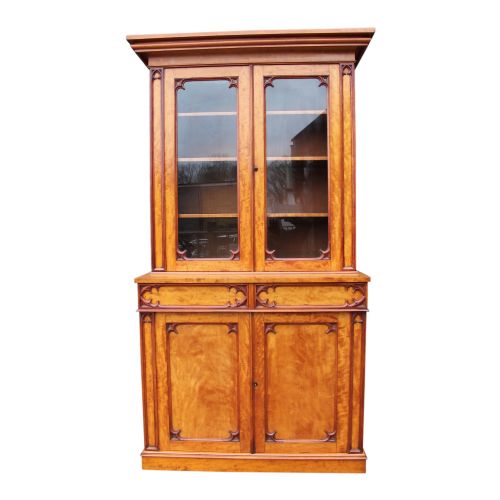
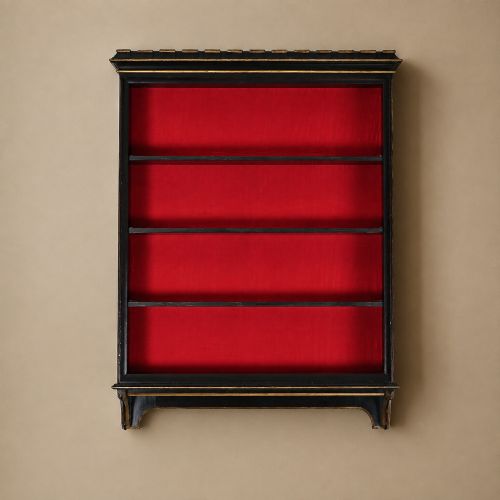
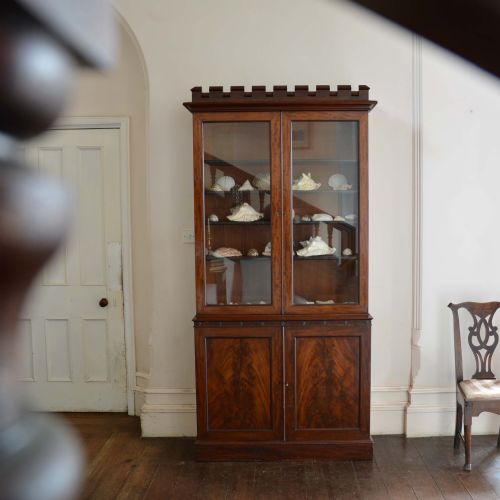
When you search for gothic revival display furniture, you encounter robust timber pieces rooted in nineteenth-century architectural forms. Bookcases, cabinets, and wall shelves dominate the selection, often carrying the heavy stylistic hallmarks of the Victorian era.
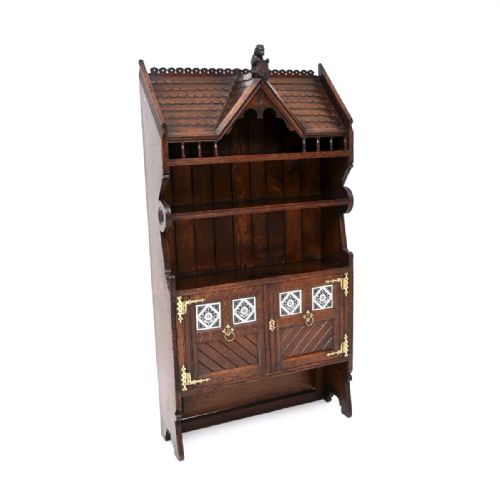
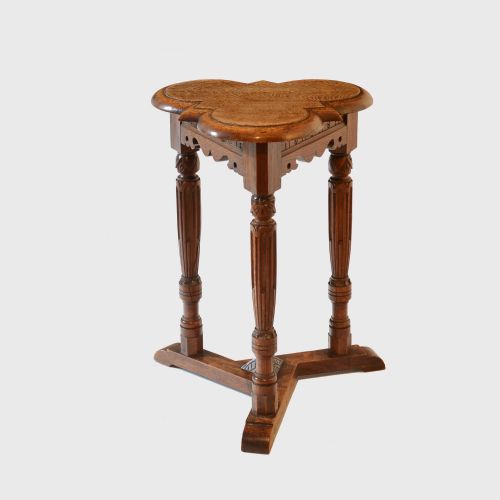
The versions most frequently met on this page span the mid to late nineteenth century, predominantly constructed in oak. These range from substantial breakfront bookcases with glazed doors to compact hanging wall shelves and occasional tables.
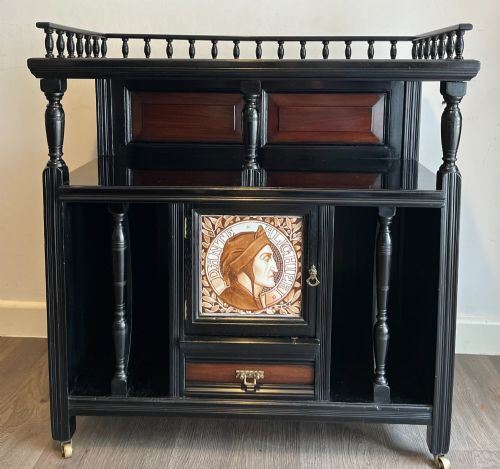
Makers and designers of the period drew heavily on medieval ecclesiastical structures, translating pointed arches and tracery into functional domestic storage. Oak and walnut form the backbone of these listings, occasionally joined by ebonised wood and satinwood.
Materials and construction
Makers relied principally on solid oak and walnut, shaping timber through traditional joinery to support heavy glazed doors and architectural cornices. Brass hardware, including hinges and escutcheons, secures doors and drawers.
Carving remains central to the construction, with artisans rendering trefoils, caryatids, and blind tracery by hand. Glass panels are fitted into glazed frames to showcase books and objects, while ebonised wood provides sharp contrast.
Gothic Revival Display Furniture Retail Price Guide 2026
Typical asking prices for gothic revival display furniture among the pieces listed under this phrase on Sellingantiques today, from the lower quarter to the upper quarter. They describe what is for sale here now, not the wider market.
Several cabinets conceal books behind medieval tracery, treating reading material with the solemn dignity of church archives.
Quality and craftsmanship
The distinction between ordinary and exceptional pieces lies in the crispness of the architectural carving and the selection of timber. Finer cabinets display deeply undercut tracery and well-figured grain rather than flat, mechanically produced mouldings.
Structural integrity and the retention of original glass and brass fittings separate workshop masterworks from standard commercial production. Cabinetmakers of note integrated structural elements like crenelated cornices seamlessly into the overall carcass.
John Moyr Smith·George Edmund Street·James Winter and Sons·Benjamin Taylor and Sons·Augustus Pugin·Gillows
The Gothic Revival Display Furniture Glossary
- Crenelated cornice
- A top moulding shaped to resemble the battlements of a medieval castle. This architectural detail frequently crowns nineteenth-century bookcases.
- Trefoil
- A three-lobed decorative ornament derived from clover leaves. Artisans carved these motifs into panels and fretwork.
- Caryatid
- A sculpted female figure serving as an architectural support. These appear on pedestals and cabinet corners.
- Breakfront
- A cabinet design where the central section projects forward from the flanking wings. This creates depth and variation across large bookcases.
- Ebonisation
- The process of treating timber, often fruitwood or beech, to imitate ebony. This dark finish provides high contrast in aesthetic and gothic pieces.
Gothic Revival Display Furniture: Frequently Asked Questions
How do I spot genuine nineteenth-century gothic pieces?
Examine the construction methods, timber patination, and the integration of architectural motifs. Authentic examples display hand-cut joinery and period-appropriate hardware rather than modern fixings.
Look closely at the carving work, as nineteenth-century artisans utilised distinct chiselling techniques that differ significantly from later revival reproductions.
Where should I place a large gothic bookcase?
These monumental pieces require solid walls and adequate ceiling height to balance their heavy architectural presence. Libraries, studies, and large reception halls provide the appropriate structural scale.
Keep them away from direct heat sources and strong sunlight to protect the aged timber and prevent the historic glass from sustaining thermal stress.
How do I care for antique oak display furniture?
Dust the timber regularly with a soft, dry cloth and apply a quality beeswax sparingly to nourish the grain. Avoid silicone sprays and harsh chemical cleaners that damage old finishes.
Maintain stable humidity levels in the room to prevent the solid oak panels and delicate veneer work from warping or cracking over time.
What is the difference between aesthetic movement and gothic revival?
Gothic revival strictly draws inspiration from medieval ecclesiastical architecture, featuring pointed arches, tracery, and heavy structural forms. Aesthetic movement pieces lean toward simpler lines and refined surface decoration.
Some nineteenth-century items bridge both styles, incorporating medieval mass with the refined detailing characteristic of the later aesthetic period.