


Victorian Salt Cellars
Victorian salt cellars bring sculptural elegance and refined dining history directly to the table.
Victorian Salt Cellars
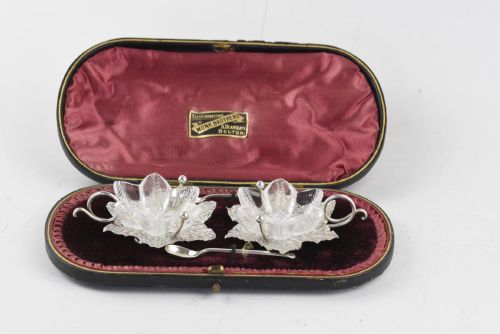
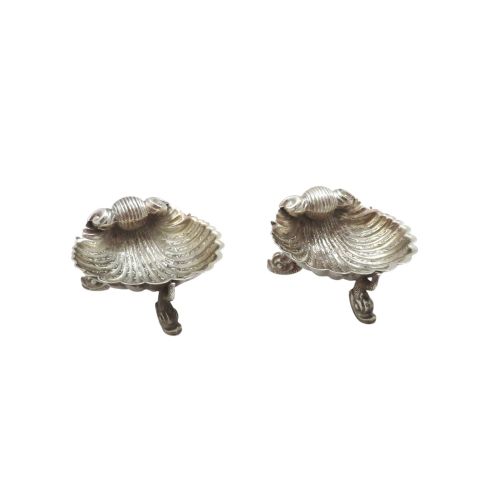
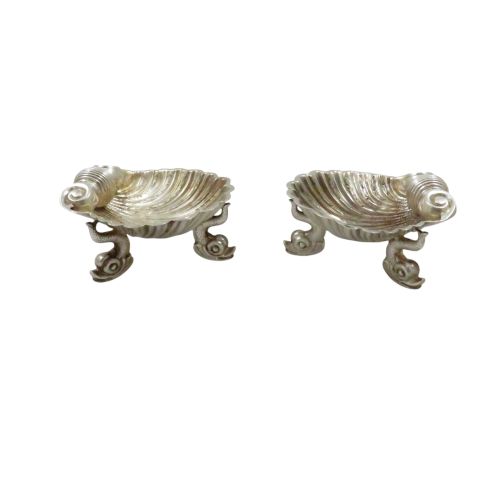
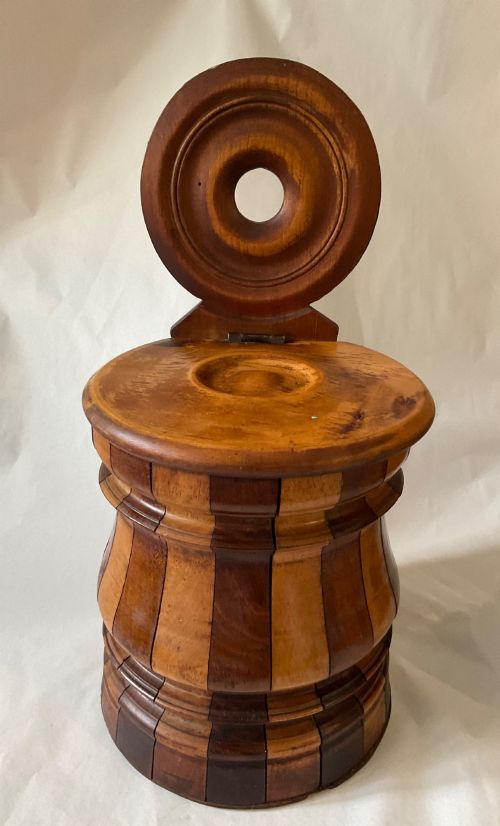
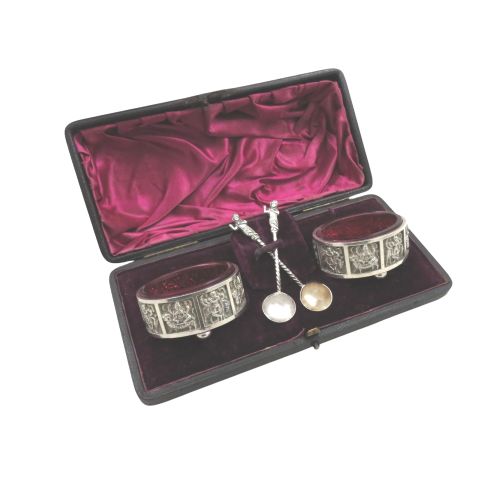
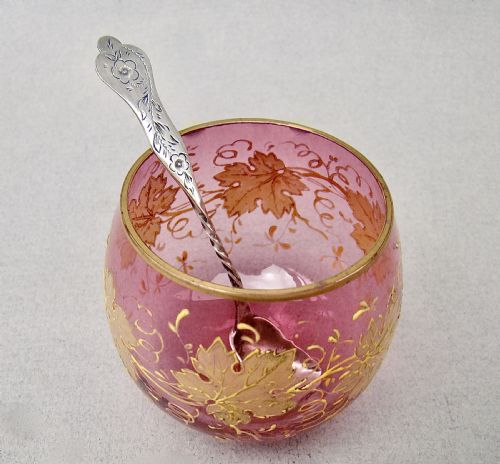
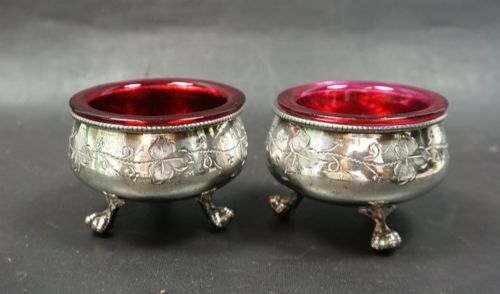
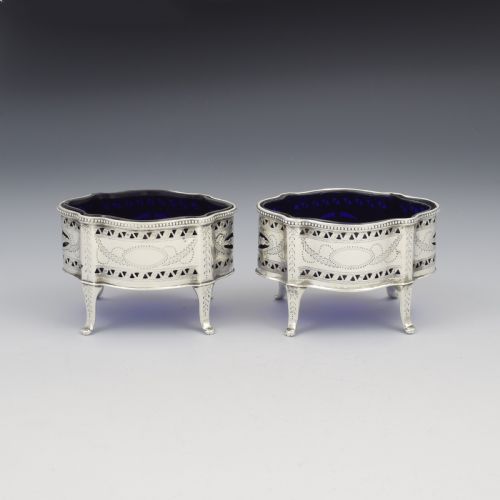
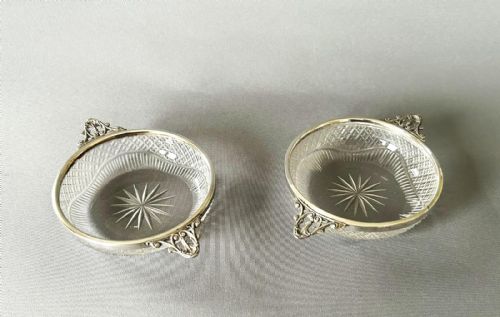
The most common examples on this page are sterling silver or silver plated open salts, frequently raised on feet and paired with coloured glass liners in cobalt, cranberry or clear cut glass. Novelty animal forms and shell motifs also appear regularly.
Makers produced these functional items in diverse stylistic revivals, ranging from rococo curves to aesthetic movement lines, reflecting changing dining customs of the period.
How they were made
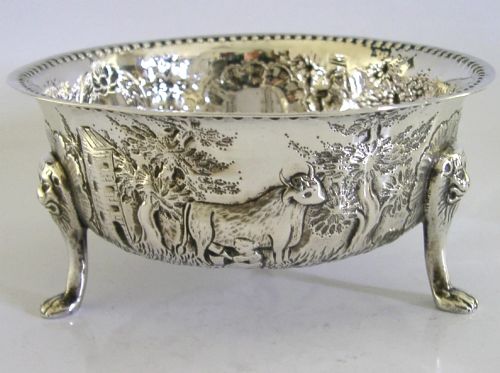
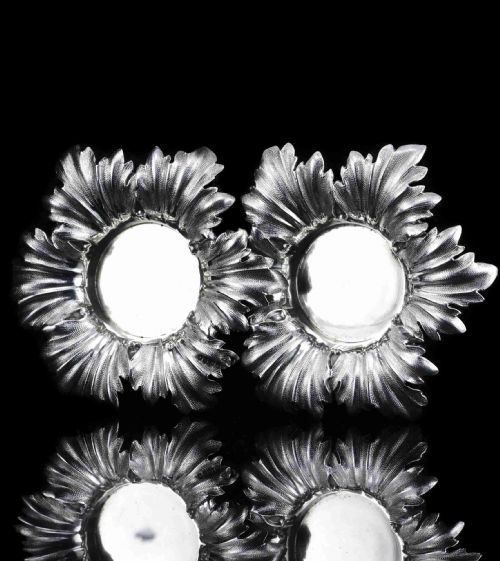
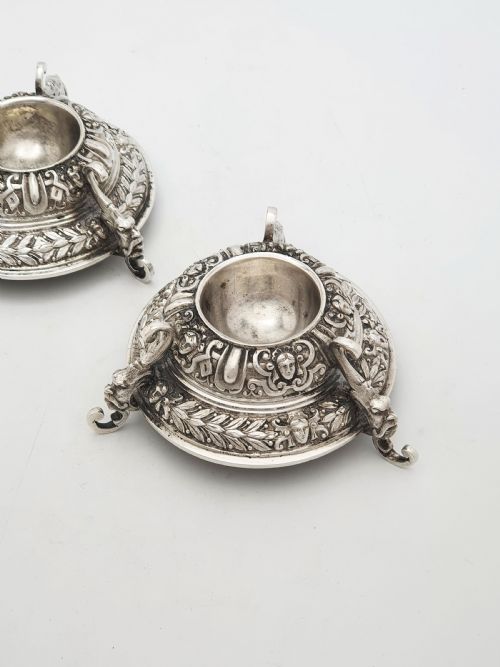
Silversmiths utilised sterling silver and silver plate, shaping metals through piercing, casting and repoussé techniques to create patterned bowls and decorative mounts. Many vessels incorporate hand chased foliate details and applied rims.
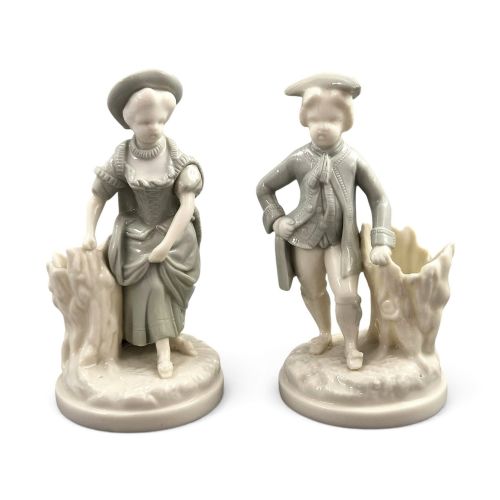
Glassmakers blew and cut coloured glass liners, including cobalt and cranberry variants, to fit neatly inside pierced or solid silver frames. Ceramic works from factories like Royal Worcester and KPM Berlin introduced figural porcelain components.
A tiny chick stands ready with salt, faithfully guarding the dinner table since eighteen seventy.
What varies in quality
Quality in these items rests upon crispness of casting and depth of hand chasing in the metalwork. Pieces featuring well defined animal details or intricate pierced silver display superior craftsmanship compared to plain cast alternatives.
The presence of undamaged original coloured glass liners and matching silver spoons elevates a set. Maker marks, clear hallmarking and complete cased presentation sets indicate higher standards of production.
Barnards·Thomas Smily·George Unite·James Dixon And Sons·Daniel And Charles Houle·F B Thomas And Co·Sampson Mordan
The Victorian Salt Cellars Glossary
- Open salt
- A small table vessel designed to hold loose salt, into which diners dipped pinches of seasoning before shaker bottles became common.
- Cruet set
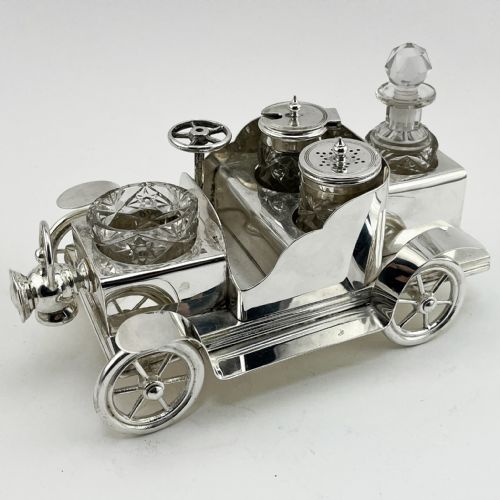
- A matched assembly of condiment containers, often holding salt, pepper and mustard pots within a central metal stand.
- Repoussé
- A metalworking technique where the silversmith hammers and pushes the design from the reverse side to create raised relief patterns on the surface.
- Glass liner
- A removable insert made from cobalt, cranberry or clear glass placed inside metal salt cellars to protect the metal from corrosion by salt.
Victorian Salt Cellars: Frequently Asked Questions
How were salt cellars used at the Victorian table?
Diners used open salt cellars by taking pinches of salt with small spoons or fingers and sprinkling it onto their plates. They sat beside each place setting or were shared between guests.
These pieces required glass liners to prevent the salt from corroding the silver or silver plate beneath.
What are novelty salt cellars?
Novelty salt cellars take whimsical shapes inspired by animals, birds, farmyard scenes, or mythological creatures like dolphins. Makers fashioned these in silver, silver plate and porcelain.
Such pieces added conversational charm and humour to formal nineteenth century dining tables.
How do I identify a Victorian salt cellar?
Identification relies on examining hallmarks for assay office stamps, date letters, and maker marks that place the object within the nineteenth century. Stylistic clues such as Rococo Revival curves or Aesthetic Movement motifs also point to the era.
Materials like sterling silver, silver plate, and characteristic coloured glass liners help confirm the period.
Can I use antique salt cellars today?
These pieces function well for serving salt, spices, or condiments during modern meals. Their small scale also suits holding trinkets or small jewellery on a dressing table.
Careful hand washing preserves the glass liners and delicate silver or plated surfaces.