




Victorian Rosewood Games Table
A victorian rosewood games table brings social history directly into a drawing room through ingenious folding, swivelling, and inlaid playing surfaces.
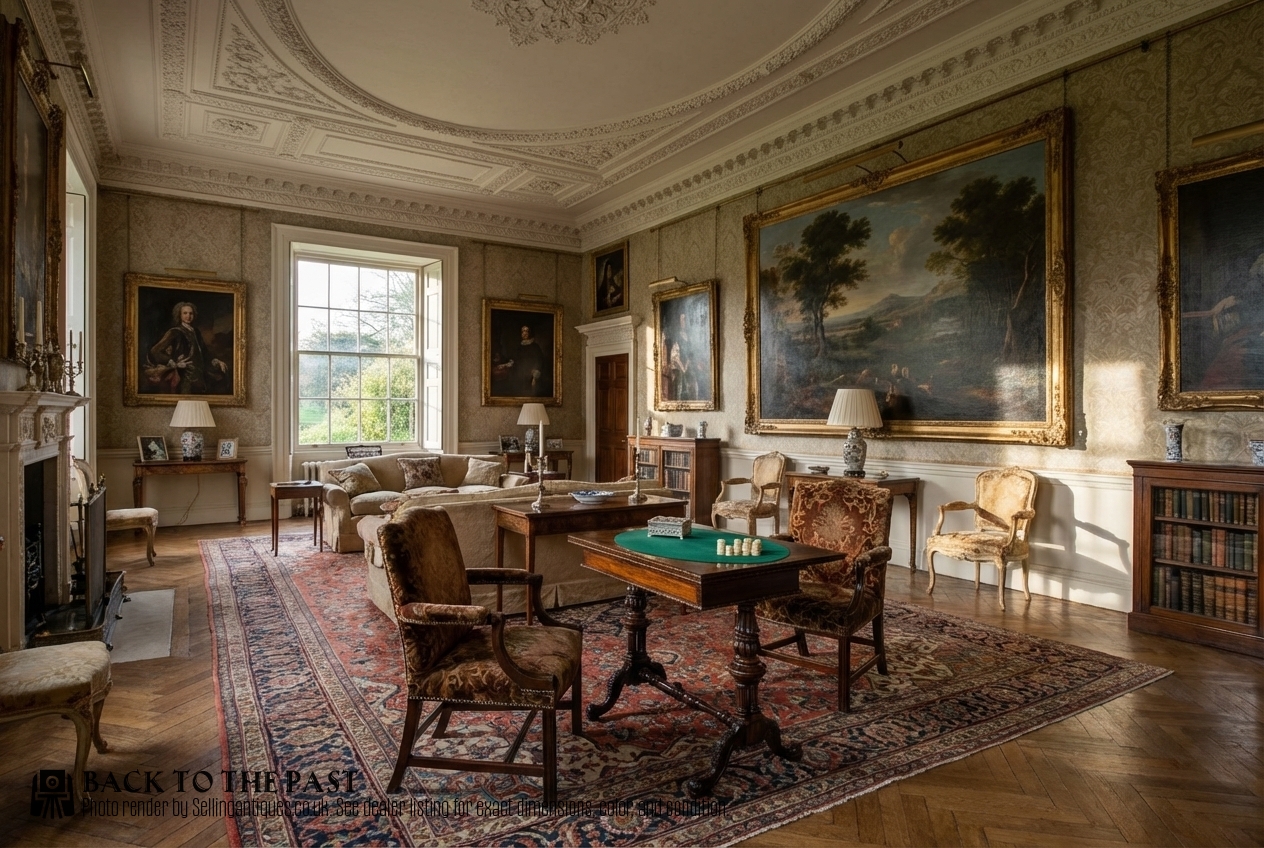
Victorian Rosewood Games Table
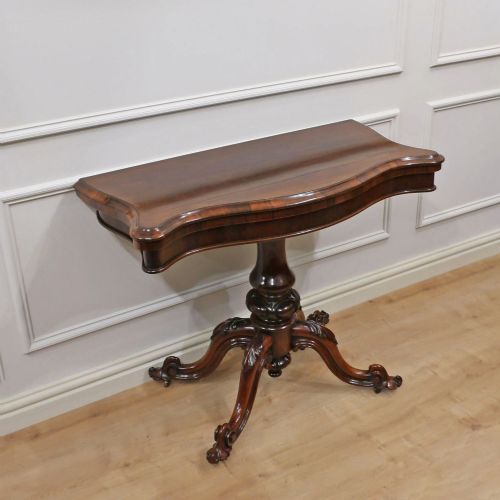
A victorian rosewood games table encompasses sophisticated dual-purpose furniture designed for nineteenth-century parlour pastimes like chess, cards, and backgammon. Buyers searching this phrase will find pieces spanning from early William IV examples through to late envelope card tables dated around 1900.
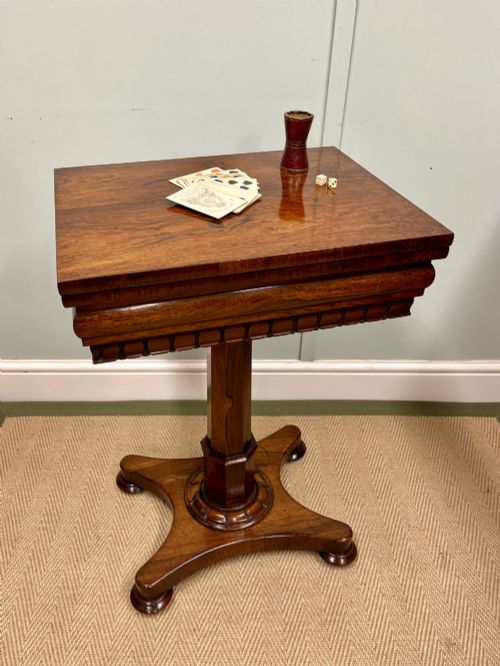
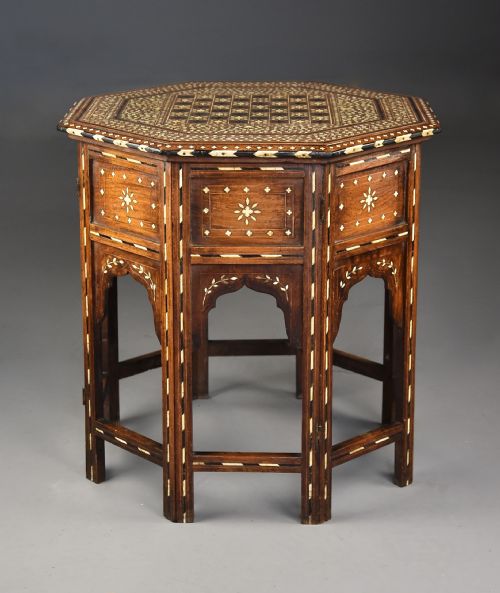
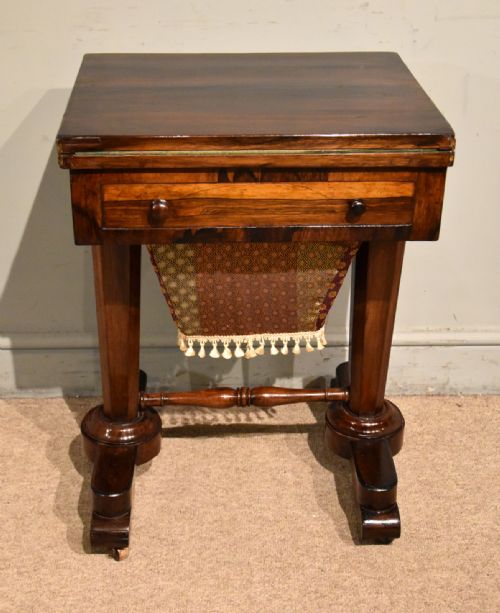
The selections on this page range widely in form, including fold-over card tables, swivel-top game surfaces, and combined work tables outfitted with sewing compartments. Origins stretch across English workshops, regional makers, and Anglo-Indian production centres.
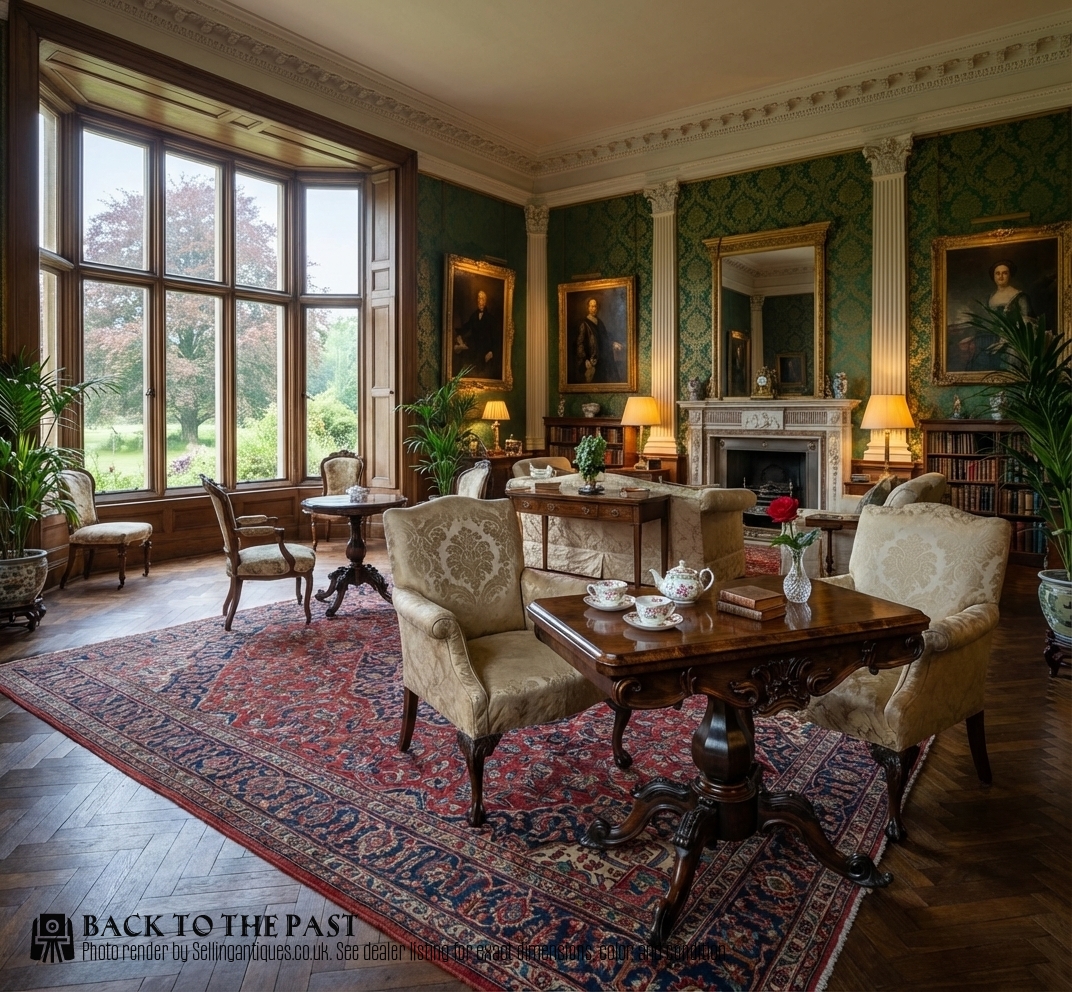
Materials and Technique
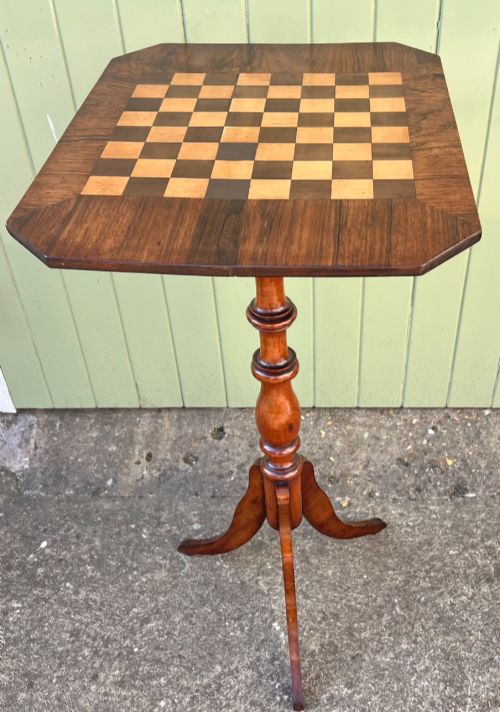
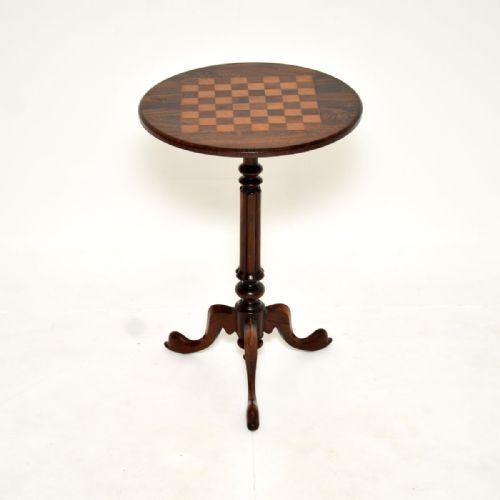
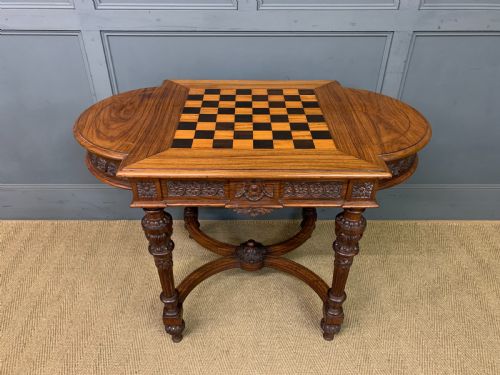
Construction relies heavily upon dense tropical rosewood timber, frequently chosen for its rich dark grain and polished finish. Cabinetmakers often paired this primary wood with contrasting satinwood, boxwood, ebony, and brass stringing to delineate intricate inlay and chessboards.
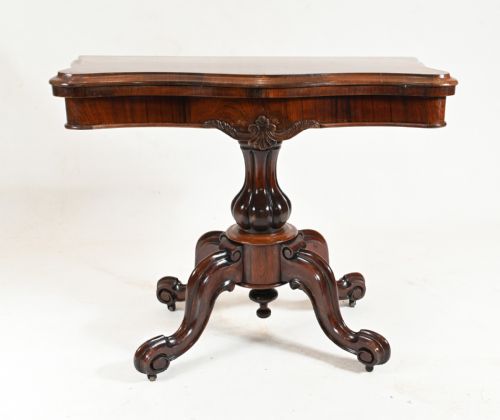
Techniques featured clever mechanical movement, utilising pivoting swivel tops, folding leaves supported by swing-out frames, and pivoting envelope mechanisms that opened into square baize-lined playing wells. Carved pedestal bases, pillar supports, and tripod legs provided sturdy foundations for these heavy hardwood assemblies.
Victorian Rosewood Games Table Retail Price Guide 2026
Typical asking prices for victorian rosewood games table among the pieces listed under this phrase on Sellingantiques today, from the lower quarter to the upper quarter. They describe what is for sale here now, not the wider market.
Some nineteenth-century game tables doubled as hidden writing desks when the card counters were cleared away for urgent correspondence.
Judging the Standard
Quality rests upon the precision of the cabinetwork and the intricacy of the secondary timber inlays. Finer examples display seamless joints in the folding mechanism and crisp, flush execution of marquetry details like chess squares.
The selection of the rosewood veneer itself dictates distinction, with superior pieces exhibiting deeply figured grain patterns rather than flat surfaces. Furthermore, the integrity of the original internal framing and secondary woods reveals the original maker's commitment to durability.
Maple & Co.·Gillow·Gillows of Lancaster
The Victorian Rosewood Games Table Glossary
- Envelope table
- A square card table featuring four triangular leaves that pivot inward and downward to reveal a baize-lined interior. This clever mechanism became popular during the later nineteenth century.
- Fold-over
- A table top hinged down the centre that opens outward to double its surface area for gaming or dining. It usually requires a swing leg or a pivoting frieze drawer for support.
- Marquetry
- Decorative patterns formed by inserting thin veneers of different coloured woods into a fitted background. It frequently delineates floral motifs or geometric borders on Victorian gaming tops.
- Baize
- A coarse woolen fabric, typically green or red, used to line the playing surfaces of card tables. It provides a soft, non-slip mat for handling playing cards and counters.
- Cross banding
- A narrow strip of veneer applied along the border of a tabletop with the grain running perpendicular to the main panel. This technique creates a neat framing effect around the central timber.
Victorian Rosewood Games Table: Frequently Asked Questions
How do you open an envelope table?
The top pivots diagonally while the four triangular flaps fold outward in sequence to create a square playing surface. Each flap is counterweighted or hinged to drop smoothly into position.
Underneath the moving parts, a hidden well often stores counters or cards while the table sits closed as an occasional piece.
What games were played on these tables?
Parchment, chess, draughts, backgammon, and various card games dominated nineteenth-century parlour social life. Inlaid boards provided permanent pitches for strategy games.
Reversible or sliding panels often hid secondary boards underneath card-playing baize surfaces to accommodate multiple pastimes.
How do you distinguish William IV from later pieces?
William IV examples tend to feature heavy architectural pedestals, bold carved scrollwork, and rich mahogany or rosewood timbers. They usually date from the earlier decades of the nineteenth century.
Later Victorian and 1900 pieces lean toward slender cabriole legs, delicate satinwood stringing, and lighter mechanical innovations like the envelope fold.
Can you use these tables daily?
These tables adapt easily to modern living as lamp stands, desks, or occasional display surfaces when left in their closed positions. Their solid hardwood construction handles everyday placement in a quiet room.
Care should be taken with moisture and direct sunlight to protect the historic polish and delicate inlaid veneers.