


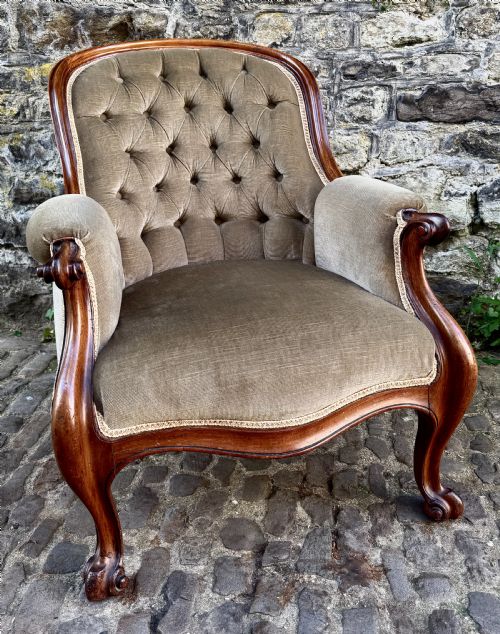
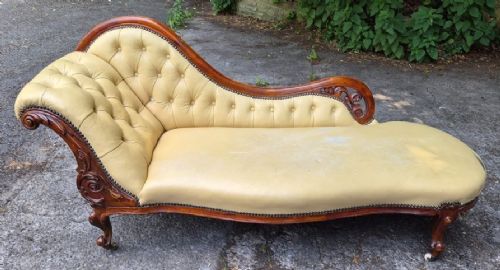
Victorian Rococo Revival Chair
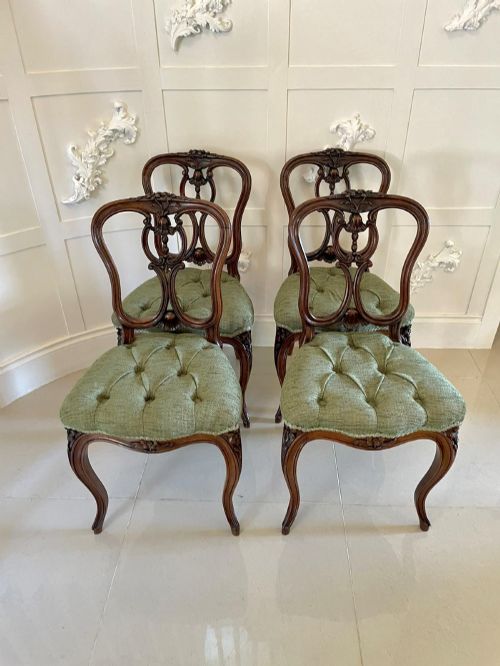
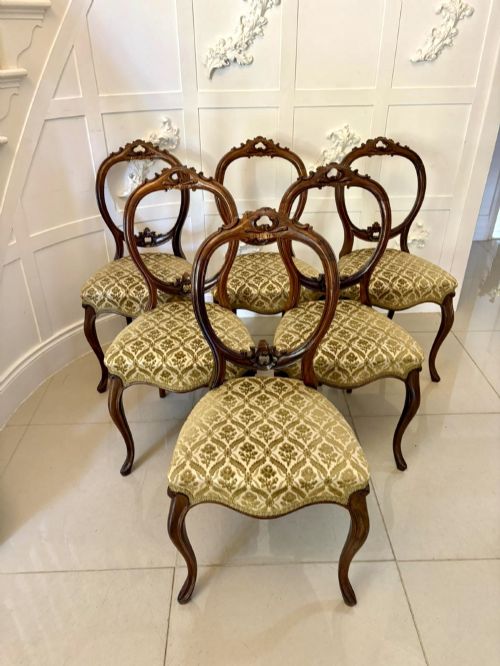
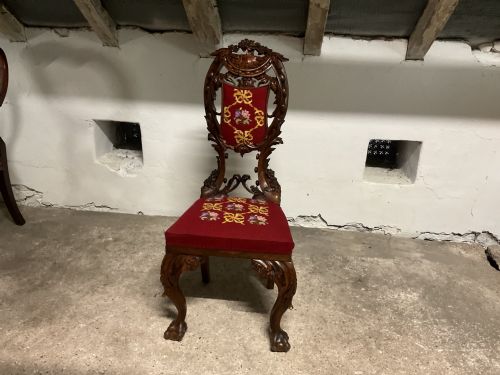
A victorian rococo revival chair brings exuberant carved curves and rich timber frames into nineteenth century interiors.
Victorian Rococo Revival Chair
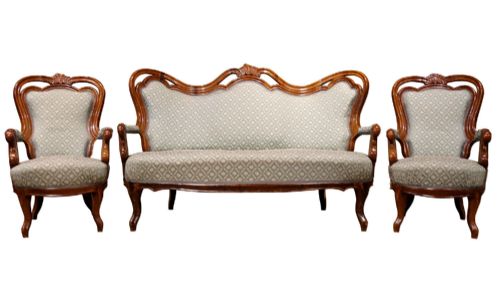
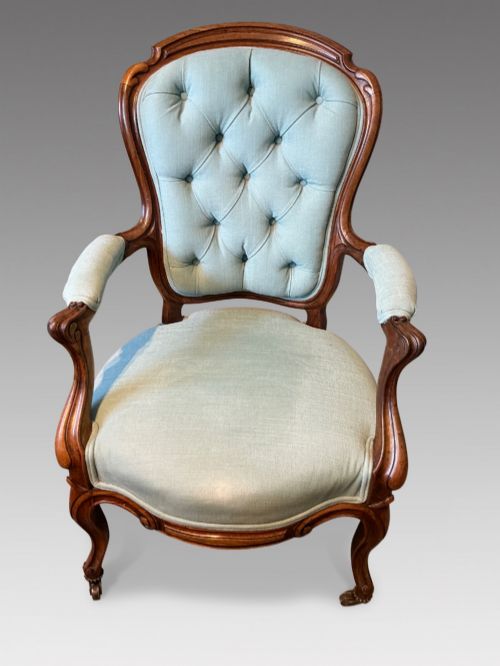
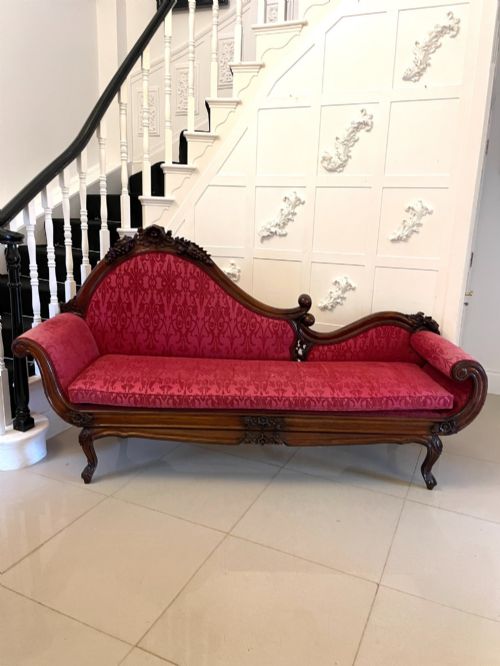
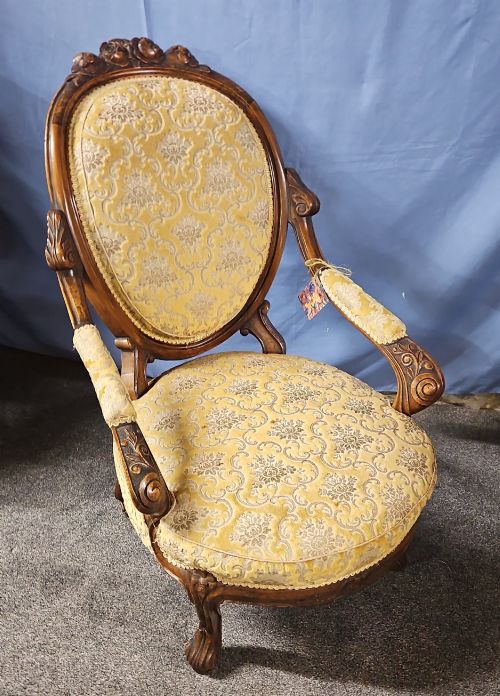
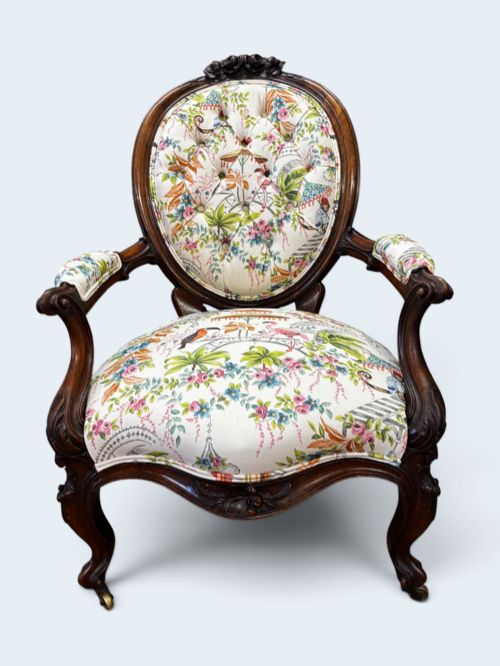
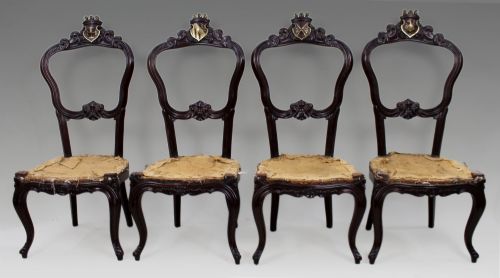
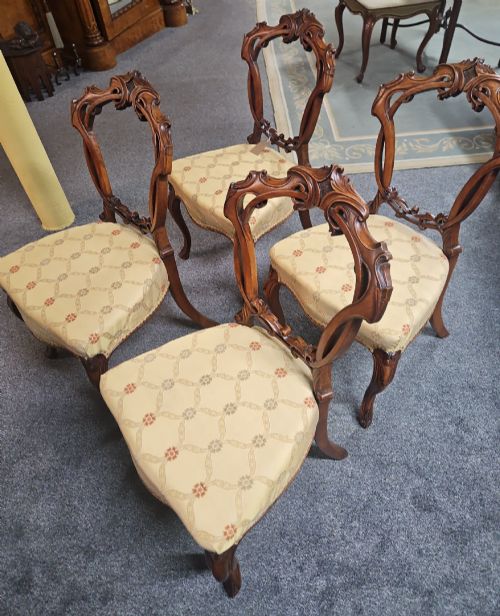
When buyers search for a victorian rococo revival chair, they encounter seating spanning the nineteenth century, from early Victorian examples through to pieces dated around eighteen ninety. These items include side chairs, dining chairs, armchairs, salon chairs, and larger matching suites or chaise longues.
The walnut and rosewood frames reflect nineteenth century tastes for revivalism, often incorporating open backs, spoon backs, or oval shapes. Walnut predominates among the surviving pieces, frequently shaped with cabriole legs and elaborate carved details.
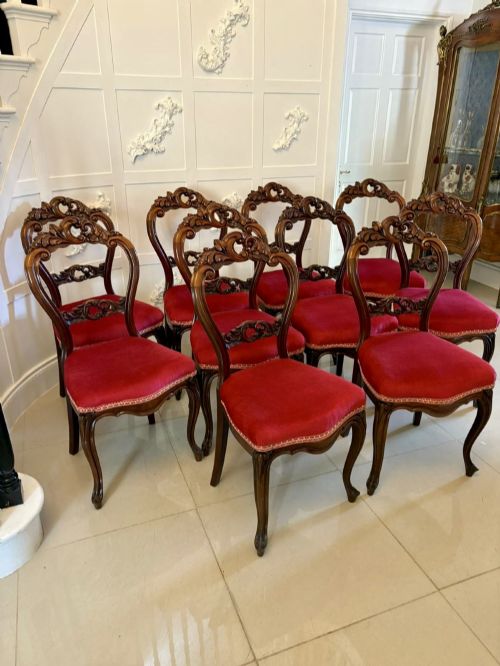
Makers of the period produced both single pieces and large sets, such as sets of six or ten dining chairs. Buyers select these items to introduce period character into modern rooms or to complete existing sets of nineteenth century seating.
What varies in quality
The crispness and depth of the timber carving set superior pieces apart from plain production work. Finer chairs exhibit deep, undercut foliage and scrolls executed by skilled hands rather than shallow mechanical moulding.
Timber selection and frame construction also dictate the tier of a piece. Dense, well figured walnut or rosewood joined with tight, rigid framing represents the upper scale of nineteenth century workshop output.
Victorian Rococo Revival Chair Retail Price Guide 2026
Typical asking prices for victorian rococo revival chair among the pieces listed under this phrase on Sellingantiques today, from the lower quarter to the upper quarter. They describe what is for sale here now, not the wider market.
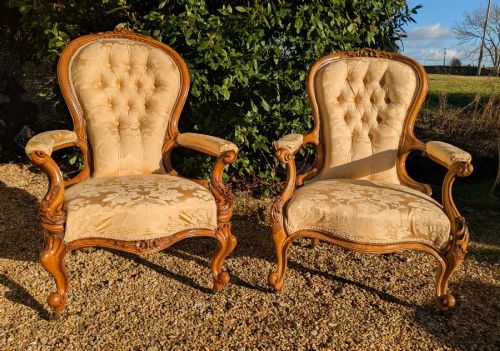
Armchair variants include gentleman's armchairs, ladies chairs, and open spoonback designs suited to nineteenth century drawing rooms.
The Victorian Rococo Revival Chair Glossary
- Cabriole leg
- A furniture leg that curves outward and then tapers inward, mimicking an animal's limb. This form appears frequently on walnut and mahogany seating from the period.
- Spoonback
- A padded chair back shaped in a concave oval resembling the bowl of a spoon. This design cradles the spine and defines many nineteenth century nursing and salon chairs.
- Salon suite
- A matched group of seating furniture designed for formal reception rooms. These typically comprise a settee alongside pairs of armchairs and side chairs sharing identical timber and carving.
- Chaise longue
- An upholstered couch with one raised end for reclining. Nineteenth century examples often utilise carved walnut or mahogany frames with matching scrollwork.
Victorian Rococo Revival Chair: Frequently Asked Questions
Were these chairs used in dining rooms?
Makers produced both single salon chairs and large sets intended specifically for formal dining spaces. Sets of six or ten dining chairs appear frequently alongside individual hall and occasional chairs.
Dining variants generally feature sturdier upright frames without arms, whilst salon and nursing chairs offer lower, more relaxed seating positions for sitting rooms.
What woods were used for these chairs?
Walnut is the predominant timber seen in these nineteenth century listings, accompanied by mahogany and rosewood. These dense hardwoods provided the structural strength required for intricate pierced splats and curved cabriole legs.
Darker mahogany finishes frequently appear on pieces attributed to the earlier decades, whereas walnut gains prominence as the century progresses towards eighteen ninety.
How should I care for the upholstery?
Preserve the fabric by keeping the furniture out of direct sunlight and using gentle vacuum attachments to remove dust. Many surviving pieces retain contemporary or later textile coverings that benefit from specialist dry cleaning.
Inspect the internal webbing and padding periodically to ensure the structure remains supportive. Professional conservation maintains the integrity of antique spring systems without altering the frame.