

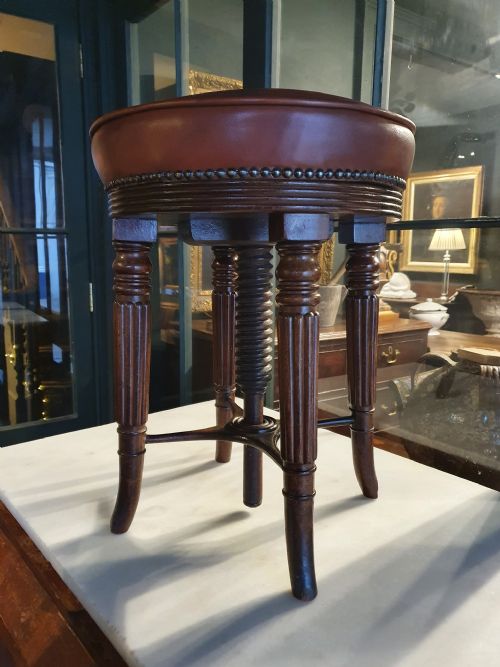
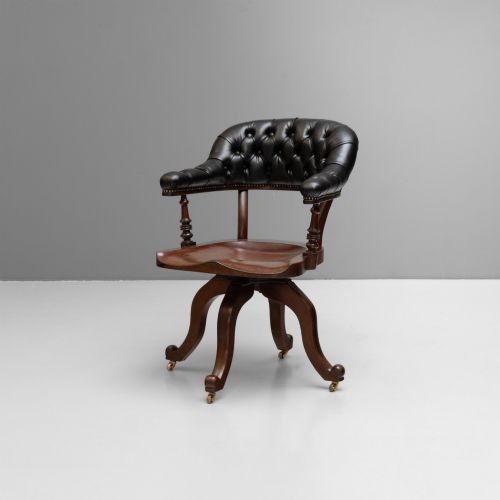

Victorian Revolving Chair
When you search for a victorian revolving chair, you find clever mechanical seating designed for the office, library or parlour.
Victorian Revolving Chair
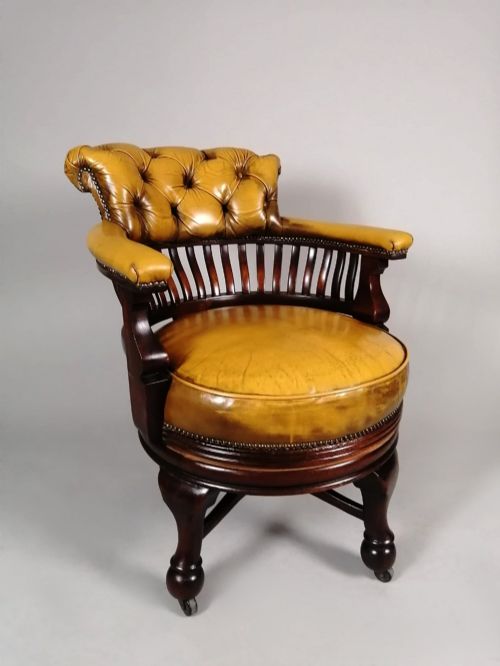
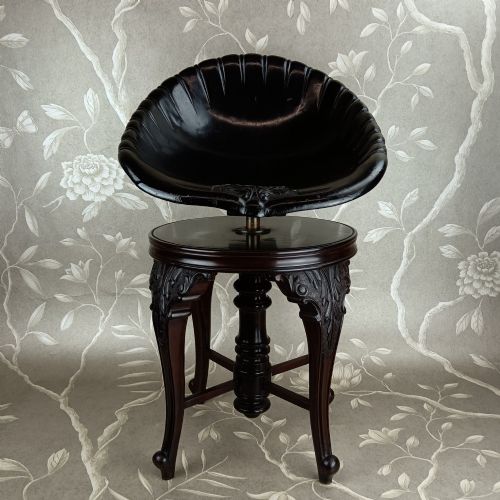
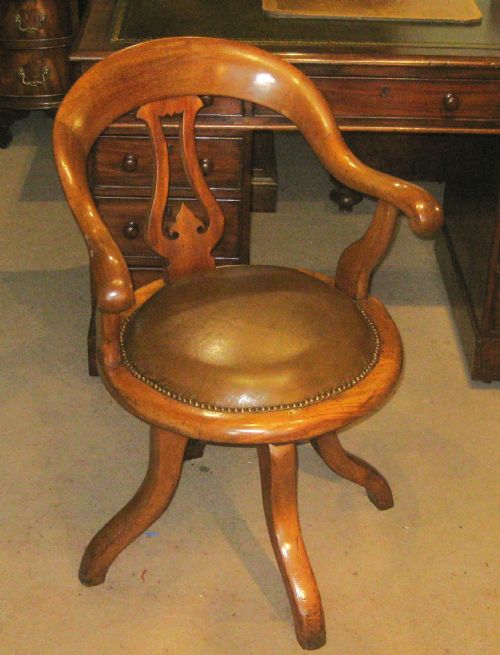
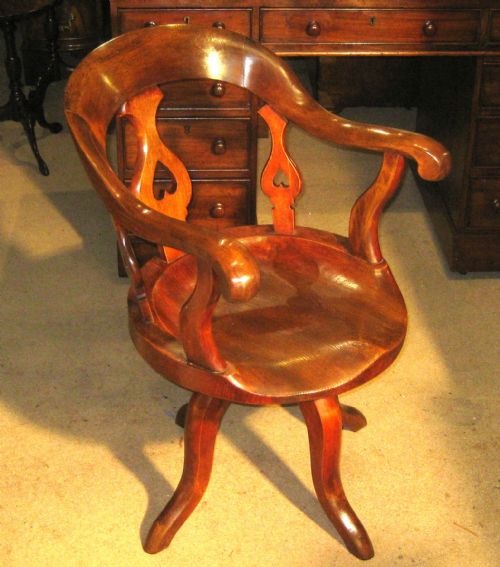
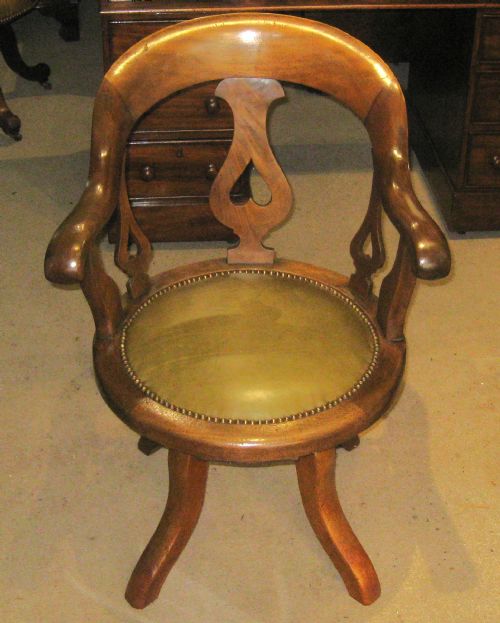
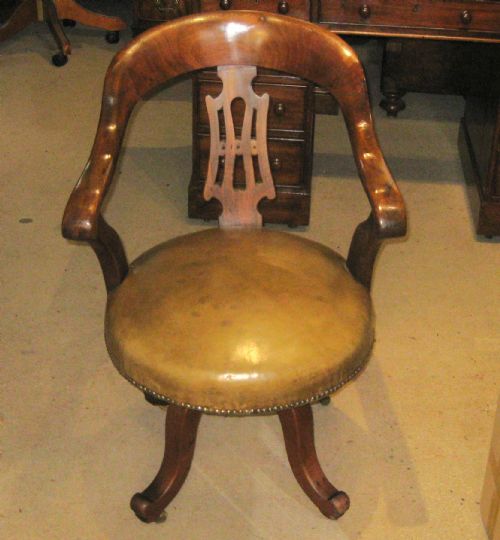
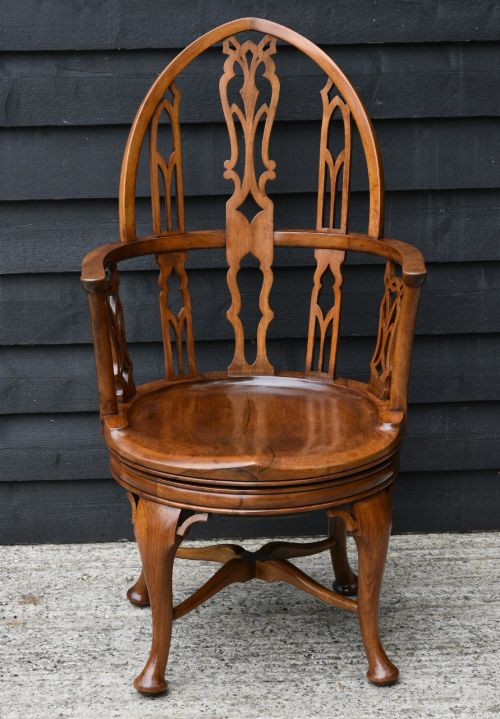
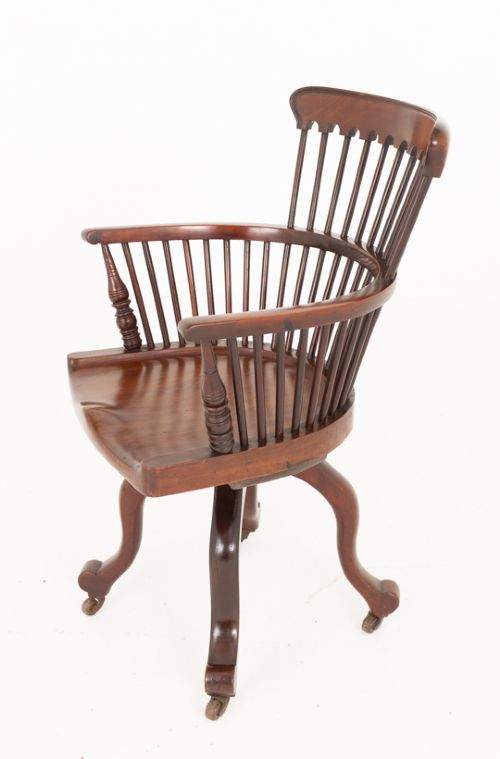
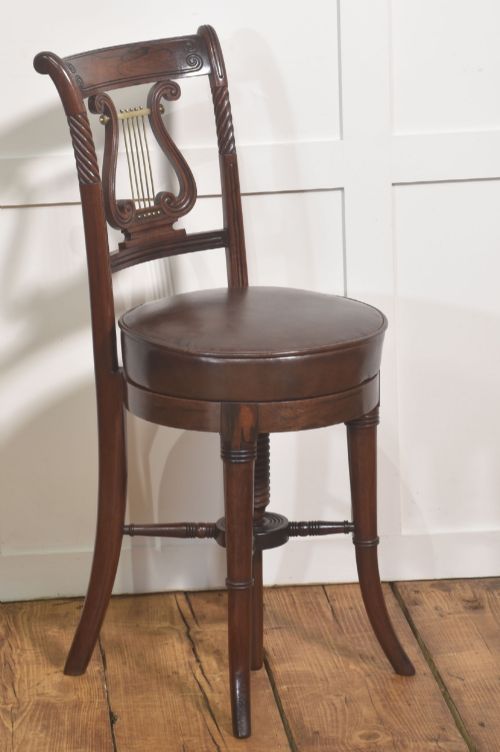
A victorian revolving chair brings mobility and adjustable comfort to nineteenth-century workspaces and music rooms. You will frequently encounter mahogany desk chairs and walnut piano stools equipped with swivelling mechanisms.
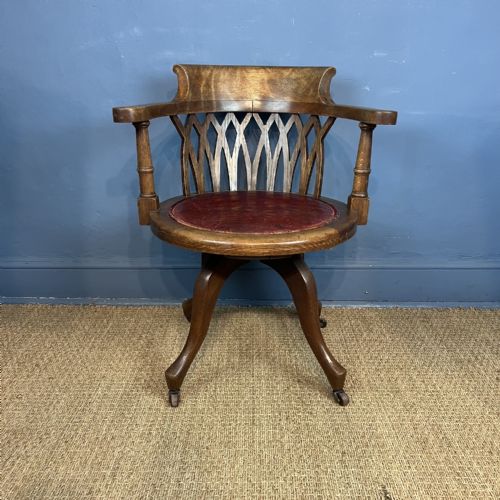
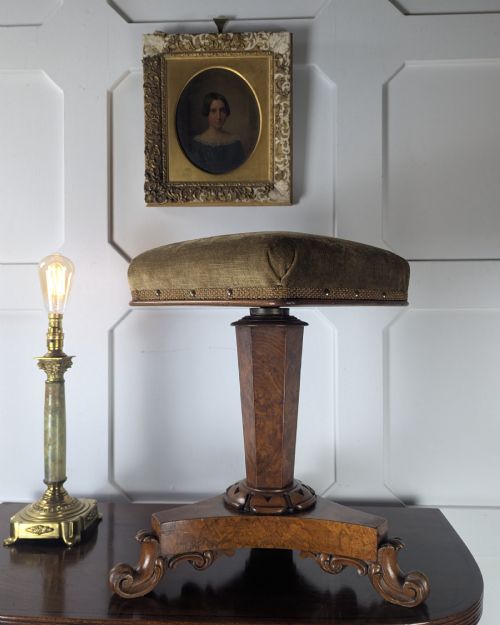
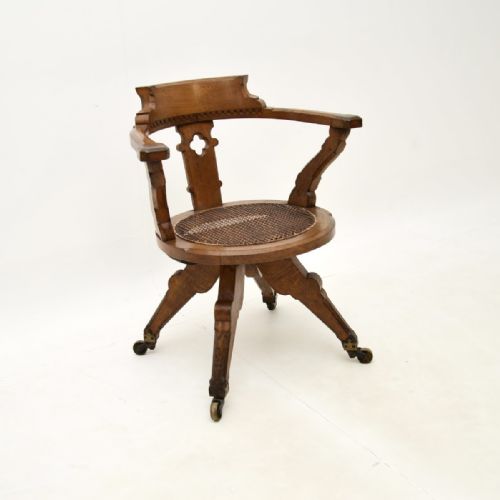
The selection ranges from sturdy oak captains chairs to velvet-topped music stools and industrial cast iron seating. These forms serve practical tasks at desks, dressing tables and instruments.
Origins span the nineteenth century, with many examples emerging during the Victorian and Edwardian periods. Makers also produced variations like ships chairs and Gothic revival designs.
Materials and construction
Cabinetmakers utilised solid timbers including mahogany, walnut, oak and rosewood to build the frames. Brass and cast iron mechanisms provided the swivel and rise-and-fall functions.
Seats often feature inset leather, suede, velvet or cane upholstery supported by wooden framing. Carved detailing and ebonised finishes appear on select aesthetic movement and Gothic pieces.
P&O liners required sturdy seating, leading to revolving chairs designed to keep passengers upright on the high seas.
Quality and craftsmanship
The sophistication of the revolving mechanism dictates the standard of execution, from basic wooden threads to complex iron screws. Smooth rotation and sturdy vertical adjustment separate superior examples.
Timber selection and carving depth reveal the makers intent, with figured mahogany and golden walnut representing the finer end of production. Original upholstery materials and intact frames retain greater integrity.
Jennens & Bettridge·CV Smith·Gillows
The Victorian Revolving Chair Glossary
- Swivel
- A mechanical joint allowing the upper portion of the chair to rotate independently of the base. This device typically relies on a central iron spindle.
- Rise and fall
- An adjustable height mechanism operated by a threaded screw or mechanical riser. Musicians and desk workers used this feature to set their preferred seating level.
- Captains chair
- A sturdy arm-type desk chair with a curved wooden back rail. These often incorporate leather pads on the seat for extended office use.
- Gothic Revival
- A nineteenth-century design style drawing on medieval architectural motifs. Pieces show pointed arches, heavy mouldings and dense carving.
- Aesthetic Movement
- A late nineteenth-century style prioritising artistic expression and refined ornamentation. Furniture in this taste displays ebonised surfaces and understated incised carving.
Victorian Revolving Chair: Frequently Asked Questions
How do I adjust the height?
Many examples feature a threaded central screw or rise-and-fall mechanism operated by turning the seat. The upper section rotates around the iron spindle to raise or lower the position.
Simpler models rely on fixed heights, while mechanical versions allow precise adjustment for desks and pianos.
Were they used only for desks?
While most serve office and library environments as desk chairs, many were built specifically for music rooms and dressing tables. Piano stools and organist chairs make up a large portion of the available forms.
Specialist variants also include ships chairs and conversation seats designed for maritime or parlour use.
What timber was most common?
Mahogany appears most frequently in nineteenth-century desk chairs, often featuring a rich reddish tone or golden grain. Walnut and oak also feature prominently across Victorian and Edwardian examples.
Alternative materials like rosewood, birch, bentwood and ebonised hardwoods occur in specific decorative styles.
How do I care for the leather seat?
Leather and suede upholstery benefit from gentle cleaning and conditioning to maintain the surface. Avoid harsh chemical cleaners that can strip the nineteenth-century finish.
Wooden frames require occasional waxing to preserve the grain and protect the polish.