

Victorian Reading Light
A Victorian reading light brings functional task illumination and period character to a desk, table or corner.
Victorian Reading Light
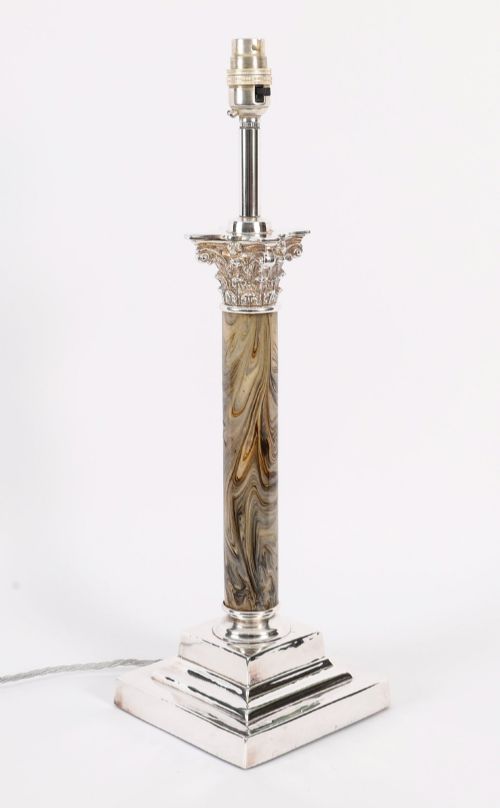
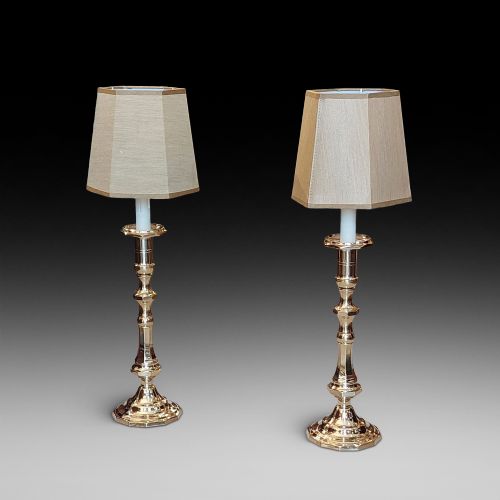
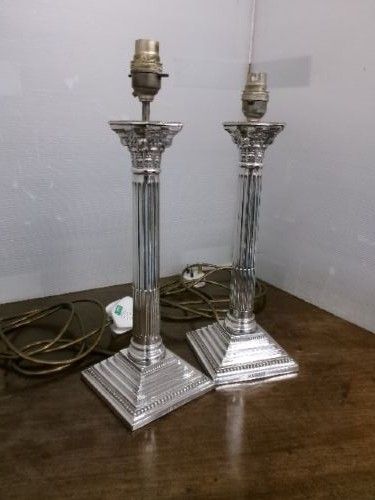
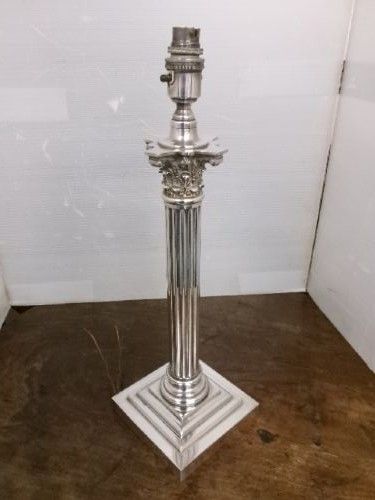
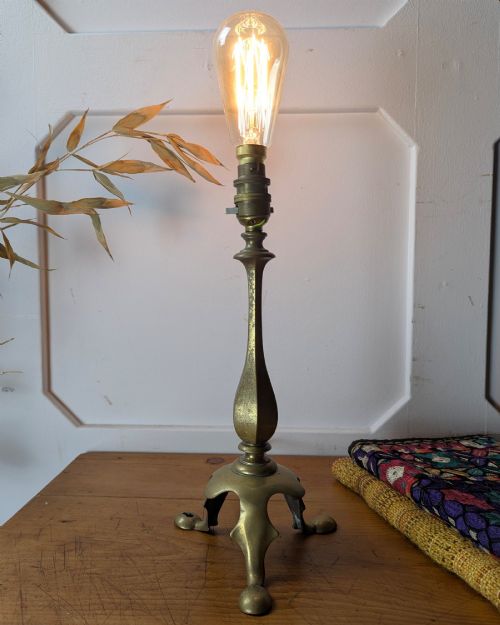
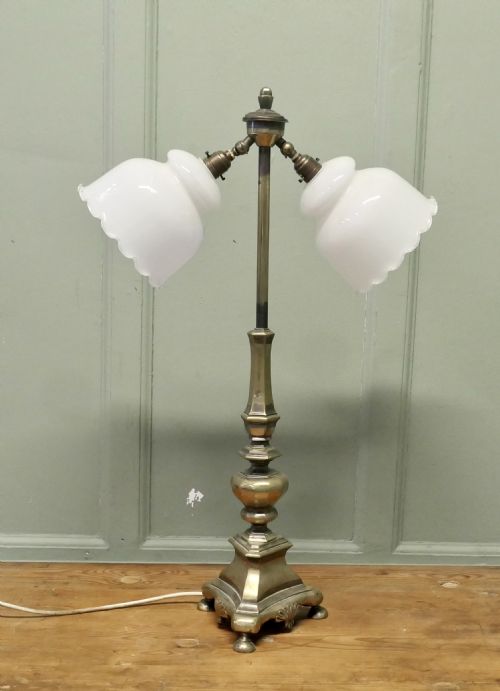
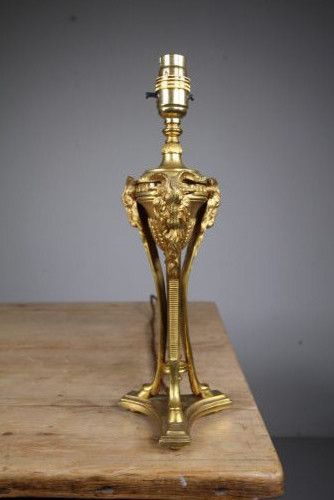
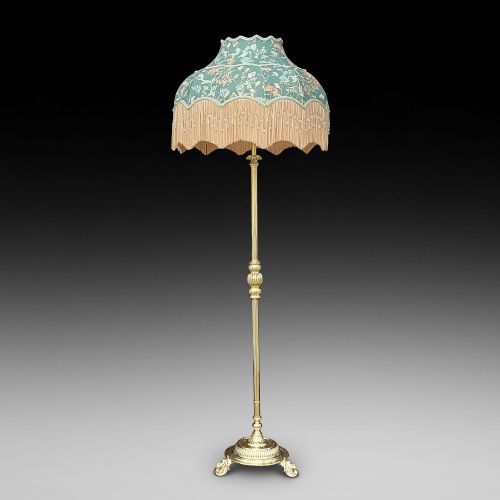
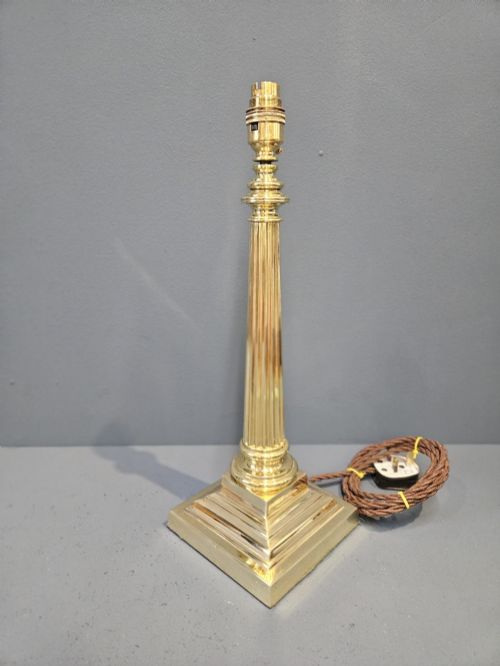
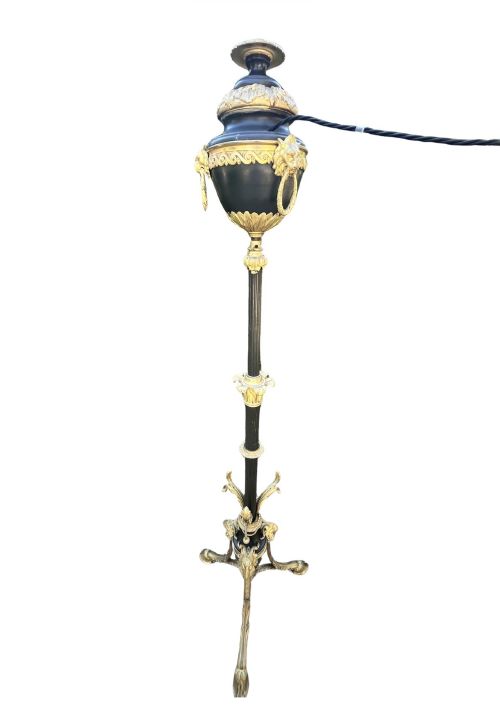
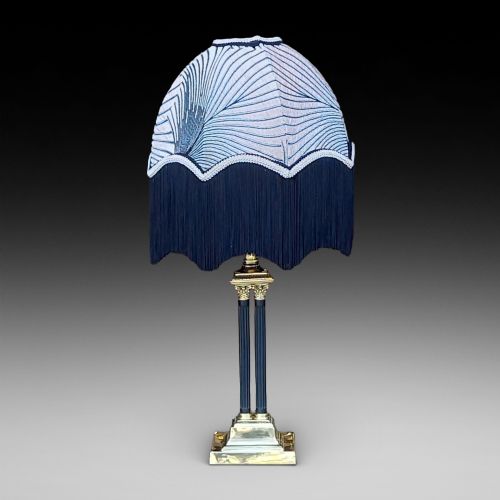
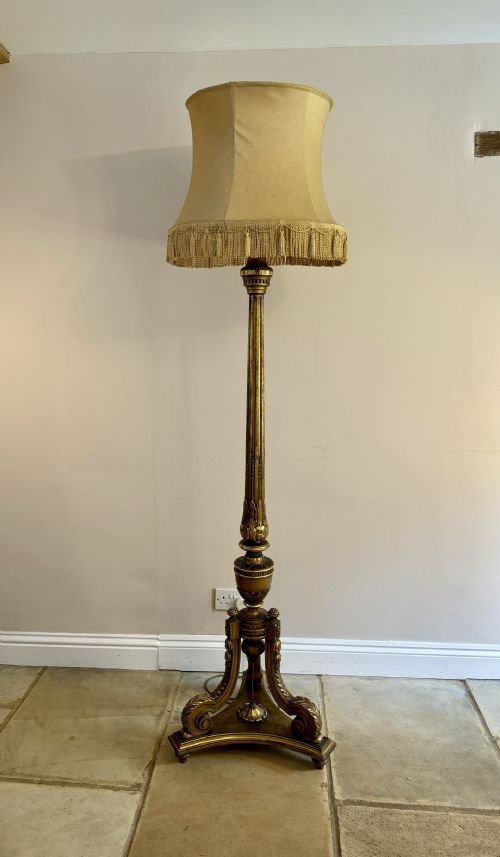
A Victorian reading light encompasses adjustable table lamps, standard lamps and desk lamps designed to direct illumination precisely where needed for tasks like reading. When you search for a Victorian reading light, you encounter pieces that range from elaborate silver-plated Corinthian columns to utilitarian brass student lamps and gimbal designs.
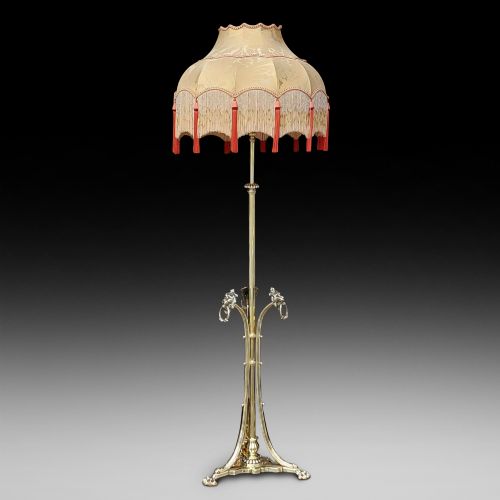
The versions most commonly met on this page include brass table lamps, standard floor lamps and adjustable oil lamps spanning the nineteenth century and into the Edwardian era. These items utilise heavy metal bases, adjustable arms and occasionally glass shades to direct light effectively across a study or library.
How they were made
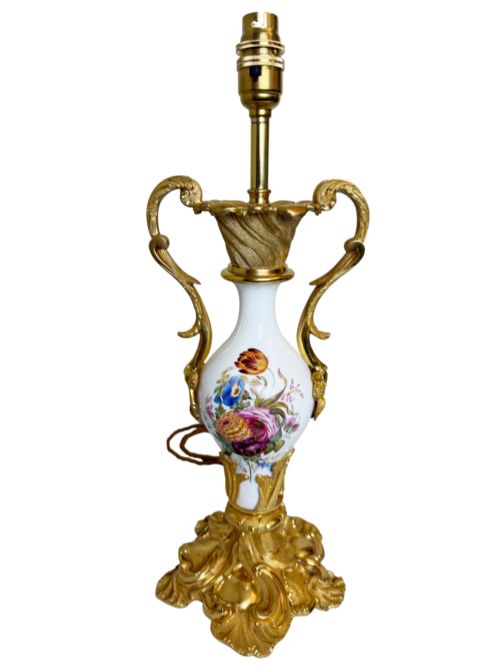
Makers utilised cast brass, silver plate, ormolu and gilt bronze to construct sturdy columns and bases capable of supporting oil burners or early electrical fittings. Structural elements often involved reeded or Corinthian column forms paired with weighted metal bases for stability during adjustment.
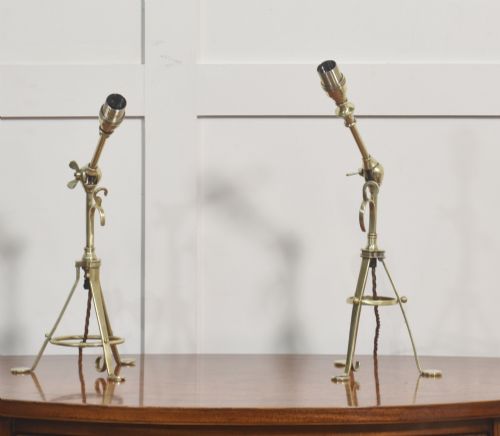
Movable joints, gimbal mounts and telescopic mechanisms allowed users to alter the height and angle of the illumination. Additional materials such as onyx, carved mahogany and cranberry glass appeared on more decorative or specialised library and floor models.
A gimbal lamp brings nautical engineering ashore, designed to stay level even when a train or ship rocked.
What varies in quality
The calibre of casting and chasing on bronze, ormolu and brass components separates ordinary production from superior examples. Crisp detailing in column capitals, floral mounts and rams' heads indicates careful workshop output.
The sophistication of the adjustable mechanism also dictates grade. Smooth movement in telescoping standards, precise twin-angled joints and robust weighted bases distinguish the finest reading lamps from simpler utility lighting.
W.A.S. Benson·Faraday & Sons·Wild and Wessel
The Victorian Reading Light Glossary
- Corinthian column
- A classical architectural column form featuring ornate acanthus leaves at the capital, frequently utilised on nineteenth-century table lamps.
- Standard lamp
- A tall floor-standing lamp designed to illuminate a room or reading area from an elevated position.
- Gimbal lamp
- A lighting fixture suspended on a pivoting ring system that keeps the lamp level despite movement, originally used on ships or trains.
- Student lamp
- A nineteenth-century adjustable desk or table lamp designed with a specific arm arrangement to focus light over paperwork or books.
Victorian Reading Light: Frequently Asked Questions
Were these originally oil or electric?
A significant proportion of nineteenth-century reading lamps began as oil-burning fixtures featuring fonts, burners and chimneys. These pieces were subsequently converted to electricity during later twentieth-century updates.
Other designs, particularly those by specialised metalworkers, incorporated electrical wiring or gas fittings from the outset. Examining the burner assembly or base aperture usually reveals the original fuel or wiring path.
How do I distinguish Victorian from Edwardian models?
Victorian reading lamps frequently display heavy classical revival motifs such as Corinthian columns, ornate brass castings and dark patinated bronze. The emphasis leans towards robust construction and elaborate surface ornamentation.
Edwardian and later iterations often introduce lighter proportions, simplified brass forms, or softer Neoclassical and Art Nouveau styling. Materials like onyx and varied metal combinations also become more prevalent in the early twentieth century.
Where should I place a standard reading lamp?
Standard floor lamps suit corners of libraries, studies or sitting rooms where adjustable height can project light over a desk or armchair. Their weighted bases provide necessary stability when positioned near seating.
Table and desk variations function effectively on writing surfaces, sideboards or reading tables. Ensure the reach of the adjustable arm directs illumination properly onto the workspace.