


Gold Fabric Lampshade
These gold fabric lampshade listings bring warm, period illumination to a room, offering the textured glow that collectors seek.
Gold Fabric Lampshade
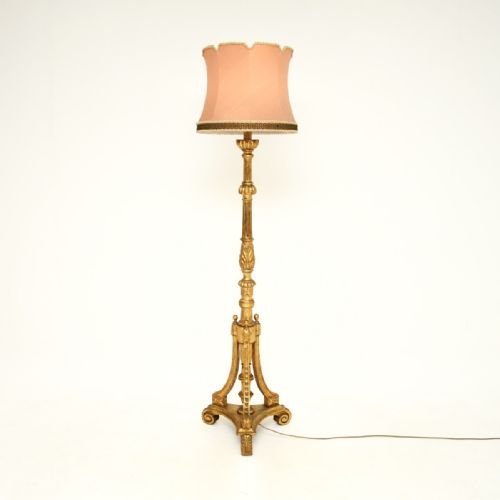
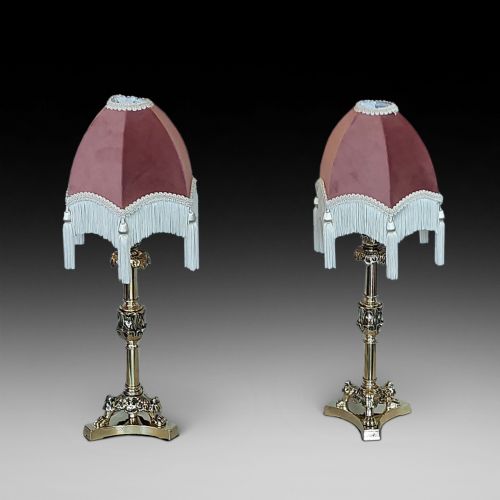
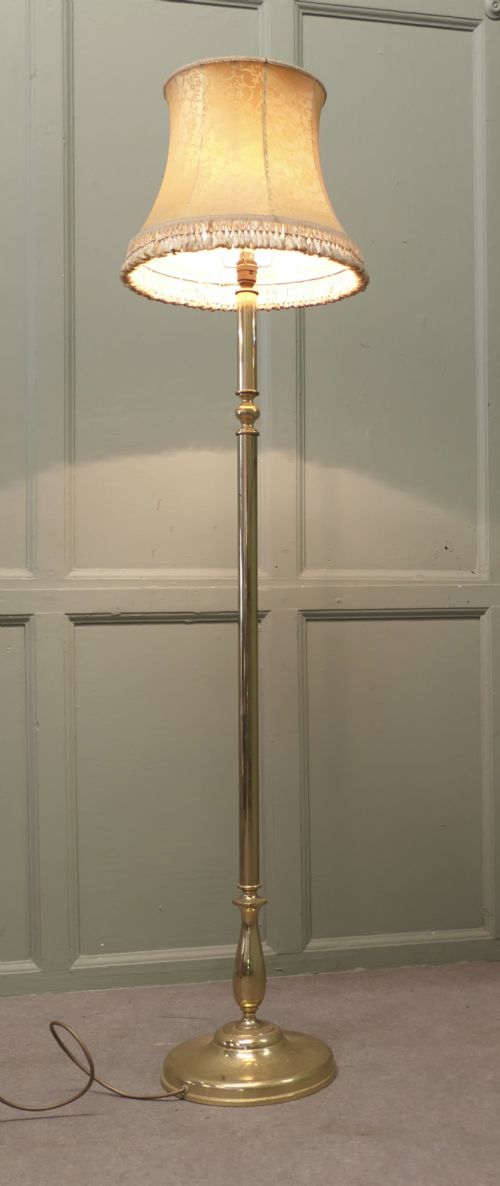
When you search for a gold fabric lampshade, you encounter pieces originating primarily from the Victorian and Edwardian eras, alongside early twentieth-century examples. The inventory spans floor lamps and table lamps, utilising brass, gilt wood, and glass beads.
You are most likely to meet floor lamps and table lamps constructed from brass bases, often paired with elaborate shades featuring fringe and thread. These pieces reflect styles such as Art Nouveau, Neoclassical, Regency, and Orientalist.
How they were made
Makers utilised solid brass, gilt wood, and silver-plate for the structural bases and columns of these lamps. Metalworking techniques included pressing and casting, seen in classical masks and Corinthian capitals.
The decorative elements incorporated delicate glass beads, fabric, and intricate thread work, complemented by fringing. These materials formed the textured shades that accompanied the metal standards.
Current listings feature brass, fabric, fringe, and glass beads across Victorian, Edwardian, and early twentieth-century table and floor lamps.
What varies in quality
The refinement of the metal casting and the crispness of details on the brass mounts dictate the standard of the base. Heavy, well-proportioned columns and detailed classical mounts distinguish superior examples from simpler productions.
The integrity of the textile components and the complexity of the beadwork determine the quality of the shade assembly. Hand-stitched finishes and rich fabrics elevate a piece above standard utilitarian lighting.
The Gold Fabric Lampshade Glossary
- Brass
- An alloy of copper and zinc used extensively for the structural bodies and decorative mounts of period lamps.
- Fringe
- A decorative border of hanging threads or tassels attached to the edge of lampshades to diffuse light and add ornamentation.
- Corinthian column
- A classical architectural order featuring an ornate capital decorated with acanthus leaves, frequently utilised for tall floor and table lamp standards.
- Orientalist
- A decorative style drawing inspiration from Middle Eastern and Asian motifs, appearing in pressed brass patterns on early twentieth-century pieces.
Gold Fabric Lampshade: Frequently Asked Questions
What periods do these lamps come from?
The pieces span from the early nineteenth century through the Victorian and Edwardian periods into the early twentieth century. They encompass foundational eras of domestic lighting design.
Design influences across these decades include Neoclassical, Art Nouveau, and Regency aesthetics.
How were these lamps used originally?
Floor lamps and table lamps provided task and ambient illumination in period drawing rooms, boudoirs, and libraries. They sat upon side tables or stood beside seating areas.
Many started as oil lamps or candlesticks before undergoing later conversion to electric lighting.
How do I care for brass and fabric?
Metal components require gentle dusting and occasional cleaning appropriate for aged brass or gilt surfaces without stripping the patina. Fabric shades need careful handling to protect delicate beadwork and thread.
Harsh chemical cleaners should be avoided on both the metal bases and the textile elements.
How do I tell Victorian from Edwardian?
Victorian pieces often feature heavier, ornate castings with rich details like classical masks and gilt wood. Edwardian examples tend toward lighter proportions and refined classical revival motifs.
Stylistic shifts also reflect the transition from oil burning to electrical wiring across these decades.