


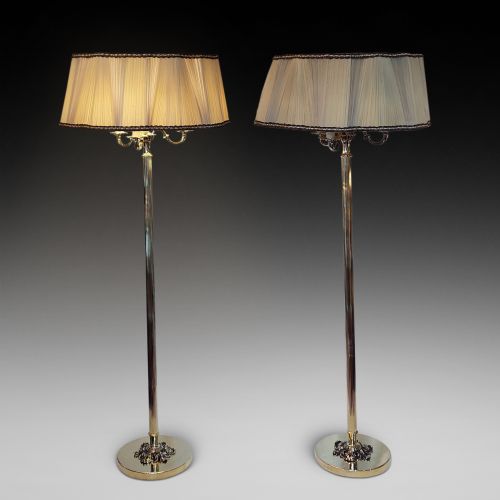


Brass Standing Lamp Shade
These brass standing lamp shade fittings bring height and illumination to a room, offering adjustable height and decorative metalwork.
Brass Standing Lamp Shade
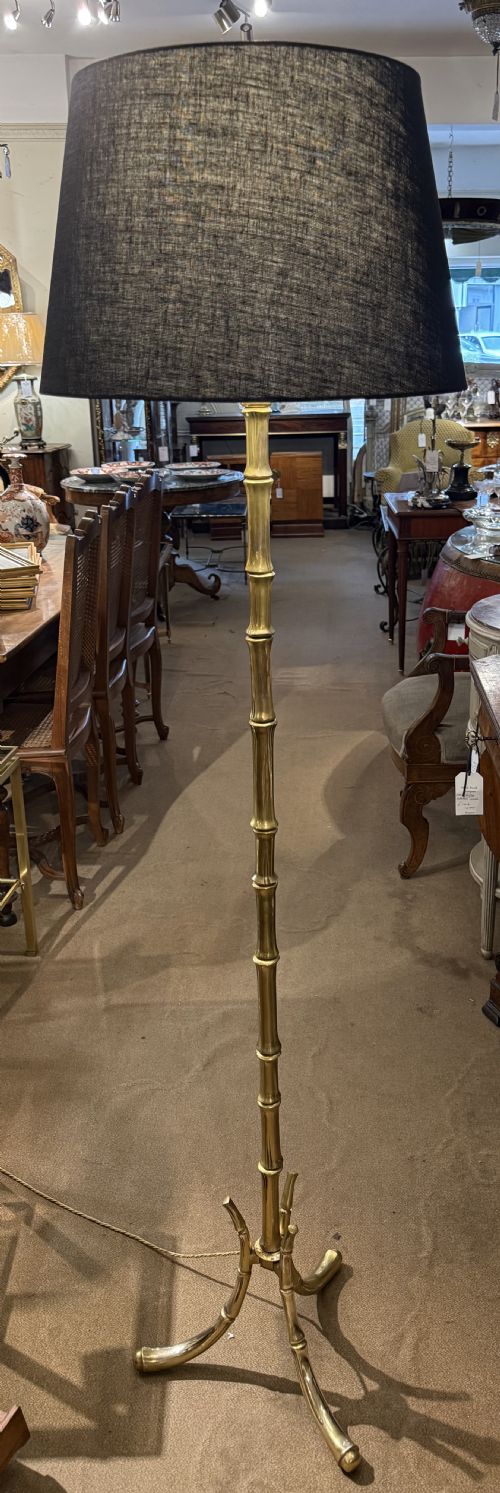
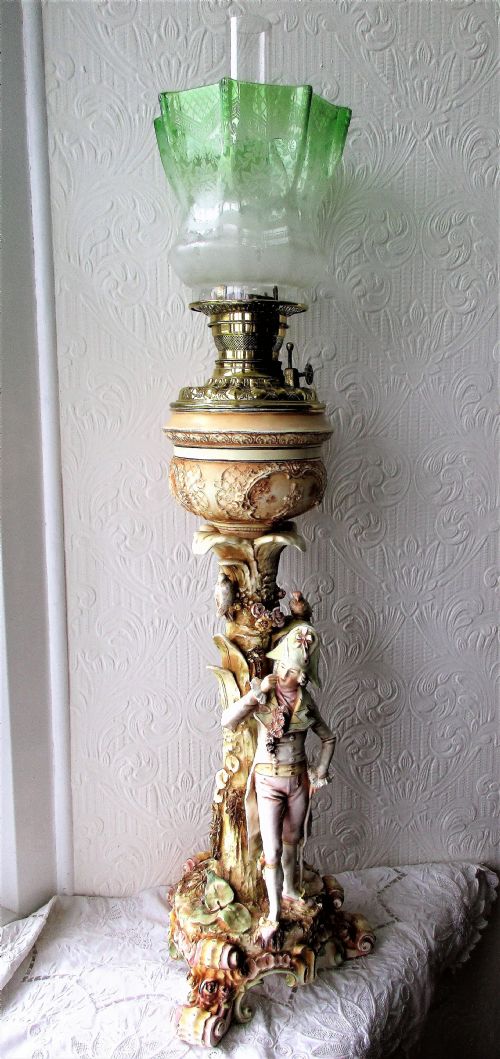
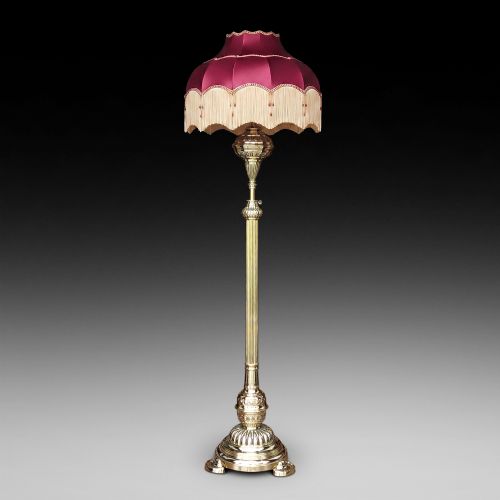
A brass standing lamp shade setup combines a tall standard or floor-standing metal base with provisions for a diffuser or shade, often seen in Victorian, Edwardian, and 1920s incarnations. Buyers searching for a brass standing lamp shade encounter standard oil lamps, telescopic floor lamps, and adjustable reading lights spanning from the nineteenth century into the twentieth century. These pieces draw on stylistic influences ranging from Art Nouveau and Arts and Crafts to Neoclassical Revival and Hollywood Regency.
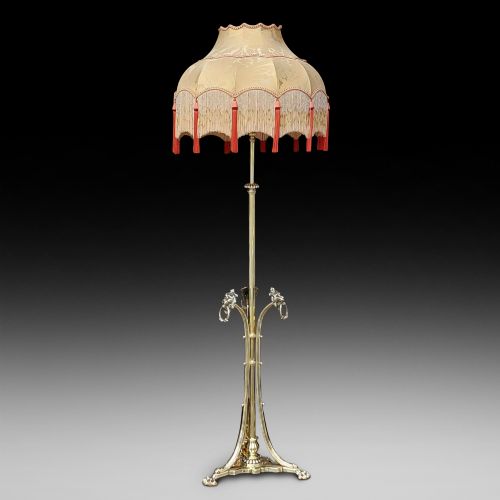
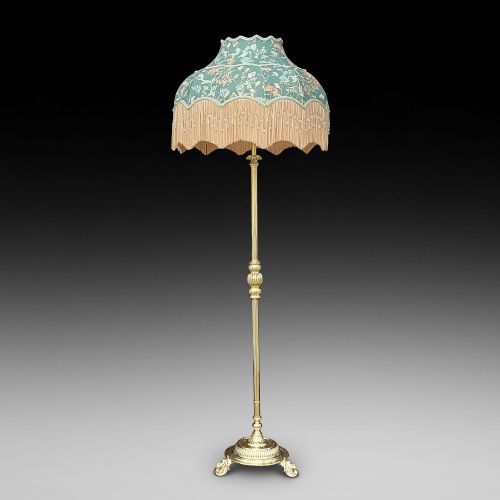
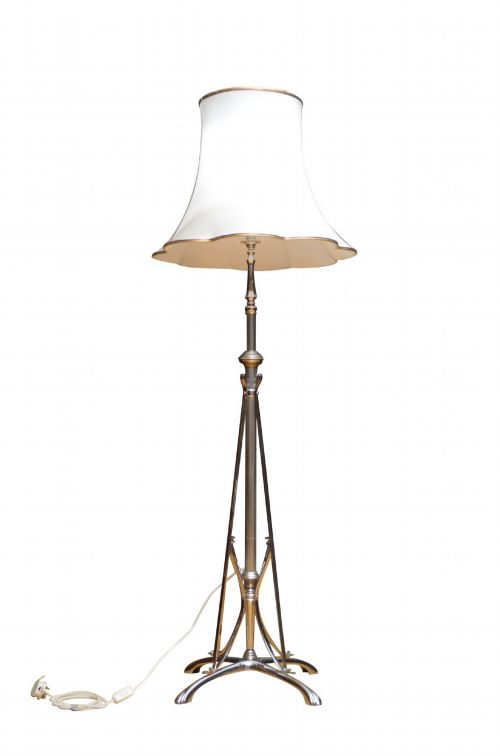
The common versions met on this page include extending standard oil lamps, tripod floor lamps, and Corinthian columns featuring brass alongside materials like fabric, glass, and silk. Many designs incorporate adjustable heights, swivel arms, or extending mechanisms originally engineered for reading or ambient lighting in period interiors.
Materials and Technique
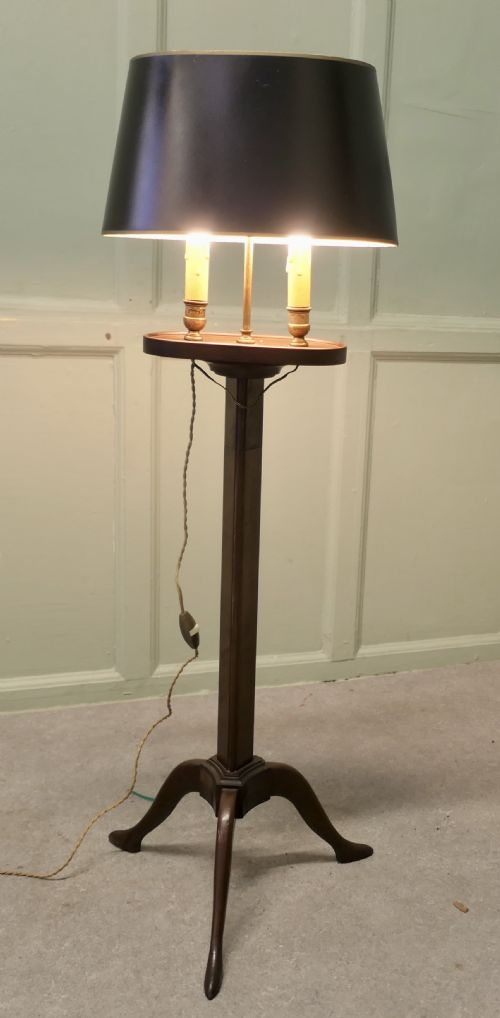
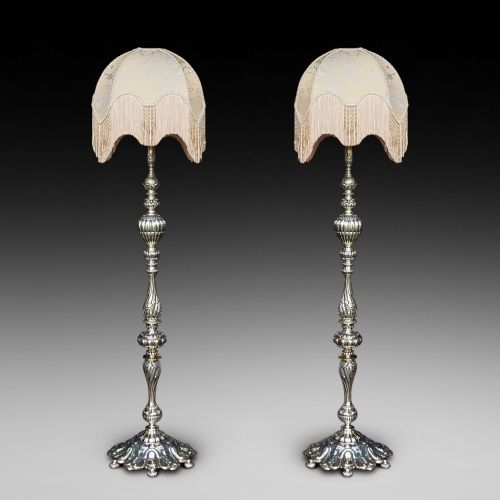
Makers utilised heavy cast brass, bronze, and gilt ormolu for the structural columns and weighted bases, ensuring stability for tall standards. Metal components were turned, cast with floral openwork or cast rams heads, and combined with copper or mahogany elements.
Lighting assemblies frequently integrated cranberry glass, white glass, or duck egg blue glass shades, sometimes paired with fabric, fringe, or silk diffusers. Telescopic mechanisms and extending brass arms allowed users to adjust the height of the lamp standard manually.
Current listings feature brass, bronze, glass, fabric, silk, and mahogany across Victorian, Edwardian, Art Nouveau, and 1920s periods.
Quality and Construction
Construction quality depends on the weight of the base and the precision of any adjusting mechanisms, such as telescopic columns or swivel arms. Heavier cast brass and detailed openwork or cast decorative motifs indicate finer manufacturing standards compared to simpler tubular brass stems.
The integrity of integrated elements, including original glass shades in cranberry or white glass and well-fitted wooden components like mahogany trays or bases, separates standard production pieces from more elaborate examples associated with named makers or specific stylistic movements.
Maison Bagues·Hinks of B'ham
The Brass Standing Lamp Shade Glossary
- Standard Lamp
- A floor-standing lamp designed to illuminate a room from a raised position. These tall fixtures typically feature a weighted base and a vertical metal shaft.
- Oil Lamp
- A lamp that burns oil via a wick before being electrified during later conversions. They often include glass reservoirs and adjustable burners.
- Telescopic
- A descriptor for a shaft that extends or retracts vertically to alter the height of the lamp. This mechanism allows the user to customise the light output level.
- Ormolu
- Gilded bronze applied to decorative mounts and architectural details on furniture and lighting. The technique gives a rich gold-coloured finish to bronze elements.
Brass Standing Lamp Shade: Frequently Asked Questions
Were these lamps originally made for electricity?
A large proportion of these pieces began life as oil lamps or paraffin burners before later conversion to electric wiring. Original burners and reservoirs are frequently replaced with lamp holders during rewiring.
Converted oil lamps retain their heavy weighted bases and gallery fittings originally designed to hold glass chimneys and shades. This heritage accounts for the tall proportions and sturdy tripod or weighted circular feet.
What styles are common in brass floor lamps?
Victorian and Edwardian examples often feature ornate floral openwork, Corinthian columns, or cast rams heads. Arts and Crafts pieces tend to emphasise simpler geometric lines and functional telescopic stems.
Art Nouveau designs introduce flowing organic motifs, while Neoclassical Revival pieces incorporate classical urns, fluted columns, and gilded ormolu details. Each style reflects the prevailing decorative arts of its decade.
How do I clean antique brass bases safely?
Light dusting with a soft, dry cloth is generally sufficient to remove surface particles without disturbing any aged patina. Avoid harsh chemical cleaners or abrasive scouring pads that can strip the original metal finish.
If polishing is necessary, use a mild brass cleaner approved for antiques and apply it sparingly around chased or cast details. Preserving the darker areas of the metal often enhances the visual depth of Victorian and Edwardian castings.