

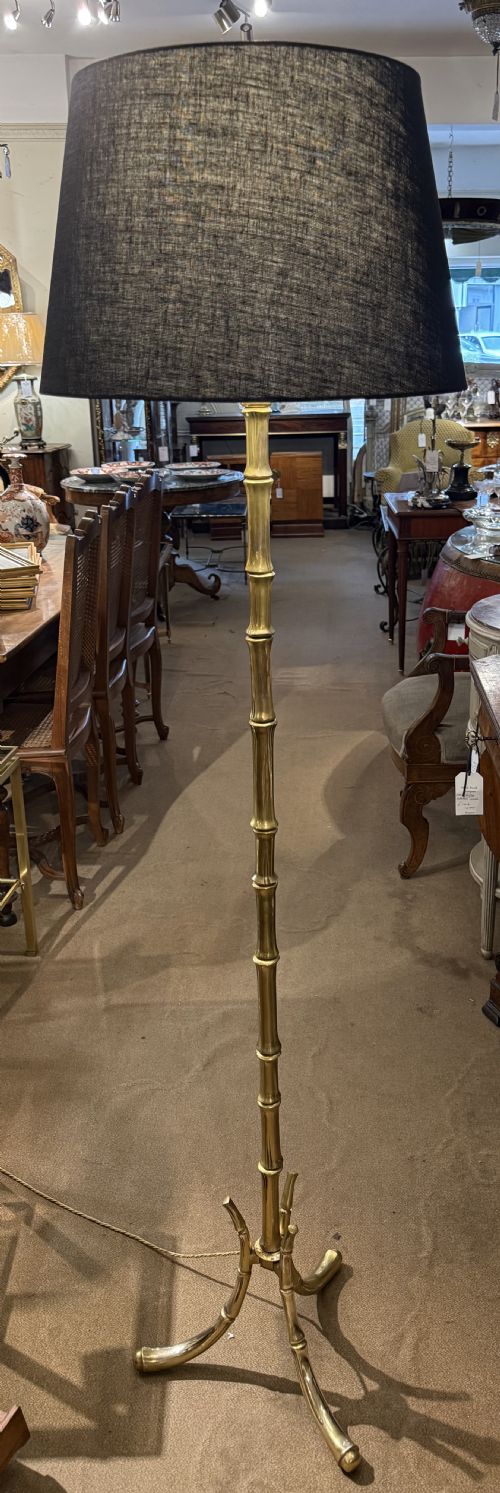
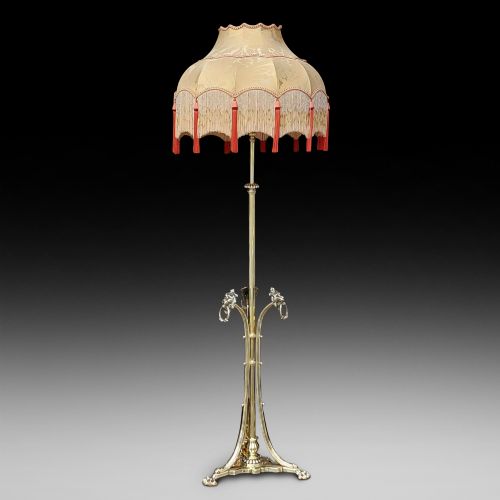

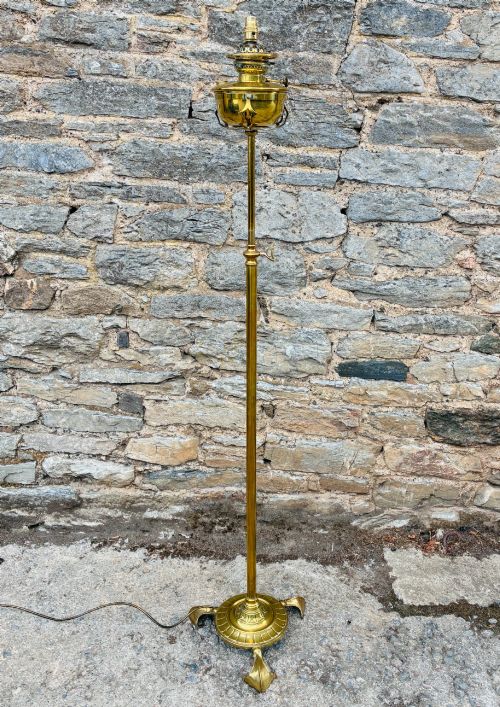
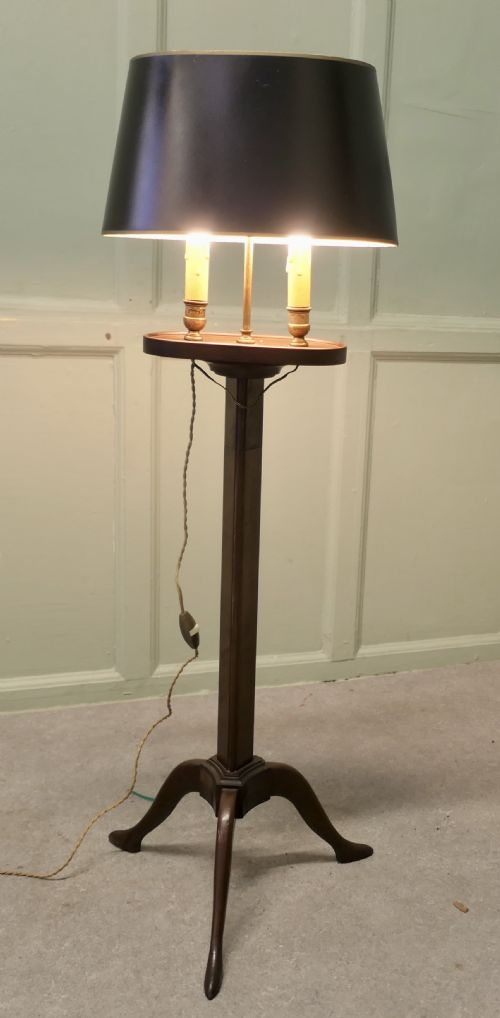
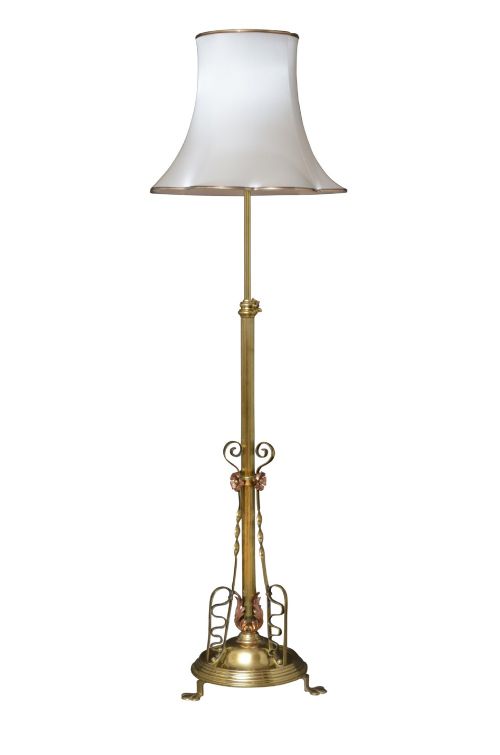
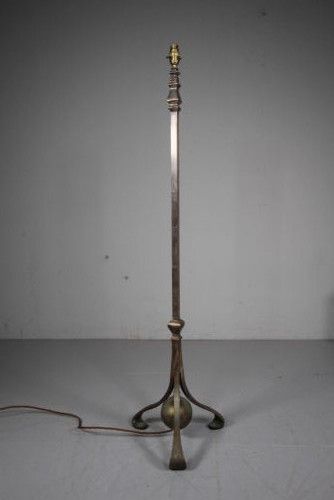
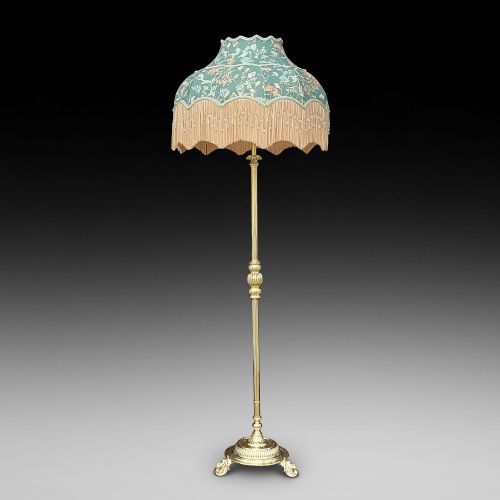
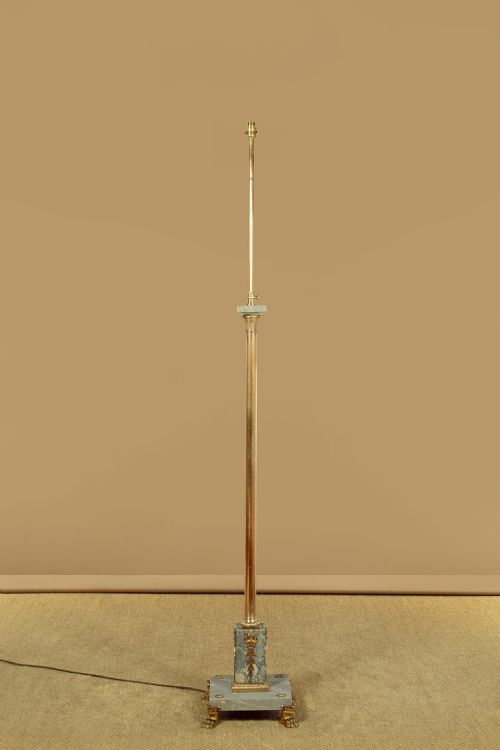
Antique Brass Lamp Standard
An antique brass lamp standard brings height and warm metal glow to a room, offering adjustable illumination rooted in period design.
Antique Brass Lamp Standard
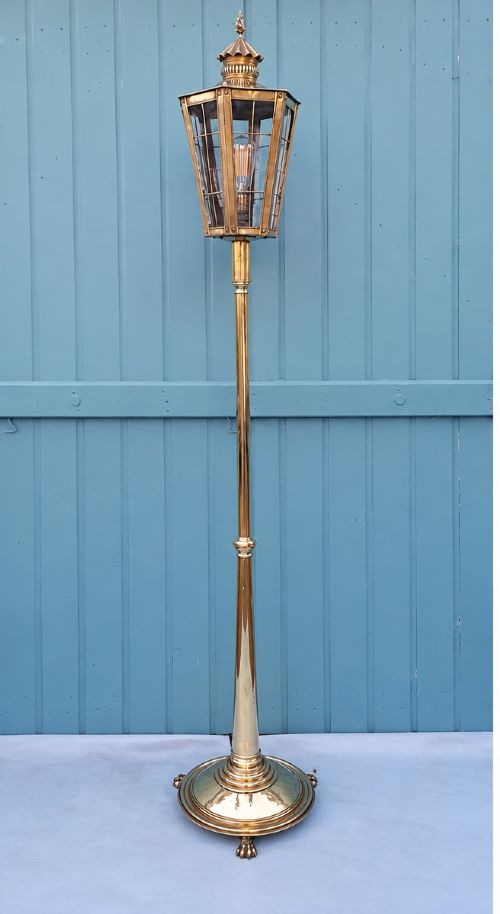
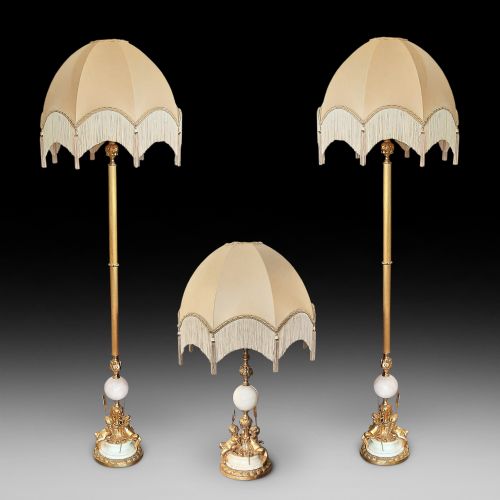
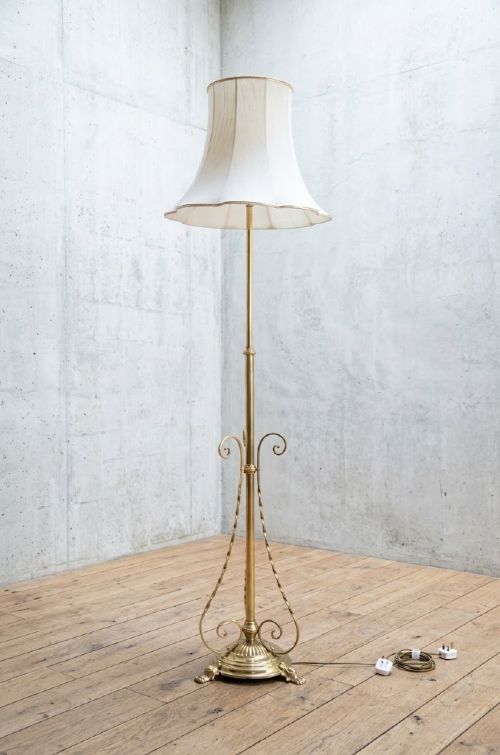
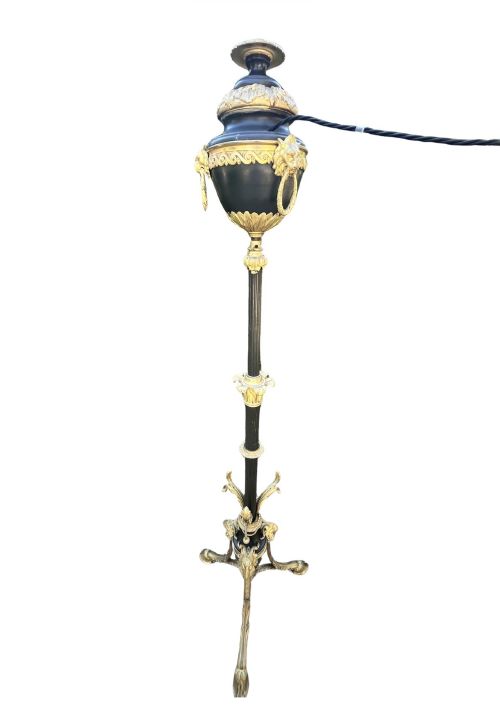
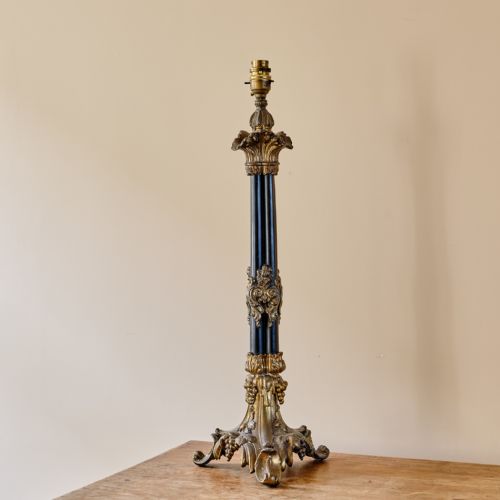
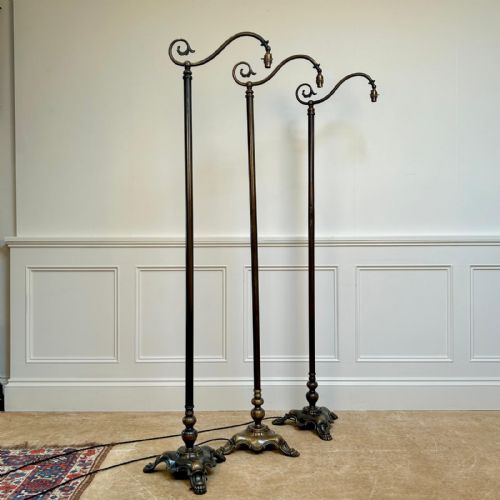
An antique brass lamp standard is a tall floor-standing light fixture designed to illuminate a space from an elevated position. When searching for an antique brass lamp standard, buyers encounter stately examples stretching from the Victorian and Edwardian eras into the early twentieth century.
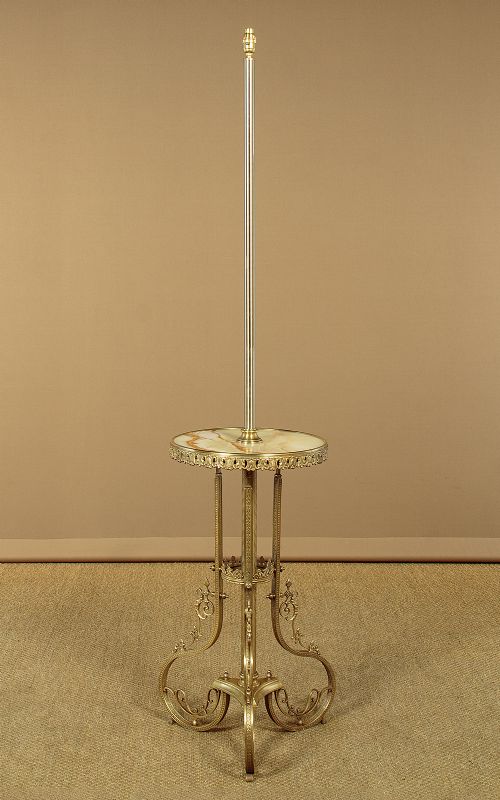
Many survivors began life as oil lamps before conversion to electricity, retaining their extending stems or telescopic mechanisms. Common iterations include Corinthian column forms, tripod bases, and combined pieces incorporating small tables.
Origins stretch across English, French, and Middle Eastern workshops, bringing distinct stylistic signatures like Art Nouveau curves or Neoclassical details to the domestic interior.
Materials and construction methods
Makers utilised solid brass, gilt metal, and copper, frequently combining these metals with contrasting materials like onyx, alabaster, mahogany, or glass reservoirs in cranberry hues. Structural integrity relied on heavy cast bases to support the long vertical shafts.
Adjustment mechanisms utilised telescopic brass tubes or sliding screw keys, allowing users to alter the height depending on the room arrangement. Surface decoration involved chased detailing, fluted columns, and patinated finishes applied to the metalwork.
Antique Brass Lamp Standard Retail Price Guide 2026
Typical asking prices for brass lamp standard among the pieces listed under this phrase on Sellingantiques today, from the lower quarter to the upper quarter. They describe what is for sale here now, not the wider market.
Listings feature brass alongside copper, gilt metal, onyx, alabaster, and mahogany across Victorian, Edwardian, and 1920s periods.
Evaluating the standard of manufacture
Quality rests in the weight of the casting and the precision of the telescopic action, where superior examples extend smoothly and lock firmly without wobble. The calibre of the chasing on Corinthian capitals or Art Nouveau tendrils separates standard production from finer workshop pieces.
Originality of components, including weighted bases and period burners or collars, dictates the integrity of the piece. Subtle details like integrated wine tables or multi-branch scroll arms elevate the sophistication of the design.
Hinks of B'ham·Maison Bagues
The Antique Brass Lamp Standard Glossary
- Standard lamp
- A term historically used in Britain to describe a floor-standing lamp designed to illuminate a room from a vertical post.
- Telescopic
- An adjustable column construction allowing the upper shaft to slide within the lower section to alter total height.
- Corinthian column
- A classical architectural column style featuring an ornate capital decorated with acanthus leaves, frequently utilised on tall lamp standards.
- Bouillotte
- A style of shaded lamp originating in France, traditionally featuring adjustable twin candle arms or central stems.
- Tole
- Painted or lacquered sheet metal, commonly utilised on French shades and lamp bodies for decorative colour.
Antique Brass Lamp Standard: Frequently Asked Questions
How do I convert an old oil lamp standard?
Conversion typically involves routing modern electrical flex down through the central telescopic shaft and fitting a compliant lampholder to the top.
Retaining the original burner gallery often allows modern wiring to pass through safely without altering the historic exterior appearance.
Why are some lamp standards adjustable in height?
Adjustability allowed nineteenth-century occupants to raise or lower the light source depending on whether they sat reading or required ambient room illumination.
Telescopic mechanisms and thumbscrews made these height shifts straightforward during daily domestic use.
How do I date a brass standard lamp?
Dating relies on stylistic markers such as Victorian Corinthian columns, Edwardian stepped bases, or later Art Nouveau whiplash curves found in the metalwork.
Patination, manufacturing methods, and mechanical screw types further help pinpoint whether a piece originates from the nineteenth or early twentieth century.
What shades suit an antique brass standard?
Fabric shades in pleated silks or parchment traditionally balance the heavy proportions of a tall brass column.
Proportion remains key, ensuring the diameter of the shade matches the visual weight of the heavy cast metal base below.