


Victorian Porcelain Jar
These porcelain pieces, gathered under the victorian porcelain jar search phrase, bring nineteenth-century ceramic artistry and domestic utility into modern rooms.
Victorian Porcelain Jar
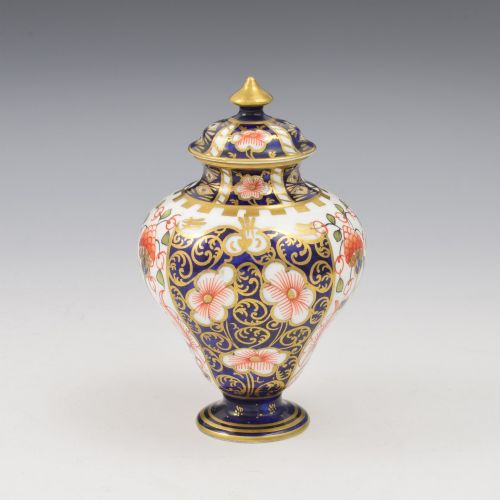
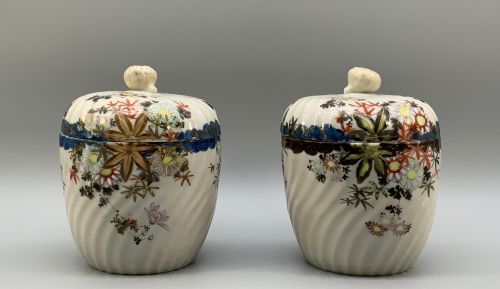
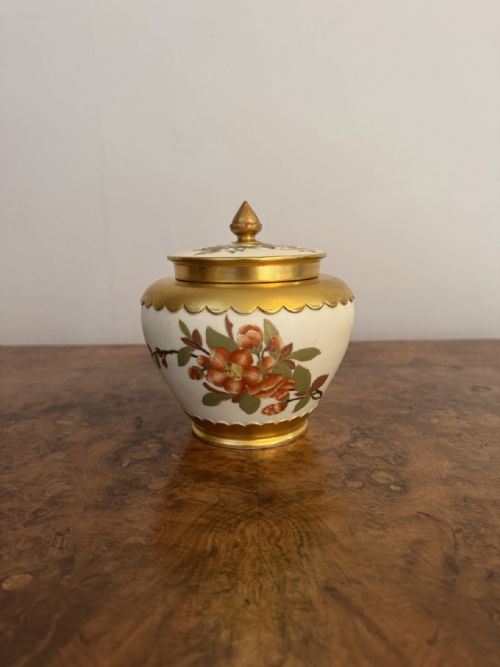
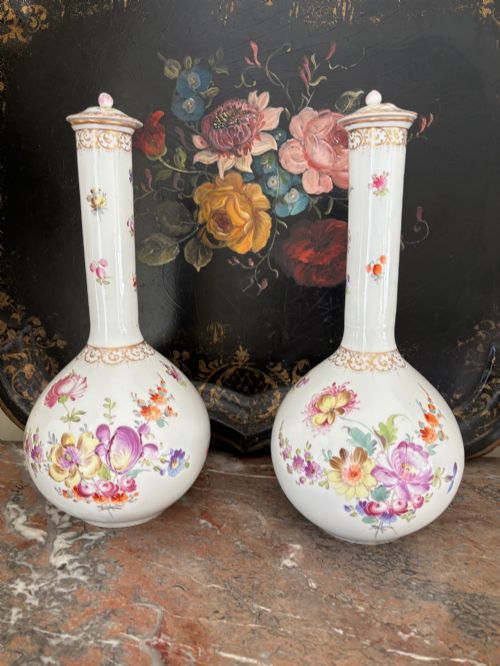
When you search for a victorian porcelain jar, you encounter a diverse range of nineteenth-century vessels that served various domestic and decorative purposes. The inventory spans functional containers like biscuit barrels, tea caddies, and apothecary jars alongside purely ornamental lidded vases and potpourri pots. These items originate from British potteries, continental European manufactories, and Japanese export traditions popular during the period.
The most common iterations on this page include lidded ginger jars, potpourri containers, and specialised storage vessels shaped in the Victorian and Edwardian styles. Makers utilised traditional forms such as bulbous urns, cylindrical pots, and double gourd vases, often fitted with matching covers. Their presence reflects the Victorian appetite for both decorative display and organised household storage.
How They Were Made
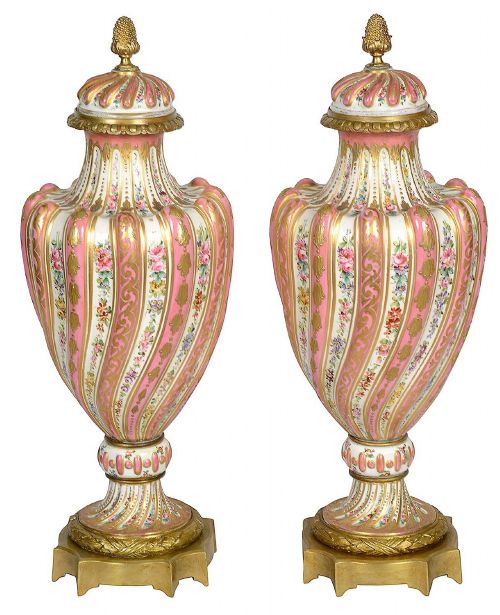
Potters shaped these objects from ceramic and porcelain bodies, applying liquid glaze to create smooth, vitreous surfaces suitable for detailed painting. Workshops employed hand-painting techniques to render floral motifs, classical scenes, and botanical subjects directly onto the ceramic ground. Many pieces incorporate gilding, gold leaf, and enamel details that highlight the contours of the lids, handles, and bodies.
Mounts and hardware made from brass and silver plate frequently accompany the ceramic components, particularly on biscuit barrels and trinket boxes. Firing took place in traditional kilns, achieving the crisp white bases seen on bone china and the dense finishes of continental porcelain. Artisans then applied transfer-printed or hand-brushed decoration before a final glaze firing sealed the pigments.
The listings span the nineteenth and early twentieth centuries, including Victorian, Edwardian, and Meiji period examples.
What Varies in Quality
The standard of these objects depends heavily on the precision of the hand-painted decoration and the crispness of the porcelain moulding. Superior pieces display intricate brushwork, well-defined gilding, and balanced proportions, whereas simpler examples rely on basic transfer printing or mass-produced factory decoration. The presence of named factory marks or artist signatures often indicates a higher tier of production.
Material refinements also distinguish the range, such as the delicate thinness of blush ivory bodies versus heavier, utilitarian earthenware. The preservation of applied elements like gold leaf, enamel highlights, and original brass or silver-plated mounts contributes significantly to the integrity of the piece. Fine potting is evident in the precise fit of lidded elements and the uniform smoothness of the glazed surfaces.
Royal Crown Derby·Royal Worcester·Sitzendorf·Samuel Alcock and Co·Carlton Ware·Helena Wolfsohn·Augustas Rex
The Victorian Porcelain Jar Glossary
- Biscuit Barrel
- A covered ceramic container used in the nineteenth century for storing dry biscuits at the dining table. These vessels frequently feature metal mounts and hinged lids.
- Potpourri Jar
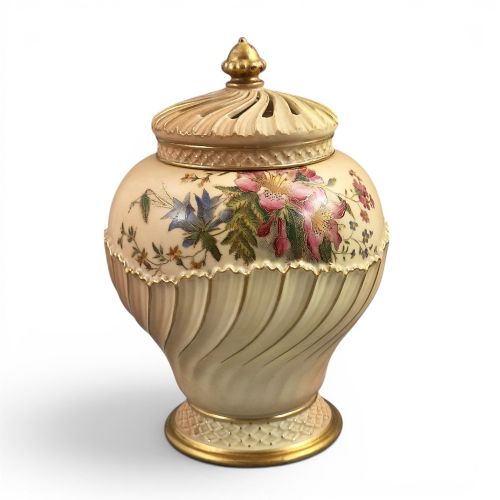
- A lidded container designed to hold dried scented plant material, featuring pierced or perforated covers to release fragrance into a room.
- Apothecary Jar
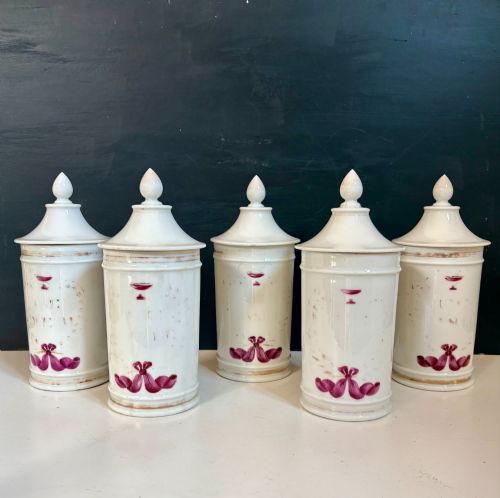
- A utilitarian vessel originally utilised by pharmacists to store medicinal herbs, liquids, or dry drugs. They often display painted labels denoting their contents.
- Imari
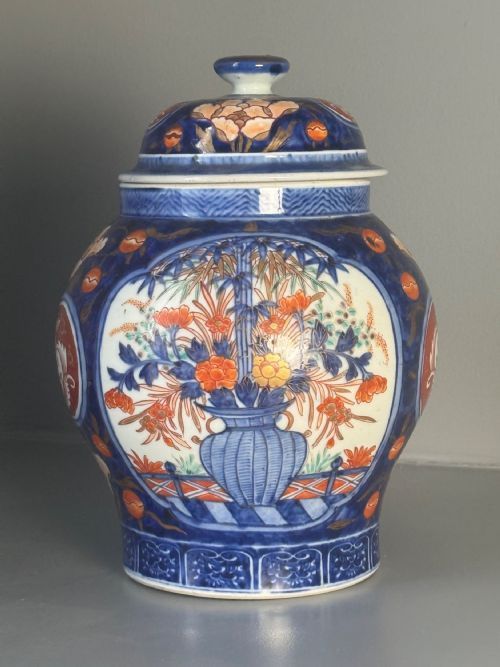
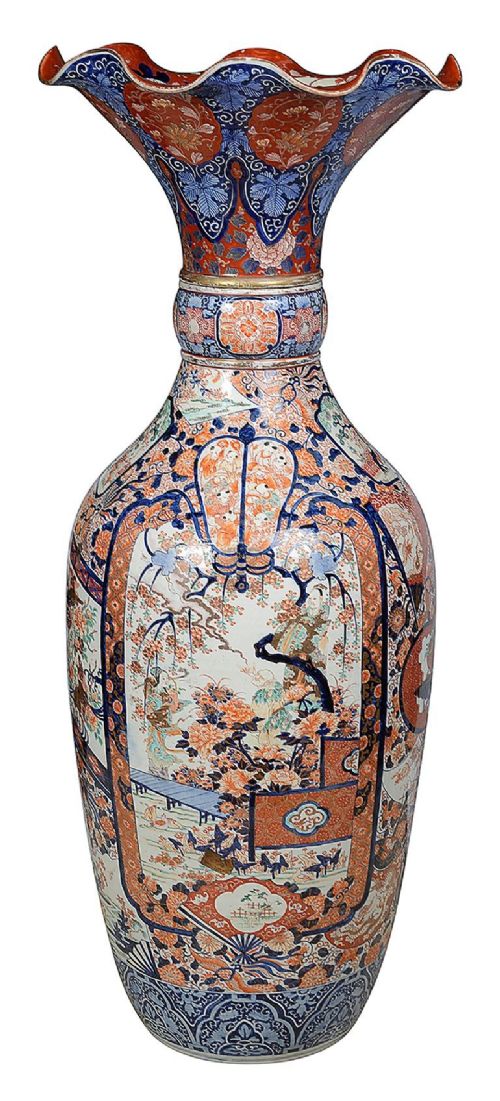
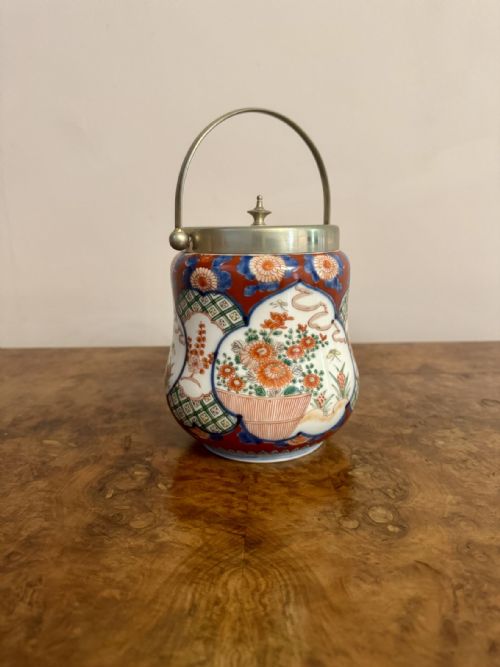
- A decorative style originating in Japan characterised by a distinct palette of underglaze blue, iron red, and gold, which heavily influenced European porcelain makers.
- Gilding
- The application of gold leaf or powdered gold suspended in a medium to the surface of ceramics. This technique accentuates rims, handles, and painted motifs.
Victorian Porcelain Jar: Frequently Asked Questions
What were porcelain jars used for?
Nineteenth-century households utilised these lidded vessels for a variety of domestic storage and decorative functions. Many served as table containers for dry biscuits, tea leaves, or sweetmeats, while others held scented potpourri to freshen living spaces.
Potteries also produced specialised apothecary vessels for medicinal storage alongside purely decorative urns and ginger jars designed for mantelpieces and side tables.
How can I tell Victorian from Edwardian?
Victorian ceramics, produced during the reign of Queen Victoria, often favour rich polychrome palettes, heavy gilding, and ornate revivalist styles like Rococo. The forms tend toward elaborate detailing and vibrant hand-painted floral or classical scenes.
Edwardian pieces, made after 1901, frequently showcase lighter aesthetics such as blush ivory grounds, simpler botanical illustrations, and restrained decorative schemes that reflect changing twentieth-century tastes.
Are these jars safe for food?
Historical nineteenth-century ceramics were manufactured using traditional glazes and pigment mixtures that often do not meet modern food safety standards. Many antique vessels display wear to the interior glaze or contain lead-based components from the period of production.
It is advisable to treat these items as decorative display pieces or dry storage containers rather than using them for consumable food or drink.