



Victorian Porcelain Ewer
These victorian porcelain ewer pieces bring dramatic poured forms and decorative painting to a room, offering both history and utility.
Victorian Porcelain Ewer
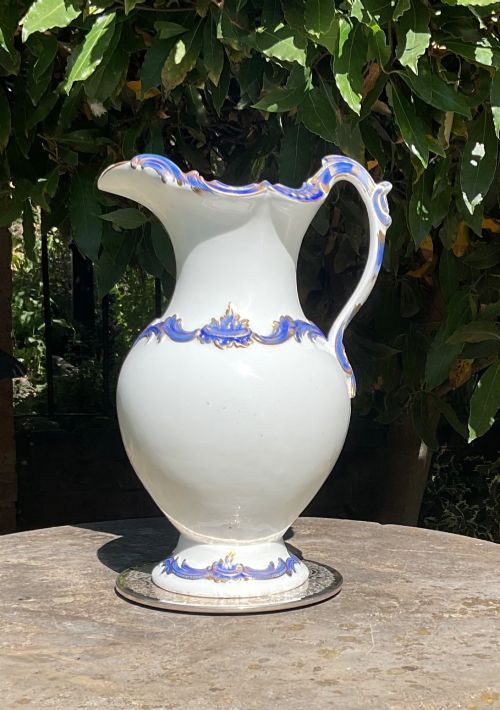
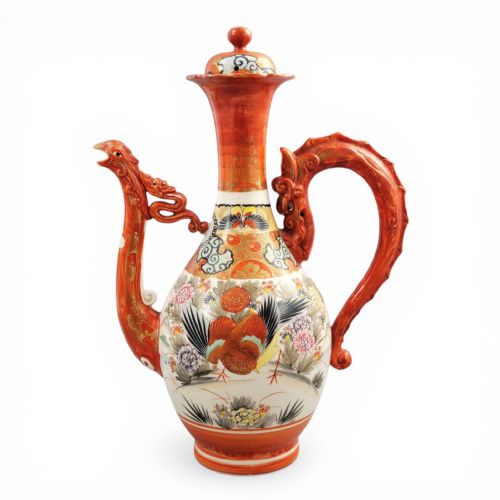
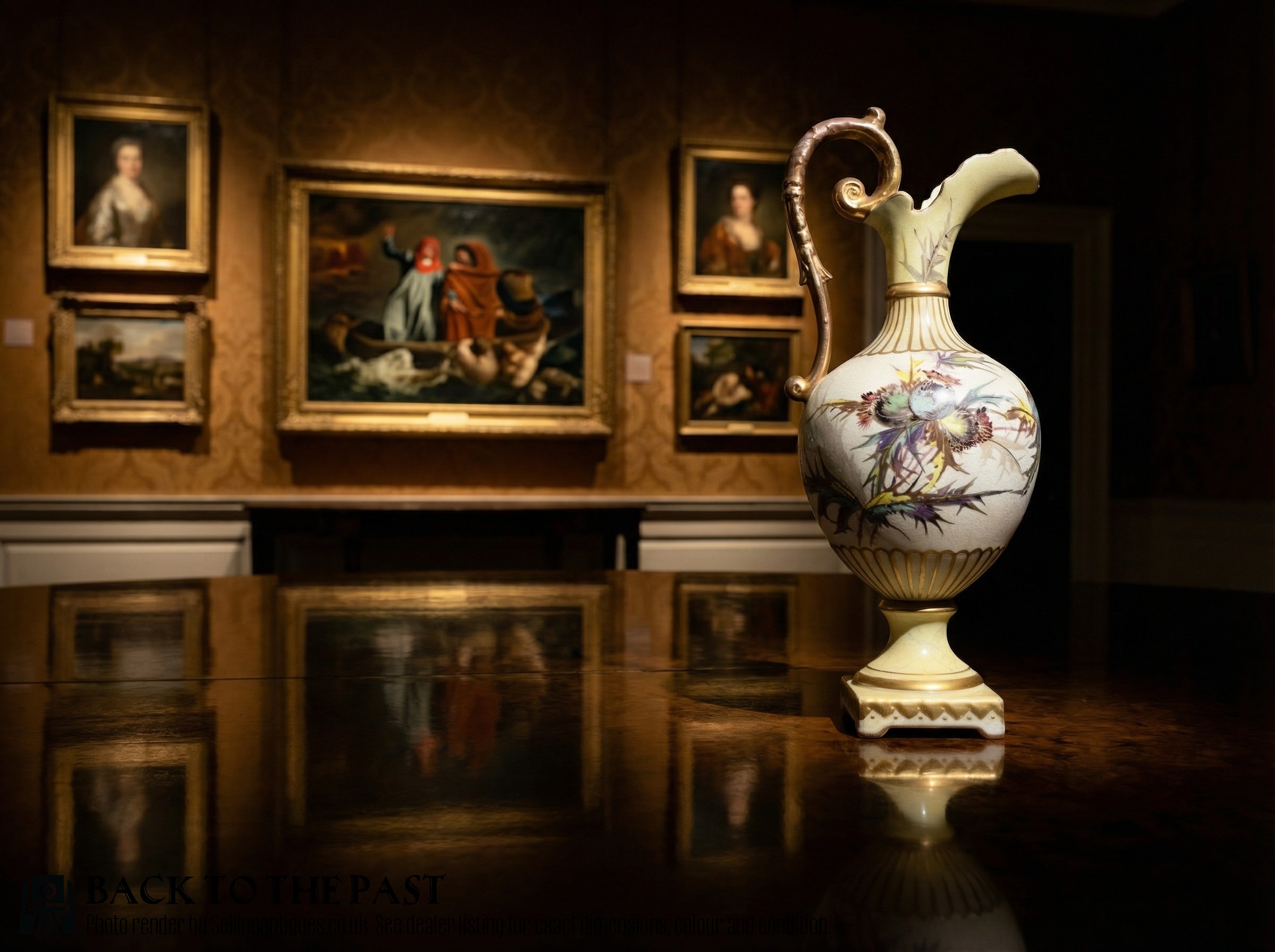
A victorian porcelain ewer is a pitcher or jug designed for display or decorative service rather than heavy daily kitchen use. These pieces emerge in styles like Rococo Revival, bringing elaborate, curvaceous profiles to ceramics.
The objects on this page span several decades, starting from mid nineteenth century jugs up to pieces marked around nineteen twenty. Collectors encounter forms specifically classed as decorative ewers, pitchers, and jugs.
Materials and Manufacture
Makers shaped these items from ceramic paste, applying glaze and ceramic enamel for colourful surfaces. Many examples incorporate gold leaf, gilding, and bright gilt highlights to emphasise handles and rims.
Porcelain bodies receive high temperature firing before artists add hand painted enamel details and metallic leaf accents. The combination of gloss glaze and matte gilding creates distinct surface textures.
Victorian Porcelain Ewer Retail Price Guide 2026
Typical asking prices for victorian porcelain ewer among the pieces listed under this phrase on Sellingantiques today, from the lower quarter to the upper quarter. They describe what is for sale here now, not the wider market.
Some ewers wear their nineteen twenty Harper designs with the quiet confidence of an aristocrat who missed the boat.
Judging Quality
Quality rests upon the precision of the hand painting and the crispness of the moulded form, particularly in Rococo Revival examples where curves risk losing definition. Rich application of gold leaf and intricate enamel work separate standard jugs from finer pieces.
Factory marks provide a clear indicator of origin, with specific puce marks helping identify esteemed makers. The weight of the ceramic and the evenness of the glaze further define the better examples in this range.
Royal Worcester
The Victorian Porcelain Ewer Glossary
- Ewer
- A large pitcher or jug with a wide spout and handle, historically used for water but often made purely for display in the Victorian era.
- Gilding
- The application of gold leaf or gold powder onto the porcelain surface to create decorative lines and highlights.
- Enamel
- A glass based substance fused to the ceramic body through firing, providing durable and vibrant colour.
- Puce mark
- A stamp applied in purple or brownish red pigment to the underside of pottery, often used by factories like Royal Worcester to date pieces.
- Rococo Revival
- A nineteenth century design style characterised by asymmetrical scrolls, shell motifs, and exuberant organic curves.
Victorian Porcelain Ewer: Frequently Asked Questions
What is a victorian porcelain ewer?
A victorian porcelain ewer is a decorative pitcher or jug made from ceramic material, often featuring painted enamel and gilding.
These items were produced in various forms during the nineteenth and early twentieth centuries, primarily for display.
How were these ewers used?
While originally designed to hold water for washing, many Victorian pieces served purely as decorative ornaments in parlours and drawing rooms.
Their ornate handles and gilded surfaces made them centrepieces on sideboards and mantels.
How do I date a porcelain ewer?
Dating relies on factory marks stamped on the base, such as puce marks used by makers like Royal Worcester around eighteen ninety.
Stylistic elements like Rococo Revival curves and the specific use of gold leaf also point to particular decades.
What materials make up these ewers?
These pieces are formed from porcelain ceramic, finished with a smooth glaze to seal the body.
Decoration includes ceramic enamel paint, gold leaf, and extensive gilding applied over the glaze.