
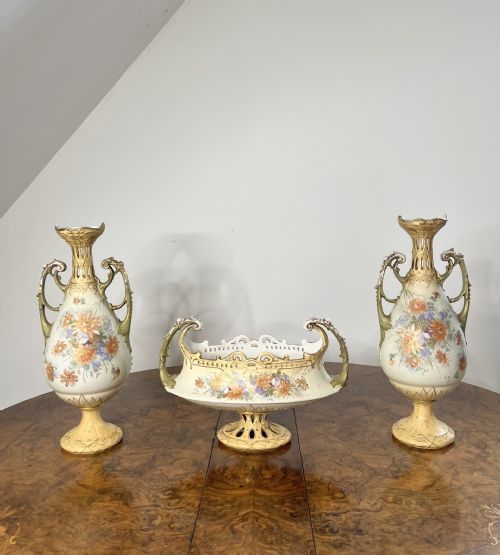
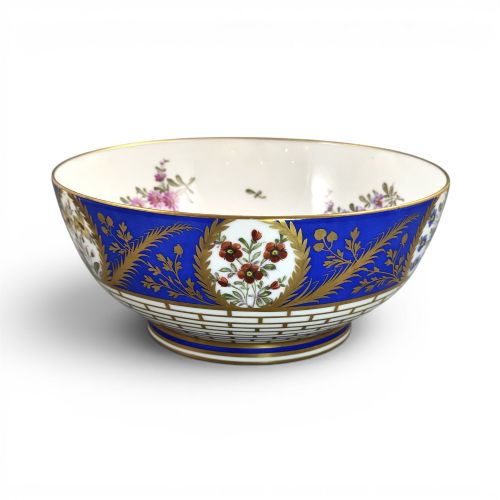
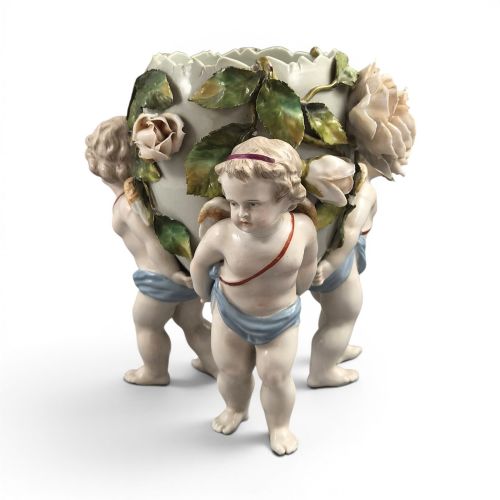

Victorian Porcelain Bowl
These Victorian porcelain bowl examples bring vibrant floral decoration, gold leaf, and rich enamel to your table.
Victorian Porcelain Bowl
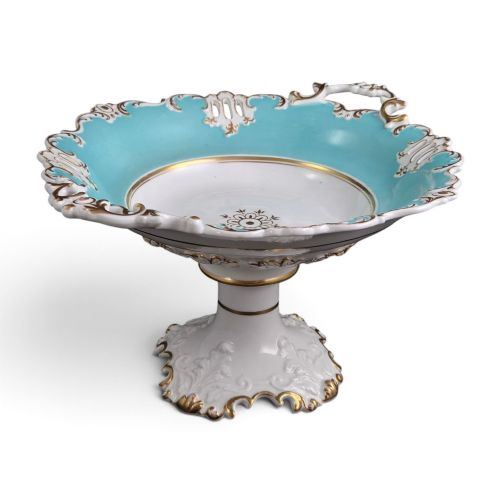
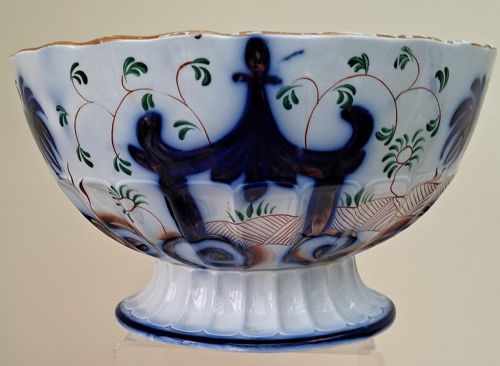
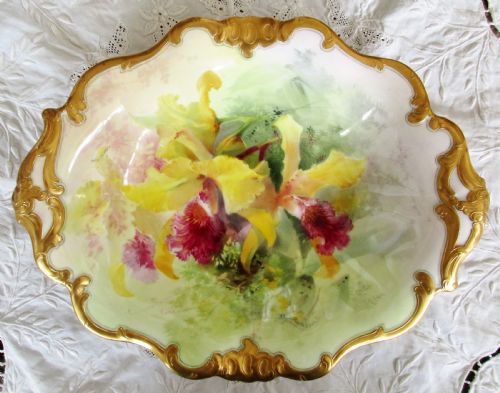
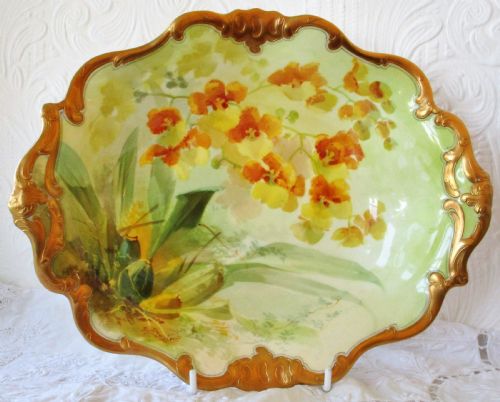
A victorian porcelain bowl combines decorative utility with the elaborate styles of the nineteenth century, ranging from simple footed vessels to large centrepieces. You will frequently encounter styles like the Chelsea-Derby revival, French rococo revival, and late Victorian ornamental designs.
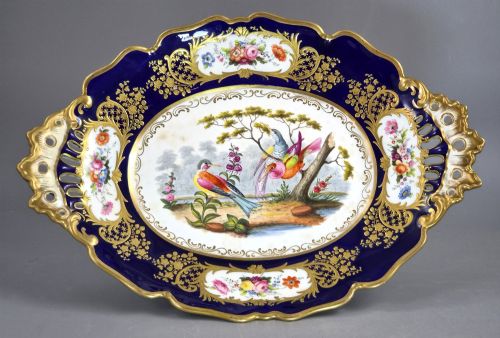
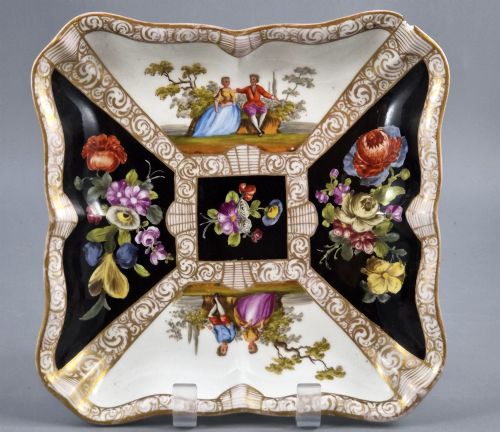
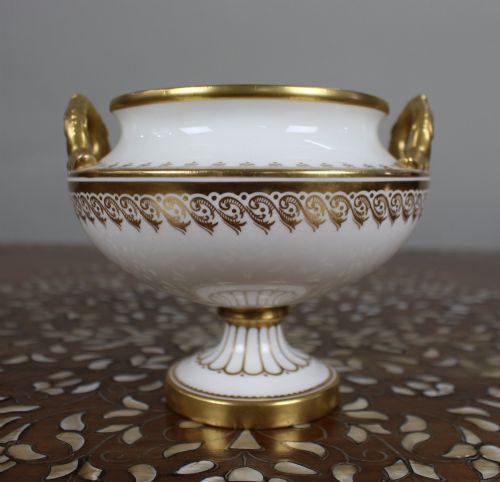
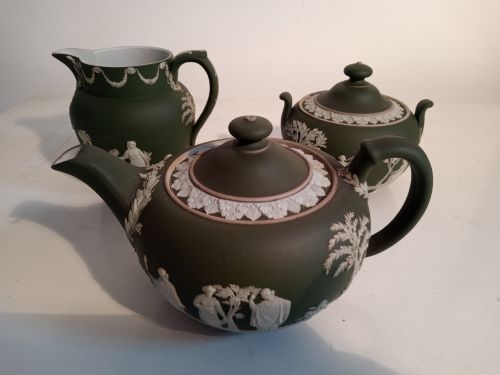
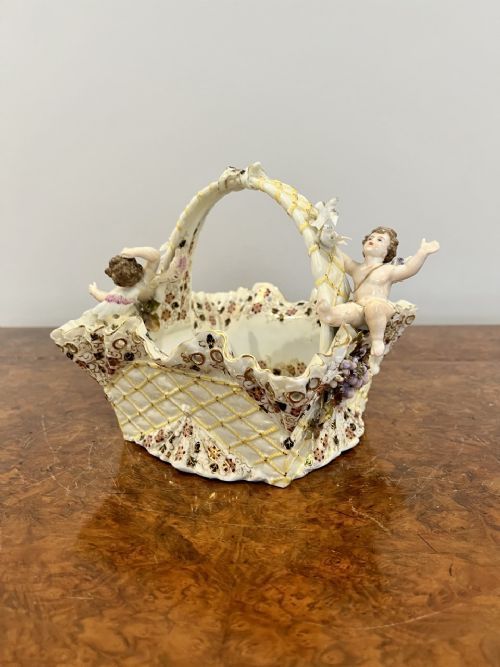
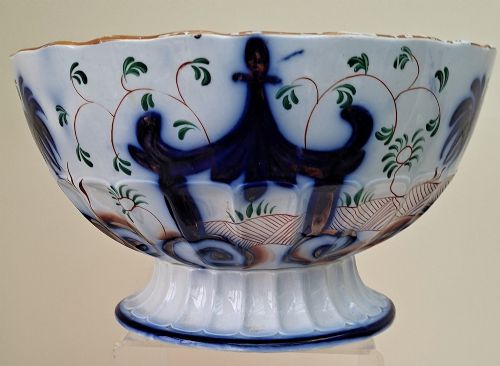
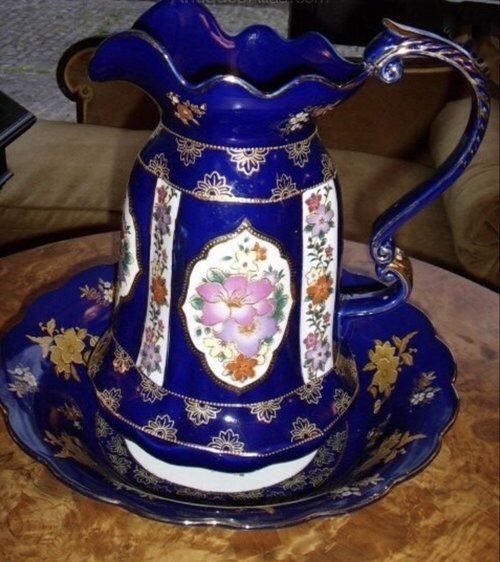
The evidence shows forms spanning decorative dishes, footed bowls, comports, and even vanity sets, often decorated with floral sprays or transfer-printed patterns. Pieces emerge from notable English and continental traditions, including works attributed to Samson of Paris, Royal Worcester, Derby, and Copeland Spode.
How they were made
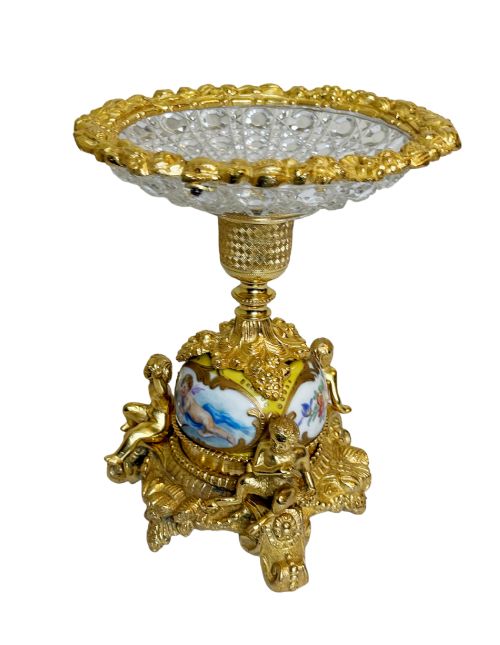
These items are constructed from ceramic glaze, bone china, earthenware, and porcelain, frequently enhanced by hand painting and enamel decoration. Artisans applied rich surface detailing using gold leaf, gilt bronze, and ormolu mounts to elevate the visual weight of the vessel.
Makers utilised moulded porcelain bodies, press-moulding techniques for glass-like vitro-porcelain, and intricate firing processes to achieve the delicate blush ivory or bright Imari patterns seen on these objects.
Victorian Porcelain Bowl Retail Price Guide 2026
Typical asking prices for victorian porcelain bowl among the pieces listed under this phrase on Sellingantiques today, from the lower quarter to the upper quarter. They describe what is for sale here now, not the wider market.
At least one nineteenth-century example swapped traditional clay for vitro-porcelain to mimic shell and coral patterns in pressed glass.
What varies in quality
The distinction between standard production and the finest items rests on the precision of the hand-painted detailing and the richness of the enamel and gold leaf application. Finer examples display crisp modelling in revivalist styles, whilst simpler pieces rely on standard transfer-printed motifs.
Quality also shows in the integration of secondary materials, such as finely chased ormolu mounts or gilt bronze fittings that complement the porcelain body rather than overwhelming it.
Samson Paris·Royal Worcester·Royal Crown Derby·Copeland Spode·Haviland
The Victorian Porcelain Bowl Glossary
- Bone china
- A type of porcelain containing bone ash that offers a bright white body and high translucency. It became a staple of nineteenth-century English ceramic production.
- Ormolu
- Gilded bronze mounts applied to decorative porcelain bowls and furniture. This technique adds architectural weight and a rich metallic contrast to the ceramic glaze.
- Imari
- A decorative style featuring rich underglaze blue and iron-red overglaze with extensive gilt details. It was widely emulated by European factories during the nineteenth century.
- Comport
- A raised decorative dish or bowl used for serving fruit or sweets at the table. They often feature pedestal bases and elaborate handles.
- Blush ivory
- A soft, creamy ceramic glaze developed by Royal Worcester that mimics the warm tone of natural ivory. It provides a subtle background for hand-painted floral sprays.
Victorian Porcelain Bowl: Frequently Asked Questions
What were these bowls used for?
These vessels served primarily as decorative centrepieces, fruit bowls, or functional components of larger vanity sets during the nineteenth century.
They sat on dining tables, sideboards, or dressing tables to display fruit or hold personal items.
How do I care for antique porcelain?
Wash these pieces gently by hand using warm water and mild soap, avoiding abrasive sponges that might damage the gold leaf and enamel.
Keep them away from direct sunlight and sudden temperature changes to protect the glaze and any delicate ormolu mounts.
How do I tell revival styles apart?
French rococo revival pieces often feature asymmetric scrollwork and gilt bronze mounts, whereas Chelsea-Derby revival items lean towards brighter Imari palettes and botanical motifs.
Examining the underlying paste and any maker marks helps clarify whether a piece originates from an English pottery or a continental workshop.
Are all these items made of porcelain?
While most pieces utilise bone china, porcelain, or ceramic glaze, the evidence also records variations like earthenware and vitro-porcelain.
Some items incorporate mixed materials such as gilt bronze, ormolu, and gold leaf to enhance their decorative appeal.