

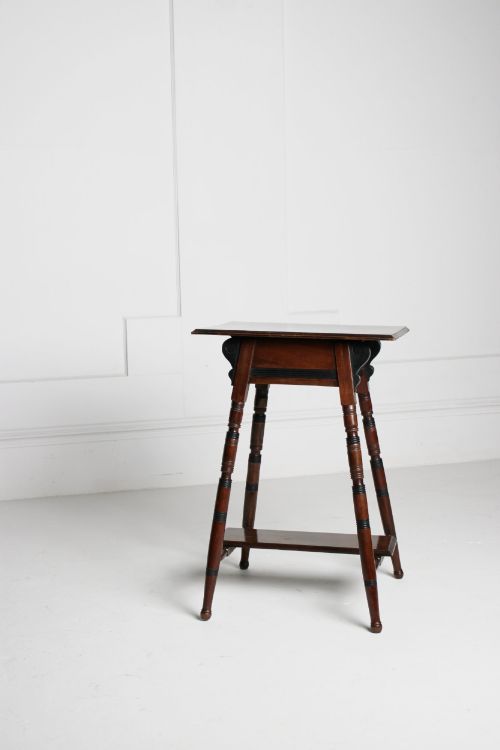

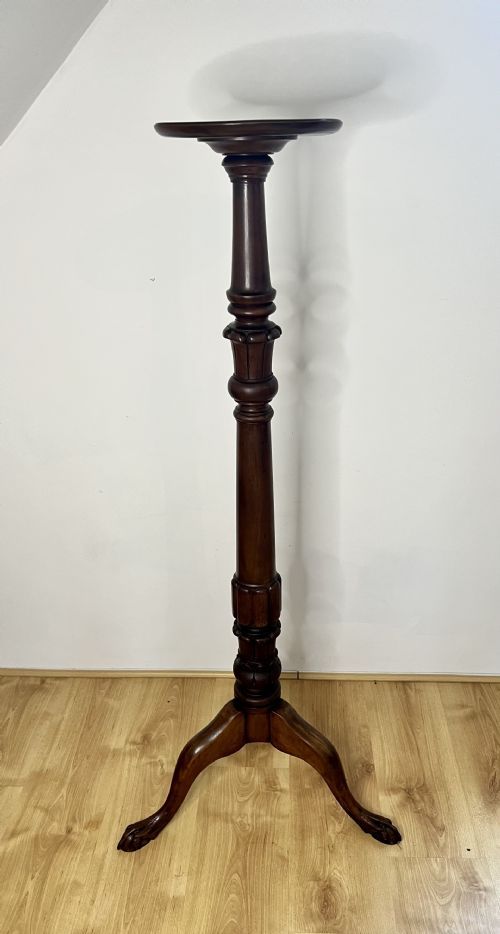
Victorian Plant Pedestal
A victorian plant pedestal lifts greenery into the light with architectural presence, offering walnut, mahogany, and marble forms to anchor a room.
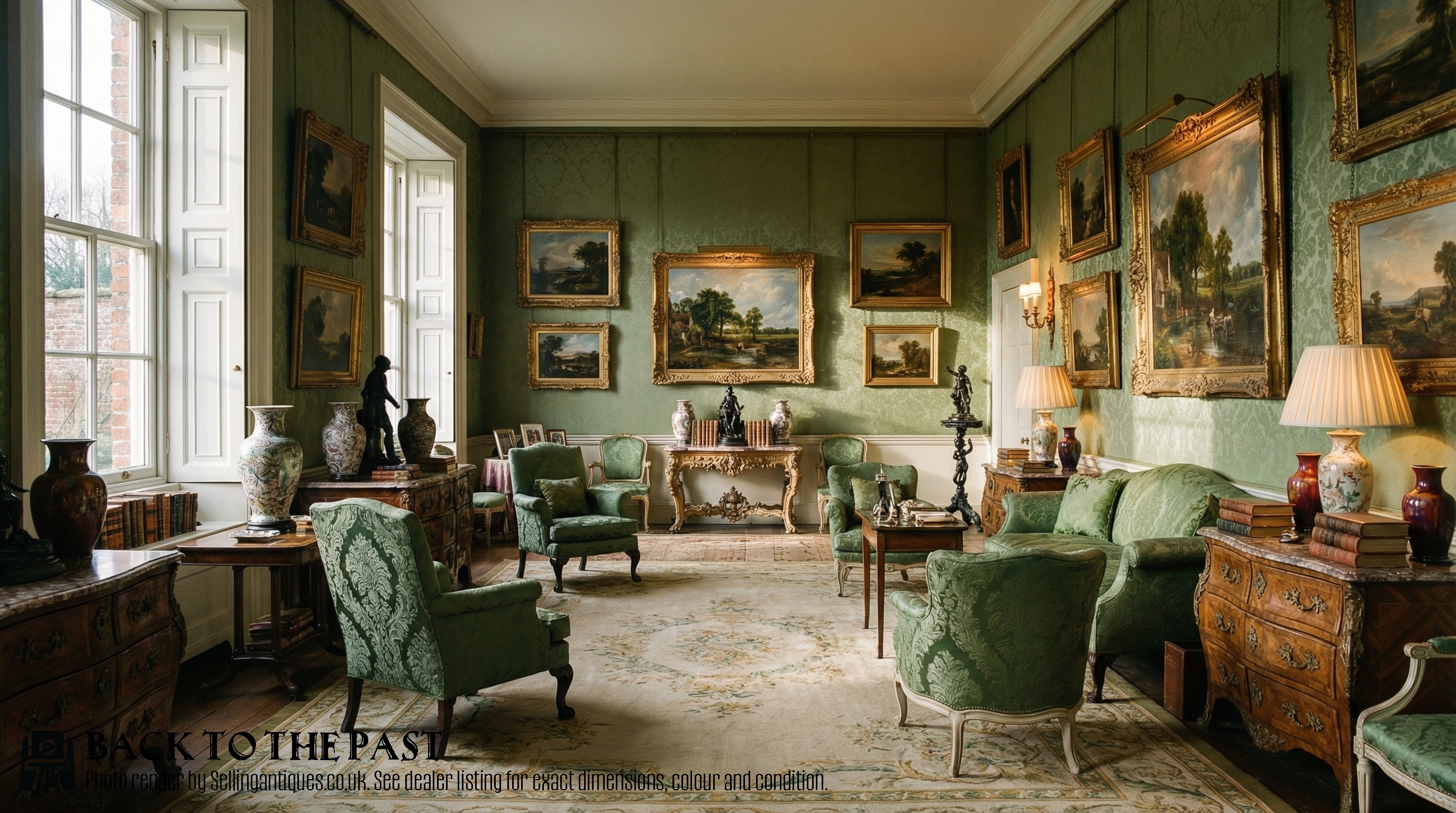
Victorian Plant Pedestal
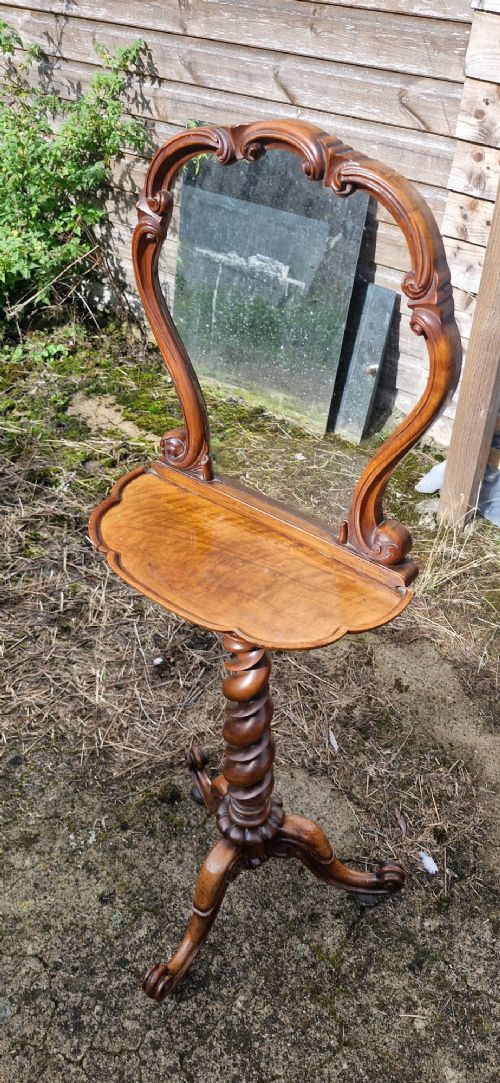
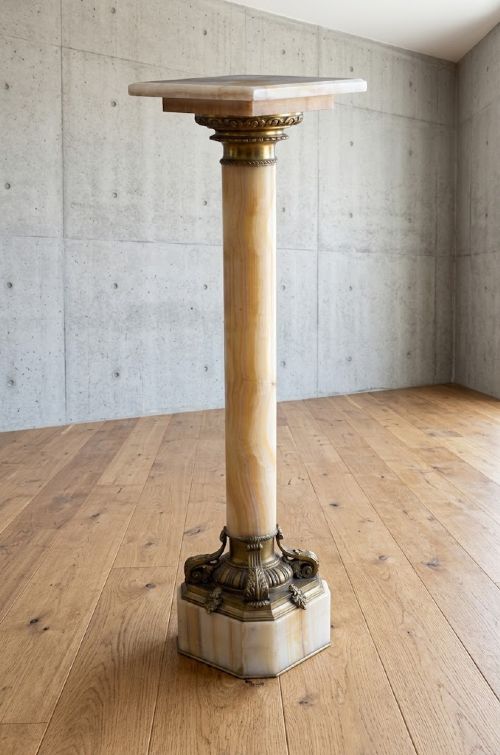
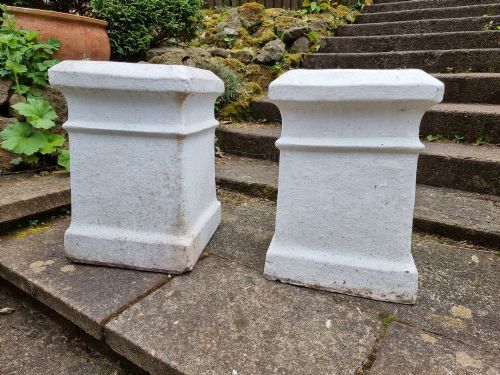
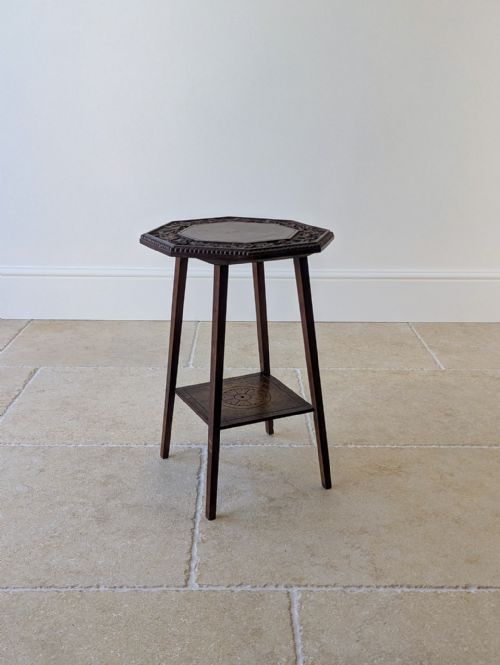
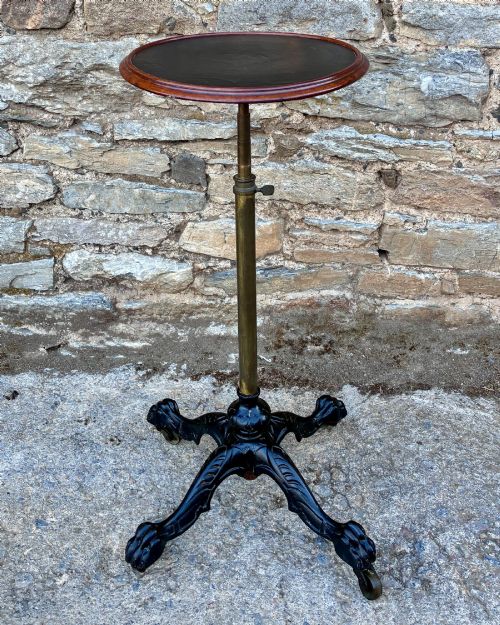
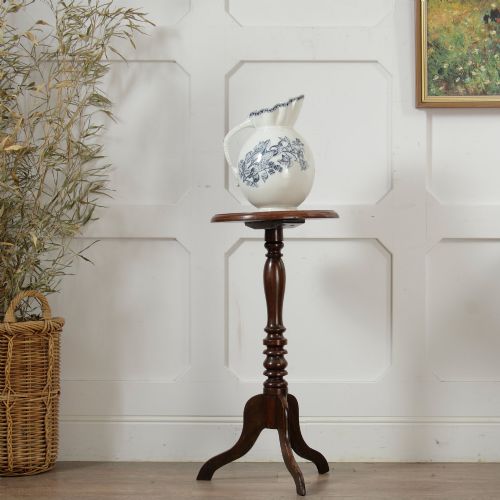
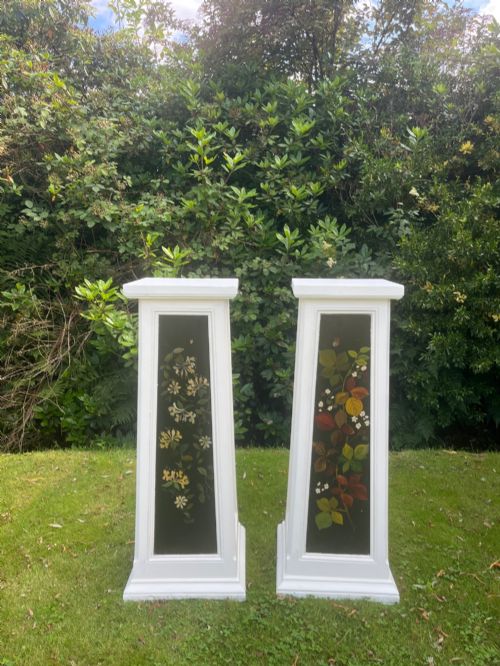
A victorian plant pedestal serves as a raised platform for foliage and decorative urns, drawing the eye upward with classical proportions. These stands take the form of tall columns, torcheres, and multi-tiered tables designed to hold jardinières and floral displays.
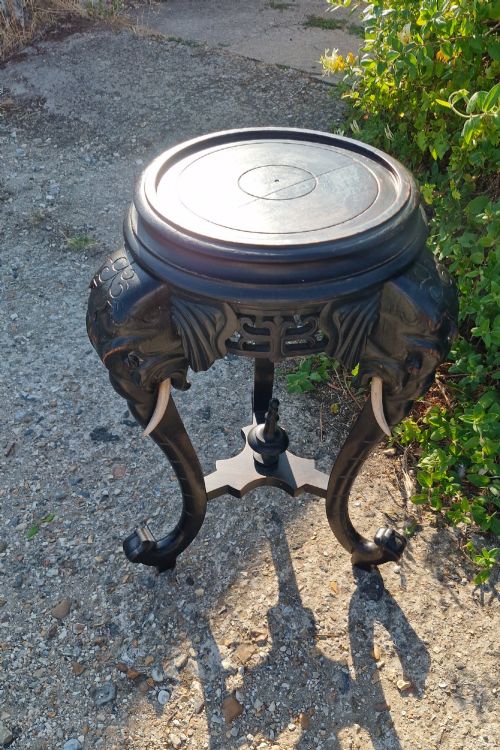
The pieces appearing on this page span the nineteenth century, including specific dates such as eighteen-fifty and eighteen-ninety alongside broader Victorian and George IV eras. Forms range from simple column stands to elaborate Anglo-Indian and Italian revival pieces.
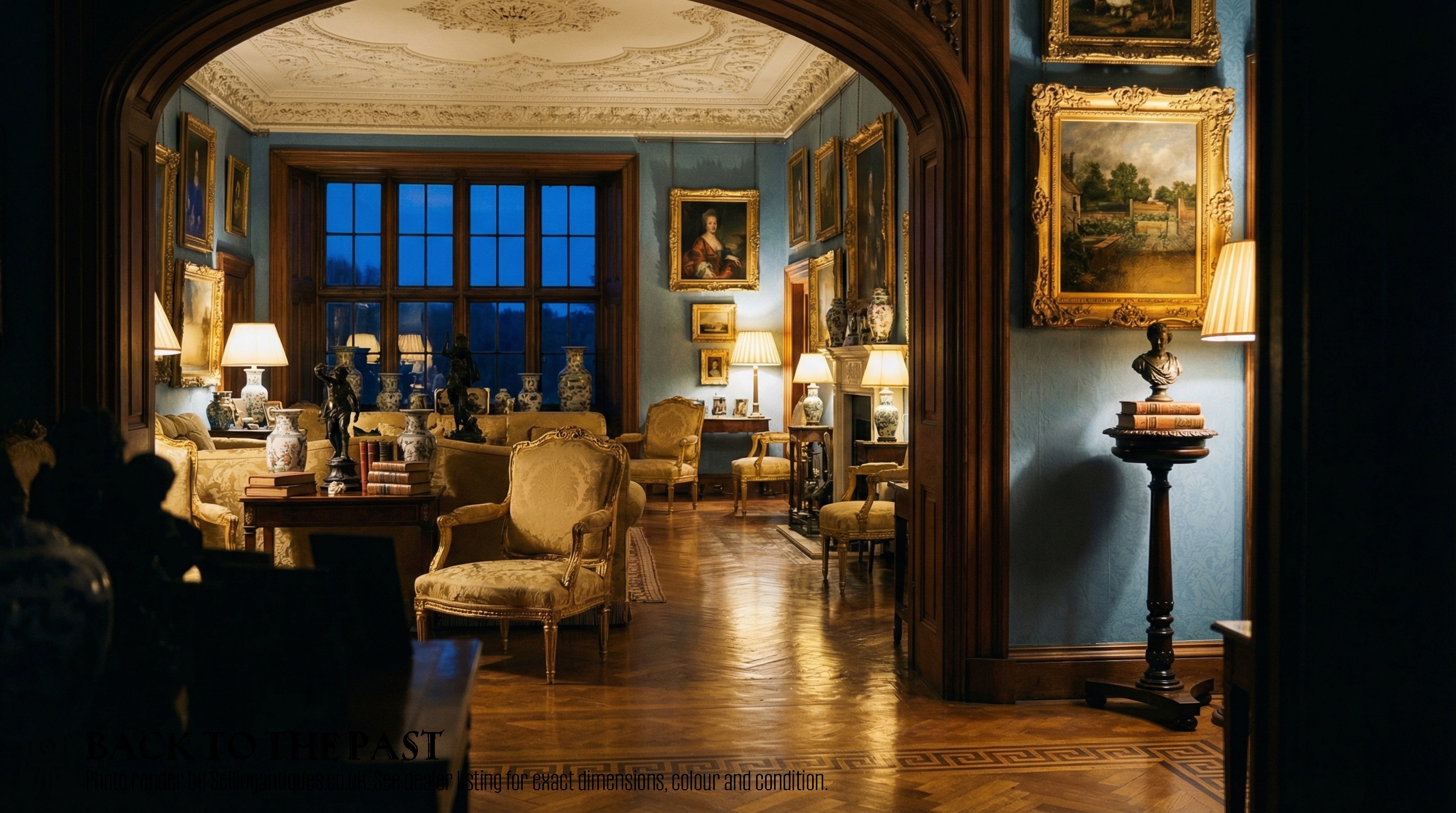
How they were made
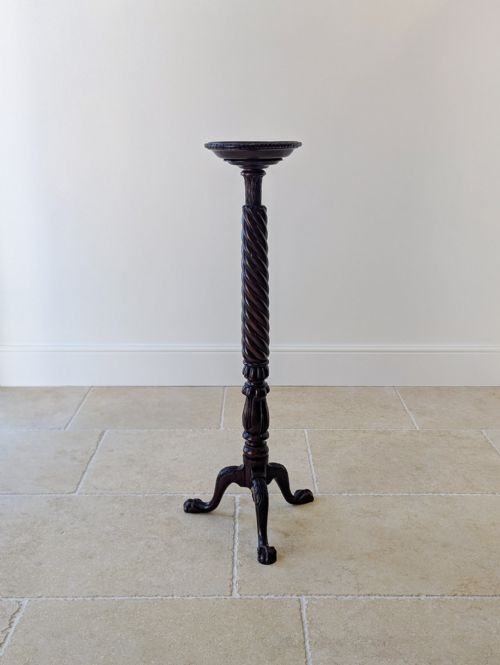
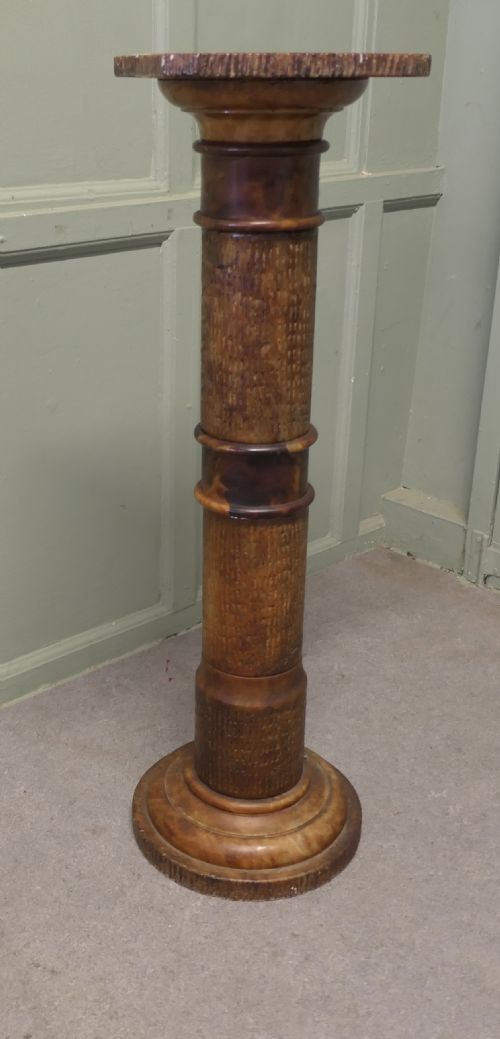
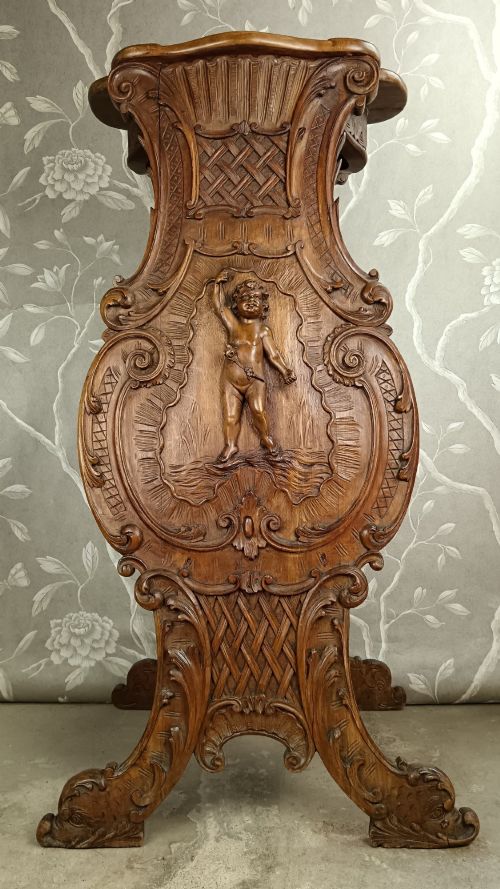
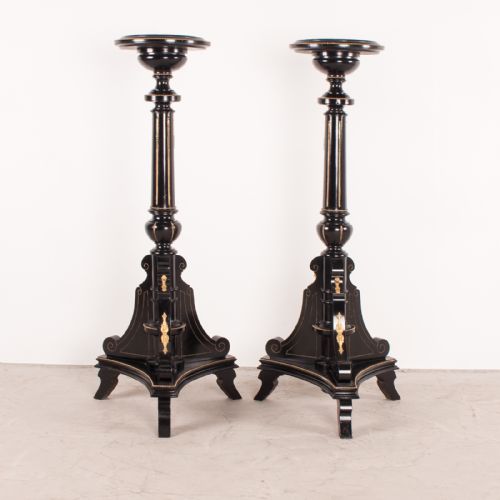
Cabinetmakers constructed these supports using solid rosewood, walnut, mahogany, and ebonised wood, frequently incorporating brass fittings and inset marble tops. Carved wood details, rope twist columns, and hexagonal tops demonstrate the joinery and sculptural skill of the period.
Workshop methods combined structural timber framing with intricate surface carving and polished finishes, reflecting historical revivals such as Louis XVI and Anglo-Indian design traditions.
Victorian Plant Pedestal Retail Price Guide 2026
Typical asking prices for victorian plant pedestal among the pieces listed under this phrase on Sellingantiques today, from the lower quarter to the upper quarter. They describe what is for sale here now, not the wider market.
What varies in quality
Distinctions in quality rest upon the choice of timber, the crispness of the hand-carved detail, and the integrity of the structural column. Dense solid rosewood and figured mahogany represent a higher standard of construction than secondary woods.
Refined proportions and specialised forms, such as rope twist columns or inlaid marble tops, separate standard production stands from exceptional workshop commissions.
Shoolbred·Thomas King·E W Godwin
The Victorian Plant Pedestal Glossary
- Torchere
- A tall, slender stand originally designed to hold a light source, now commonly used for plants. These vertical pieces elevate displays to eye level.
- Jardiniere
- An ornamental pot or stand for plants and flowers. It sits atop pedestals or serves as an integrated plant receptacle.
- Ebonised
- Wood treated with a dark finish to imitate ebony. This dark surface creates a sharp visual contrast with green foliage.
- Rope twist
- A carved decorative motif resembling intertwined rope cords. It adds texture and movement to vertical wooden columns.
Victorian Plant Pedestal: Frequently Asked Questions
What is a victorian plant pedestal used for?
These pieces elevate potted plants, urns, and floral arrangements to create focal points in hallways and reception rooms. They distribute height within a room, keeping foliage clear of the floor.
Historically, they also held lamps and decorative bronze figures alongside indoor plants.
How do I identify a nineteenth-century stand?
Examine the timber selection, construction joints, and decorative carving styles typical of the period. Solid mahogany, walnut, and rosewood display distinct ageing and grain patterns.
Stylistic cues like rope twists and column designs help separate these nineteenth-century items from modern reproductions.
Where should I place a torchere stand?
Torcheres suit corners, alcoves, and empty wall spaces where vertical height breaks up flat expanses. Ensure the floor is level so the tall, slender column remains stable.
Keep them away from direct heat sources to protect the polished wood surfaces.
What materials were used?
Cabinetmakers utilised dense hardwoods including mahogany, walnut, and solid rosewood. Brass hardware and marble tops appear frequently on higher-end examples.
Ebonised wood and carved pine also feature across various revival styles.