

Victorian Pitch Pine
Solid, resin-rich and built to endure, Victorian pitch pine furniture brings dense grain and robust utility into modern domestic spaces.
Victorian Pitch Pine
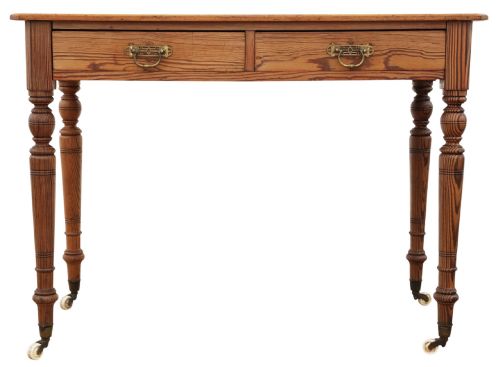
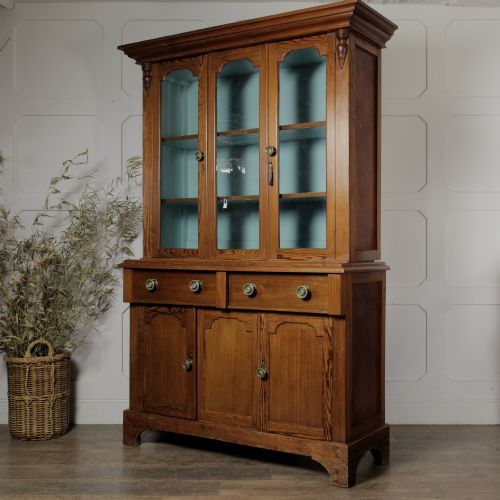
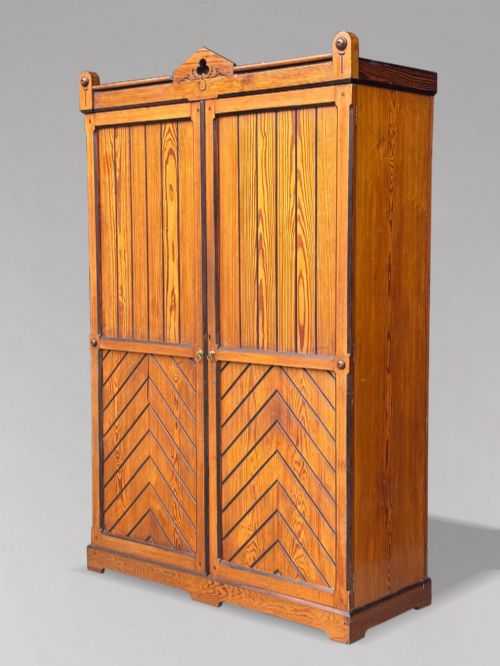
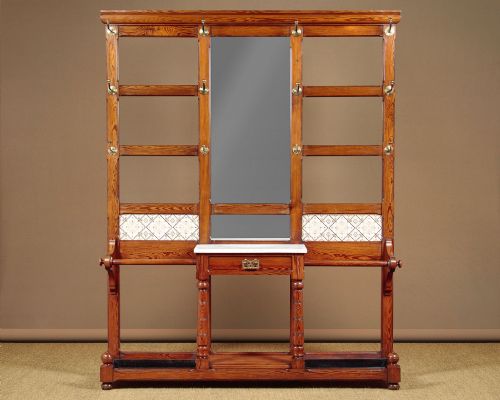
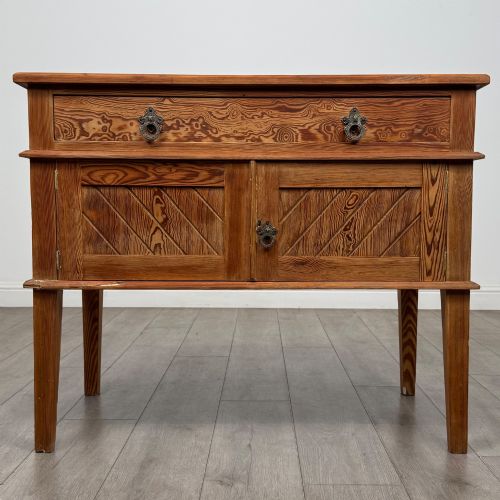
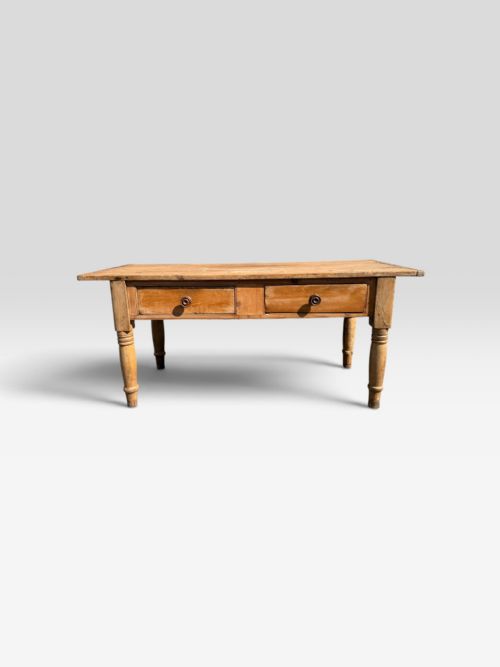
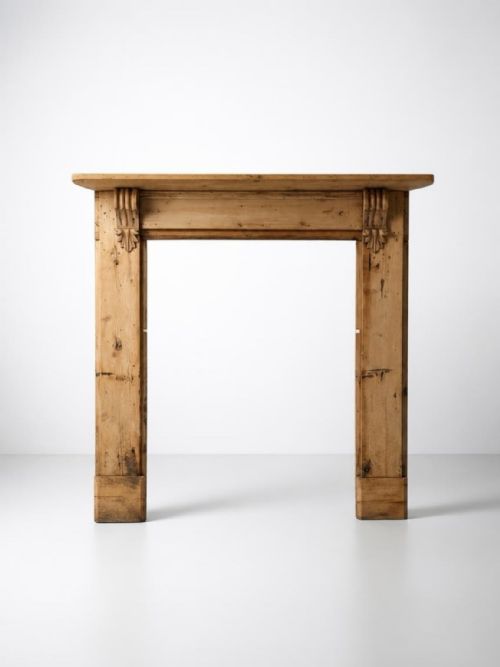
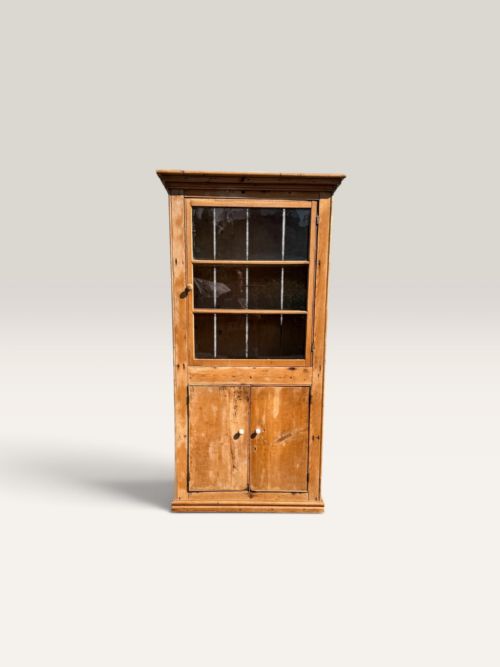
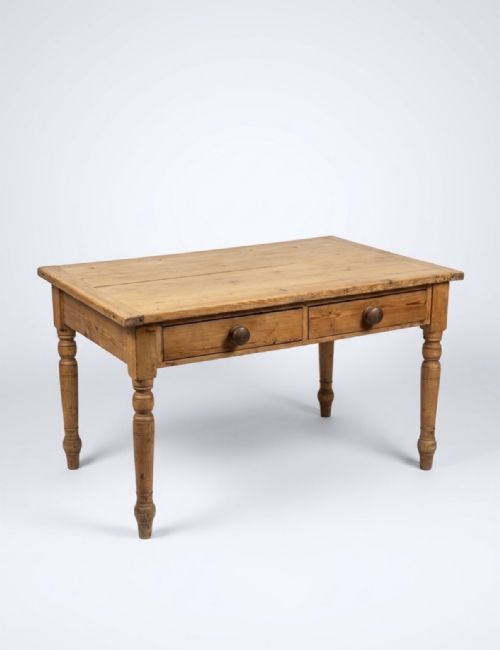
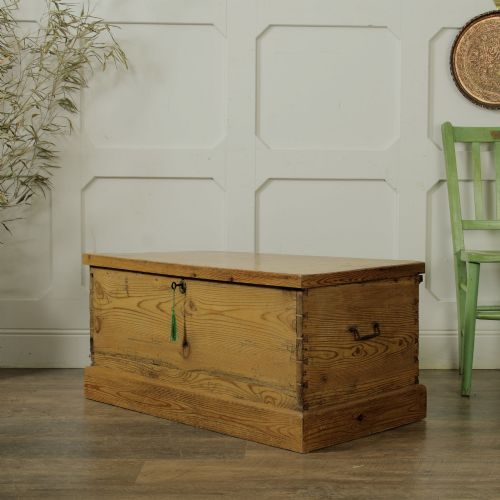
When searching for victorian pitch pine, buyers encounter substantial functional furniture designed for demanding domestic and ecclesiastical use. The selection spans robust farmhouse tables, chests of drawers, wardrobes, and architectural storage pieces produced during the nineteenth century.
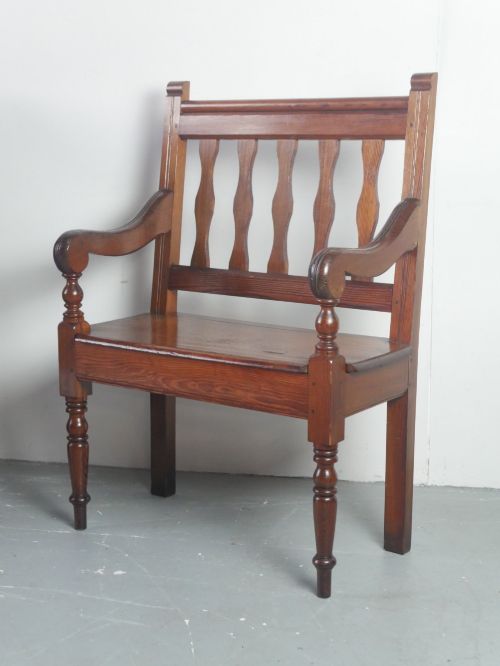
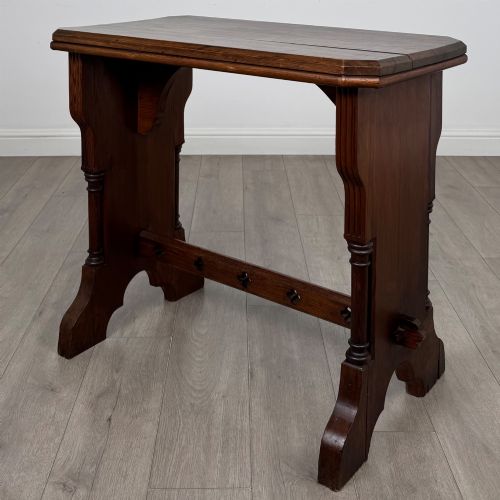
Most pieces date from the Victorian period through to around nineteen hundred, encompassing regional variations and stylistic influences such as Gothic Revival, Arts and Crafts, and the Aesthetic Movement. Common forms include side tables, washstands, hall benches, and church pews.
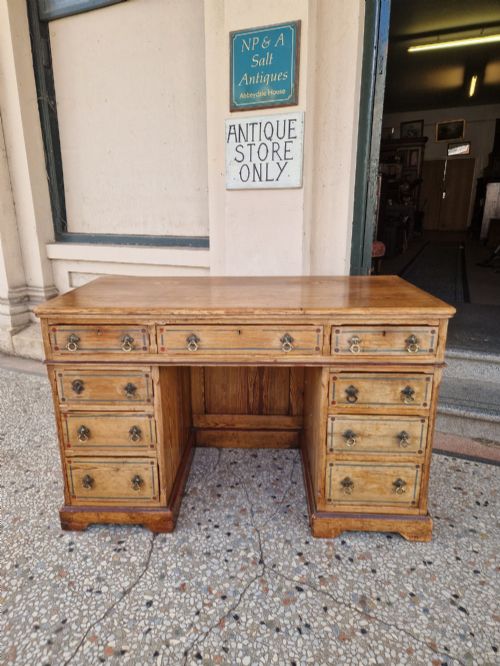
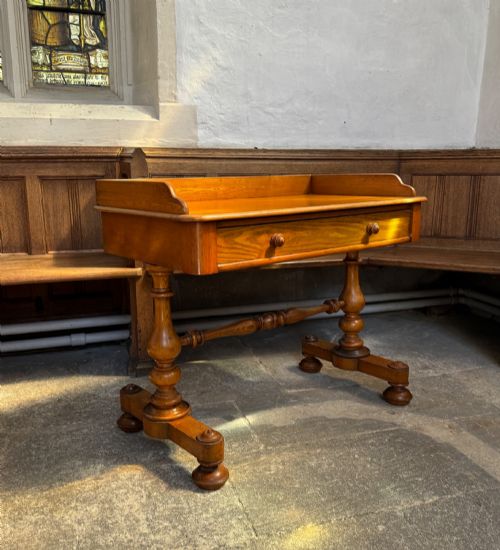
Makers utilised the dense resinous timber for utilitarian pieces that required structural strength, resulting in heavy dressers, cupboards, and writing desks. These items range from vernacular country furniture to finer cabinet-work fitted with brass and ceramic hardware.
Materials and construction
Construction techniques relied on sturdy joinery to manage the heavy, resinous material, often augmented by brass handles, locks, and hinges. Surface treatments varied from stripped natural wood finishes to glazed display sections and occasional inlaid details.
Several items retain their original tram and trolley bus seating configurations, bringing unexpected public transport history directly into domestic hallways.
Evaluating quality
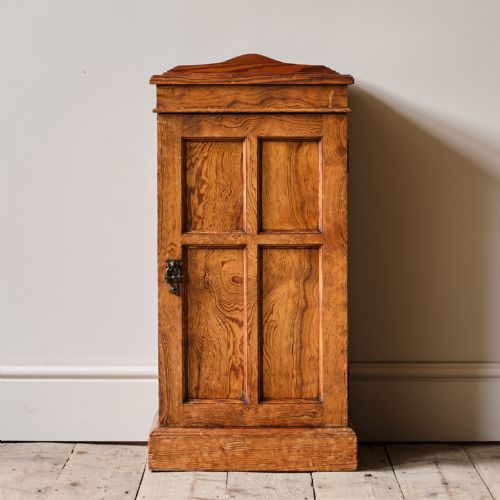
Quality in these pieces rests on the tightness of the timber grain and the integrity of the original construction. Superior examples display careful timber selection, where straight, resin-rich growth lines run evenly across large surfaces like table tops and cabinet doors.
Refinement of form also separates standard utility items from better workshops, visible in well-proportioned mouldings, original brass hardware, and integrated internal drawers. Pieces retaining their untreated or properly stripped surfaces show the distinct reddish hue of the wood more clearly.
Maple and Co·Howard and Sons
The Victorian Pitch Pine Glossary
- Pitch pine
- A durable North American and imported timber known for high resin content and prominent growth rings. It produces a hard, reddish-brown surface that resists wear.
- Gothic Revival
- An architectural and decorative style drawing on medieval forms, featuring pointed arches and heavy framing. It appears frequently on cupboards, bookcases, and tables.
- Aesthetic Movement
- A late nineteenth-century design approach emphasising visual beauty over narrative meaning. Pieces in this style often incorporate simplified forms and contrasting mounts.
- Wellington chest
- A tall, narrow set of drawers secured by a vertical locking sidebar hinged on one side. This form maximises vertical storage space in bedrooms.
- Refectory table
- A long dining table traditionally used in communal halls. Nineteenth-century interpretations utilise thick timber tops supported by sturdy trestles or legs.
Victorian Pitch Pine: Frequently Asked Questions
What is pitch pine?
Pitch pine is a heavy, resinous softwood derived from specific pine species with dense growth rings. It was widely imported during the nineteenth century for furniture requiring exceptional structural strength.
The high resin content gives the timber a distinct reddish-brown tone and remarkable durability, making it suitable for both farmhouse tables and heavy architectural cupboards.
How do I clean pitch pine furniture?
Maintenance involves dusting with a soft cloth and occasionally feeding bare wood with appropriate natural waxes. Avoid excessive moisture, which can penetrate unsealed grain.
Keeping the timber away from direct heat sources prevents the natural resins from shifting and protects the structural joints from drying out.
Are these pieces waterproof?
While the high resin content offers natural resistance to moisture, these items are constructed from wood and are not entirely waterproof. Spills should be wiped away promptly to prevent staining.
Tables and washstands benefit from coasters and protective mats to preserve the finish against daily wear and liquid damage.
How do I date a piece?
Dating relies on construction methods, hardware types, and stylistic cues such as Gothic Revival or Aesthetic Movement details. Secondary woods and fastener types also provide clues.
Cabinet backs, drawer linings, and the presence of original brass or ceramic handles help narrow down the decade of manufacture within the broader Victorian era.