






Panelled Pine Doors
Panelled pine doors bring architectural integrity and rustic utility to interiors, offering enduring timber construction suited to period restoration and country schemes.
Panelled Pine Doors
When you search for panelled pine doors, you encounter architectural salvage and fitted elements originating from domestic and institutional settings. These architectural pieces serve as functional room dividers, cupboard closures, and entrance screens within domestic spaces.
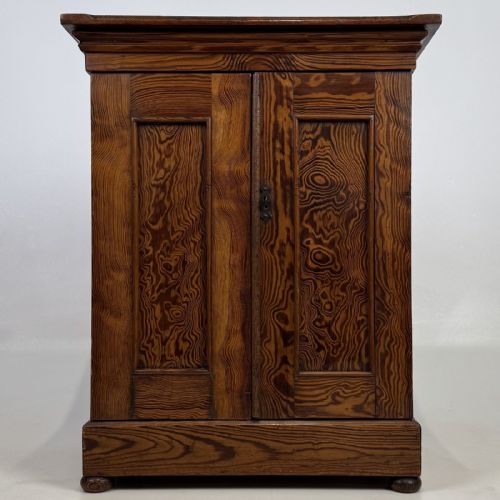
The material inventory spans standard pine alongside pitch pine, often enhanced by historic layers of paint, scumble finishes, or waxed surfaces. Examples range from Victorian utility doors with etched glass panels to nineteenth-century railway carriage doors featuring Art Nouveau glass.
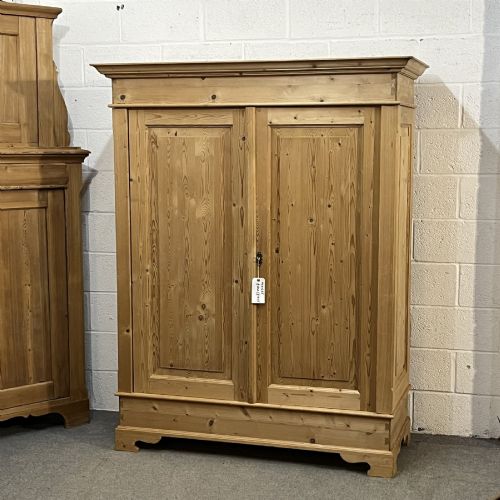
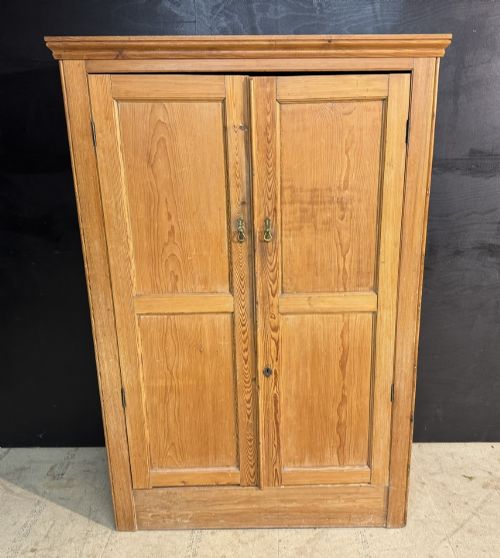
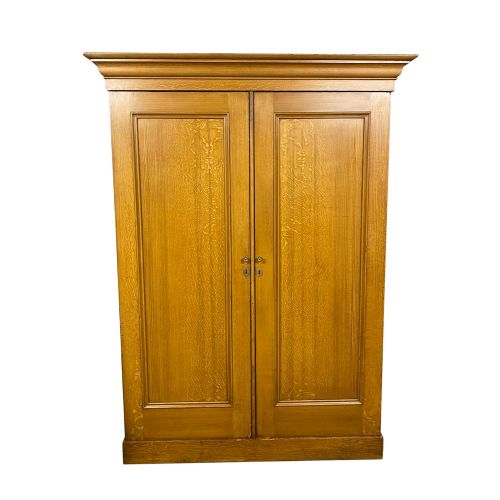
Pieces frequently connect to broader architectural forms such as cupboards, wardrobes, and entrance vestibules that utilise panelled timber construction. Surviving items reflect regional British and European country traditions, including Scandinavian and French provincial aesthetics.
Construction and Materials
Joinery relies on solid pine timbers assembled to create stable frames fitted with recessed or fielded panels. Pitch pine also appears, offering a denser grain and deeper natural resin content for demanding architectural applications.
Surface treatments include original scumble paint applied to simulate finer hardwoods like oak, alongside plain waxed finishes and utilitarian painted coats. Glazed sections incorporate etched glass or decorative leaded designs, particularly in Victorian and early twentieth-century examples.
Panelled Pine Doors Retail Price Guide 2026
Typical asking prices for panelled pine doors among the pieces listed under this phrase on Sellingantiques today, from the lower quarter to the upper quarter. They describe what is for sale here now, not the wider market.
The inventory bridges multiple eras, containing Georgian, Victorian, and 1930s architectural elements and storage forms.
Assessing Quality and Character
The caliber of a piece rests upon the weight and seasoning of the pine timber, alongside the integrity of the original joinery. Heavier framing timbers and traditional pegged joints distinguish better examples from lighter utility construction.
Surface preservation dictates visual appeal, with untouched scumble paintwork or original historic finishes commanding higher regard than stripped timber. The clarity and preservation of integrated etched or decorative glass panes further elevate the status of architectural elements.
The Panelled Pine Doors Glossary
- Fielded panel
- A central wooden insert with bevelled or thinned edges designed to fit securely into a grooved frame. This technique allows the timber to expand and contract safely with atmospheric changes.
- Scumble paint
- A translucent decorative glaze manipulated with brushes or combs to imitate the grain of more expensive hardwoods such as oak. It was widely used on nineteenth-century pine furniture and architectural joinery.
- Pitch pine
- A durable softwood timber derived from specific pine species, noted for its high resin content and pronounced growth rings. It provides exceptional strength for heavy-use architectural components.
- Architectural salvage
- Building elements and fixtures rescued from structures destined for demolition or alteration. These components retain historical craftsmanship for reuse in new settings.
- Vestibule screen
- An internal partition incorporating doors that creates an entrance lobby to shield rooms from drafts. They frequently feature glazed upper sections and sturdy panelled bases.
Panelled Pine Doors: Frequently Asked Questions
How do I integrate old pine doors into modern interiors?
These doors suit internal room dividers, wardrobe fronts, or pantry entrances, adding texture and historical depth to contemporary spaces. Their timber surfaces can be left in original painted finishes or waxed to match existing woodwork.
Ensure openings match the dimensions of salvaged pieces before fitting. Professional installation often requires custom framing to accommodate historical irregularities in timber sizing.
What periods do these architectural pine items represent?
The available selection spans Georgian, Victorian, and early twentieth-century eras, reflecting shifts in domestic architecture and utility joinery. Pieces range from eighteenth-century farmhouse fixtures to 1930s traditional applications.
Earlier examples tend to display hand-planed surfaces and pegged joinery, while later items incorporate machine-cut elements and varied glass inserts.
How should I maintain scumbled or painted pine surfaces?
Preserve original painted or scumbled finishes by dusting gently with a dry microfiber cloth and avoiding harsh chemical cleaners. Waxed pine benefits from occasional applications of natural beeswax to nourish the timber.
Protect historic paint layers from excessive moisture and direct sunlight to prevent flaking or fading over time.
Can these doors be resized for standard door frames?
Resizing solid pine architectural pieces requires caution, particularly when altering historic framing or integrated panels. Modifying original joinery may compromise structural stability and remove traces of historical craftsmanship.
It is generally preferable to adjust the architectural opening to fit the door rather than cutting down antique timber.