


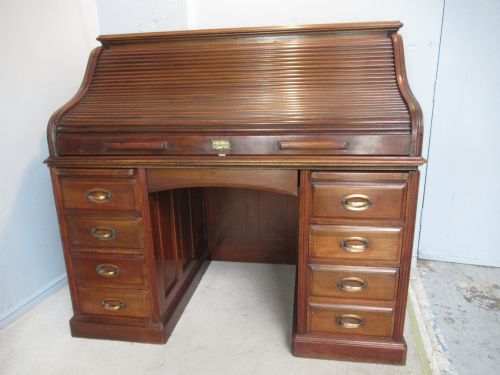
Victorian Pedestal Writing Desk
When you search for a victorian pedestal writing desk, you seek a substantial piece of nineteenth-century office furniture designed for serious correspondence.
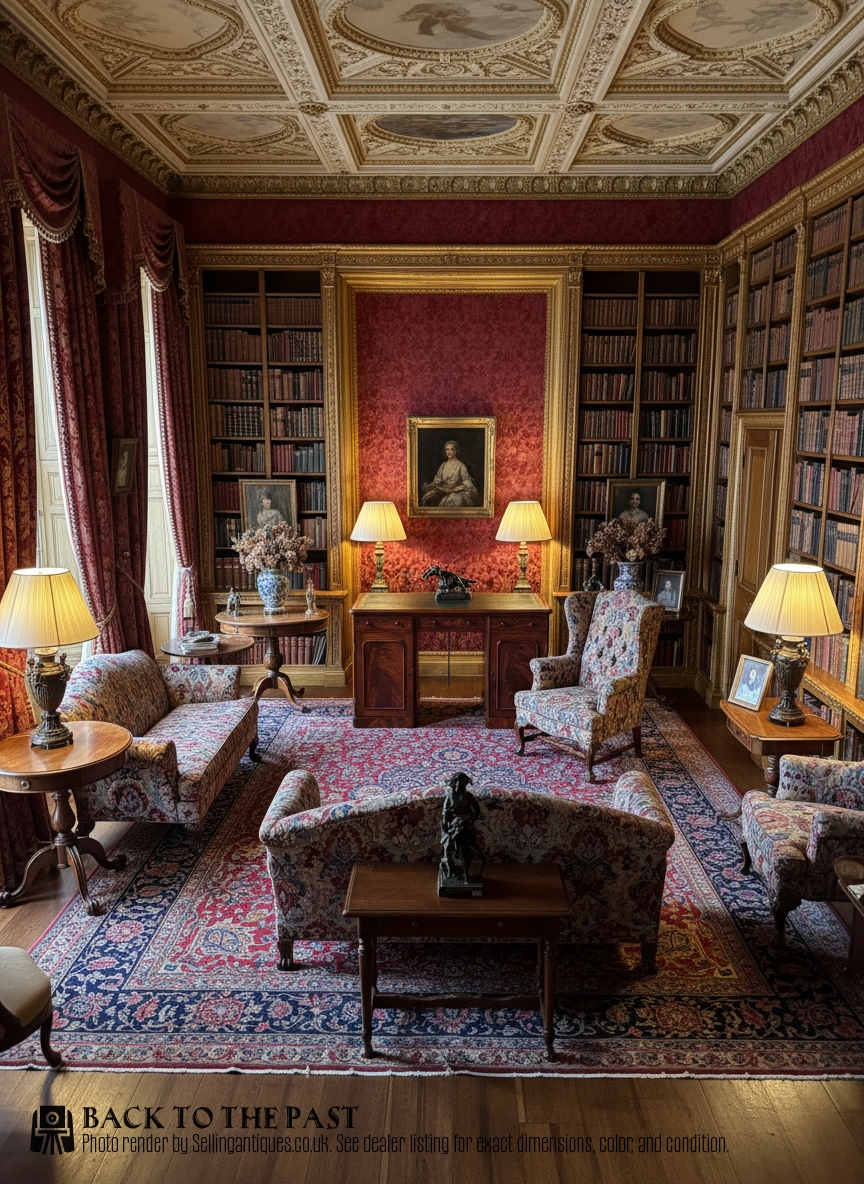
Victorian Pedestal Writing Desk
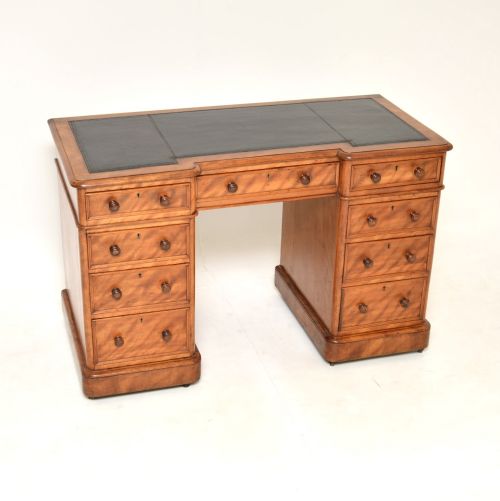
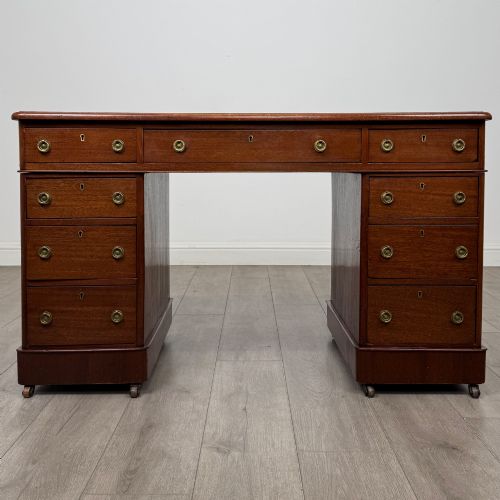
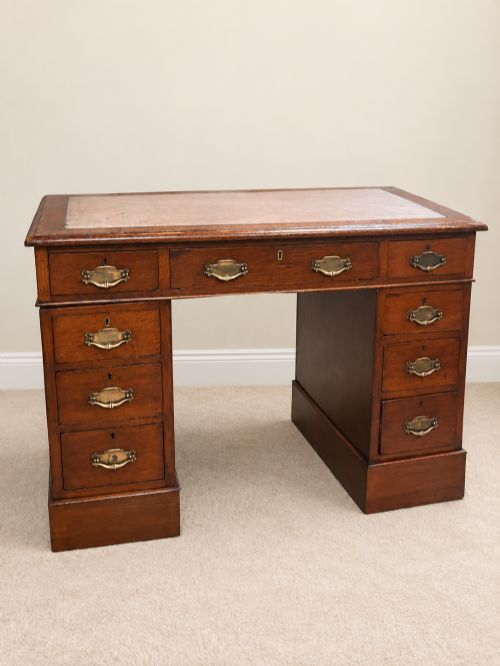
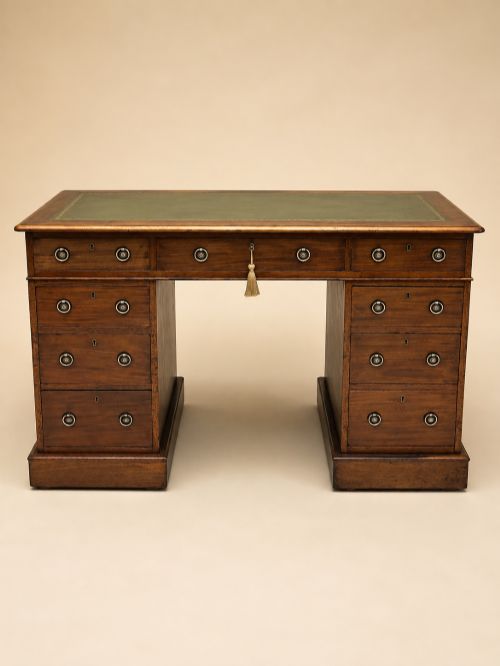
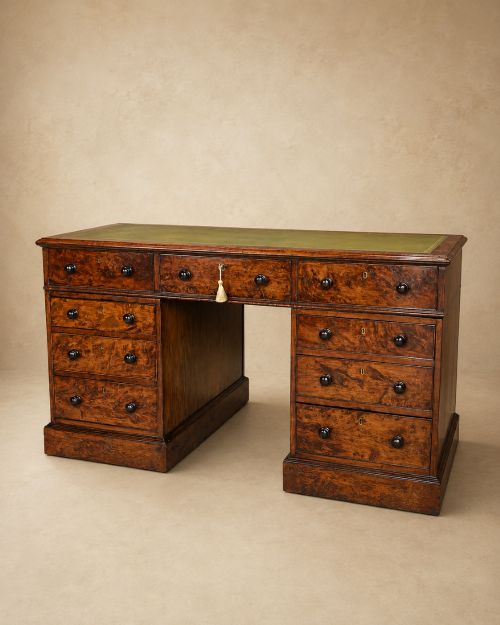
A victorian pedestal writing desk comprises a flat top supported by two banks of small drawers, joined together to create a central kneehole space. These practical workspace items were built extensively across the nineteenth century for studies, libraries, and estate offices.
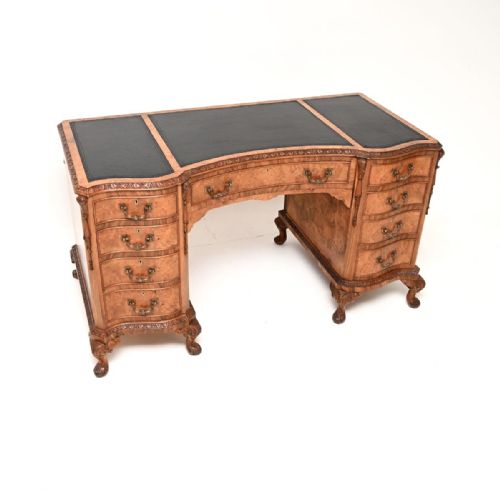
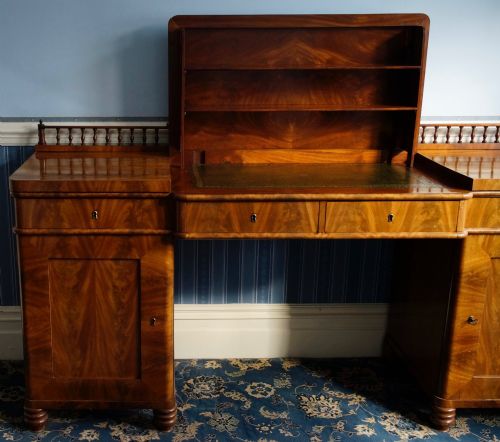
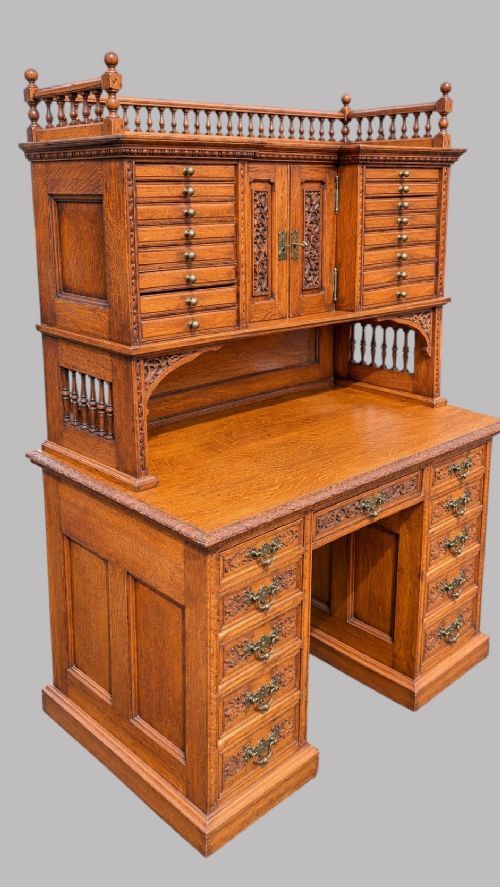
Mahogany remains the most common timber encountered in this inventory, frequently paired with inset tooled leather writing surfaces. Oak, burr walnut, and rosewood examples also appear regularly, offering alternative grain patterns and darker or lighter tones to suit a room.
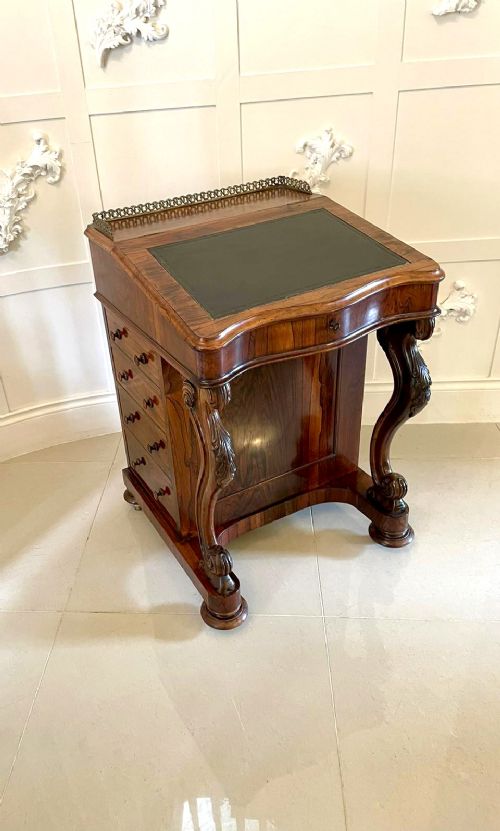
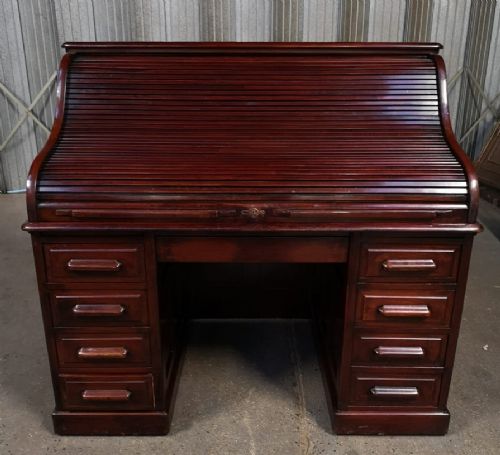
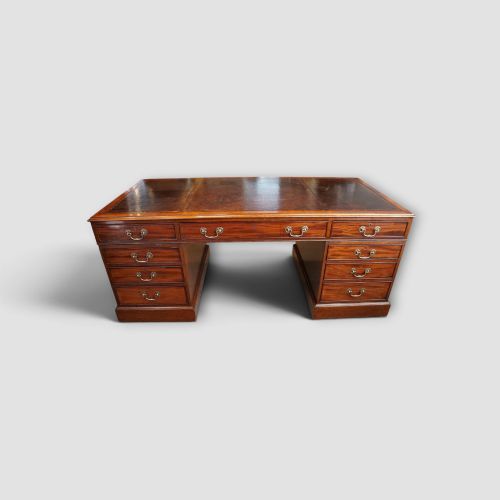
Buyers will encounter twin pedestal formats alongside partners desks designed for two users sitting opposite one another. Variations include kneehole desks, roll top variants, and specialised pieces featuring fitted stationery drawers and writing slides.
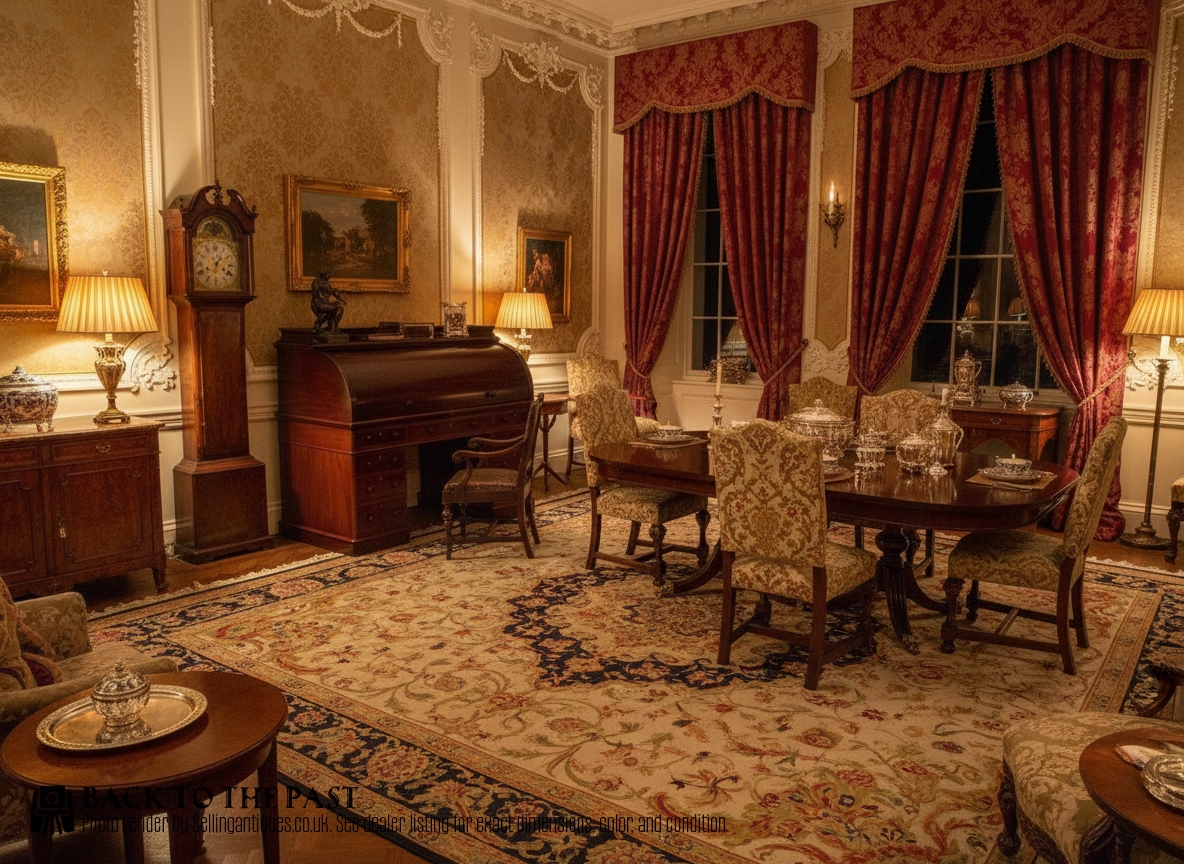
How They Were Made
Cabinet makers constructed these pieces using solid hardwoods like mahogany and oak, often applying figured veneers such as burr walnut or satinbirch to the primary surfaces for visual depth. Drawer linings typically utilise secondary timbers like pine or oak, joined with hand-cut dovetails.
Writing surfaces were traditionally inset with panels of gold-tooled leather, secured directly into the timber framework of the top. Brass hardware, including drop handles, ring pulls, and functional locks, completed the construction alongside ceramic or brass castors beneath the pedestals.
Victorian Pedestal Writing Desk Retail Price Guide 2026
Typical asking prices for victorian pedestal writing desk among the pieces listed under this phrase on Sellingantiques today, from the lower quarter to the upper quarter. They describe what is for sale here now, not the wider market.
Design styles recorded across these desks range from William IV and Sheraton Revival to Aesthetic Movement and Arts and Crafts.
What Varies in Quality
The degree of refinement in timber selection and secondary details separates everyday office furniture from exceptional workshop output. Richly figured veneers, intricate brass inlays, and secondary decorative elements like carved mouldings or Wedgwood plaques elevate certain pieces significantly.
Structural integrity depends upon the original construction of the drawer frames and the stability of the central plinths. Desks finished on all sides to allow freestanding placement demonstrate a higher level of intended utility and craftsmanship than those meant to face a wall.
Trollope and Sons·Edwards and Roberts·Maple and Co·Jackson and Graham·Hobbs and Co·Charles Andrea Nosotti
The Victorian Pedestal Writing Desk Glossary
- Partners desk
- A large pedestal desk designed with drawers and cupboards accessible from both long sides, allowing two people to work opposite one another.
- Kneehole desk
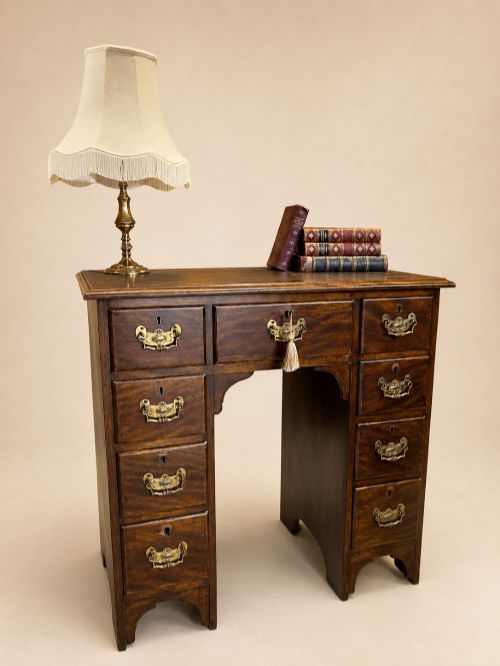
- A compact pedestal desk featuring a central recess for the user's legs, flanked by two vertical stacks of drawers.
- Roll top desk
- A writing desk featuring a flexible tambour shutter made of narrow slats that slides down over the writing surface to secure the contents.
- Davenport
- A small, compact Victorian writing desk featuring a sloping top above a pedestal of drawers accessed from the side.
- Writing slide
- A pull-out wooden shelf positioned above the drawers, providing extra surface area for writing or resting papers without cluttering the main top.
Victorian Pedestal Writing Desk: Frequently Asked Questions
What is a partners desk?
A partners desk is a double-sided variation built with drawer and cupboard banks on both faces. This configuration allowed two individuals to sit opposite each other in a shared office or library.
These large pieces usually required freestanding placement in the centre of a room rather than against a wall. Their dual access makes them prominent decorative and practical fixtures in spacious interiors.
How do I care for the leather top?
The leather writing surface benefits from gentle dusting and occasional conditioning with specialised leather balms to prevent drying and cracking. Avoid using harsh chemical cleaners or excess moisture near the gold toolwork.
Protecting the hide from direct sunlight preserves the original colour and prevents fading of the tooled borders. A well-maintained leather insert retains a smooth texture suitable for daily writing.
Were these desks used in homes?
While originally designed for professional offices, libraries, and estate management rooms, many examples found their way into domestic studies during the nineteenth century. Wealthy households utilised them for managing correspondence and household accounts.
Smaller formats and Davenport styles were frequently placed in private parlours or bedrooms for personal letter writing. Their solid construction ensured they could handle heavy daily administration.
How are different periods identified?
Early nineteenth-century examples often display simpler mahogany construction with classical proportions, while mid-Victorian pieces introduce richer burr walnut veneers and varied revival styles. Late Victorian desks frequently incorporate eclectic influences such as the Aesthetic Movement or Arts and Crafts ideals.
Hardware styles, timber choices, and secondary woods inside the drawers offer further clues for dating. Cabinetmaker stamps and lock signatures can also help anchor a piece to a specific decade.