


Victorian Oriental Plant Stand
A victorian oriental plant stand brings distinct global craftsmanship and rich timber into a room, offering an elevated perch for greenery.
Victorian Oriental Plant Stand
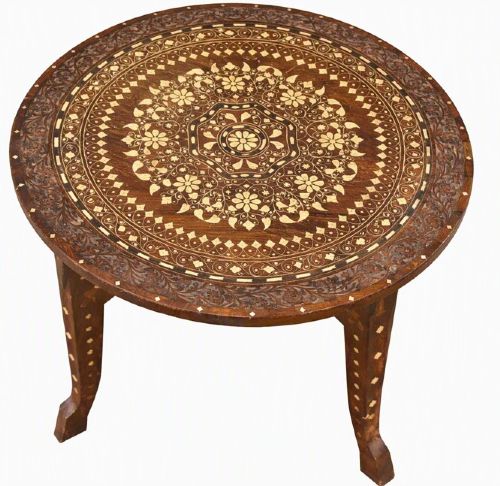
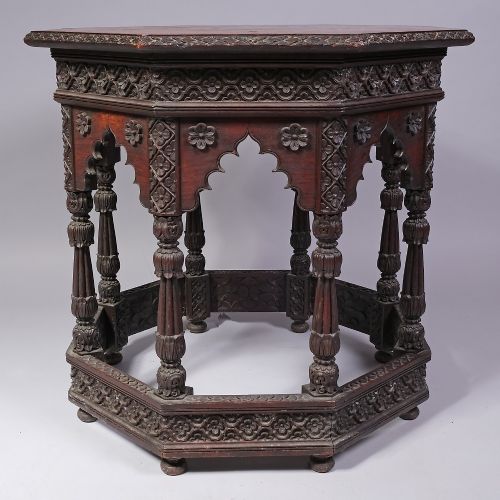
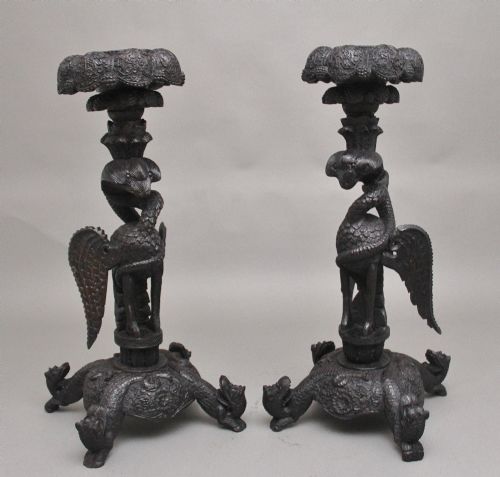
A victorian oriental plant stand encompasses diverse forms such as jardiniere stands, torcheres, pedestals, and occasional tables spanning the nineteenth century into the early twentieth century. These pieces reflect a strong nineteenth-century British fascination with eastern aesthetics, ranging from Chinese export and Qing dynasty works to Japanese Meiji and Anglo-Indian designs.
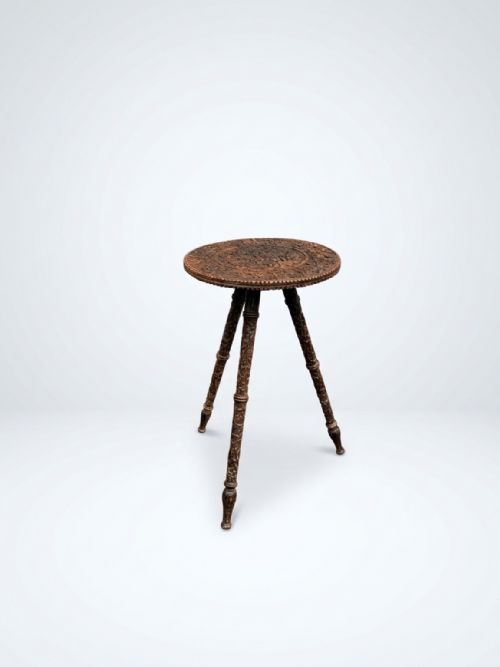
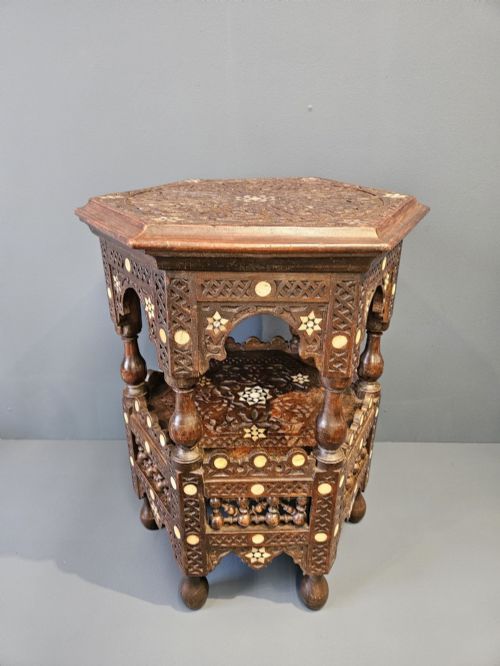
The objects frequently double as lamp tables, wine tables, or display surfaces, uniting utility with ornamental carving and exotic materials. Buyers encounter various shapes including octagonal, hexagonal, and circular tops, often supported by intricate legs or pedestals.
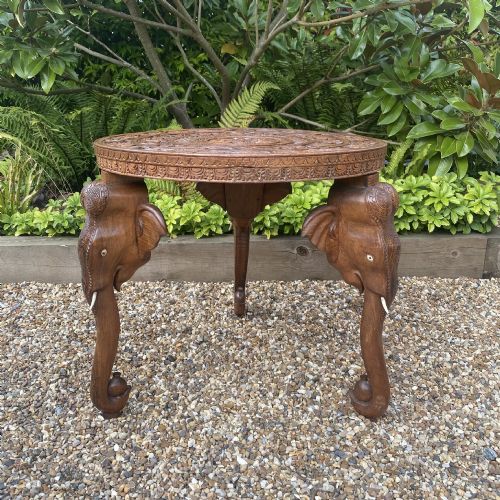
Originating from workshops across India, China, Japan, and Burma, these items showcase regional motifs including dragons, elephants, and elaborate floral carvings. Such variety ensures that each plant stand serves as a focal point with a distinct cultural lineage.
Materials and Construction Techniques
Timbers dominate the construction of these stands, utilising dense woods such as hardwood, rosewood, padouk, teak, sheesham, and elm alongside bamboo. These sturdy materials support heavier decorative elements like inset marble or tile tops designed to withstand moisture from plants.
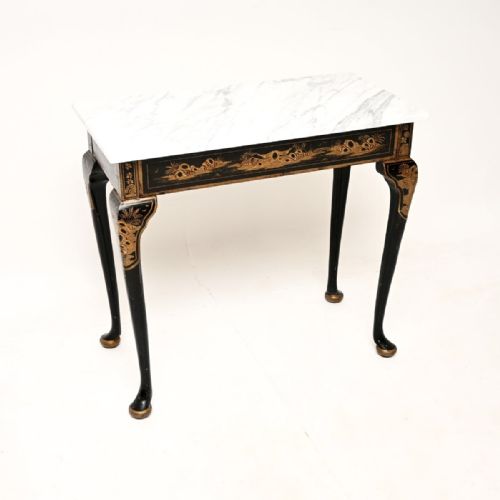
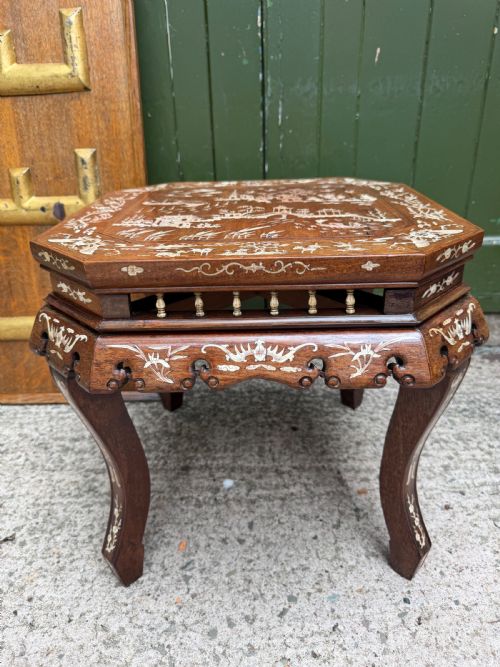
Surface ornamentation relies on traditional techniques including deep relief carving, bone inlay, brass inlay, and lacquering. Ebonised finishes and hand-painted panels further define the aesthetic of Japanese-influenced and Chinoiserie examples from the period.
The inventory spans diverse cultural origins, including Anglo-Indian, Chinese export, Japanese Meiji, and Burmese production.
Distinctions in Quality
Quality rests primarily in the crispness and depth of the hand carving, where superior examples exhibit intricate detailing on figures, foliage, and geometric borders. The selection and density of timber also dictate grade, with heavy solid rosewood or padouk signifying finer production than lighter utility woods.
Integration of secondary materials sets finer pieces apart, such as finely polished inset marble tops, precise bone or metal wire inlay, and stable joint construction. Pieces bearing attribution to recognised workshops or makers demonstrate superior craftsmanship compared to unmarked commercial variants.
Liberty & Co·Gabriel Viardot
The Victorian Oriental Plant Stand Glossary
- Jardiniere
- A large ornamental pot or planter for flowers, which sits atop these dedicated stands.
- Torchere
- A tall ornamental stand originally designed to carry a torch or candle, later adapted for lamps and plants.
- Padouk
- A heavy, durable tropical hardwood prized for its reddish hue and density in Chinese and Indian furniture.
- Meiji
- The period in Japanese history spanning from 1868 to 1912, associated with fine lacquer and carved woodwork.
- Chinoiserie
- European artistic interpretation and imitation of Chinese artistic traditions and motifs.
Victorian Oriental Plant Stand: Frequently Asked Questions
What is a victorian oriental plant stand used for?
These stands serve as elevated platforms for potted plants, ferns, and jardiniere bowls. They protect flooring and display botanical specimens at eye level.
Beyond horticulture, they function as occasional tables for lamps, decorative objects, and tea wares within domestic interiors.
How do I identify a Meiji period piece?
Meiji period stands often feature Japanese aesthetic influences, utilising ebonised elm, lacquer, and refined panel construction. Look for characteristic motifs and precise woodworking techniques from late nineteenth-century Japan.
Signatures or stamps, where present, can further confirm the Japanese origin during this specific imperial era.
Are marble top stands original?
Inset marble tops are entirely authentic to many nineteenth-century Chinese and Victorian stands. They provided a durable, water-resistant surface suitable for damp plant pots.
These stone inserts are fitted directly into the timber frame, often resting on a supportive wooden ledge underneath.
How should I care for bamboo and lacquer?
Keep bamboo and lacquered surfaces away from direct sunlight and excessive moisture to prevent warping or cracking. Dust gently with a dry, soft cloth.
Avoid chemical polishes that can damage delicate lacquered panels or loosen traditional bindings on bamboo joints.