
Victorian Occasional Chair
A victorian occasional chair brings portable nineteenth-century seating into modern rooms, offering compact forms built for side use, bedrooms, and parlours.
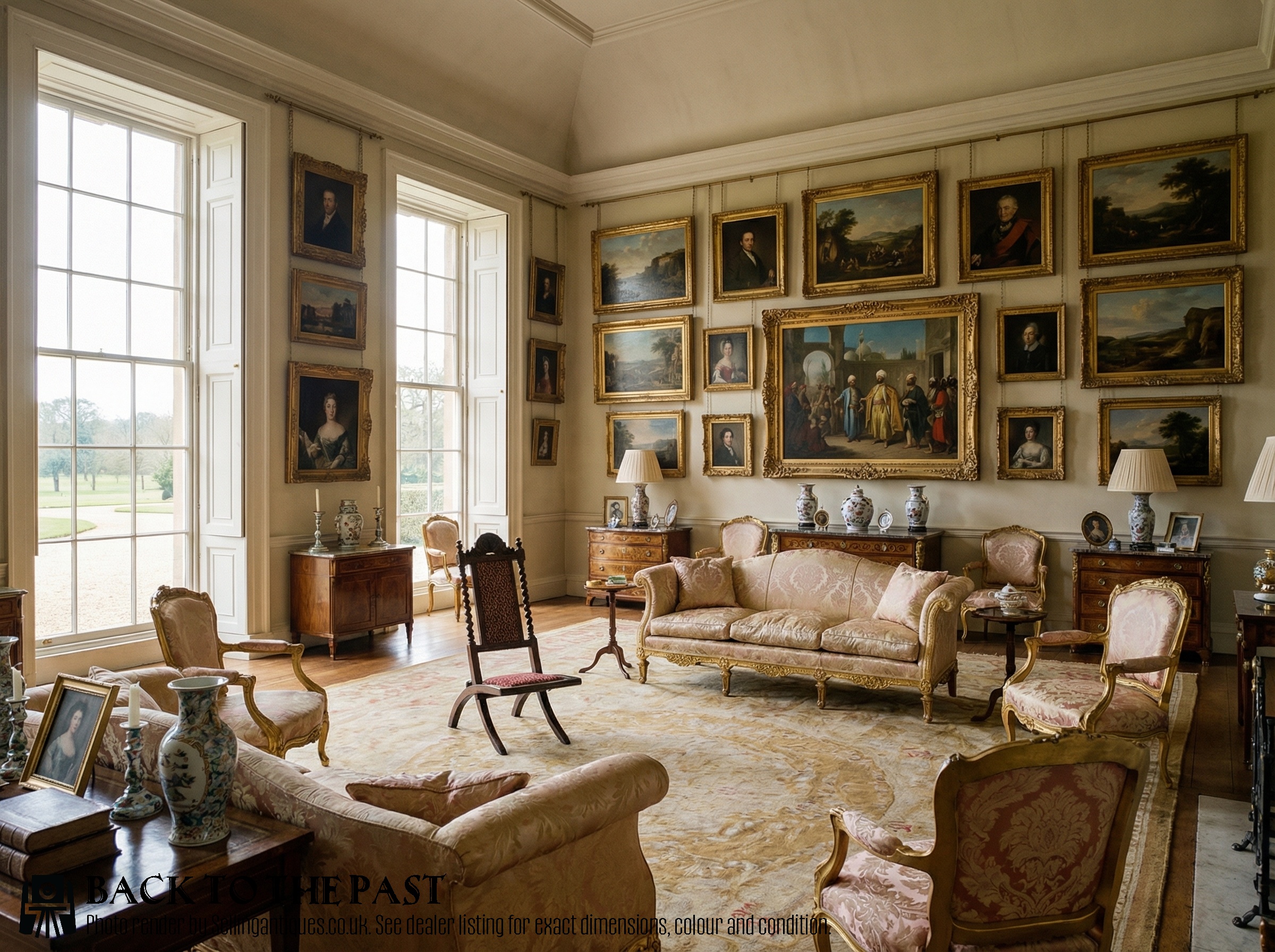
Victorian Occasional Chair
A victorian occasional chair encompasses a diverse range of movable seating designed to be shifted between rooms as the need arose during the nineteenth century.
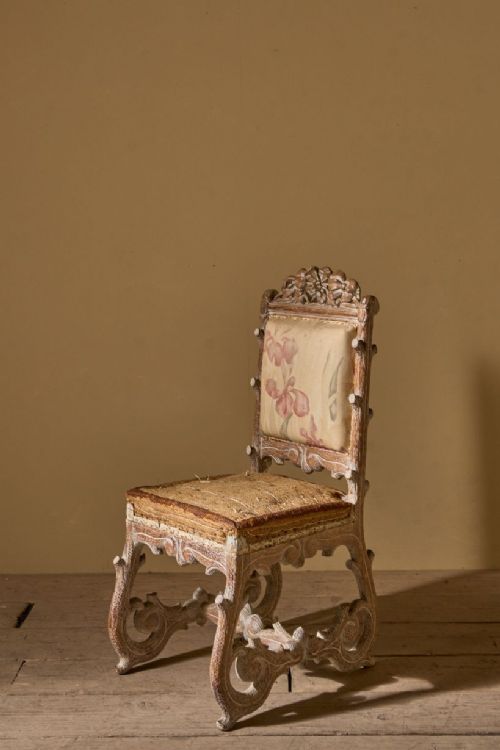
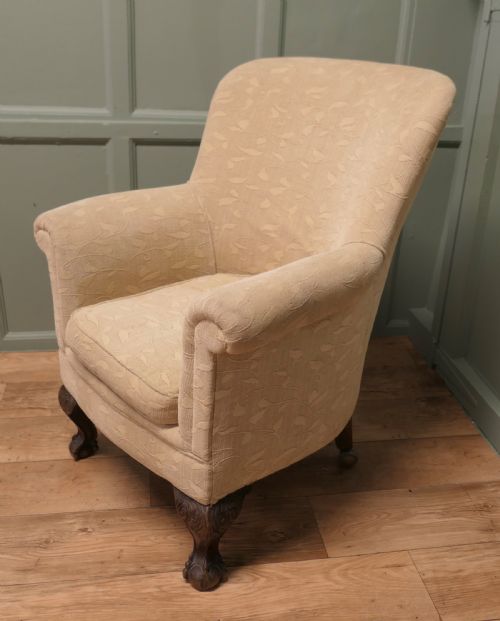
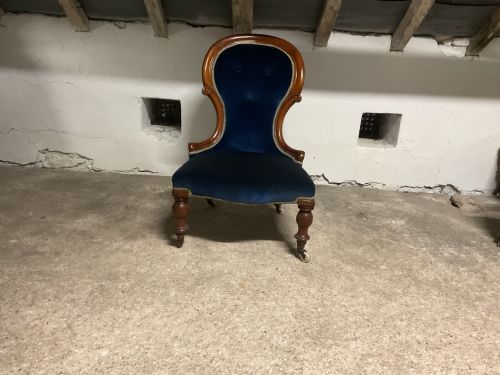
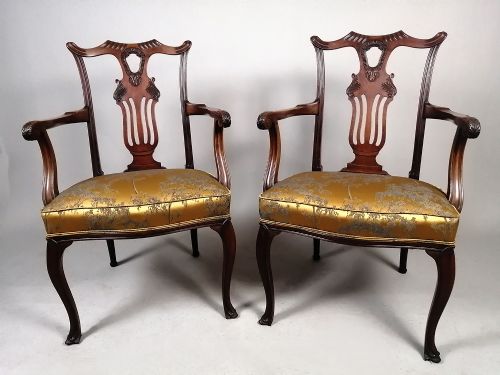
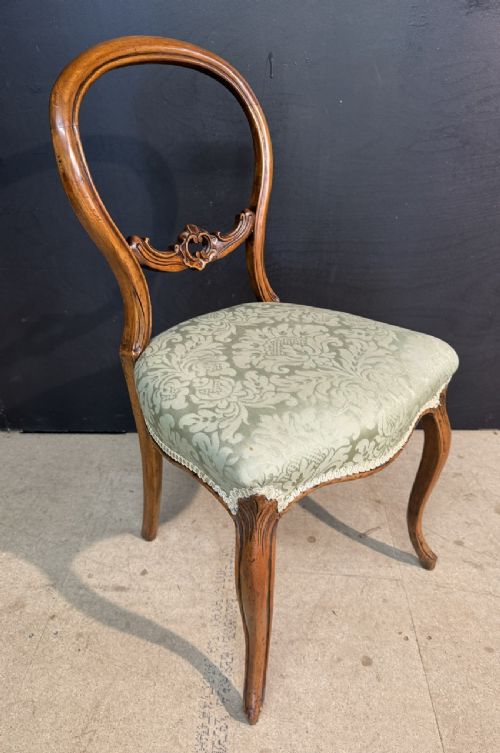
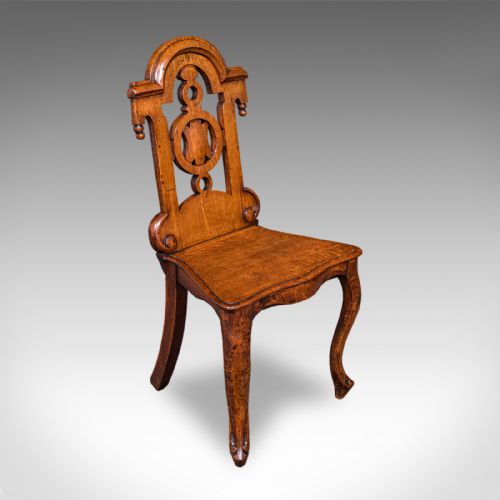
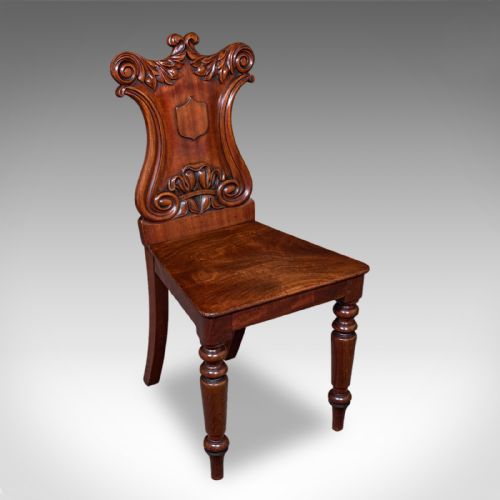
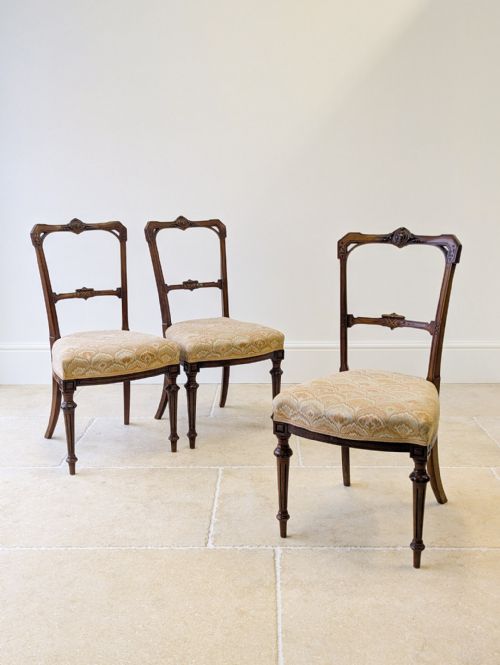
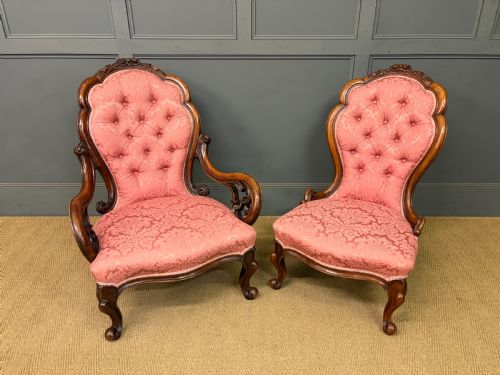
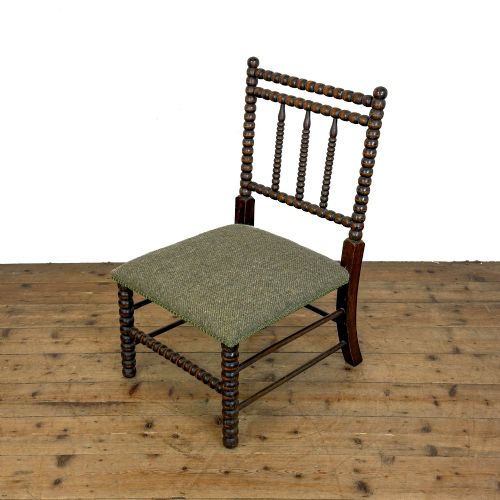
The selections encountered here span from walnut balloon-back and spoon-back models to low-slung nursing chairs, slipper chairs, and compact tub chairs.
Originating across the Victorian era, these pieces often reflect stylistic shifts from mid-century revival forms to late-century aesthetic and arts movements.
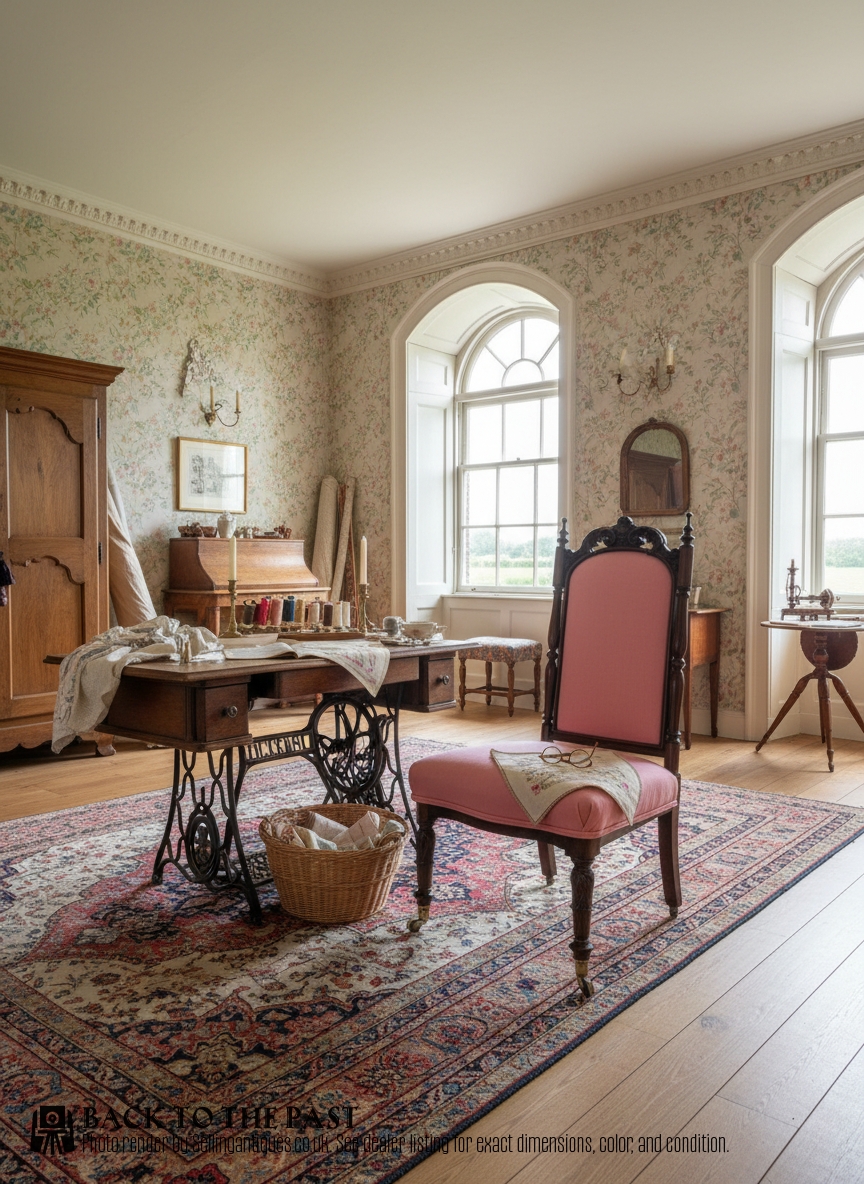
Materials and Construction
Frames rely primarily on timbers such as mahogany, walnut, and oak, occasionally utilising exotic woods like ebony or structural elements in brass and iron.
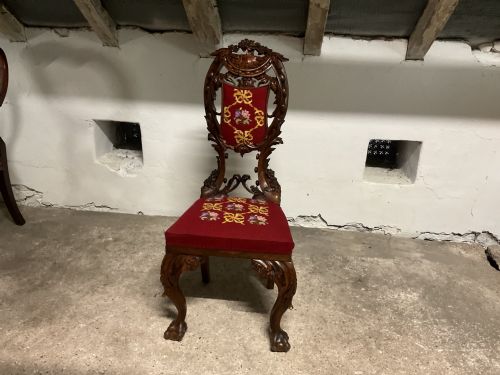
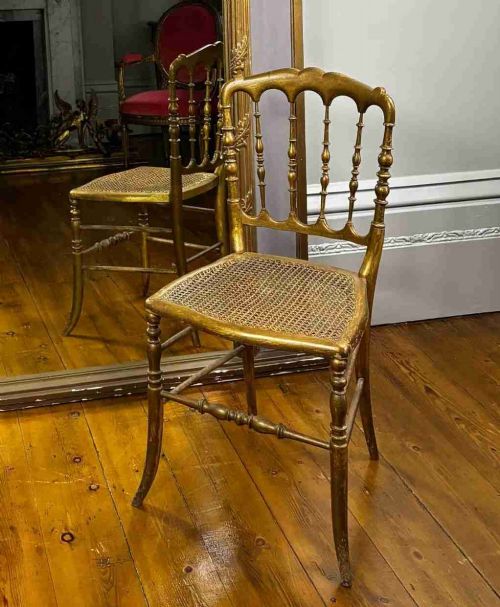
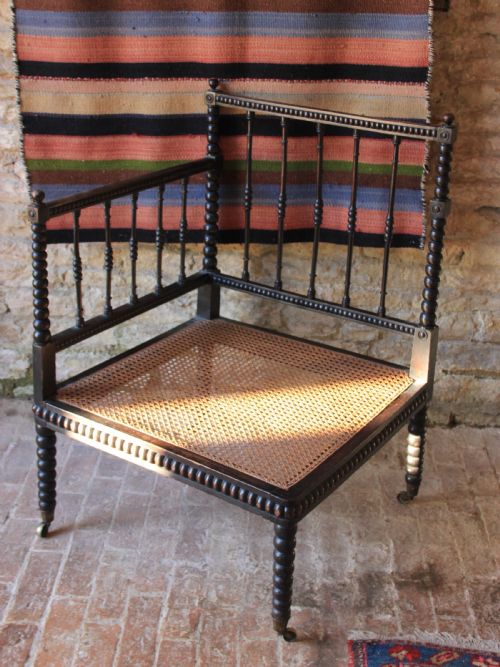
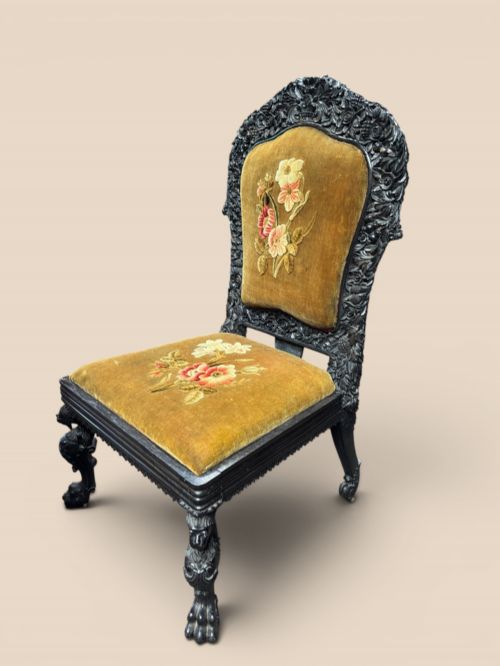
Upholstery techniques involve traditional stuffing secured with fabric, leather, or velvet, alongside framed cane panels and intricate hand-carved wooden details.
Victorian Occasional Chair Retail Price Guide 2026
Typical asking prices for victorian occasional chair among the pieces listed under this phrase on Sellingantiques today, from the lower quarter to the upper quarter. They describe what is for sale here now, not the wider market.
Listings feature woods like mahogany, walnut, and oak, paired with textiles including velvet, leather, and cane across various nineteenth-century styles.
Judging Quality and Craftsmanship
Quality rests in the crispness of the timber carving, the structural integrity of the frame joints, and the retention of original finish elements like ebonising or mother-of-pearl inlay.
Finer examples demonstrate balanced proportions, superior wood selection such as figured mahogany or walnut, and meticulous joinery that withstands centuries of movement.
Morris Co·Collier and Plucknett
The Victorian Occasional Chair Glossary
- Balloon back
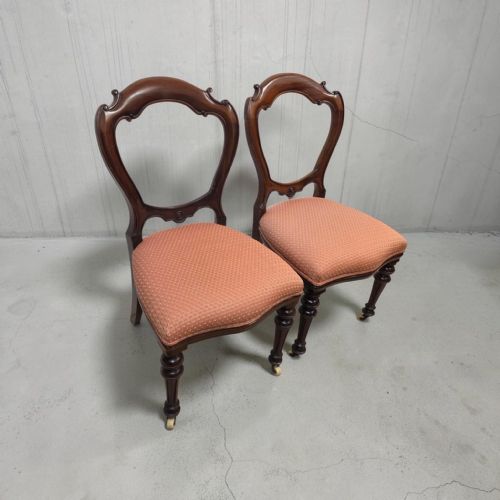
- A chair back shaped in a continuous oval curve resembling a balloon, typical of mid-nineteenth-century seating. This design provides both ergonomic support and distinct aesthetic grace.
- Spoon back
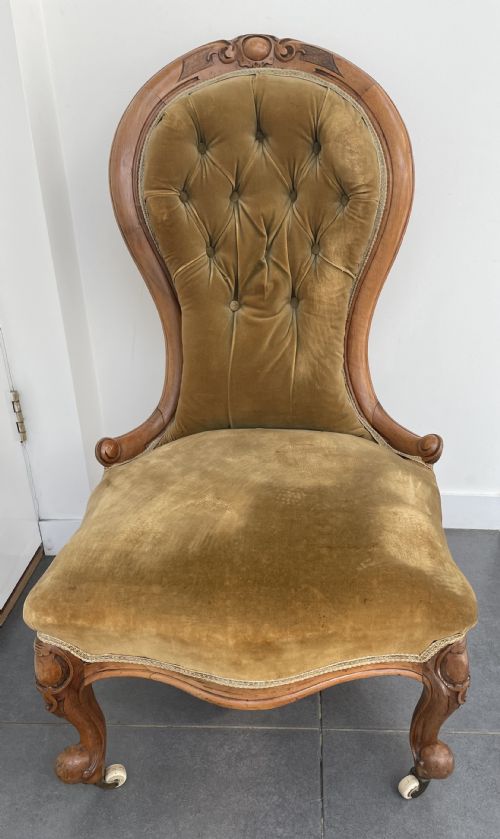
- A padded chair back hollowed out in the centre to resemble the bowl of a spoon, matching the curvature of the human spine. It is frequently found on Victorian walnut salon chairs.
- Button back
- Upholstery secured with deep-set buttons arranged in a geometric diamond pattern, creating padded tufting. This technique adds both structural tension and rich texture to the seat.
- Aesthetic movement
- A late-nineteenth-century design style emphasising visual beauty and artistic craftsmanship over moral or narrative purpose. Pieces often feature ebonised finishes and gilt highlights.
- Cabriole leg
- A furniture leg that curves outward in a convex arc and then bends inward in a concave arc, terminating in a decorative foot. The shape imitates the leaping leg of an animal.
Victorian Occasional Chair: Frequently Asked Questions
Where were occasional chairs placed in a Victorian home?
These movable seats were kept around the perimeter of parlours, drawing rooms, and bedrooms, ready to be brought into conversation circles as guests arrived.
Their lightweight construction allowed domestic staff or residents to shift them effortlessly between floors and rooms for daily use.
How do I distinguish a nursing chair from a standard side chair?
Nursing chairs are built noticeably lower to the ground, designed originally to allow mothers comfortable seating while tending to infants by the nursery hearth.
They frequently feature high upholstered backs and gentle reclining angles suited for relaxed, extended sitting.
What is the difference between walnut and mahogany frames?
Walnut frames tend to appear in lighter, more fluid mid-to-late century forms, often accommodating the intricate curves of cabriole legs and button-backed upholstery.
Mahogany frames generally offer a denser, darker structural presence associated with sturdy balloon backs and traditional dining or library settings.
Are cane-seated chairs sturdy enough for daily seating?
Original woven cane panels provide surprising resilience and flexibility when maintained properly, though they require care to avoid punctures or frame drying.
Many surviving pieces retain their woven surfaces, while others have been reinforced or reupholstered in fabric over time.