



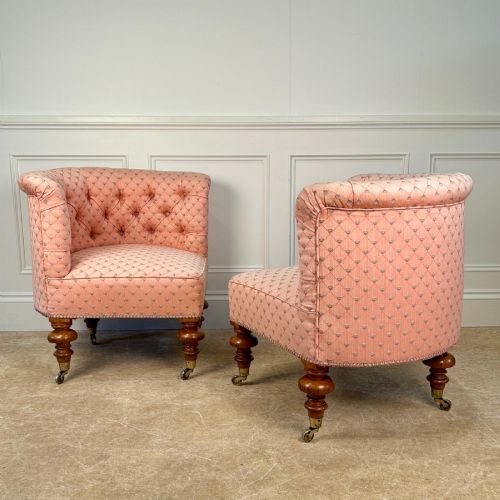
Victorian Oak Turned Chair
A victorian oak turned chair brings solid timber and centuries-old spindle-turning methods straight into a modern room.
Victorian Oak Turned Chair
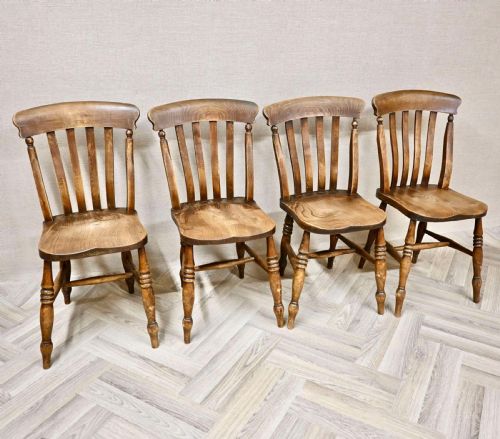
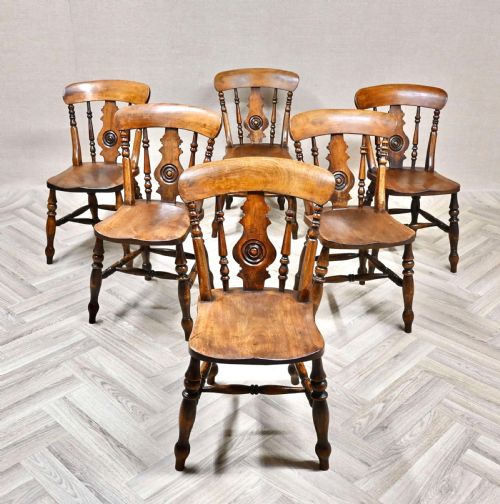
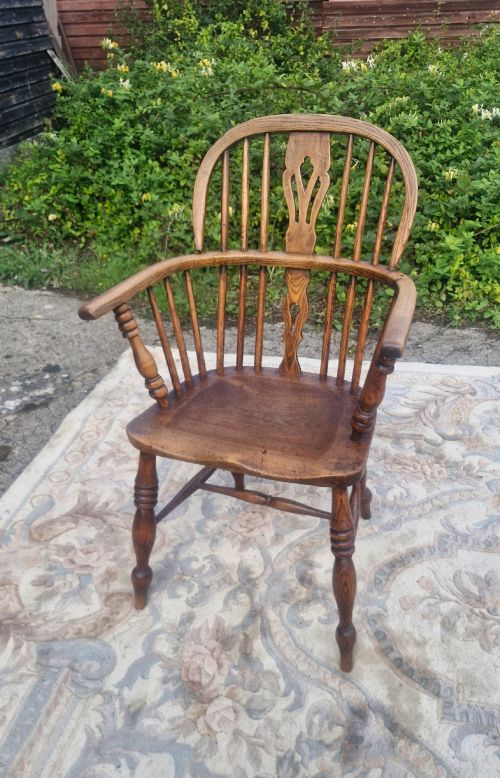
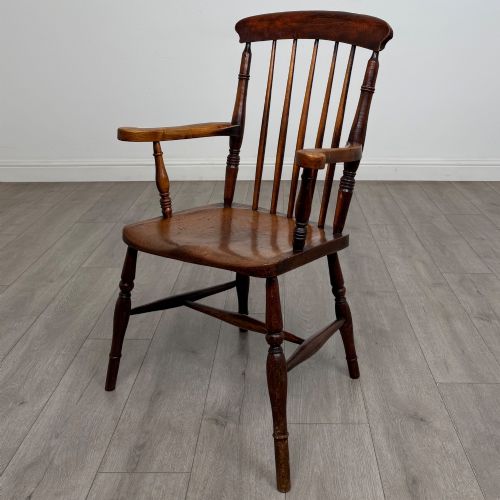
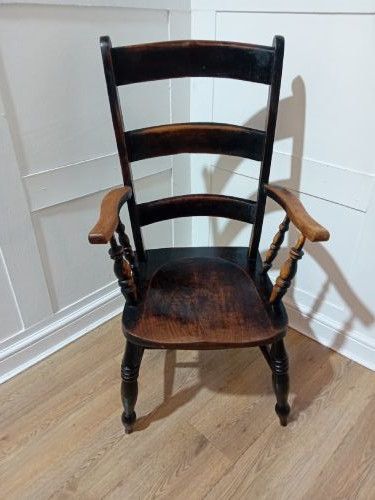
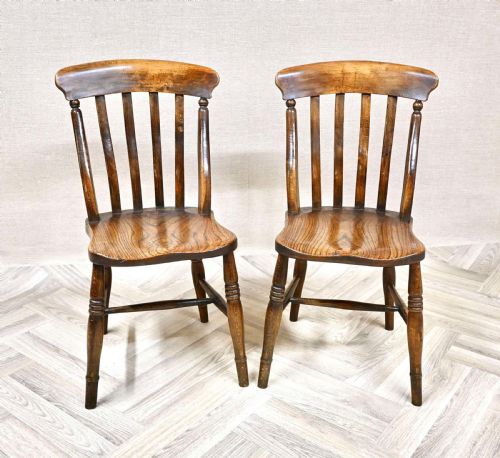
A victorian oak turned chair encompasses various robust seating options produced during the nineteenth century, ranging from country vernacular windsor designs to formal library armchairs. Buyers searching this phrase most frequently encounter sturdy oak frames featuring distinct spindle-turned members, bobbin framing, or heavy corner supports.
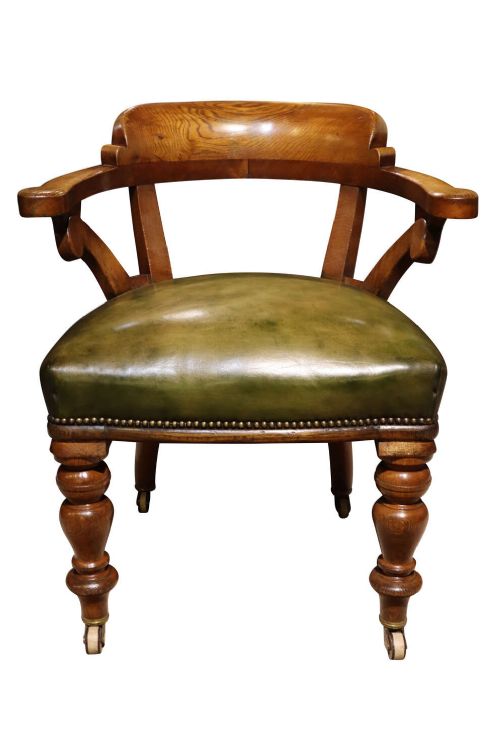
The selection spans numerous practical forms including low seat bedroom chairs, captains chairs, smokers bows, and rocking variants alongside matched dining sets. Originating primarily from English regional workshops, Irish makers, and Thames Valley centres, these pieces reflect both domestic utility and revivalist decorative movements.
Materials and construction
Makers relied heavily on solid oak supplemented by secondary native timbers such as beech, ash, and elm for structural spindles and bentwood elements. Joinery combined traditional pegging, wedged mortise and tenon joints, and precise lathe-turning to shape rhythmic bobbin and ring motifs.
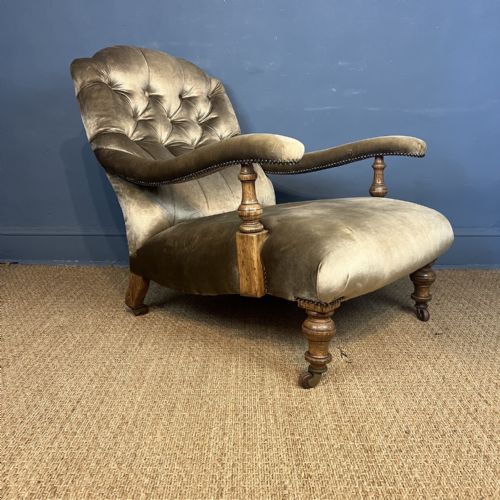
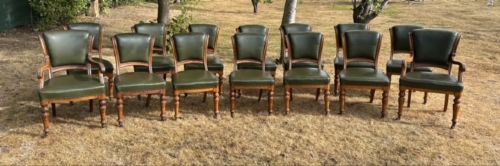
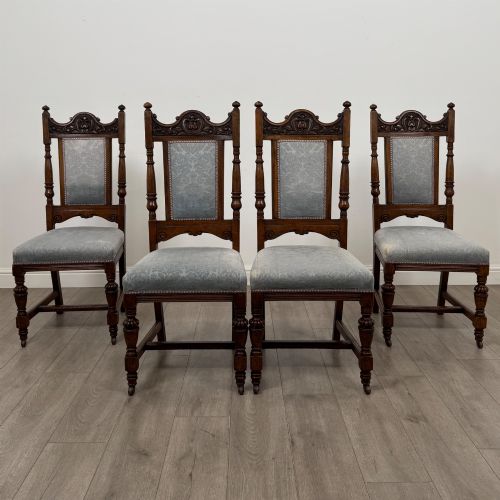
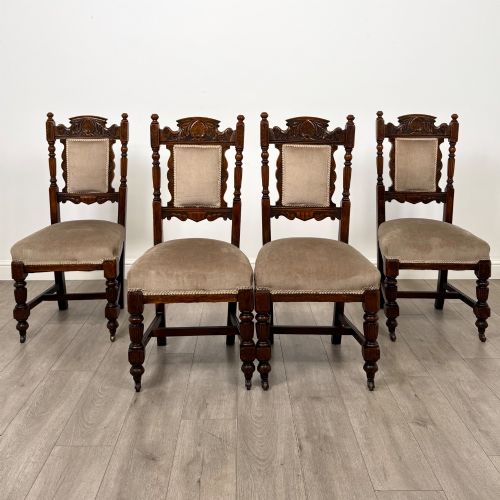
Upholstered variants integrated supportive webbing, horsehair stuffing, and heavy coverings in leather, velvet, or woven fabric, secured with brass tacks. Many surviving examples retain original surface finishes that highlight the natural grain patterns and rich patination developed over generations.
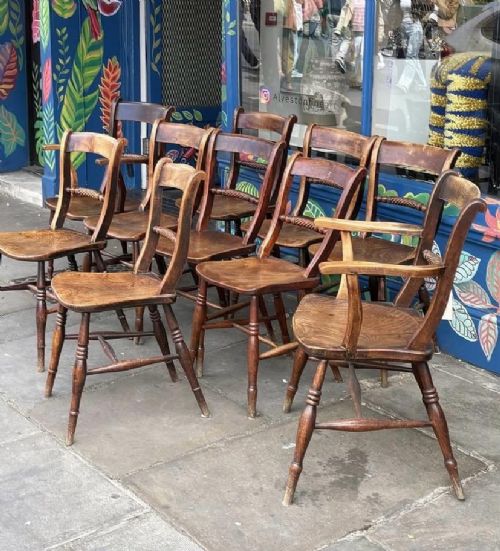
Listings demonstrate a strong presence of nineteenth century oak, beech, and elm timbers shaped into bobbin, spindle, and Windsor configurations.
Factors of distinction
Quality separates standard utilitarian seating from exceptional workshop production through the crispness of the lathe work and the selection of figured timber. The weight and density of the solid oak frame, combined with the integrity of the original turned joints, dictate overall durability and aesthetic presence.
Provenance and maker attribution elevate certain examples, particularly those bearing stamped signatures or documented connections to notable cabinet makers. The survival of an original finish, untouched patination, and matching sets rather than assembled groups further distinguish superior specimens.
Strahan·James Shoolbred·Liberty And Co
The Victorian Oak Turned Chair Glossary
- Bobbin turning
- A form of lathe turning that produces a series of rounded spheres or discs resembling a string of beads. This decorative technique is frequently found on nineteenth century frame supports.
- Windsor chair
- A wooden chair constructed with a thick solid timber seat into which the legs and back spindles are separately bored. These vernacular pieces often feature bow backs and shaped armrests.
- Smokers bow
- A sturdy low backed armchair with a rounded continuous arm rail supported by turned spindles, traditionally used in taverns and smoking rooms.
- Bergere
- An enclosed armchair featuring cane or wicker work panels on the back and sides. Victorian iterations often paired this woven technique with turned oak or beech frames.
- Vernacular
- Objects designed and built by regional craftsmen for practical local use rather than high style metropolitan consumption. These items utilise locally sourced native woods.
Victorian Oak Turned Chair: Frequently Asked Questions
How do I identify a bobbin chair?
Look closely at the vertical supports, armrests, and stretchers for distinct rows of rounded wooden beads shaped on a lathe. This characteristic spool-like turning defines the bobbin style.
Bobbin frames appeared across various nineteenth-century seating types, from low bedroom chairs to heavy library armchairs and rocking chairs.
What is a smokers bow chair?
A smokers bow is a robust wooden armchair featuring a continuous curved arm rail and low spindle back attached to a solid saddle seat. They were built for everyday durability in domestic and commercial settings.
These pieces typically utilise oak or elm and often stand on short turned legs connected by steady stretchers.
Were these chairs used for dining?
Yes, solid oak turned chairs frequently formed part of larger dining sets produced during the nineteenth century. Surviving examples range from individual carvers to matched sets of multiple chairs.
Dining variants often feature plain wooden seats, spindle backs, or upholstered pads covered in leather or velvet.
How should I care for an antique oak chair?
Keep wooden frames away from direct heat sources and sudden temperature shifts to prevent the oak from splitting or joints from drying out. Clean surfaces gently with a dry or barely damp cloth.
Avoid modern chemical polishes and instead apply traditional beeswax periodically to nourish the historic finish and protect the timber grain.