
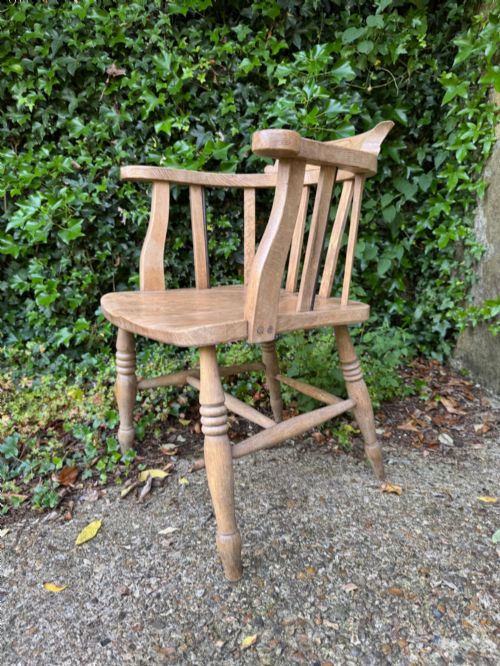
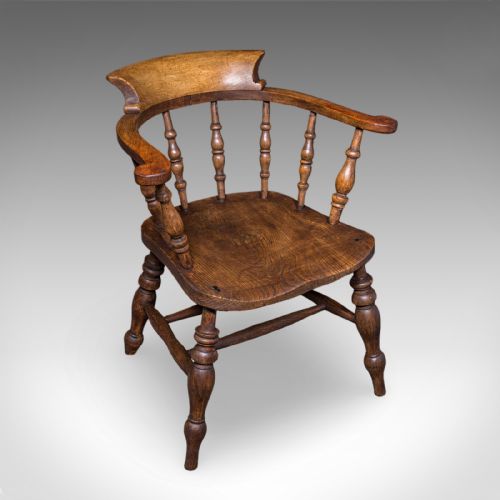
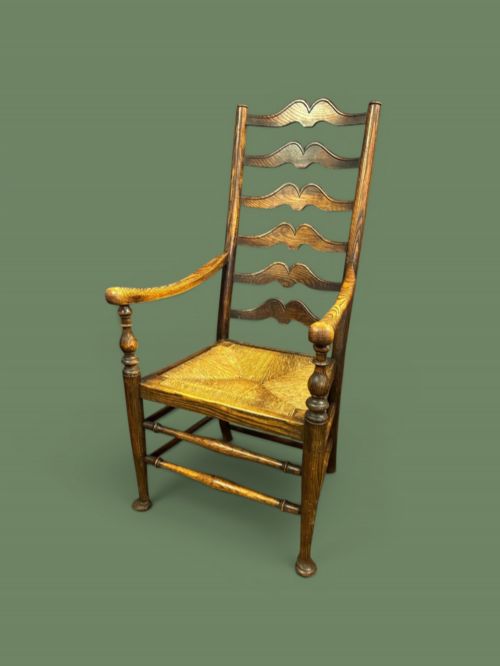


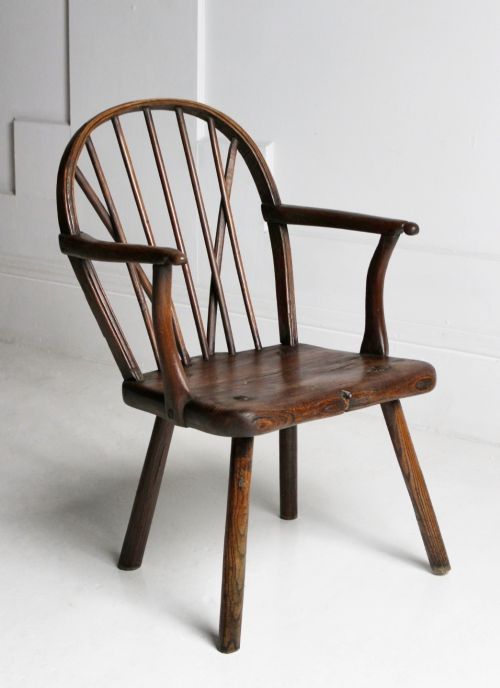


Traditional Oak Elbow Seat
Traditional oak elbow seat designs unite sturdy vernacular joinery with comfortable domestic retirement.
Traditional Oak Elbow Seat
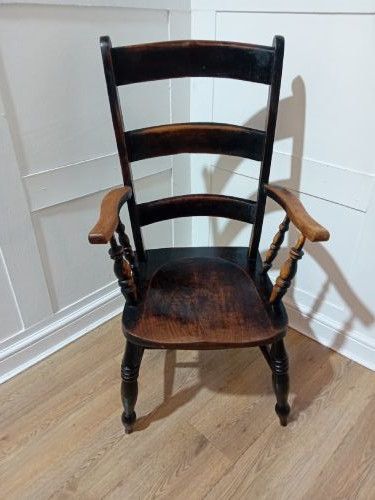
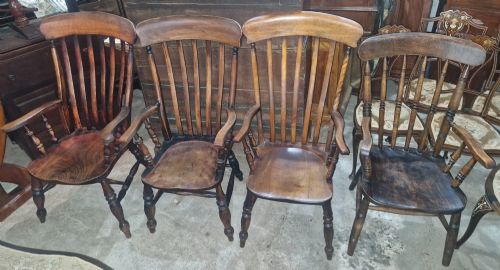
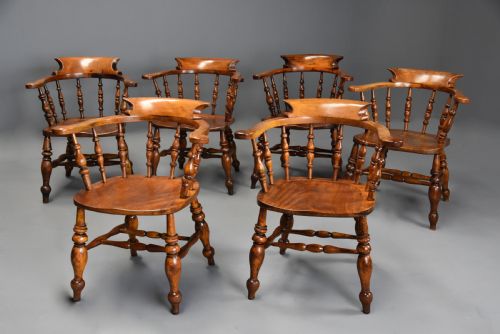
A traditional oak elbow seat satisfies the desire for robust, characterful seating rooted in regional domestic history. Buyers exploring this category encounter sturdy armchairs, carvers, and farmhouse models shaped by generations of local cabinet makers and rural joiners.
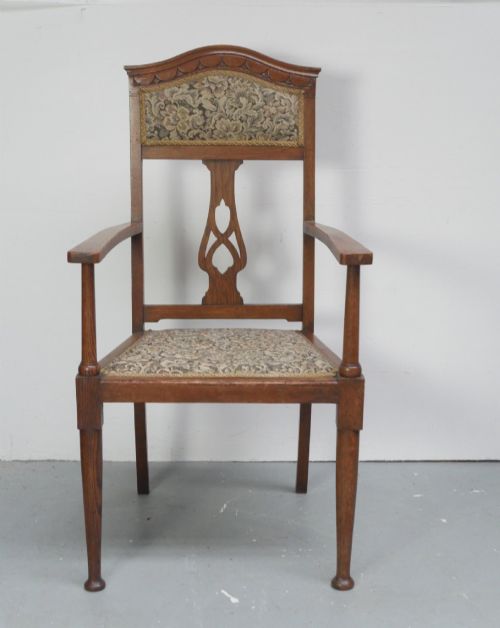
The selections span distinct historical periods, running from nineteenth century vernacular pieces through to Edwardian interpretations. Surviving examples frequently combine heavy timber frames with contrasting woven seats or leather upholstery, reflecting the diverse practical demands of country houses and provincial parlours.
Regional variations dominate the available inventory, displaying characteristic regional turning, spindle backs, and solid elm or oak seats. These functional domestic seats served variously at the dining table, beside the hearth, or in the study.
Assessing quality and authenticity
Quality reveals itself through the integrity of the timber framing, the crispness of turned details, and the survival of original surface patination. Superior examples retain their early or original finishes, whereas heavily stripped or poorly restored surfaces diminish historical value.
Proportion and comfort distinguish standard utility items from masterworks of regional craft. Well-balanced proportions, tight joinery, and appropriate material combinations elevate individual pieces above ordinary utilitarian furniture.
Current listings feature nineteenth-century, Victorian, and Edwardian periods alongside Arts and Crafts designs.
Liberty and Co
The Traditional Oak Elbow Seat Glossary
- Carver chair
- A sturdy armchair, typically designed for the head of a dining table or for use as a desk chair. These pieces match smaller side chairs in a set.
- Smoker's bow
- A low-backed Windsor-style armchair featuring a continuous bentwood arm rail supported by turned spindles. This form offers robust comfort for relaxed domestic sitting.
- Rush seat
- A seating surface woven from dried marsh rushes around a wooden frame. This traditional technique provides a resilient and slightly flexible support.
- Spindleback
- A chair back constructed from a series of slender, turned vertical wooden rods. This lighter framing method gained popularity across various vernacular periods.
- Turned chair
- A heavy armchair constructed predominantly from elaborately lathe-turned wooden posts and members, often associated with early vernacular styles. These seats showcase intricate woodworking skill.
Traditional Oak Elbow Seat: Frequently Asked Questions
How do I identify a Victorian oak armchair?
Victorian oak armchairs typically display nineteenth-century construction methods, including pegged joinery, heavy turned members, and traditional finishes.
Examination of the timber patination, wear patterns, and underlying secondary woods like beech or elm helps confirm the period.
Were these chairs used at the dining table?
Many of these sturdy armchairs served as carver chairs positioned at the heads of dining tables alongside matching side chairs.
Others functioned as fireside, desk, or accent seating within nineteenth-century country houses and parlours.
What woods are used besides oak?
Cabinet makers frequently combined oak main frames with elm for solid saddle seats and beech or ash for turned spindles and legs.
This mixed-timber construction utilised the specific mechanical properties best suited to each part of the chair.