
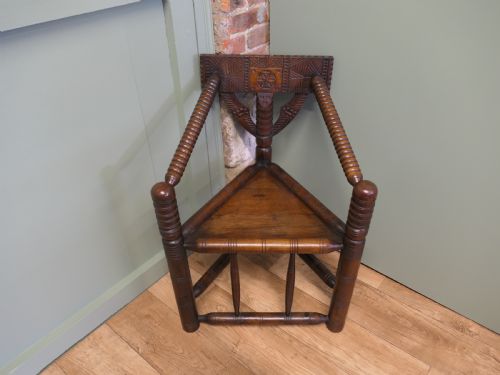

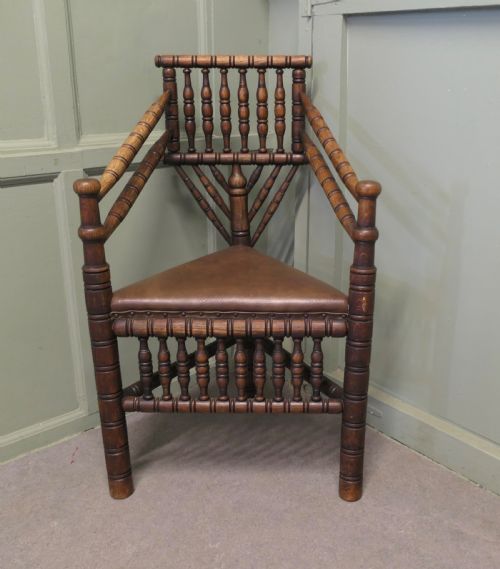

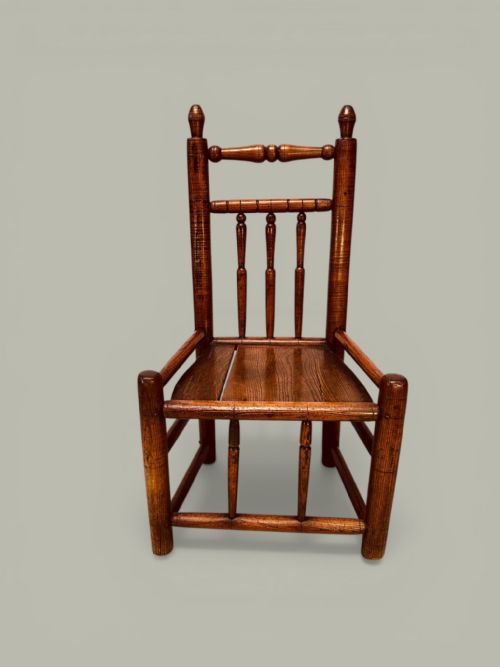


Antique Turners Chair
An antique turners chair brings heavy spindles and turned timber straight into a room, offering a sturdy seat rooted in centuries of vernacular design.
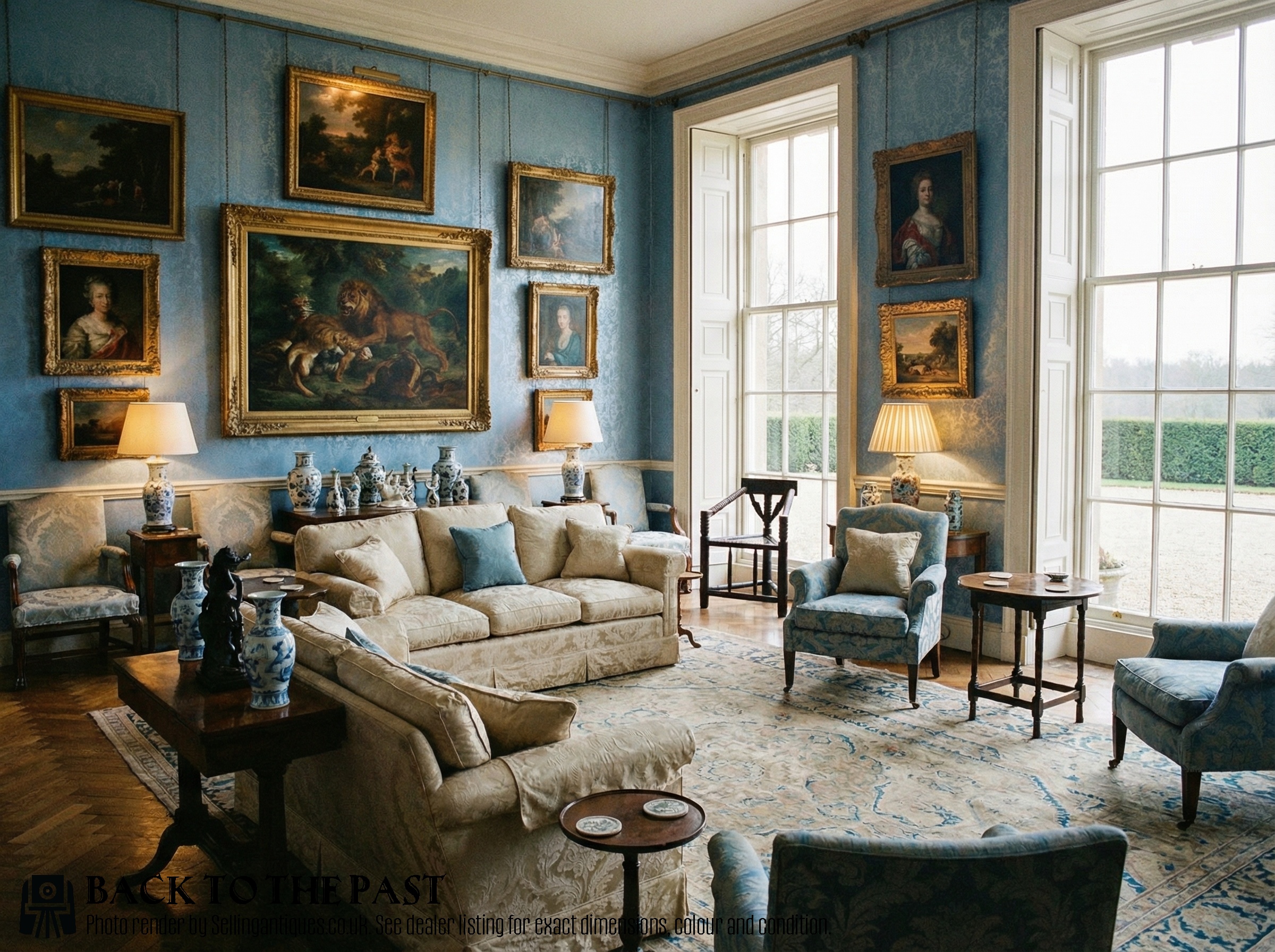
Antique Turners Chair
When you search for an antique turners chair, you encounter sturdy seating constructed almost entirely from shaped timber components. The examples recorded here span from the seventeenth century through the Victorian era and into nineteen hundred.
The dominant forms are elbow seats and armchairs, including corner chairs and occasional pairs. English origins predominate, alongside pieces catalogued under regional styles such as Old Saxon and Gothic Revival.
How they were made
Makers shaped structural elements using the lathe, producing repeated patterns of rounded spindles and heavy posts. Oak and ash provide the dense timber required to support interlocking turned joints.
Constructors utilised solid native woods, shaping English oak and ash into rigid frames without relying on delicate veneers. Beech also appears in the joinery, combining with oak to form sturdy elbow seats.
What varies in quality
The standard of an antique turners chair rests upon the crispness of the lathe work and the weight of the timber. Dense English oak yields a more substantial presence than lighter secondary woods.
Design ambition separates basic vernacular items from revival pieces influenced by Saxon and Gothic aesthetics. Heavier seventeenth-century examples display greater authority than later Victorian interpretations.
The Antique Turners Chair Glossary
- Turners chair
- A heavy armchair constructed primarily from turned wooden spindles and posts. These pieces derive their structural rigidity from systematic lathe work.
- Elbow seat
- A traditional term for an armchair with low armrests designed to support the elbows. They appear frequently among vernacular seating.
- Old Saxon
- A nineteenth-century revival style mimicking earlier medieval forms. It often describes heavy oak armchairs with prominent spindle construction.
- Vernacular
- Everyday furniture made by local carpenters rather than metropolitan workshops. These items prioritise utility and regional timber supplies.
Antique Turners Chair: Frequently Asked Questions
Are these chairs comfortable?
These seats are solid timber constructions built for upright posture rather than deep lounging. Some include leather elements for added comfort.
Their heavy frames and rigid spindles mean they function best as occasional accent seating rather than primary armchairs.
How old are these chairs?
The pieces span multiple centuries, ranging from seventeenth-century originals to nineteenth-century revival interpretations. Many date from the Victorian period around nineteen hundred.
Construction details and timber choices help indicate whether a piece belongs to the early vernacular tradition or a later revival.
What wood were they made from?
Makers relied heavily on native British timbers such as oak and ash. Beech also appears in various framing components.
English oak provides the primary structure for the heaviest examples, ensuring long-term durability across centuries of use.