
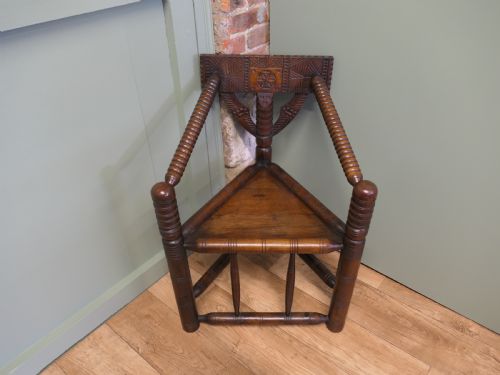

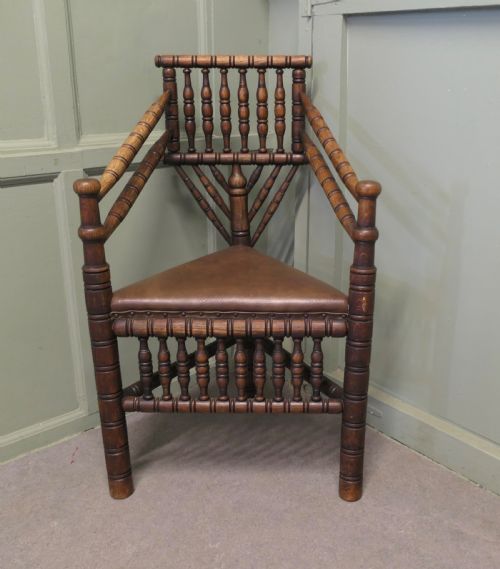


Dark Oak Turners Chair
Dark oak turners chair examples offer robust nineteenth-century seating built from sturdy English timber, providing buyers with historic character and solid construction.
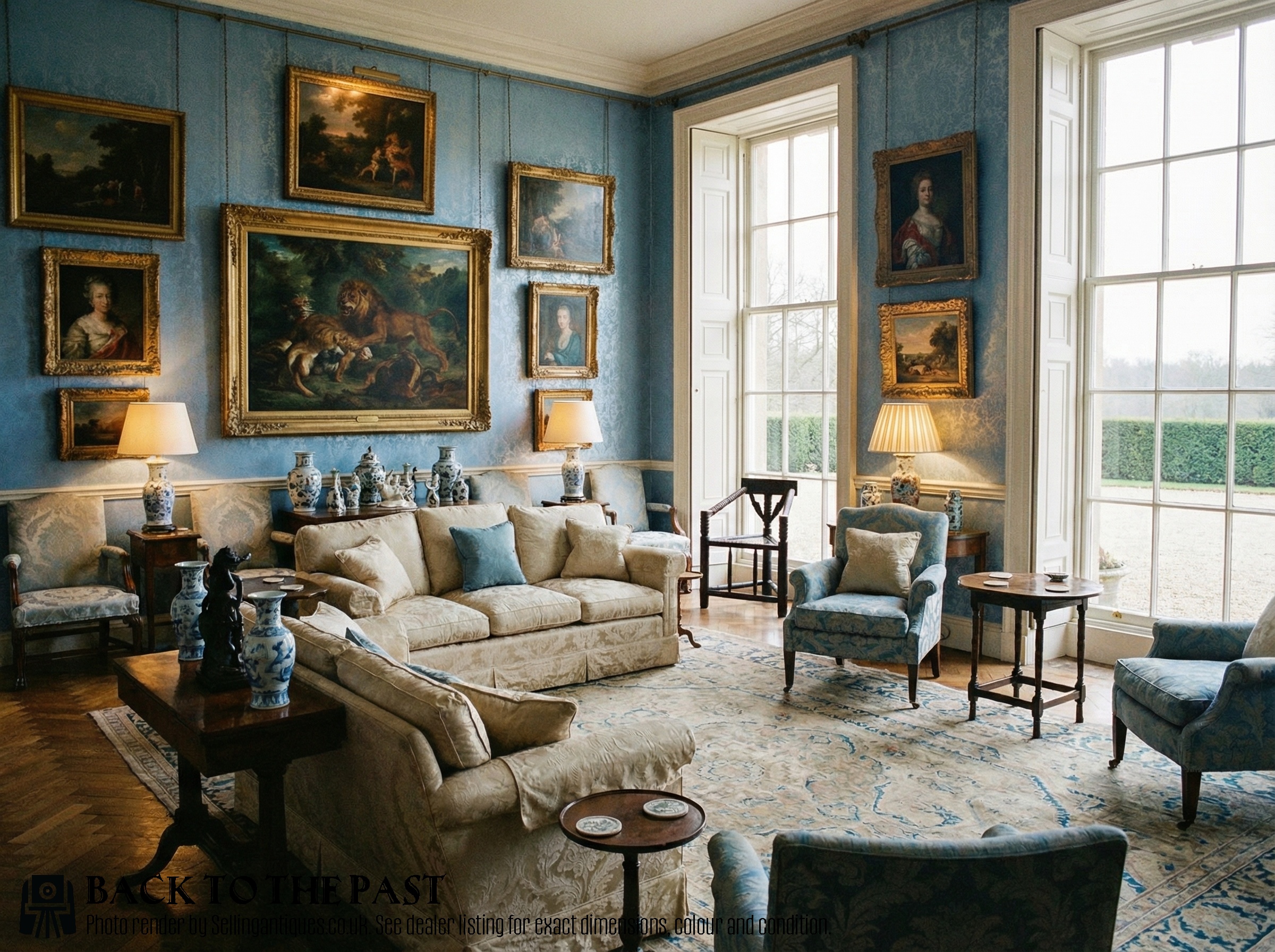
Dark Oak Turners Chair
A dark oak turners chair represents a distinct lineage of nineteenth-century seating rooted in vernacular traditions and revivalist aesthetics. These armchairs appear in Victorian formats frequently styled as Old Saxon or Gothic revival pieces.
The objects on this page consist exclusively of nineteenth-century armchairs and accent chairs shaped by turned spindles and solid elbow seats. Most examples originate from the Victorian era around eighteen fifty to nineteen hundred, showing heavy English oak construction.
How they were made
Makers utilised solid English oak and occasionally beech, turning structural components on a lathe to form the characteristic spindles and uprights. These turned members interlock to build a rigid frame without relying on upholstered padding.
The construction relies on traditional joinery methods suited to heavy timbers, combining turned wooden stretchers with saddle or panelled elbow seats. Surfaces reveal the natural grain of the oak, enhanced through age and simple polishing techniques.
Saxon revival and Gothic revival styles dominate the design vocabulary across the available turners chair inventory.
What varies in quality
The distinction between standard examples and superior pieces rests upon the crispness of the spindle turning and the selection of timber. Dense English oak with deep figuring commands greater interest than plainer secondary woods.
Execution of revival details, such as Gothic or Saxon motifs integrated into the turned framework, dictates the refinement of the armchair. Better examples display balanced proportions and tight joints that withstand centuries of use.
The Dark Oak Turners Chair Glossary
- Turner's chair
- A type of armchair constructed entirely from turned wooden spindles and rails, historically known as a spindle chair or cacqueteuse ancestor.
- Elbow seat
- A designation for an armchair featuring low arms designed to support the elbows, common in nineteenth-century vernacular seating.
- Saxon revival
- A Victorian design movement drawing inspiration from Anglo-Saxon artefact patterns, frequently applied to heavy oak furniture.
- Beech
- A dense hardwood utilised alongside oak in vernacular chair construction for its cooperative turning properties.
Dark Oak Turners Chair: Frequently Asked Questions
What is a dark oak turners chair?
A dark oak turners chair is a nineteenth-century armchair constructed entirely from lathe-turned wooden spindles and structural rails. These pieces draw on ancient vernacular forms and Victorian revival styles.
They serve as heavy accent seating defined by rigid wooden frames and low elbow rests. Most examples showcase English oak timber built during the Victorian period.
How were turners chairs used historically?
Historically, turners chairs functioned as principal seats in halls and domestic parlours, denoting status through their elaborate turned construction. Their sturdy frames suited daily household demands.
Today, buyers place them in studies or living spaces as statement accent chairs. Their compact footprint makes them practical for decorative placement.
How do I date a turners chair?
Dating relies on examining the timber species, turning profiles, and overall joinery characteristics visible in the frame. Nineteenth-century examples often incorporate revival motifs specific to the Victorian era.
Evidence of age appears in the patina of the oak and the wear patterns on the seat. Comparing the spindle work to documented nineteenth-century styles helps confirm the period.
Are these chairs comfortable to sit in?
Turners chairs feature rigid wooden seats and upright spindle backs designed for posture rather than lounging. They provide firm support suited to short periods of sitting.
Adding a small cushion can improve comfort for modern daily use. Most owners prioritise their sculptural visual presence over plush seating.