
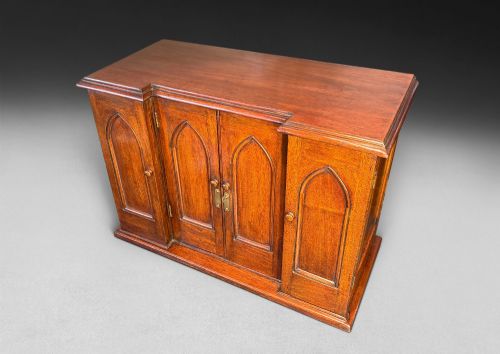
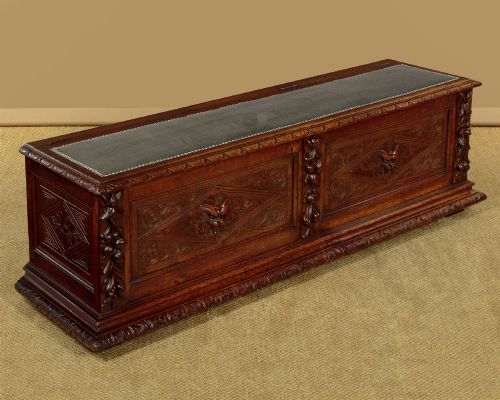
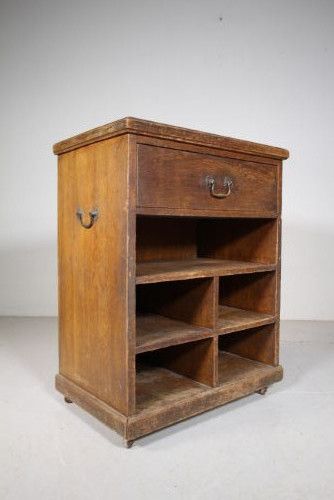
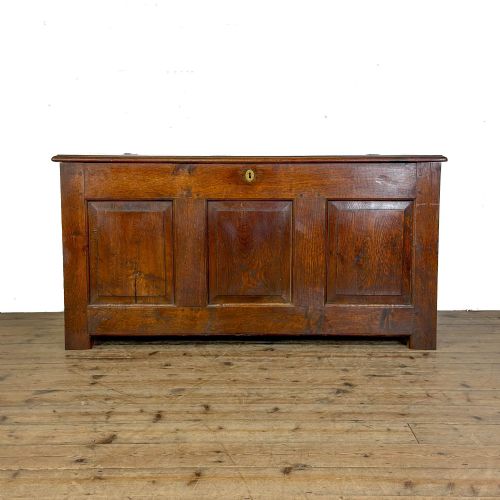
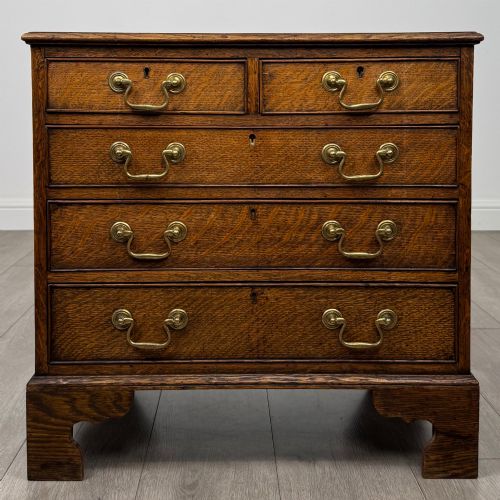
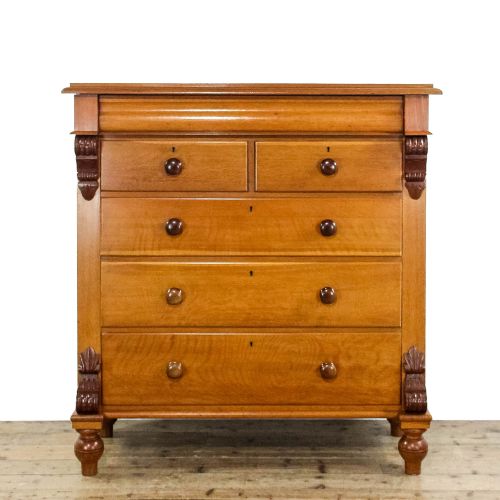
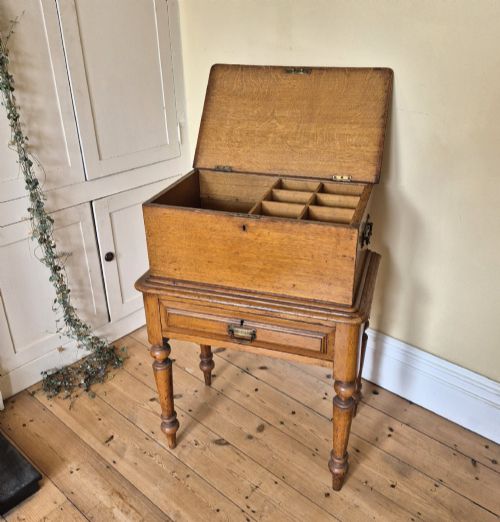

Victorian Oak Storage Chest
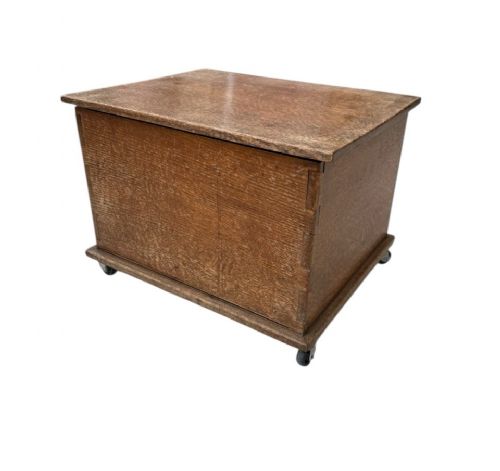
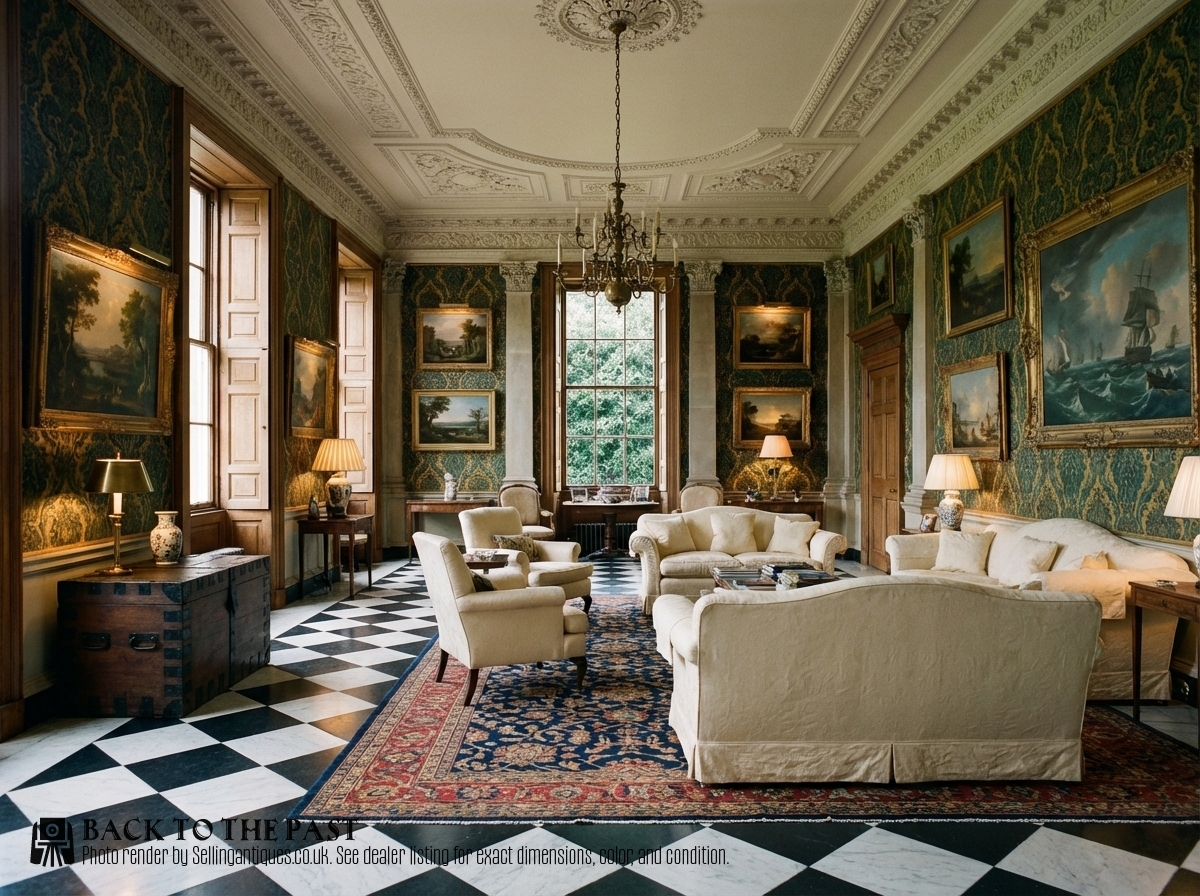
A victorian oak storage chest brings solid timber construction and practical utility into a room without fuss.
Victorian Oak Storage Chest
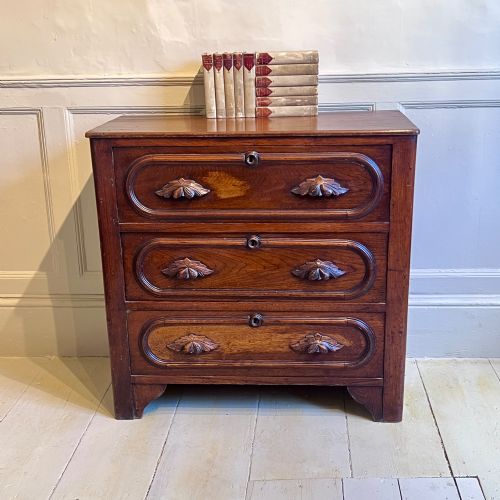
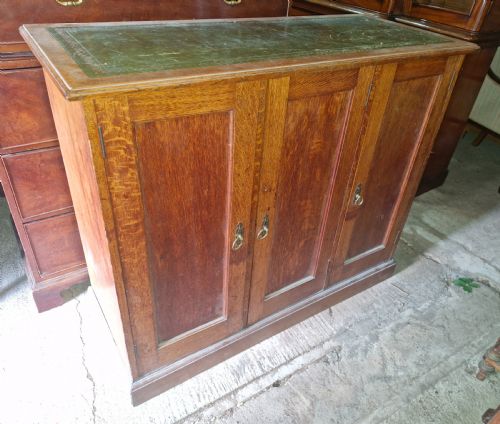
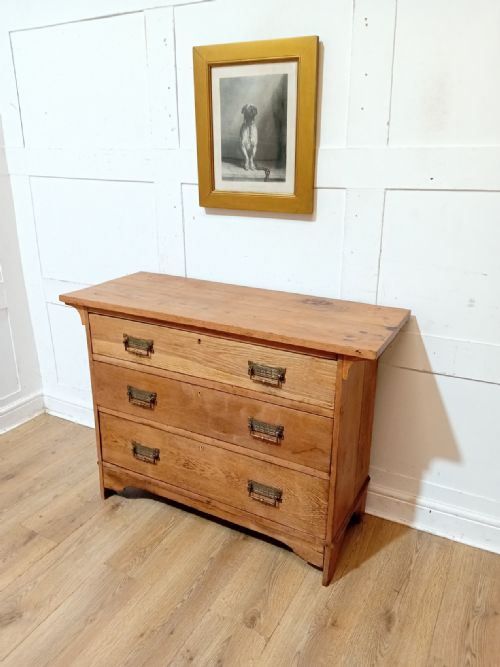
A victorian oak storage chest spans robust coffers, lift-top trunks, and heavy silver boxes designed to secure household valuables. The versions met most often on this page date from the nineteenth century through the Edwardian period, often displaying the grain of English or American oak.
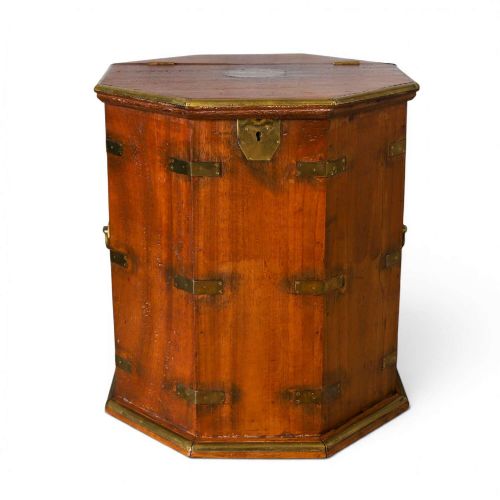
Makers and manufacturers utilised these sturdy boxes for domestic linen, travelling equipment, and military transport. Many examples feature hinged lids, iron binding, or brass mounts suited to active service and rigorous daily use.
What varies in quality
The standard of construction depends heavily on the thickness of the oak boards and the integrity of the original joints. Dovetailed drawer linings and hand-forged ironwork indicate a higher grade of workshop production than mass-produced alternatives.
Preservation of original brass or iron hardware and unblemished interior surfaces elevate the status of a box. Pieces retaining authentic period locks, keys, and untouched patination demonstrate superior craftsmanship.
Listings feature items spanning the 19th century, Victorian era, and Edwardian period, constructed from oak, pine, brass, and iron.
Tahan of Paris
The Victorian Oak Storage Chest Glossary
- Coffer
- A heavy timber chest traditionally used for storing valuables, linens, or documents. These sturdy boxes often feature hinged lids and boarded construction.
- Campaign chest
- A modular piece of furniture designed to dismantle or travel easily for military officers on the move. They typically incorporate brass corners, recessed handles, and robust iron binding.
- Silver chest
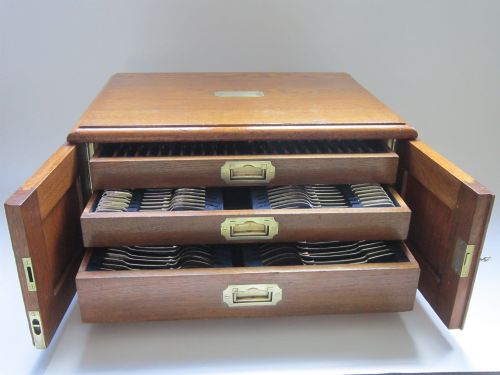
- A heavy-duty storage box lined to protect table silver or cutlery from tarnish and impact. They frequently include reinforced iron straps and secure locking mechanisms.
- Wellington chest
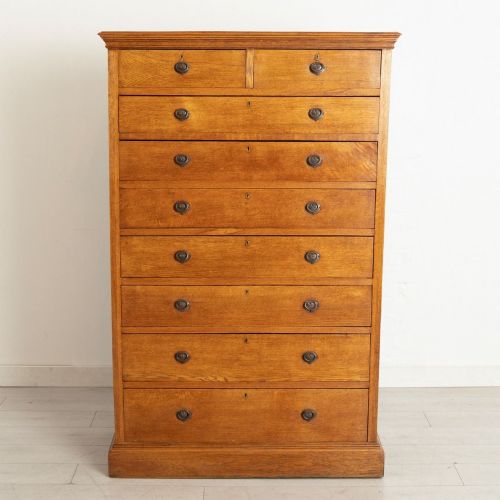
- A tall, vertical set of drawers secured by a hinged locking stile on one side. This design originated in the nineteenth century to keep valuable documents safe.
- Linen press
- A tall cupboard featuring upper doors enclosing sliding shelves for fabric storage, placed above a base of lower drawers. These items maximise storage capacity in traditional bedrooms.
Victorian Oak Storage Chest: Frequently Asked Questions
What were victorian oak storage chests used for?
Households relied on these sturdy timber boxes to store heavy woollens, household linens, and valuable table silver away from dust. Military officers and travellers also used reinforced trunk variants to transport uniforms and equipment across rough terrain.
Over time, many of these receptacles transitioned from functional utility items into decorative furniture used for stowing blankets and household clutter in living spaces.
How do I care for a vintage oak chest?
Keep timber boxes out of direct sunlight and away from radiators to prevent the oak planks from drying out and splitting. Apply a quality beeswax periodically to nourish the wood and maintain a soft protective sheen.
Avoid using modern silicone polishes, as they build up residue on the historic surface and attract dust over time.
How can I tell a campaign chest from a standard chest?
Campaign pieces feature distinct structural adaptations for travel, including flush-mounted brass handles that do not protrude from the sides and reinforced metal corners. They often separate into distinct modular sections to ease loading onto ships or carriages.
Standard domestic chests remain as single fixed units and usually feature decorative projecting handles and mouldings unsuited to military transport.
Are iron-bound chests genuine military pieces?
Iron bands and heavy corner brackets generally indicate that a box was built to withstand heavy transit, shipping, or secure storage for valuable silver. While many served commercial shipping or domestic storage rather than active military campaigns, the robust hardware denotes heavy-duty utility.
Inspect the internal lining and locks for clues regarding whether the box protected silver cutlery, travelling documents, or personal clothing.