



Metal Bound Wooden Chest
A metal bound wooden chest combines structural strength with utilitarian resilience, serving as a robust storage piece suited for travel and display.
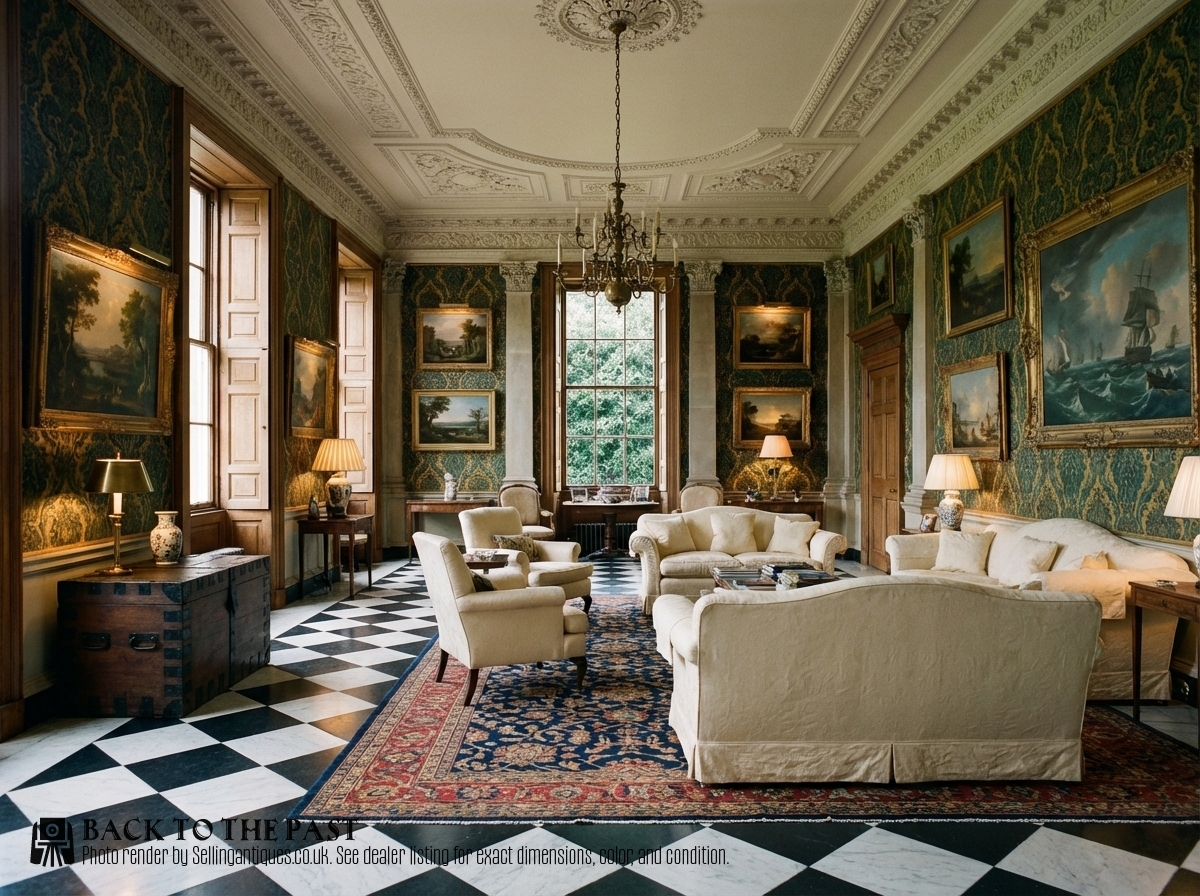
Metal Bound Wooden Chest
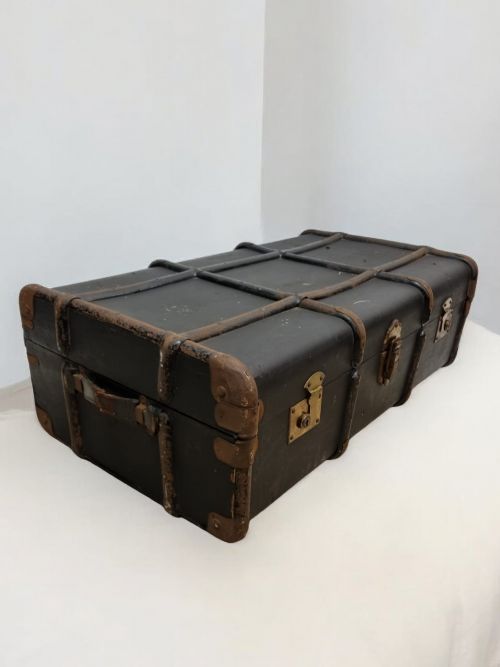
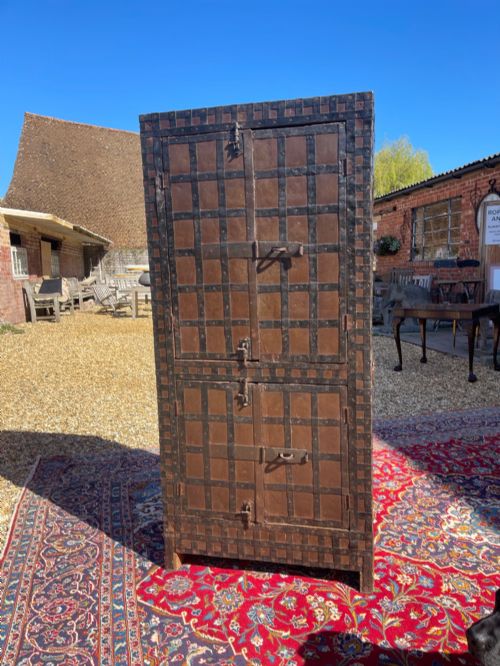
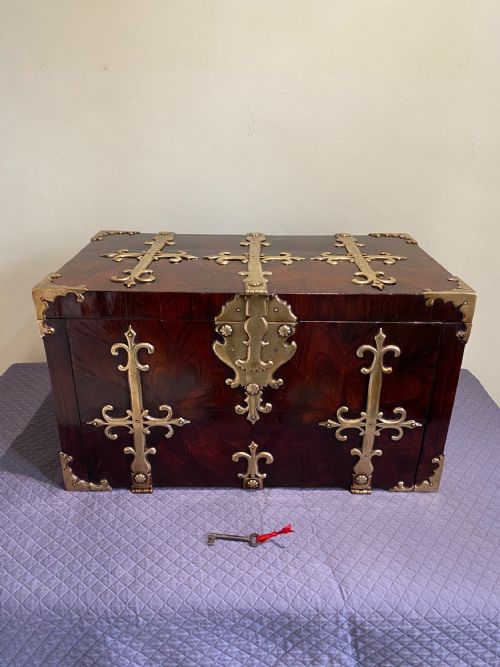
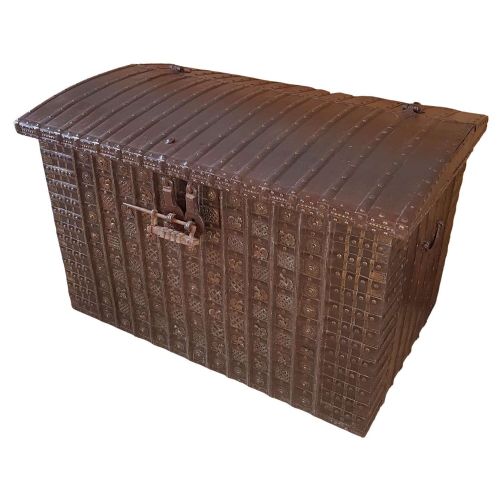
A metal bound wooden chest is a durable storage container constructed from timber and reinforced with metal bands, hinges, and straps. These objects function primarily as trunks, coffers, silver chests, and travel luggage designed to protect valuable contents.
The pieces available here span several centuries, featuring examples from the sixteenth century up to the early twentieth century. Common forms include dome-top boxes, travel trunks, campaign chests, and dowry trunks.
Origins vary widely across international traditions, encompassing English oak silver chests, Indian dowry trunks, Scandinavian painted pine boxes, and Japanese tansu chests. The nineteenth century yields the highest volume of surviving examples on this page.
How they were made
Construction relies on solid timbers such as oak, pine, teak, kingwood, and general hardwood, joined to form rigid box structures. Wood selection dictates the weight and natural durability of each trunk.
Reinforcement utilises iron, brass, steel, and wrought iron bands, straps, and corner brackets affixed with visible fixings. These metal elements protect vulnerable edges and secure the wooden panels against heavy use.
Surface treatments range from plain natural timber and painted finishes to hide coverings and zinc linings. Specialised hardware like original locks, side handles, and straps complete the assembly.
Materials span iron, brass, wrought iron, and zinc linings paired with oak, pine, teak, and kingwood.
What varies in quality
The integrity of the original hardware separates utilitarian containers from masterwork examples, particularly where bespoke locks and cast metal brackets survive intact. Intricate smithing on iron bands or detailed brass studwork elevates the craftsmanship.
Timber selection and joinery define the underlying build quality, distinguishing heavy oak and dense teak constructions from lighter pine boxes. Internal fittings, such as specialised compartmentalised trays in silver chests or fabric linings, indicate purposeful design for high-status owners.
The historical coherence of the piece, including matching metal straps, period hinges, and untouched surface patination, determines the overall standard of preservation.
Seabrook of St Pauls London·Hartman Luggage Co
The Metal Bound Wooden Chest Glossary
- Silver chest
- A heavy wooden box lined and partitioned to store family silver and plate securely. These pieces usually feature robust iron or brass carrying handles for transport.
- Coffer
- A traditional heavy storage chest, often dating to earlier centuries, used for valuables and documents. They frequently exhibit dense iron binding for enhanced security.
- Campaign chest
- Portable furniture designed for military officers on the move, engineered for disassembly or sturdy transit. They utilise reinforced corners and flush-fitting hardware.
- Tansu
- A traditional Japanese mobile storage chest built from timber with metal reinforcement. These pieces reflect specific regional cabinetry and joinery traditions.
- Dome top
- A curved lid construction designed to shed moisture and increase internal capacity. This form appears frequently on eighteenth and nineteenth-century travelling trunks.
Metal Bound Wooden Chest: Frequently Asked Questions
What were metal bound wooden chests used for?
These chests served primarily for secure transport and storage of personal belongings, valuables, silver plate, and wardrobe items during travel. Their robust construction protected contents from the rigours of carriage, shipping, and military campaigns.
Over time, many transitioned into static household storage for domestic linens and household goods, while finer examples remained visible in principal rooms as decorative furniture.
How do I date an antique wooden chest?
Dating relies on observing construction methods, timber types, and the style of the metal hardware. Earlier pieces from the sixteenth and seventeenth centuries often display hand-wrought iron straps and primitive joinery, while nineteenth-century examples incorporate machine-rolled steel and standardised locks.
Examining internal linings, fasteners, and stylistic motifs like Baroque revival or Art Deco provides further chronological context.
Are these chests suitable for modern living?
Their sturdy timber frames and capacious interiors make them practical for storing blankets, books, and household items in contemporary spaces. They function well as coffee tables or statement storage pieces at the foot of a bed.
Placing them in a room adds textural contrast through the combination of aged wood and patinated metalwork.