

Solid Oak Storage Box
A solid oak storage box brings heavy timber framing and centuries of domestic utility straight into a modern interior.
Solid Oak Storage Box
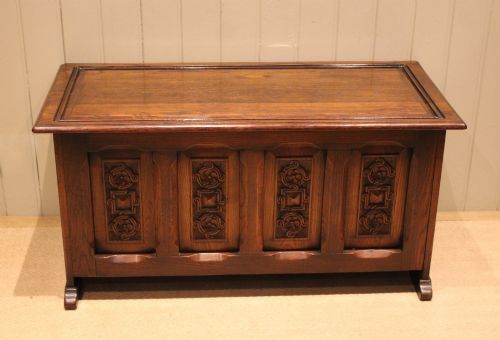
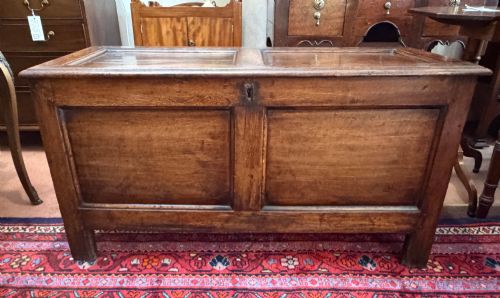
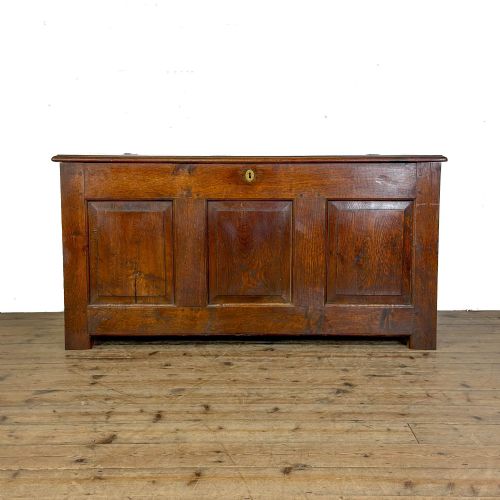
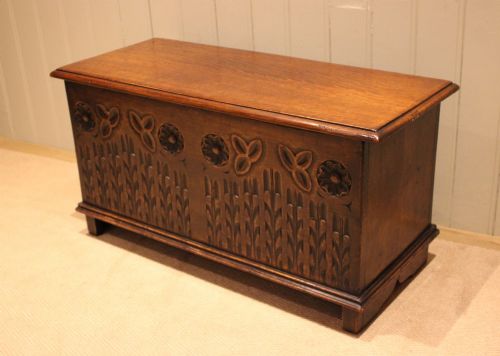
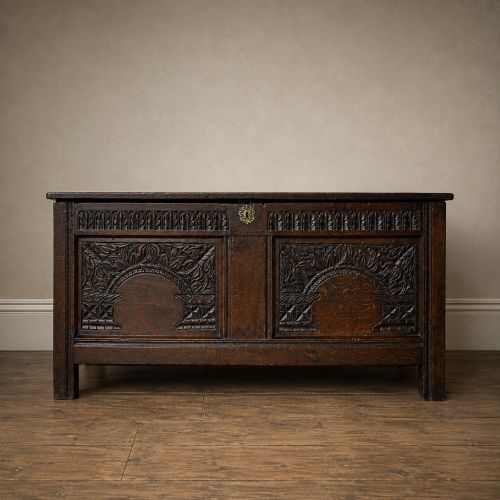
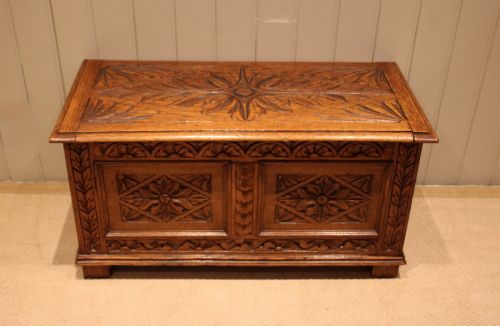
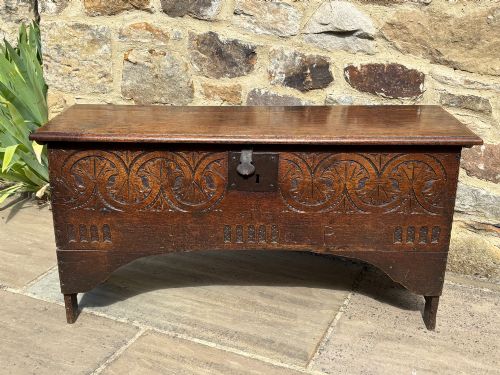
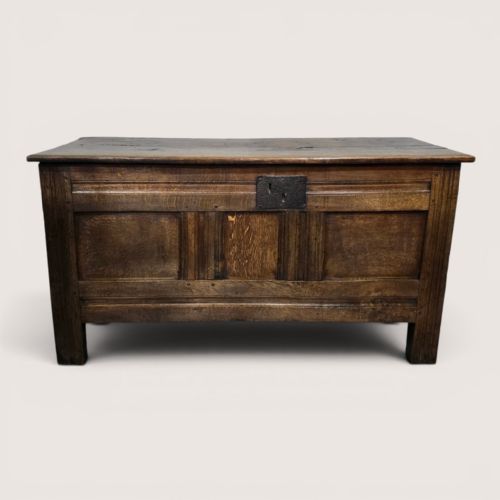
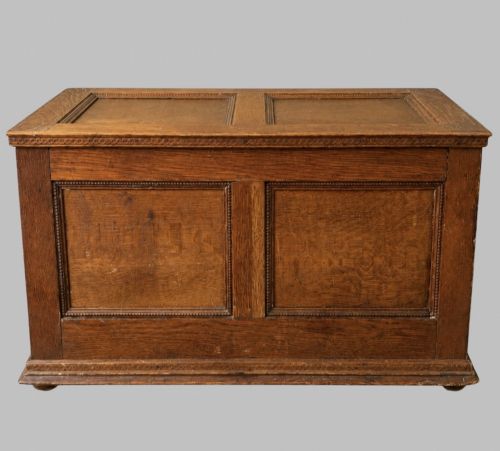
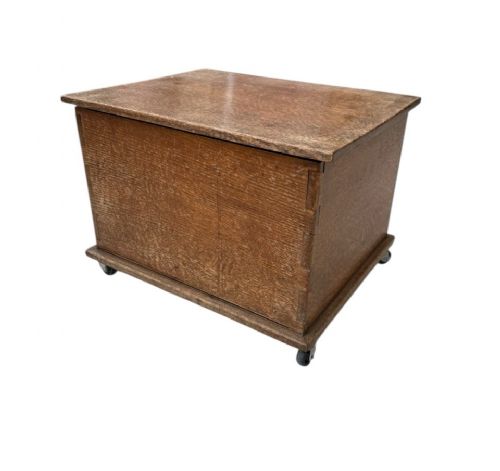
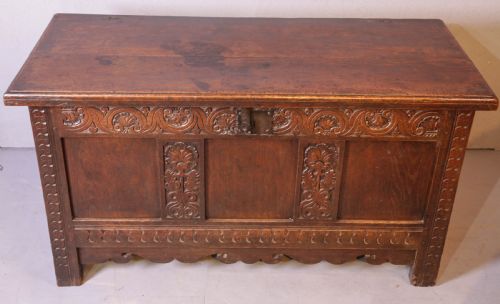
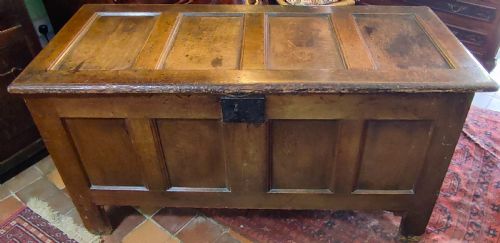
A solid oak storage box primarily encompasses heavy coffers, blanket chests, and mule chests spanning from the sixteenth century through the early twentieth century. These sturdy domestic vessels served generations for storing linens, silver, and logs before finding a place as functional furniture.
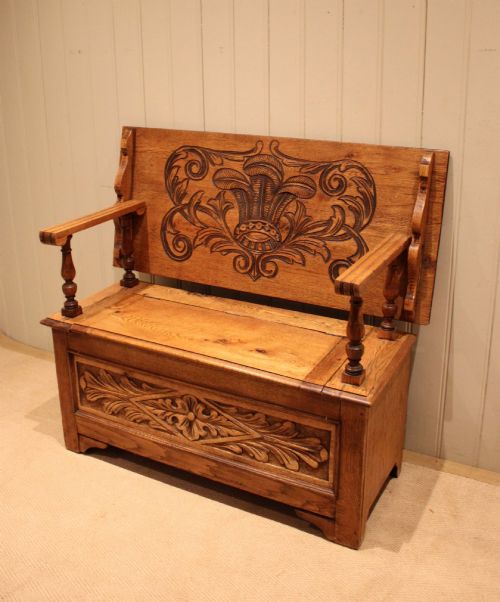
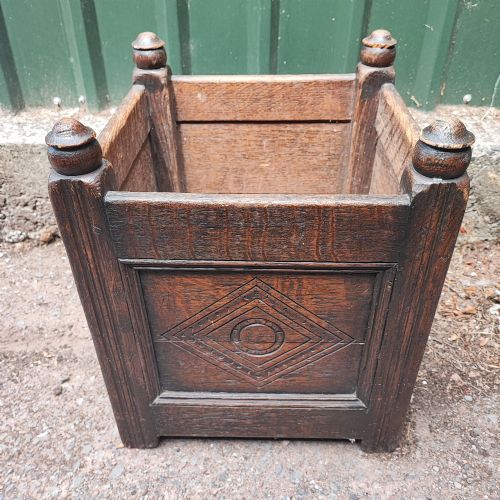
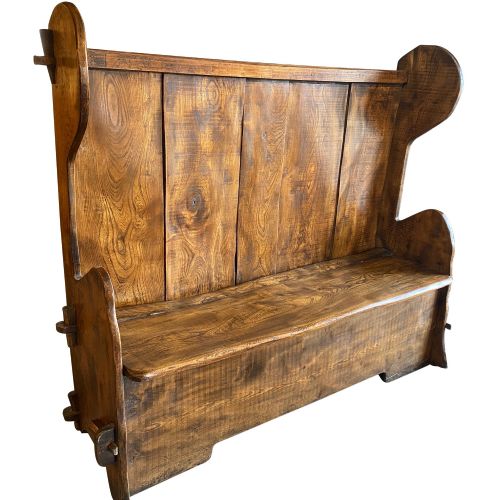
The versions most commonly met on this page include seventeenth-century carved panelled coffers alongside later nineteenth-century adaptations and Arts and Crafts revival pieces. Makers also utilised elm and pollard oak for regional variants such as box settles and log carriers.
Forms range from simple six-plank construction to elaborate joined and carved receptacles bearing Georgian or Jacobean style details. Buyers encounter everything from rough country work to refined panelled furniture intended for formal rooms.
How solid oak storage boxes were made
Traditional construction relies on heavy timber framing, utilising pegged mortise and tenon joints to secure upright stiles and rails around floating panels. This heavy joinery allowed the timber to expand and contract naturally through seasonal humidity shifts without splitting.
Metal hardware played a crucial structural and protective role, incorporating hand-forged iron, wrought iron, steel, and brass hinges, straps, and lock plates. Blacksmiths shaped these metal elements to reinforce corners and secure lids against heavy daily usage.
Materials paired with oak across these storage forms include wrought iron, brass, steel, elm, and pollard oak.
What varies in quality
Quality rests significantly upon the integrity of the original timber framing and the depth of hand-carved detailing. Pieces retaining their original boarded lids and untouched structural pegs command greater regard than those subjected to heavy later alterations or timber replacement.
The refinement of the surface patination and the proportion of the proportions separate standard utility chests from exceptional examples. Finer specimens display harmonious panel proportions and crisp, deep relief carving rather than flat, mechanical ornamentation.
Jack Grimble·Liberty London
The Solid Oak Storage Box Glossary
- Coffer
- A heavy wooden chest traditionally used for storing valuables, linens, or documents. These deep receptacles usually feature hinged lids and sturdy boarded or panelled construction.
- Mule chest
- A blanket chest fitted with one or more drawers beneath the main storage compartment. This hybrid form gained popularity during the eighteenth century for easier access to smaller items.
- Joined oak
- Furniture constructed using interlocking mortise and tenon joints secured with wooden pegs. This technique replaced earlier boarded construction and defined seventeenth-century joinery.
- Six-plank chest
- An early and simple form of storage box assembled from six separate boards nailed or pegged together at the edges. These utilitarian pieces represent some of the earliest surviving domestic furniture.
- Close stool
- A portable indoor commode disguised as a small cabinet or box with a lidded seat. Eighteenth-century examples often mirrored the outward appearance of standard low storage boxes.
Solid Oak Storage Box: Frequently Asked Questions
How do I date an oak coffer?
Dating relies on observing construction methods, such as the transition from simple boarded joints to pegged mortise and tenon frames. Tool marks, hinge types, and stylistic carving motifs also provide clear indicators of the period.
Earlier sixteenth and seventeenth-century pieces often feature hand-split boards and spirited geometric or floral carving. Later Victorian and Edwardian revivals tend to display machine-sawn timber and softer internal patination.
What was a mule chest used for?
A mule chest combined the deep top storage of a standard blanket box with the convenience of lower drawer space. This layout allowed owners to store bulky linens above while keeping smaller garments or documents easily accessible.
These hybrid chests became staples of eighteenth-century domestic life, offering greater organisational capacity than traditional single-compartment coffers.
Are these boxes heavy to move?
Most genuine solid oak storage boxes are exceptionally heavy due to the dense nature of old-growth timber and thick iron or brass hardware. Moving them typically requires two people to prevent strain on the ancient joints and frame.
Heavier examples designed for travel or shipping often feature side carrying handles to assist with transport, though their weight remains substantial even when empty.
How do I care for antique oak?
Maintaining antique oak involves keeping the timber away from direct heat sources and sudden humidity fluctuations to prevent warping or splitting. Regular light dusting and occasional application of appropriate natural wax help preserve the surface finish.
Avoiding modern silicone-based polishes ensures the historic beeswax buildup and natural surface patination continue to deepen gracefully over time.