
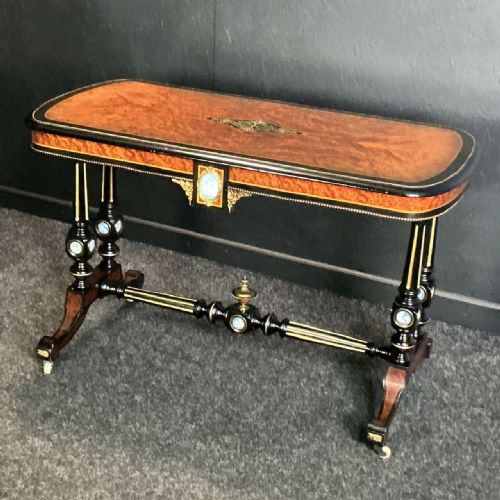
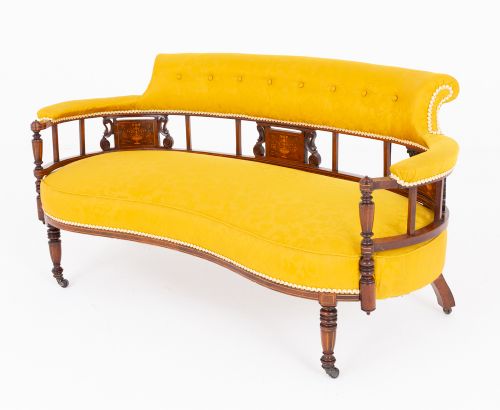


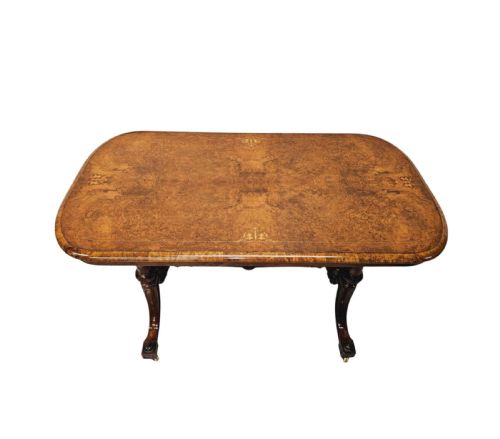


Victorian Marquetry Sofa
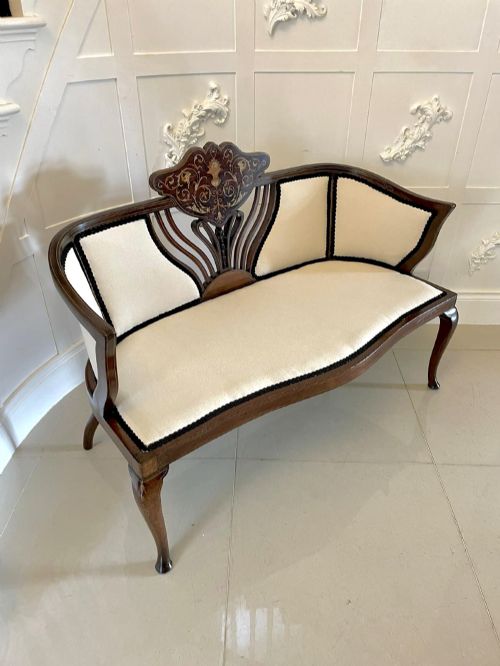
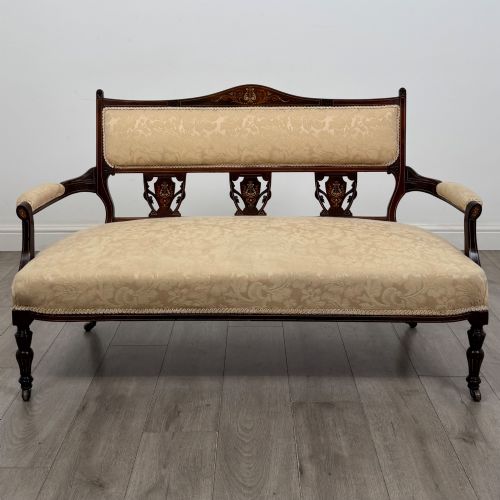
A victorian marquetry sofa brings intricate floral or geometric wood patterns into a formal reception room, offering comfortable seating with substantial historical presence.
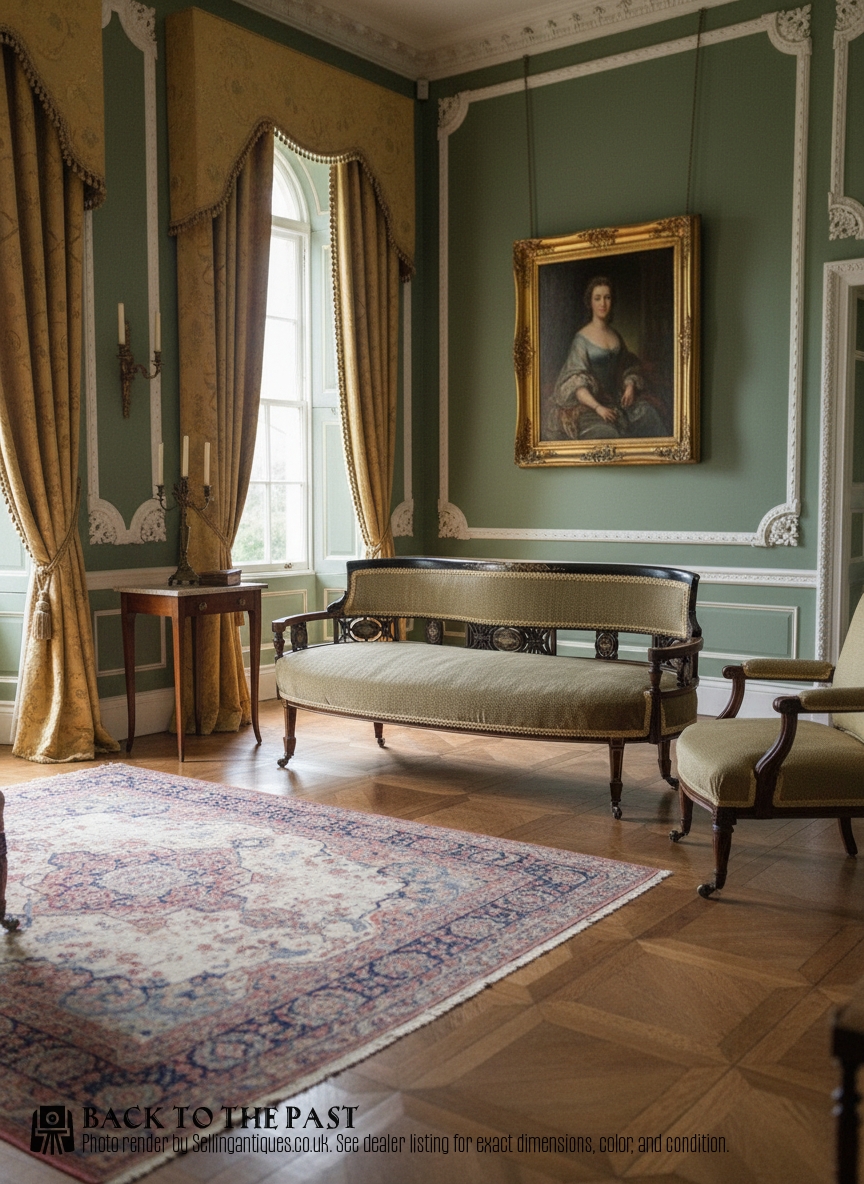
Victorian Marquetry Sofa
When searching for a victorian marquetry sofa, buyers encounter nineteenth-century seating pieces constructed primarily during the Victorian and late Victorian eras, spanning from the middle decades through to nineteen hundred. These pieces encompass various forms including settees, couches, and salon suites featuring decorative wood inlays.
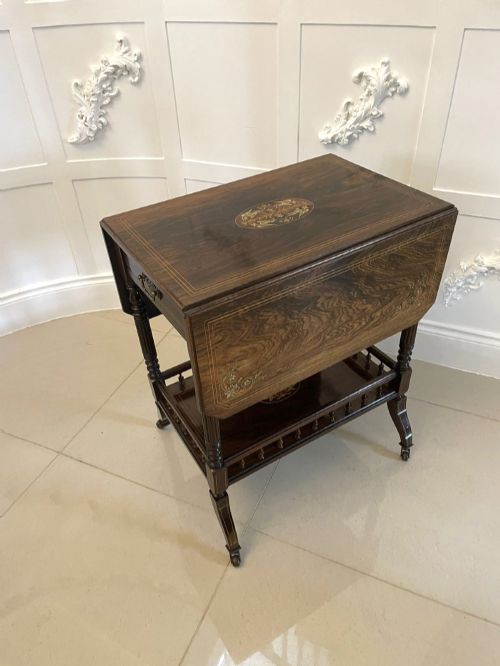
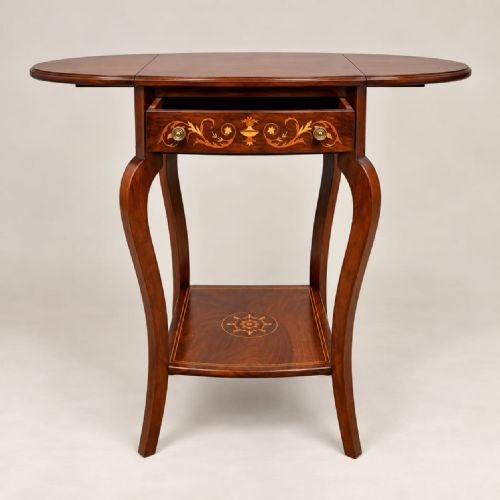
The most common versions met on this page combine sturdy timber frameworks with contrasting veneer work, frequently appearing in forms described as settee, sofa, or couch. Makers of the period produced these items alongside related occasional furniture such as centre tables and side tables.
Examples date across the nineteenth century, including specific decades from eighteen fifty to eighteen ninety, often reflecting aesthetic movement influences or traditional Victorian revival tastes.
Materials and construction methods
These items utilise solid timbers such as mahogany, rosewood, and walnut for their primary structural frames, frequently employing burr walnut or flame mahogany veneers to create highly figured surfaces. Cabinetmakers applied contrasting light wood insertions, including boxwood and satinwood, to form delicate floral and geometric marquetry patterns.
Inlayers set precision-cut wood veneers into prepared recesses within the timber substrate, securing them with traditional animal glues before hand-polishing the finished surface. Ebonised wood variations also appear, providing a dark, uniform background that accentuates the bright inlaid details.
Makers occasionally tucked tiny floral motifs into hidden corners of the woodwork, leaving secret botanical gardens for future generations to discover.
Assessing craftsmanship and execution
The standard of a victorian marquetry sofa rests upon the precision of the veneer work and the crispness of the individual inlaid details. Finer pieces demonstrate tight joints where contrasting woods meet without visible gaps, alongside richly figured burr walnut or rosewood grounds that display deep natural grain patterns.
Structural integrity and the retention of original timber components distinguish superior examples from heavily restored ones. The refinement of the carved woodwork on frames and the complexity of the botanical or geometric inlay determine the overall standing of an individual piece.
Jas / James Shoolbred
The Victorian Marquetry Sofa Glossary
- Marquetry
- A decorative technique where small pieces of veneer are assembled into pictorial or geometric patterns and applied to a furniture surface. This differs from simpler inlay by covering the entire background with fitted wood sections.
- Burr walnut
- A prized timber harvested from the growths or burls of walnut trees, known for its swirling, highly figured grain patterns. It forms the primary surface material for many high-status nineteenth-century tables and seating.
- Ebonised wood
- Timber treated with a chemical stain or black finish to imitate ebony. This dark surface creates a strong visual contrast against light-coloured boxwood or satinwood marquetry.
- Settee
- An upholstered long seat with a back and arms designed to accommodate multiple people. In nineteenth-century contexts, it often matches surrounding salon chairs and tables.
- Aesthetic movement
- A late nineteenth-century design style focusing on art for art's sake, often featuring ebonised surfaces and stylised floral motifs. Pieces from this period break away from heavy revivalist conventions.
Victorian Marquetry Sofa: Frequently Asked Questions
What woods were used for these sofas?
Makers of these nineteenth-century pieces utilised dense hardwoods such as mahogany, rosewood, and walnut for the main frames and visible surfaces. Burr walnut and flame mahogany appear frequently as decorative veneers.
Contrasting lighter timbers like boxwood and satinwood provided the material for intricate marquetry details, while some workshops utilised ebonised wood for dark, uniform finishes.
How do I care for marquetry furniture?
Keep these items away from direct sunlight and strong heat sources to prevent the natural wood veneers from drying out, shrinking, or lifting from their substrate.
Apply traditional beeswax periodically using a soft cloth to nourish the timber and maintain the polished sheen without building up synthetic residues.
How do I date a Victorian sofa?
Examine the primary timber, the style of the carving, and the specific type of inlay work present on the frame. Burr walnut and rosewood dominate mid-century examples, while ebonised frames and aesthetic movement motifs point toward the late nineteenth century.
Construction methods, such as the use of hand-cut joints versus later machine-produced elements, offer further clues regarding the decade of manufacture.
Where were these pieces used originally?
Nineteenth-century households placed these seating items in formal drawing rooms, reception spaces, and private parlours where guests were entertained. They frequently formed part of a matched salon suite that included matching occasional chairs and centre tables.
Their decorative marquetry surfaces were designed to catch the light and display the social standing and refined taste of the homeowner.