





Victorian Rosewood Settee
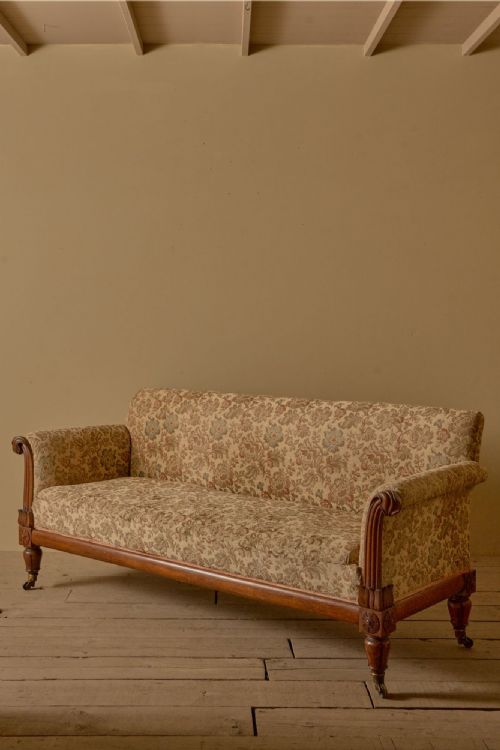
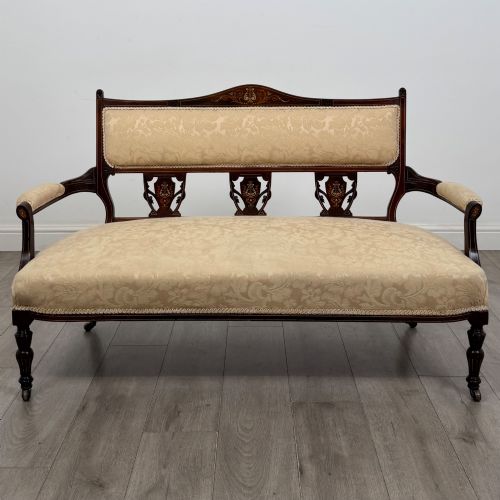
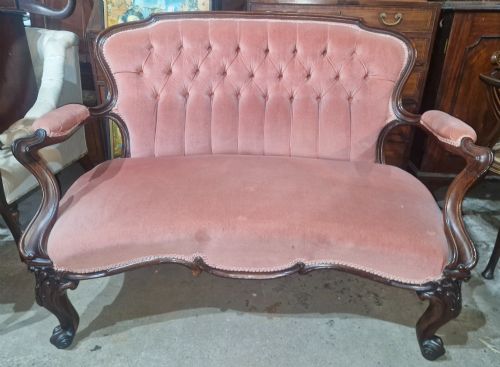
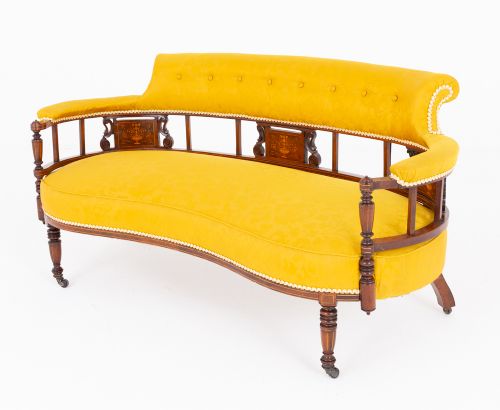
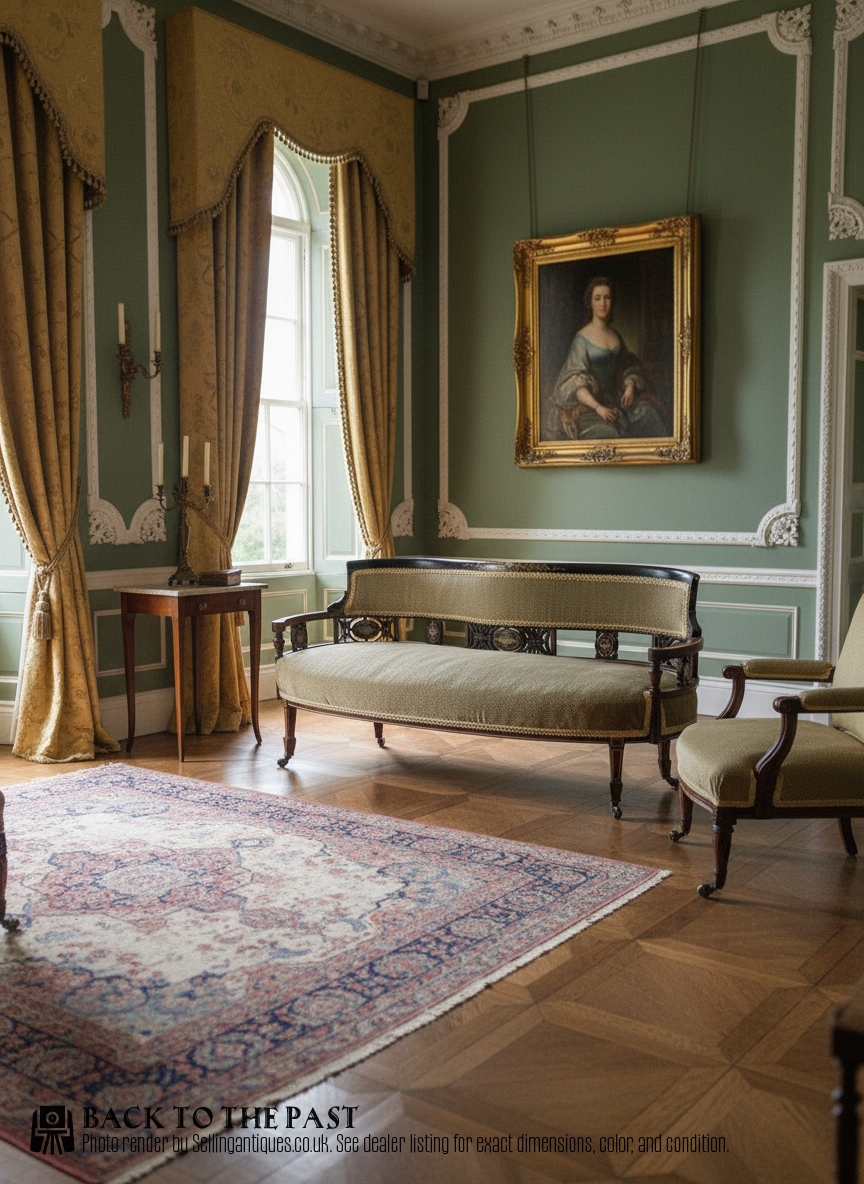
A victorian rosewood settee brings rich grain and carved scrolls to a formal interior, offering a grounded centrepiece for a traditional drawing room.
Victorian Rosewood Settee
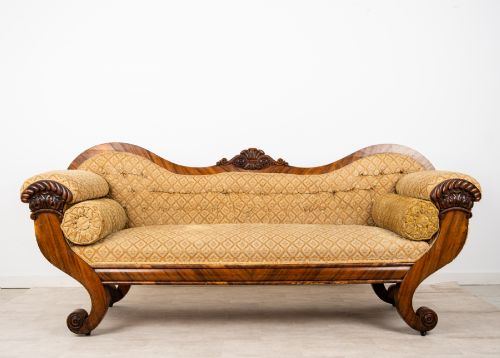
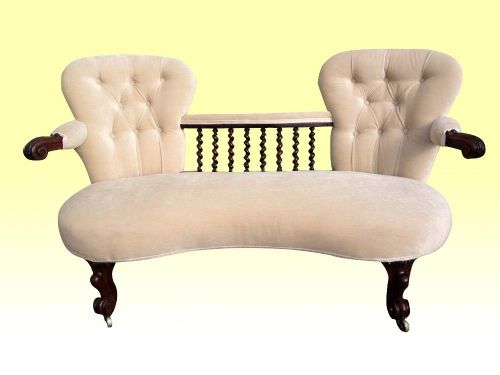
A victorian rosewood settee spans the nineteenth century, emerging in various forms from early examples around eighteen-forty to late variations near eighteen-ninety. Buyers encounter multiple silhouettes on this page, including double spoon back settees, camel back designs, and double ended sofas.
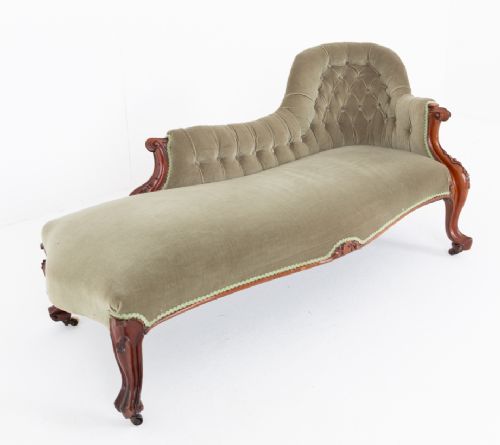
The selection extends to related seating such as chaise longues, day beds, window seats, and conversational sofas. Makers of these pieces worked within the Victorian, mid-Victorian, late Victorian, and Anglo-Indian styles.
The most common pieces combine dense tropical wood frames with upholstered seats, often featuring carved scroll ends or cabriole legs. Each format reflects the evolving domestic taste for comfortable yet imposing salon furniture throughout the nineteenth century.
Materials and construction methods
Cabinet makers utilised solid rosewood and rosewood veneers for the structural frames, applying carving to scroll ends, backs, and cabriole legs. Brass fittings appear on castors and structural elements, while gold leaf occasionally heightens decorative carved details.
Upholstery defines the seating surface, utilising materials such as velvet, damask, tapestry, and leather. Craftsmen often applied deep buttoning to secure the fabric and padding across the backrests and seats of these parlour pieces.
Victorian Rosewood Settee Retail Price Guide 2026
Typical asking prices for victorian rosewood settee among the pieces listed under this phrase on Sellingantiques today, from the lower quarter to the upper quarter. They describe what is for sale here now, not the wider market.
Listings demonstrate forms ranging from standard three-seater sofas to swivel conversational seats, utilising rosewood, brass, and velvet.
Distinctions in craftsmanship and design
The fineness of the carved scrollwork and the depth of the timber grain separate standard production pieces from superior examples. Workshops that employed crisp, detailed carving on the rosewood frame achieved a more harmonious silhouette.
The choice of upholstery fabric and the precision of the joinery influence the overall presence of the furniture. Pieces featuring complex forms, such as swivel mechanisms or inlaid decoration, demonstrate higher ambition from the maker.
H. Goodall & Sons of Newcastle
The Victorian Rosewood Settee Glossary
- Rosewood
- A dense, dark timber featuring pronounced grain patterns, utilised extensively for nineteenth-century cabinet furniture and frames. This material provides both structural rigidity and a polished dark surface.
- Chaise longue
- An upholstered seating form designed for reclining, combining a chair back with an elongated seat. These pieces appear frequently alongside standard settees in Victorian interiors.
- Double spoon back
- A backrest style featuring two concave, ovoid wooden frames resembling the bowls of spoons. This design is characteristic of mid-nineteenth-century parlor seating.
- Cabriole leg
- A furniture leg that curves outward and then tapers inward, finishing in a scroll or foot. This stylistic element appears frequently on Victorian salon furniture.
- Deep buttoning
- An upholstery technique where twine is pulled through padding and secured with buttons to create a diamond pattern. This method adds structural tension and texture to the textile surface.
Victorian Rosewood Settee: Frequently Asked Questions
What is a victorian rosewood settee?
A victorian rosewood settee is a nineteenth-century upholstered wooden sofa constructed with dense tropical timber frames. These pieces were designed for formal reception rooms and parlours.
Craftsmen shaped the rosewood into varied silhouettes, including camel back, double spoon back, and double ended forms, often pairing the timber with carved scroll details.
How do I date a settee?
Dating relies on stylistic clues, framing techniques, and recorded design periods spanning from eighteen-forty to eighteen-ninety. Early Victorian examples often feature robust carved frames, while later pieces incorporate inlaid decoration.
Examining the underlying construction and the silhouette helps place the furniture within the broader nineteenth-century timeline.
Where were these settees used?
These pieces served as formal seating in nineteenth-century drawing rooms, salons, and boudoirs. Their decorative rosewood frames and upholstered surfaces were intended to display taste and status to visiting guests.
Today, they function well as statement seating in period or transitional living spaces.
How should I care for rosewood and upholstery?
Protect the rosewood frame from direct sunlight and excessive dryness to preserve the timber and veneer. Regular dusting with a soft cloth maintains the polished surface without harsh chemicals.
For the upholstery fabric, professional cleaning preserves the original velvet, damask, or leather without compromising the underlying padding.