

Victorian Parlor Sofa
A victorian parlor sofa brings nineteenth-century drawing room elegance and deep-sprung seating into a modern home.
Victorian Parlor Sofa
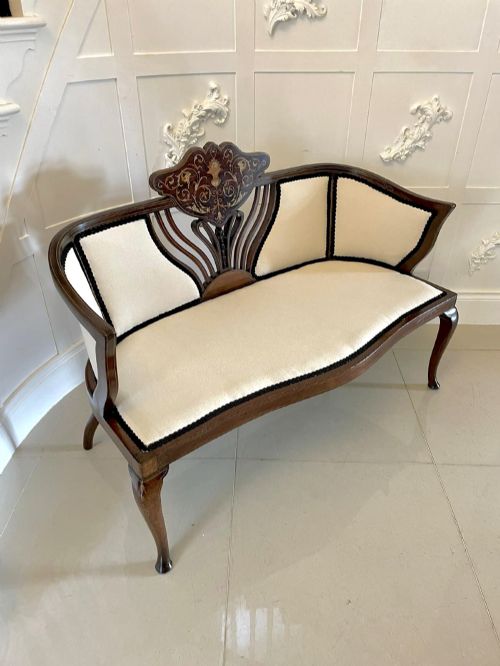
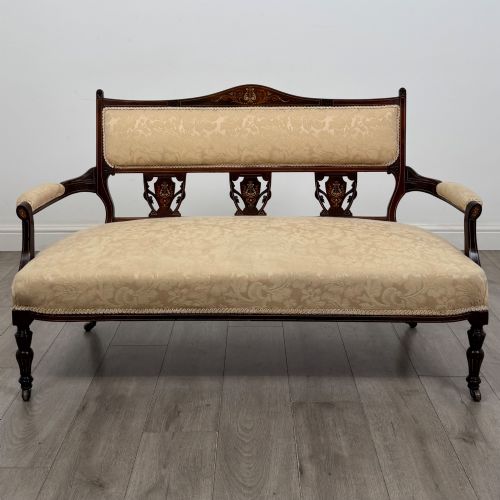
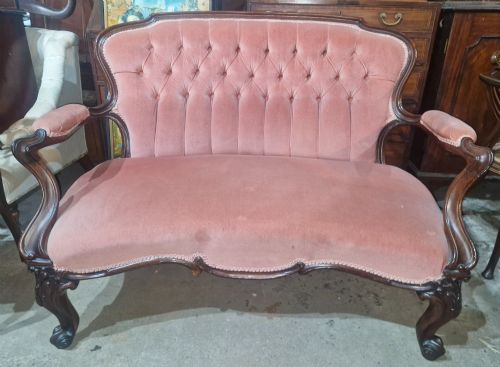
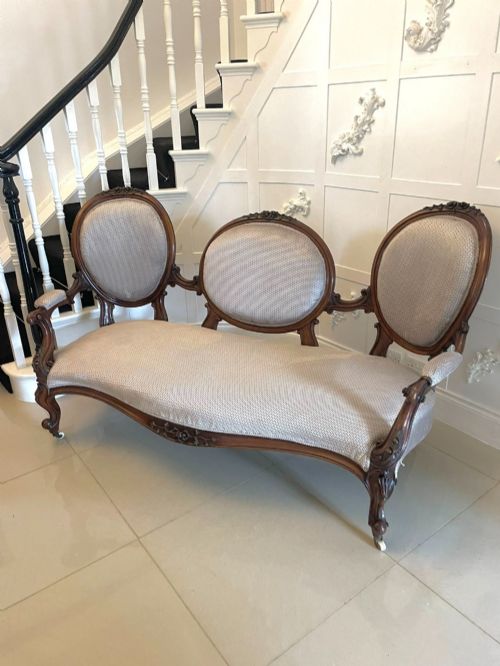
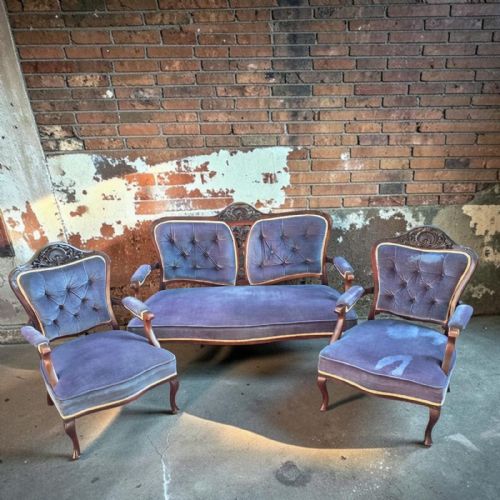
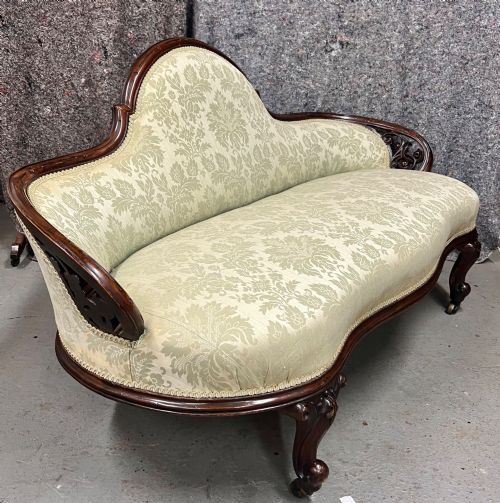
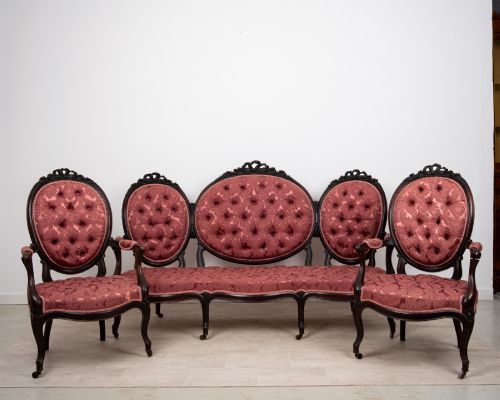
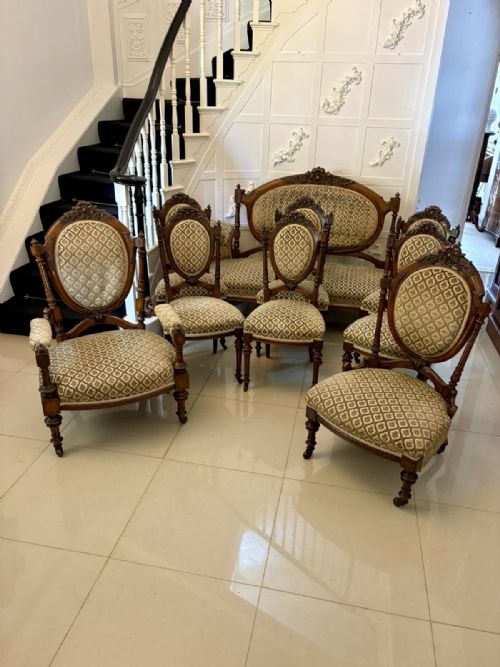
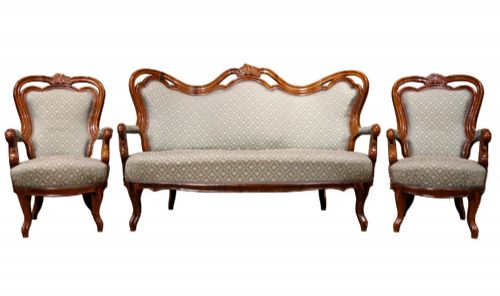
A victorian parlor sofa typically appears as a settee, double ended sofa, or part of a larger salon suite dating from the nineteenth century. These seating pieces range from mid-Victorian carved walnut and rosewood frames to later mahogany and inlaid examples produced up to the Edwardian period.
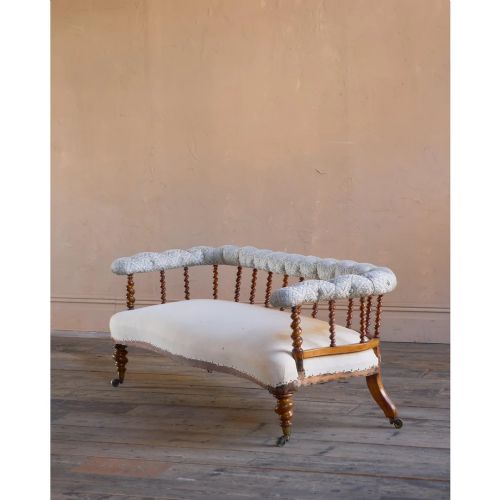
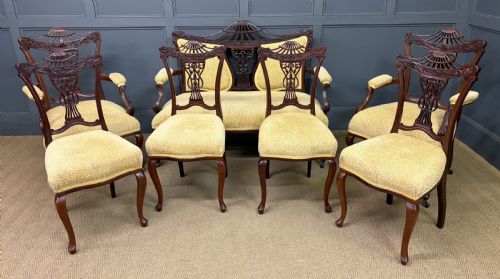
Buyers encounter various regional and stylistic interpretations on this page, including Victorian Rococo Revival, Sheraton Revival, and Victorian Chinoiserie. Forms stretch from compact window seats and small settees to large country house sofas and multi-piece drawing room suites.
Materials and Construction
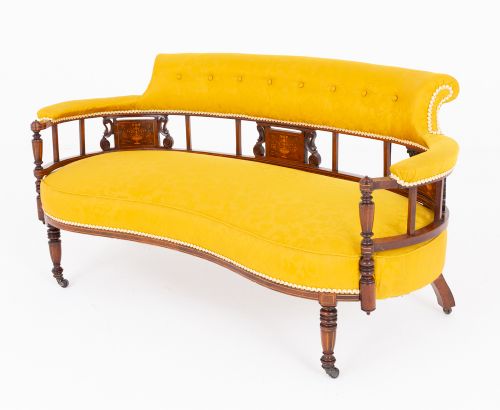
Makers built these frames using dense timbers such as mahogany, walnut, burr walnut, and rosewood, often enriching the surfaces with fine marquetry inlay or intricate hand-carving. Structural integrity relies on traditional joinery paired with robust sprung settee bases designed to support deep upholstery.
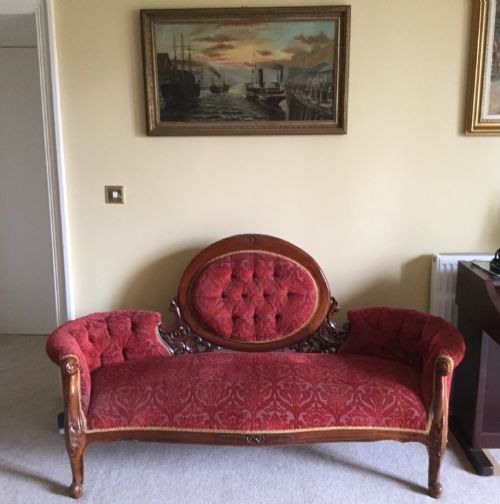
Upholstery involves textiles like velvet, brocade, and fabric, frequently finished with deep buttoning or brass detailing. Structural flourishes include spindle backs, cameo backs, and double spoon backs shaped to fit the parlor aesthetic.
Listings feature mahogany, walnut, burr walnut, and rosewood framed seating spanning the Victorian, Edwardian, and Aesthetic periods.
Distinctions in Quality
Quality rests in the crispness of the timber carving and the sophistication of the grain, particularly in figured burr walnut and rosewood veneers. Superior examples display balanced proportions, integrated inlay work, and robust internal framing that retains its original rigidity.
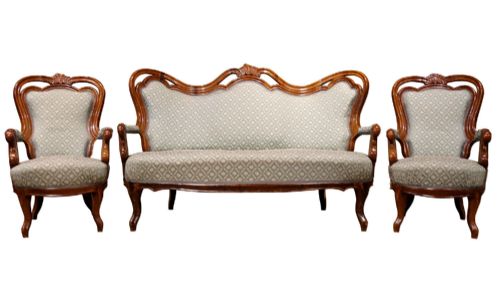
The standard of upholstery and the complexity of the suite, such as matching multi-piece drawing room settings, elevate the significance of individual pieces. Exhibition quality items combine refined cabinetwork with carefully preserved textiles and detailed woodwork.
C. Hindley & Sons·Jas James Shoolbred
The Victorian Parlor Sofa Glossary
- Settee
- A medium-sized upholstered seat with arms and a back, designed for multiple occupants. This form serves as the primary seating piece in Victorian parlours.
- Rococo Revival
- A nineteenth-century design style drawing on asymmetrical eighteenth-century French motifs. Pieces in this style show flowing, organic curves and deep floral carvings.
- Salon Suite
- A matched group of seating furniture comprising a sofa and corresponding armchairs or side chairs. These suites unified the formal reception spaces of Victorian homes.
- Double Ended Sofa
- A sofa featuring raised, symmetrically curved ends rather than a traditional distinct back and arm arrangement. This layout allows for reclining from either direction.
- Cameo Back
- A chair or sofa back carved in the shape of a traditional oval cameo portrait. The exposed wooden frame outlines the upholstered central panel.
Victorian Parlor Sofa: Frequently Asked Questions
How do I style a Victorian parlor sofa?
Pair your sofa with neutral modern surroundings to let the dark timber frame and textured fabric stand out as a focal point. Introduce complementary antique side tables or lighting to echo the nineteenth-century aesthetic.
Ensure the piece has adequate physical clearance in the room, as these settees carry substantial visual and spatial weight. Balance the carved woodwork with softer contemporary textiles nearby.
Were these sofas used for everyday seating?
In the nineteenth century, these pieces occupied formal reception rooms and parlours reserved for entertaining visitors rather than casual daily lounging. The upright posture encouraged by the rigid framing suited the social rituals of the period.
Over time, many have been re-sprung and re-upholstered to accommodate modern comfort levels while preserving the historic timber framework.
How do I date a Victorian sofa?
Examine the timber choices, carving styles, and structural outlines to determine the likely decade of manufacture. Mid-century examples often feature elaborate rosewood or walnut Rococo carving, while late-nineteenth-century pieces lean towards inlaid mahogany and Sheraton Revival influences.
Cross-reference the presence of maker stamps or specific construction traits with known Victorian cabinet-making timelines.
What is the difference between a settee and a sofa?
Historically, a settee often denoted a lighter, more decorative wooden frame with partial upholstery, whereas a sofa implied a heavily upholstered, deeply sprung piece intended for reclining. In Victorian terminology, however, the terms frequently overlap.
Both forms served similar social functions within the parlour, varying mainly in the proportion of exposed timber to fabric.